
How Much Does a Garra Rufa Fish Cost?
The Garra Rufa fish, also known as the doctor fish, is used to treat many common skin disorders. Even with the advent of modern medicine, people still resort to traditional methods of finding the cure to specific illnesses. Some people may find it weird to consider a fish nibbling at your skin as a treatment, but this is considered by an increasing number of people. The Garra Rufa originated in Turkey, but it has become very popular around the world in several salons since these fish will nibble on the dead cells of the feet, improving the smoothness. These benefits were discovered in the early 19th century by a bather with psoriasis who need to improve his skin.

How much a Garra Rufa fish cost?
The cost of a Garra Rufa can cost $2 to $11 per fish, and it will really depend on the type and where it’s purchased from.
For example, the Garra Rufa Obtuse can cost $7 to $11 per fish.
On a forum thread on the website, allaquariuminfo.com, a member noted she paid $3.49 per fish.
If you’re coming here to learn about a salon massage which includes the Garra Rufa, then the average session price can be $30 to $45 for a 15 to 20-minute session.
Garra Rufa fish overview
This fish is famously known for eating dead skin while leaving the healthy skin untouched. It’s commonly found at many salons across the world.
During a pedicure, your feet will first be cleaned and the dead skin will be scrubbed off before you’re allowed to dip your feet in. Once your feet are ready, you will sit in a chair, similar to the one you receive a normal pedicure in, and will dip your feet in the small fish tank below. Each tank will have about 50 to 100 fish and each one will nibble and suck away the dead skin, unrevealing the healthy skin beneath. Most who have had this procedure have described it as a tingling or tickly feel
Most aquariums will either sell them as adults, juveniles or as a fry.
What are the extra costs?
Like keeping any fish, you will need the necessary startup supplies such as a fish tank ($30), filter ($20) and lighting ($10). The ideal set up for these type of fish is going to include a water pump filter, a UV filter, an ozone system and air pump. As for the tank, plan on at least one gallon per inch.
Fish food will need to be purchased every few months and shouldn’t cost more than $5. Since they come from a place that has little food, flakes will suffice.
Since these fish are considered tropical, they will thrive in tanks with heaters, so a heater will be recommended.
Since most are available by importing them, delivery charges may occur. Some of the stores charge as much as $10 per fish to deliver.
The Garra Rufa prefers to be in at least groups of 6 to 12.
Tips to know:
This fish is found in the river basins of Turkey, Syria, Iraq and Iran.
One of the most common killers of the Garra Rufa fish is high ammonia and nitrate levels. It’s very important that the tank has a great filtration system.
According to a British science study, these fish have been known to be responsible for a variety of dangerous skin and soft tissue infections.
This practice has been banned in 14 states since regulations state salons must sanitize or discard tools after usage. Since these fish could be expensive to throw away and/or are impossible to sanitize, salons won’t be able to meet these compliance standards.
It’s advised to wait at least 24 hours before going to a spa if you recently shaved or had a leg wax. Those who have diabetes or psoriasis shouldn’t use these spas at all. The Psoriasis Association said people who have psoriasis increase the chances of picking up an infection if they were to have an open lesion on their feet.
Aside from removing the dead skin cells, these fish are known to stimulate your blood flow, increasing your circulation. It can also help with food odor, athlete’s foot and help stimulate acupuncture points, helping the nervous system.
To purchase these fish, you commonly have to search online since most local pet stores won’t have them in stock.
How Much Do Garden Seeds for a Vegetable Garden Cost?
Seeds for your garden can be bought in many varieties, and seeds for plants, flowers, vegetables and fruit can all be found at just about any retailer or can be purchased online.

How much do garden seeds cost?
On average, a packet of seeds is going to cost $1 to $3 for the packet. Organic seeds can cost upwards of 20% more depending on the type of seed that is purchased. The price really comes down to the brand.
According to the online store HomeHarvestSeeds.com, seeds in their inventory can range anywhere from $1 to as much as $10+ per pack.
If purchased by the bulk, the costs can be anywhere from as little as $3 to $17 per 1/4 pound. For example, American Meadows charges $16 for a 1/4 pound of Heirloom Rutgers Tomato seeds and $4 for Heirloom Kentucky Wonder bean seeds.
Garden seeds overview
Seeds are usually packed in small paper packets that have instructions on the back showing you how to plant and take care of the plant while it is growing. Each packet will contain about 800 to 2,000 seeds, depending on the variety and the brand.
Seeds will often be labeled as the following: organic, hybrid, heirloom or GMO. Organic seeds must be in compliance with the USDA’s National Organic Program. These certified seeds can’t have genetically engineered traits and must be grown in organic soil, meaning there’s no pest control or fertilizer. Hybrid seeds will be produced by a cross-pollinated plant. To produce this seed, specific varieties will be crossed and the hybrid will be collected. Oftentimes, a hybrid seed was designed to improve a plant, resulting in a better color or disease resistance. Heirloom seeds come from a plant that was grown in earlier periods in history. These plants have been argued as to what the true definition is; however, most agree these plants must be open-pollinated and handed down for generations. Lastly, GMO, known as Genetically Modified Organism, will contain a genetic trait that’s not found in the plant’s DNA. This is when genes from one species will be artificially implanted into the DNA of another. With this combination, it wouldn’t exist in nature, making it an artificially created seed.
What are the extra costs?
Fertilizers, while optional, may be needed to grow healthier plants. Depending on the brand and type of fertilizer, prices can start at $6 and can be as much as $30 or more. A fertilizer feeder may be used as well to make sure that there is sufficient fertilizer applied to the plant to make sure it grows well.
We all know seeds are just part of the equation and soil will be needed. Soil can cost about $3 to $11 per 40-pound bag if you need it. For those just starting a garden and have the adequate soil, a rototiller or a hoe may be required in order to pull up the soil.
Some shipping costs may apply with online seed companies.
Tips to know
If you don’t want to be bothered with waiting for the seeds to grow, consider smaller starter packs at local outdoor nurseries or farmers markets. These plants will be a few inches tall and can cost about $1 to $3 per plant. Again, this will depend on the variety.
Always read the label before you plan to know what it requires. Some plants may require you get a head start indoors and transfer the plant once it reaches a certain height.
If you want a continuous harvest, be sure to purchase extra. Fast-growing plants, such as lettuce and spinach, can be planted several times.
Consider your space and be selective. Only plant what you’re going to eat and try to plant things that won’t take up much space if you have a smaller space. For instance, if you have a smaller raised garden, you will probably want to avoid growing pumpkins or sweet corn.
Always pay attention to your soil temperatures. If it’s too cold, the seeds can sown and if it’s wet, plants can rot.
If you have extra seeds, consider placing them in an airtight container and store them in a dark, cool room. Some seeds can be good for several years.
Pay close attention to the “days to harvest” to know how long it takes for the seeds to mature.
List of common garden seeds purchased
Artichoke
Asparagus
Beans
Beets
Broccoli
Brussel Sprouts
Cantaloupe
Carrots
Corn
Cucumbers
Eggplants
Garlic
Kale
Lettuce
Onions
Peas
Peppers
Potatoes
Pumpkins
Radish
Spinach
Squash
Sweet Potatoes
Tomatoes
Watermelon
Popular seed catalogs
How can I save money?
Use seeds sparingly. If you don’t need to use a lot of seeds, then save them for later. Use only what you need to make sure that you have enough to plant another batch in the future.
Buy seeds at the end of the season to take advantage of clearance sales.
Consider going to local lawn and garden stores to find seeds that can be purchased in bulk.
Buying garden seeds is as frugal as it gets. According to SparkPeople.com, if you were to harvest half the packet in 40-foot rows, you would spend $140 to $200 less than if you purchased the mature vegetables in the store.
Look into local nurseries, churches, local organizations and garden clubs. These places often hold plant/seed sales and it’s a great way to find savings.
If purchasing online, look for special coupon codes and/or promotions before making a purchase.
Signing up with some seed catalogs may include a free coupon.
Want free seeds? Free seeds can be found at seed swaps, by mail or a seed library.
How Much Does Farm Fencing Cost?
| Need a pro near you? Get multiple quotes for free online. Get your quote now >> |
Farm fencing is used to secure your farm and to ensure that the livestock will not be harmed by the fence itself or escape from the area. Choosing the most appropriate fencing type depends on the type of animal on the farm that needs to be secured and the terrain of the area. The total cost may also vary depending on the quality of the materials you choose, as well as the total perimeter. The fencing is often said to be one of the most expensive parts of livestock grazing.

How much does farm fencing cost?
Depending on the type of fencing and length you choose, the cost for farm fencing greatly varies. Fencing, regardless of which route you go, will cost anywhere from $0.75 to $3 per foot. The fencing type will depend on your purpose, type of soil, the terrain, weather, safety, the availability of power and visual impact.
Vinyl three or four rail fencing can cost $7 to $10 per foot installed. Chain link fencing can cost $5 to $8.50 per foot installed.
Woven wire fencing, for example, can cost $1.75 to $3 per foot installed.
4 to 10 strand smooth wire can cost $0.75 to $2 per foot, and this will depend on the number of wires needed. A 10 strand will be good enough to contain all large livestock.
Barbed wire fence, on the other hand, can cost $1.50 to $3.75 per foot installed.
A wood rail or post fence, as pictured above, can cost $8 to $11 per foot installed.
A jackleg, or commonly referred to as a buck fence, can cost $2 to $4 per foot. This fence is ideal for areas where it’s hard to dig.
A high-tensile non-electric fence can cost about $1 to $2 per foot, while an electric wire fence can cost $0.75 to $1.75 per foot.
Prefabricated panels, which come as two-inch tubing panels, will cost about $50 to $70 per 12 feet, not including the gate. Each gate will cost $70 to $125. 16-foot cattle and hog panels can cost $14 to $18 per 16 feet. Like a puzzle, this fencing type can create different combinations and is known to be very durable.
Types of farm fencing
Rail fencing will be used as a border fence and are popular on horse farms where animals need to be confined. Rail fences can be made from PVC plastic, treated wood or painted wood. Plastic won’t be as strong as wood, but it’s going to cost more because they are more attractive and won’t require any painting. These fences tend to be four or five feet tall.
Woven wire fencing will use two 8-inch diameter posts with a 4-inch diameter cross brace at the ends. This fencing can come in various heights and spacing, and this will all depend on your livestock size and how many animals you have per acre. Common spacing will be between six to 12 inches and the height will be 26 to 48 inches; this will depend on the jumping ability of the animal. Between these braces will be a steel “T” post alternated with 4-inch pressure treated wood posts. All of the posts will be spaced about 12 feet apart and a strand of barbed wire will be at the top.
Barbed wire fences will be very similar to the woven wire but instead of one strand of wire, it will have up to five strands of 12-gauge wire. The strands depend on how many animals you have per acre. There will be two types of barbed wire fences: standard and suspension. Standard fences will usually have posts spread about 10 feet apart with three to five strands, while a suspension barbed wire fence will have up to six strands of barbed wire. Each strand will be stretched so no more than three inches sag between the posts. These wires will be held together by posts spaced 10 to 12 feet apart if using a fiberglass post or about 50 feet apart if using a line post. Another difference with the suspension of barbed wire is that it will sway in the wind, preventing animals from coming nearing it.
High-tensile wire fencing can either be electric or non-electric. This fence will have eight strands of high-tensile wire on 4-inch in diameter wood posts which are spaced 20 or 30 feet apart. If it’s electrified, it will use five strands of wire and three will be charged and the other two will be grounded. Each post will be eight inches in diameter and will be spaced 25 feet apart. Electrified fencing can be charged using a regular outlet or a solar energizer.
Mesh wire fences will be stronger than most options and are designed to confine small crop areas or feedlots. They will have small openings and no exposed sharp wires to cut an animal.
What are the extra costs?
Annual maintenance costs need to be factored in such as replacing worn-out wires or replacing an electric/solar energizer.
Oftentimes, adding a gate won’t be included in the fencing costs.
Wood fences may have to be painted or stained after install.
Tips to know
Fencing will be on your personal preferences, but as a rule of thumb, most fencing is adequate enough to contain sheep, while a high-tensile electrified fence will be ideal for sheep. For hogs, it’s recommended you use woven wire.
Every state and city will have its own laws when it comes to any sort of fencing. These rules can include how far the fence posts need to be apart and/or how wide the boards can be. Check with your local codes to see what’s legal.
Woven wire fencing is ideal for those who want to keep pests and predators off their land.
Posts should be as deep as the height of the top wire.
Beefmagazine.com says you should watch the post spacing. Many farmers tend to use too many posts, and depending on the fencing you use, an electric fence should have a post every 80 feet or a post for every rod length, which is 16.5 feet.
If using an energizer, make sure it’s powerful enough. Experts recommend at least one joule of output per mile, regardless of how many wire strands you have. Also, pay close attention to the grounding since this makes up 99 percent of the fence. If the ground rod is too close together, they may interact with each other, acting as one.
To prevent shortages, consider plastic or composite posts instead of steel.
Tractor Supply Plus says five strands of wire is recommended if you’re installed a barbed wire fence.
A good fence should last 25 to 50 years.
How can I save money?
Talk with at least three to five fencing companies to see what they charge and what they can do for your land. HomeAdvisor.com can do the dirty work for you and send quotes directly to your e-mail. Most companies will be more than happy to come to your property for a free consultation. Some may even be able to give you a ballpark over the phone by looking at satellite images of your home.
How Much Does a Gauge Ear Piercing Cost?
Ear gauges are used to gradually stretch out the ear lobe to the desired size. While this term is considered slang by many piercers, this type of gauging has been used traditionally in different cultures, such as those in African tribes, but it is becoming increasingly popular in our culture as well.

How much does an ear gauge piercing cost?
The prices vary depending on the part of the ear that you would like to be gauged and the size of the gauge. On average, most people tend to either choose between a 14 or a 16-gauge piercing. 14 is a good starting point for those who have their ears pierced, while 16 is where you should start if you never wore earrings before. On average, gauging the earlobe can cost between $20 and $45 per ear. If the ears need to be stretched, a separate fee, usually $10 to $20, may apply.
Ear gauge starter kits are available to those who are able to do the procedure. These kits start at $15.
Ear gauge piercing overview
The most common gauging performed is in the outer ear. Inner ears can also be gauged; however, this is not as common as having your outer ear gauged.
During the piercing, a piercer will use a dermal punch and can use a few techniques, depending on his or her preference. They can either use a needle receiving tube that’s placed behind the ear or if they use forceps, he or she will place the forceps on each side of the ear. If they are freehand, they will hold the top of the ears. Regardless of the method you use, you will feel pressure and immediately following this, they will insert the plugs. The plugs will be inserted from the front with an o-ring on the back to secure it to your ear.
What are the extra costs?
After gauging, oils, such as Jojoba or vitamin E, should be applied to avoid infection and there are several products available to do just this. Oil is applied to the skin where the procedure is done and it can cost at least $10 to $20. Most shops will supply you with this oil when you go home.
Plugs that you place in the newly gauged part must be purchased separately. A typical earring costs $4 to $15, depending on the style and size that you want. According to the online retailer MinkyMonky.com, the gauges on their site can range anywhere from $2 to as much as $20 per set.
While you may not be thinking about it now, the hole won’t heal as a normal piercing and cosmetic surgery will be needed to fill the hole. This can cost anywhere from $200 to $500 per ear, depending on the severity of the damage. To avoid this surgery, you will won’t want to go larger than a 2 – 0 gauge.
Tips to know
Talk with the piercer ahead of time to discuss the sizes and gauges. It’s best to see the sizes in person to see if it’s either too large or small. Usually, if you don’t want to stretch your earlobes, the piercer will use either a 14, 16 or 18-gauge jewelry for your earlobes. The gauges can be a 14 gauge or larger and can give you ears the appearance of stretched ears.
To clean your ear gauges, remove your plugs and squirt a pinch of dishwashing soap on it while rubbing it in. Rinse the earring with cool water and pay close attention to the surface to make sure all the dead skin cells are gone. Once rinsed, drip a small amount of emu oil on a clean cloth and proceed to rub it on the ring. If your gauge is made from an organic material, you don’t need to apply the oil. Before you place your gauges back in your ear, rub your finger around the inside of your earlobe piercing with liquid soap and warm water.
Yes, ear gauges can go wrong. As per this Reddit.com thread, the ears can become infected, causing the ear to tear.
After the procedure, your ears may be sore after stretching. Other side effects include irritation, infection and dried earlobes. After the piercing, if you find any redness, itching, discharge or swelling, then this could be a sign of an infection. This can be a serious issue and must be taken care of as soon as possible.
Stretching your ear to the desired size can’t be done at once since it may cause damage to your earlobes. Experts recommend waiting at least a full month to help your lobes loosen up a bit. The slower you’re able to go, the better the results will be.
How can I save money?
With any piercing, talk with three to five reputable piercers in your area. Don’t focus on the price, however. Pay close attention to their experience, licensing and the cleanliness of the facility.
How Much Does a Horse Farrier Cost?
According to Wikipedia, a farrier is “a specialist in equine hoof care, including the trimming and balancing of a horse’s hoof and the placing of shoes to the horse’s foot.” Your horse’s feet should be trimmed and shoed regularly, and this can be done by a professional farrier.
The cost of a farrier will depend on how many horses need to be “trimmed,” the complexity of the job, the geographical location and the farrier performing the job. It can also vary depending on the farrier’s skill. Like other craftsmen, the more experienced and skilled they are, the more in demand they will be.

How much does a horse farrier cost?
Overall, the services of a farrier will be between $50 and $150 per horse. A trim can cost about $30 or so, while a full set of shoes can cost $90 to $150. With an average of five services needed annually, horse owners may pay anywhere from $450 to $750. Most farriers like to price their work by the hour and should be able to give a good estimate before the work starts.
According to a Farrier Business Practices survey conducted by the American Farriers Journal, the average price for trimming four hooves and applying keg shoes was $120. The average charge for a trim and resetting is $113, while a trim only is $42.
Forum members on chronofhorse.com, members paid anywhere from $55 for a trim to around $125 for all four.
According to this TheHorse.com survey, about 72% paid less than $100 and 16% said they would spend anywhere from $101 to $150 on $101 to $150 on hoof care.
What are the extra costs?
Traveling outside the farrier’s radius may include a fuel surcharge. Most farriers try to limit their driving to 15 to 25 miles.
Plan on using this farrier every six to seven weeks. Stick to this schedule because waiting too long may lead to hoof problems. As the time goes on, the horses’ hooves grow and can wear out, and because of this, the farrier may have to dedicate more time to make the situation right. Also, the more out of balance your horses’ hooves are, the more problems you could create such as muscular and skeletal problems.
A horse that requires sepcialized shoes, careful balancing, complex care or has a disease could lead to a higher price.
Tips to know
successful-horse-training-and-care.com says never skimp on horse shoeing. Since they spend half their time standing or moving on their hooves, it could be equivalent to a bad pair of shoes. Bad shoeing can lead to joint problems, back pain and even headaches.
The lowest priced farrier isn’t always going to be the best choice. In fact, it could cost you more in the long run, especially if the trimming or shoeing was done in a poor way. This could lead to a lot of unnecessary vet bills. To find a reputable farrier in your area, talk with other horse owners or veterinarians in the area to see who they use.
If choosing a farrier, always listen to their advice, especially if you respect them. As an expert in the field, they will be able to dinf problems before they get out of control. If they do suggest a hoof care program, you won’t want to ignore the advice.
What a trimmed horse hoove looks like…

How to trim a horse hoof
How can I save money?
Discounts for farrier services can be available for more than two horses. Be sure to ask ahead of time to see if discounts apply.
Look for farriers within your area so you’re not charged fuel surcharge fees.
Choose a farrier and stick with them. Many will give loyalty discounts to preferred customers.
Some may be able to offer you a discount if you purchase multiple sessions in bulk.
Many horse owners allow their horse to go barefoot, saving them the shoeing fee.
Consider learning how to do it on your own, and you will only be responsible for materials such as gloves, nippers, a rasp, hoof knife and stand.
How Much Does Garbage Pickup Cost?
Garbage pick-up is one of the many services that is necessary to you as a homeowner. Garbage pickup services help us take care of our garbage by coming to our homes and picking up trash, usually on a weekly basis. The cost is going to vary depending on the geographical location of your home, the amount of garbage bins you have and the company you choose.
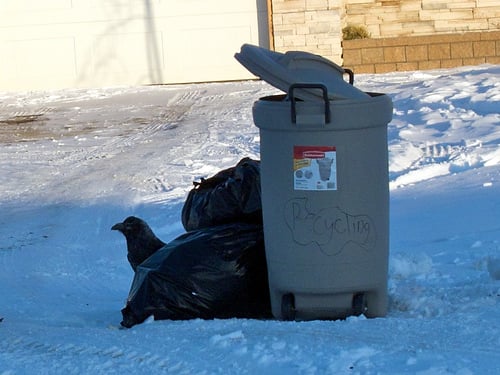
How much does garbage pickup cost?
Prices for garbage collection services depend on the amount of trash that needs to be collected. The payment of this service is usually collected on a quarterly basis while the trash will be picked up on a weekly basis.
For a standard 20-gallon garbage bin, the average price starts at $10 and can go up to $45 per month. Larger bins may cost a bit more.
Yard trimmings can be collected as well, and this is quite cheaper when compared to regular garbage collection. Most garbage services will just charge a one time fee when yard waste needs to be picked up, and this is usually around $20 or so for a yard waste pickup. Some may also include it in your fee and will have special days throughout the month when they pick it up. For example, it could be the first Monday of every month. Most of the time, this is the case with most garbage collection companies.
Tammy’s Recipes did a survey in the past and found that close to 27% paid nothing, while 20% paid $10 to $18 per month.
Forum members on Hellobee.com paid anywhere from $11 per month to $65 per quarter. Some who lived in a city paid $1.50 to $3 per bag.
We were able to call up some random garbage companies across the nation and came up with the quotes below for various cities.
| City | Garbage Quote (monthly) |
|---|---|
| Austin, TX Garbage Pickup | $14 |
| Chicago, IL Garbage Pickup | $16 |
| Denver, CO Garbage Pickup | $25 |
| Las Vegas, NV Garbage Pickup | $14 |
| Los Angeles, CA Garbage Pickup | $36 |
| Milwaukee, WI Garbage Pickup | $15 |
| Portland, OR Garbage Pickup | $25 |
| San Antonio, TX Garbage Pickup | $18 |
| Toledo, OH Garbage Pickup | $11.50 |
What is going to be included?
Some garbage collection companies will charge per quarter, while others may charge per month. Some cities may have its own garbage service and will tie the trash fees into your monthly city bill.
Some companies, when you sign up, may include the garbage can and/or the recycling bin.
Some services may allow larger pickups where they will tow away anything that does not fit into the canister.
Garbage collection companies often offer the following garbage bin sizes: 20, 32, 64 and 96 gallons.
Aside from residential pickup, companies may also offer recycling services, yard waste pickup, bulk waste pickup and even hazardous waste pickups. Waste Management even offers food and organic waste pickup.
What are the extra costs?
Large items that may not fit in the bin will have to be collected on an appointment basis. The price of disposing of larger items will depend on the size of the item and the amount you have. For example, a couch may cost $75 to have removed from the curb. Some companies may not do large collections, and this is when you will have to call up a specialized company. Most of the time, you will pay by the yard.
Recycling is going to cost extra since many garbage companies do not offer this service or charge it as an add-on.
Some companies will include the first garbage can for free, but others may require that you purchase your own. This is all up to the company’s policy. While companies will include the initial bin, most will charge for an additional one. These fees can start at $5.
A one-time setup fee may apply to new accounts. This should be less than $50.
How can I save money?
Make sure that you subscribe to a plan that is sufficient to your needs. Do not pay for two cans per week if you only have to fill one.
Check with your homeowner’s association if you belong to one. Some will pay for your trash as part of your fees.
Most cities have their own services that are tied into your taxes. Check with your local city to see if they are included.
Before signing up for a major trash hauler such as Waste Management or Advanced Disposal, see if there are any promo codes and/or coupons available. Since most of these companies require you sign up for a quote through the Internet, you may be able to input a code to save money on your first bill.
How Much Does a Garage Door Opener Installation Cost?
Garage doors openers are capable of opening, closing and even holding the garage door steady. Most garage doors also have a sensor toward the bottom to ensure that the door does not close on anything or anyone. Garage doors are classified by its power, meaning the more horsepower it has, the higher the price will be.

How much does it cost to install a garage door?
The cost of a garage door opener will depend on the horsepower, the brand and if you choose a professional to install it. A chain-driven opener can cost $150 to $350, while a belt-driven opener can cost $200 to $300. A screw-driven opener can cost $180 to $300. The popular Liftmaster garage door opener, for example, can cost $165 to $220. Genie, another popular brand, can cost $115 to $250, depending on the horsepower and features.
The average cost to install a new garage door opener can cost anywhere from $200 to $550. Adding in the opener costs mentioned above, your total could be anywhere from $350 for a simple replace to $1,100+ for both the opener and installation job.
Amazon.com says the average replacement will be about $82.
| Brand | Cost Range (not including install) |
|---|---|
| Chamberlain Garage Door Opener | $118 to $250 |
| Craftsman Garage Door Opener | $139 to $189 |
| Genie Garage Door OPener | $155 to $230 |
| Home Depot Garage Door Opener | $115 to $250 |
| Liftmaster Garage Door Opener | $165 to $300 |
| Linear Garage Door Opener | $175 to $250 |
| Lowe's Garage Door Opener | $118 to $250 |
| Martin Garage Door Opener | $175 to $275 |
| Python Garage Door Opener | $175 to $250 |
Garage door opener overview
The most common types of garage door openers include the screw driven, chain driven, belt driven and jackshaft openers. Chain-driven openers use a chain to open the garage door and can be louder out of the three but are considered to be the most cost-efficient. These openers are extremely reliable and are best for a detached garage. Belt-driven openers will be similar to the chain-driven, but it will use a belt to open the garage door. These openers will be a bit more in price, but for the money, you get a quieter opener. These garages may have WiFi capabilities and are also ideal for detached garages. A screw-driven opener will rotate a threaded steel rod to open and close the door. With fewer components, the maintenance is minimal. Lastly, a jackshaft garage door opener can be installed on the side of the walls instead of the center of the ceiling like other openers. Using a trolley bar to open the garage, these types can be found in a commercial setting since it’s designed for garage doors taller than eight feet.
The typical horsepower will be 1/2 or 3/4. 1/2 horsepower garage door openers will be enough for a two car garage while a 3/4 horsepower opener will be ideal for heavier doors such as carriage doors.
Features, depending on the brand, may include the following: a manual release, which enables you to disengage the opener from inside the garage; a security light that activates every time the system is used; miniature key remotes; built-in WiFi; vehicle compatibility; an auto-close function and battery backup installed within the opener.
Garage door openers usually come with a remote control as well as the sensor that receives the signal. This can be an additional $70 or so for a backup unit.
What are the extra costs?
Most of the garage door opener kits have a remote control or two included with it; however, you have the option to purchase a universal remote control which can cost anywhere from $25 to $50. People often purchase additional remotes to give to a close family member or friend. Some openers may not come with a remote at all, so this purchase may be mandatory.
A keypad, which installed on the outside of the garage door, will open your door whenever a PIN is inputted. These keypads can cost $30 to $60.
Some openers may not come with lighting. While some may come equipped with a light bulb, some owners opt to have an extra light installed.
Garage doors taller than seven feet will have a larger rail size. Eight-foot doors often pay $25 to $50 more, while those with 10-foot doors can pay close to $100 more.
Many models won’t come with a battery backup, and if your power were to go out, the opener would be useless.
Tips to know
The average garage door opener is expected to last 10 years.
Know what you’re going to get with your warranty since every company is different. You will want to know how long the warranty lasts and what can be covered in case something were to fail.
With newer garage doors, you can control them from your smartphone. The garage door opener app like MyQ Connected Home, for instance, allows you to control your garage door from anywhere. It can also offer you alerts each time your door opens and can even let you know if it’s opened or shut. If you want a garage door with these functionalities, see if there’s an app tied in with the garage.
What size garage door opener do I need? For most standard one, two and three car garages, a 1/2 horsepower model with suffice. You will only need something more powerful than this if you have a garage door that is taller than eight feet or your doors are heavier than a traditional door.
Belt vs chain garage door opener
A belt and chain drive garage door opener are almost identical to each other, but there’s one main difference; it uses a belt instead of a chain. Also, a belt drive garage door opener will also use a steel-reinforced rubber or fiberglass instead of a standard chain. For heavier doors, a chain door opener is ideal.
Belt drives are quieter and are a pinch more than a chain opener. These openers can lift a garage about seven inches per second and has a smooth operation.
Chain drives tend to be the most reliable and can be less than a belt drive. These openers can be very loud and the chain may need to be adjusted every so often.
How can I save money?
Buy a garage door opener with enough horsepower. There is no need for a heavy-duty garage door opener if you have a small garage door.
If you want to get the garage door installed by a professional, get multiple quotes for free from HomeAdvisor.com.
Check with local retailers such as Lowe’s, Home Depot or Sears. These stores can often install the garage door for less than $200 if you purchase the door through them.
Some people say installing a garage door isn’t as hard as you think. As long as you have some handy and electrical skills, it can be done. Refer to the video below to see how it can be done.
How to install a garage door opener
How Much Does a Fax Line Cost?
Fax machines need a telephone line, commonly referred to as a fax line, in order to be able to communicate or send documents to other fax machines.

How much does a fax line cost?
On average, a dedicated fax line that works just like a phone line will cost $15 to $25 a month. This price will depend on your geographical location and the telecommunication company you choose.
While it isn’t a fax line per se, there are fax to email services available. These services allow you to fax documents to other fax machines using the Internet. These services can cost anywhere from as little as $1 per fax to more than $20+ per month. The cost will depend on the number of faxes you send each month. Vonage, for example, charges $9.99 per month for unlimited incoming faxes and 250 minutes of outgoing faxes. AT&T plans start at $10 per month.
| Company | Cost (per month) |
|---|---|
| AT&T | - $15 per additional line. - $10 online for 300 faxes. - $20 online for 600 faxes. - $30 online for 1,000 faxes. |
| Comcast | - $24 per month |
| MagicJack | $5 |
| Ooma | $3.50 (for taxes and fees) |
| Verizon | - $23 + tax/fee per line |
| Vonage | - starts at $9.99 for 250 faxes. |
Fax line overview
A fax line will be a dedicated phone line that connects to the fax machine. Acting as a phone line, most businesses will need this second line to make sure all faxes are received when sent.
If choosing an online fax service, they will offer you a dedicated fax line, just like the one you would receive from a local company. The only difference here is that you will have to upload your documents via a scanner to your computer so you can send it online. With your account, you will be able to send and receive faxes from anywhere in the world as long as you have Internet access.
A fax line can be purchased through any telephone and/or Internet provider, VoIP services and online fax services.
Fax line service providers
AT&T (telecommunications)
Verizon (telecommunications)
nextiva (online fax to email)
RingCentral (online fax to email)
metro fax (online fax to email)
myfax (online fax to email)
efax (online fax to email)
FaxZero (online fax to email)
MaxEmail (online fax to email)
Free fax line providers
What are the extra costs?
Some online fax to email services may charge a small set up fee that ranges anywhere from $5 to $10.
Of course, you will need to factor in the fax machine, cartridges in the future and paper.
Some online fax services will charge a premium to those who send faxes internationally.
If a company limits your minutes, such as Vonage, mentioned above, you will have to pay to upgrade your account.
Tips to know
There are free fax services online, and while it may be tempting to sign up for one, be sure to read the fine print. Some free fax services may only allow you to receive incoming faxes, while others may place an advertisement on the page. Some may even limit you and will charge you once you reach your allotment.
If you want to test your new fax line, send a fax to 1-888-hpfaxme. Within five minutes, you should receive a fax back confirming the fax was received. If you don’t receive one within 10 minutes, the fax line isn’t set up properly.
According to this Lifehacker.com poll, MyFax seems to be the best online fax to email option.
Can I use my phone line as a fax line? Yes, a fax line is a phone line. While it’s ideal to have a separate line, fax machines have the ability to be setup to handle the phone and fax machine at once.
Can I use my cell phone as a fax line? Yes, there are adapters online that allow you to use your SIM card to plug into your fax machine. However, these adapters can be expensive and will require you to remove your SIM card whenever you want to make a fax, making your phone not able to accept or make phone calls at the time.
How to set up a fax line with a single connection
Plug in your fax machine into the wall phone using a standard phone line. You will want to use the “incoming” port on the fax machine.
With the phone, plug the phone into the “outgoing” port. This will often have a phone symbol above it.
Plug in the fax machine, turn it on and go to the fax options. On the options menu, you will want to look for the “fax/tel mode.” This mode will tell the fax machine to answer the phone either as a phone call or fax. If it’s a phone call, the phone will ring, but if it determines it’s a fax, the machine will pick up and print the fax.
How can I save money?
Fax to email service is becoming a more and more popular and cost-effective way to send fax documents. Determine what you need and find the best subscription or other alternatives to sending out faxes.
Estimate how many faxes you’re going to send per month. If you only plan on faxing one to two documents each month, you may be better off paying per fax instead of paying per month.
People have stated that MagicJack, which can cost less than $60 per year, can accept faxes. Refer to this Youtube video to see how it’s done.
Fax machines tend to be outdated technology for offices as there are much cheaper options found online. Highly consider signing up for a premium fax to email service before purchasing a traditional fax machine and phone line.
How Much Does a Bartender Cost?
A bartender may be required for an event such as a wedding, retirement celebration or birthday party. The bartender generally works on their own, but he or she may also be contracted through a company. The bartender is going to help serve drinks, set the bar up, keep the area clean during the party and do any other tasks any other bartender would do that’s found at a local restaurant/bar.

How much does a bartender cost?
The cost of a bartender will depend on how many people are going to be attending the party, the date of the event, geographical location and individual/company you choose. Most personal bartenders will want to serve 50-75 guests at a maximum, so for every 75 guests, you will want to factor an additional bartender. On average, expect to pay anywhere from $15 to $50+ per hour. Most will require you book in four-hour increments. These rates can be 30 to 50 percent more if planned on a holiday.
For those who go over the increments, a bartender will charge $30 to $75 per hour in overtime fees. Keep in mind these prices will not cover the alcohol.
Most bartending services will offer discounts for each additional bartender. For example, you may get a five to 10 percent off discount for the second bartender or a 20 percent discount for a third bartender. Every company and individual will have their own billing policy.
Weddingwire.com has many forum members chiming in on this issue. One member said she charged $300 for five hours, while another said they paid $14.25 per hour.
What is going to be included in the price?
The bartenders, as well as liability insurance, should be included in the price quote if you hire from a reputable company. They should also be certified with the local county/city.
Most bartenders will come equipped with their own gear in order to serve the drinks. Some of the gear is going to include ice buckets, a corkscrew and bottle opener. Also, some companies may include a “bartender in a box” package, which will include everything from the drinks to the supplies. These types of packages tend to cost a bit more than just a bartender who shows up to serve the drinks.
Before the event even begins, a good bartender will be able to tell you how many drinks you will need and will also be able to offer drink recipes that may relate to your event. These bartenders should have a great personality that meshes well with your crowd.
What are the extra costs?
The largest extra cost of hiring a bartender is the alcohol used to make the drinks. Remember, the quotes mentioned above won’t include the cost when hiring a bartender.
Each additional bartender is going to cost more. Every company is going to vary on what its bartender to guest ratio is. It is best to inquire with the company to see what they recommend.
Some bartenders will do more than just serve the alcohol. Some will even service your guests by serving food and walking around the venue serving drinks.
Tips will not be included. Most bartenders will expect a tip ranging anywhere from 5% to 20% of the total bill. While optional, it is always best to tip.
An upfront payment will be expected before services are guaranteed. This upfront payment can about 50 percent of the final total.
An open bar can often be easier for a bartender to work since they don’t have to charge and collect money. What does an open bar mean? Typically, it’s a bar found commonly at a wedding reception where drinks are served for free.
Tips to know
Before hiring a bartender, see if they are insured.
Be sure to check with your venue to see what their bartending rules are. Many venues have rules that require you to hire a bartender who has the appropriate insurance and certifications through the city.
A good bartender can get booked up fast. It’s recommended you reserve your bartender a few months ahead of time to make sure you can secure them for your event.
How much alcohol should you plan for a wedding? First, it’s going to depend on your bar option. Will it be an open or cash bar? To put it in simple terms, you should plan on each guest drinking at least two drinks during cocktail hour and one drink per hour for every hour after. So for example, if you were to have 150 guests, you could go through 300 drinks during the cocktail hour alone. If the wedding were to last five hours, this would be an additional 500 drinks. To budget properly, you would need about 800 drinks to supply your wedding party comfortably.
How can I save money?
Some bartending services may offer discounts to non-profit organizations. Inquire with the service to see what kind of discounts they offer.
Compare at least three bartenders in your area to see what they are charging and have to offer.
You may not need a professional service to help you with the event. Instead, consult with a friend or family member who may be able to help. Instead of paying $300, you could pay them $50 to $100 instead.
Consider placing an ad on Craigslist to see if anyone is qualified. Oftentimes, people will be more than happy to do the job for a few hours.
Talk with local bartending schools to see if any new graduates may interested in the job.
How Much Does a Home Bar Cost?
| Need a pro near you? Get multiple quotes for free online. Get your quote now >> |
A home bar is a great idea for those who want to bring the bar atmosphere straight to their home to share with family and friends. This is a great way to stock drinks in your home without having to pay for the overpriced bar tabs.
A home bar is generally installed either in a basement or even outdoors. The price of installing a bar will vary depending on the size you want, the features you are interested in and the setup.

How much does a home bar cost?
On average, a home bar is going to cost anywhere from $500 for those who want to do it themselves with a simple design to more than $10,000 to $15,000+ for a professional looking bar done by a professional. As with any home improvement project, it will depend on the scope of your project, the materials, finishes, geographical location and contractor you choose. To give you a good idea, professional contractors say to budget about $350 per linear foot for a basic install.
A simple 45-degree bar, for example, which tends to be the most popular, would cost around $2,000 to $4,000 if installed by a professional contractor. A straight bar will be significantly less since the design is a lot simpler. Bars on the higher end tend to be made from a premium wood and will have granite counters.
For an outdoor bar, many tend to choose a tiki bar. A tiki bar can cost anywhere from $200 to $3,000. A higher-end, customizable tiki bar will usually cost a little more than a standard pre-built bar.
Pre-made bars that seat two to four people or more can cost anywhere from $200 to $600 depending on the style and size. These bars may already be built, while some may need to be put together just like furniture.
Angie’s List notes that the average cost of a small bar can be $2,000 to $4,000, while a larger bar with a lot of features can cost $6,000 to $12,000. For example, they note a bar with tile flooring and marble countertops can cost $6,000 to $12,000.
According to craftsmanbasementfinish.com, a custom wet bar with a granite countertop, glass tile backsplash, glass shelving, puck lighting and a stainless steel undermount sink could cost $19,560.
Home bar overview
There are three common options when it comes down to building a home bar. This can include hiring a contractor to build a customized option or buying a manufactured bar that’s already prebuilt. The last option can be a DIY home bar, where you would take on the entire project yourself and follow some sort of blueprint. The contractor option will always be the most expensive option and will be able to do everything from building the bar to installing electrical outlets. A manufactured bar will be prebuilt or it may have to put together like furniture. These bars tend to be very simple and won’t have a lot of options like a custom build. Lastly, a DIY option can often follow a blueprint found online and you will have to do all the work on your own.
With most bars, regardless of the way you build it, will often use a wood or natural stone countertop. Wood is a good option because it tends to be the most affordable option and depending on the type, it can display a nice appearance. Natural stone counters will be the other countertop option and can include either marble or granite. This type will be the most expensive option, but it’s able to withstand a lot of wear and tear and is also capable of resisting liquid stains.
Although there is a range of styles and shapes, most home bars will either be a straight line or shaped as an L. As for the bar dimensions, the standard height will be 42 inches from the floor and this allows a standard 30-inch bar stool to set patrons comfortably at the bar. As for ttophop surface, it will be 16 to 20 inches wide on average.
Common equipment used in a bar can include the following: dump sinks, 3-bin sinks, glass washers, drainboards, soda guns, ice bins, speed rails, blender stations, draft beer stations, bar coolers, hand sinks and ice machines.
Depending on the bar setup, some people often replace the floor around the bar to give it its own feel. Tile flooring is often the most popular option since it’s able to clean up spills easy and can make the bar’s atmosphere look nice.
What are the extra costs?
If you want to add a keg or a specialized refrigerator in order to keep the drinks chilled, this will be an extra cost to consider. Installing a bar-sized refrigerator can cost around $500.
If the area you are choosing does not have the proper plumbing or electrical setup, this may require more work since a kitchen sink will more than likely be required. The electrical outlets will be necessary for items such as a refrigerator and blender. Installing a new outlet can cost $200 to $400 while installing new plumbing to a sink can be more than $500+
Bar stools can cost anywhere from $50 to $300 per stool, and this will depend on the size and material.
Other miscellaneous accessories such as pictures and light fixtures are items to consider.
Some opt to tear up the flooring around the bar area and install either tile or wood flooring. Depending on the type of flooring you choose, this can cost anywhere from $1 to $5 per square foot.
Don’t forget you have to stock the bar. Primer.com breaks down the liquor you will that doesn’t break the bank.
Wet bar vs dry bar
A wet bar will have a sink with running water and a drain, while a dry bar won’t have any plumbing, but instead, it’s designed to simply hold bottles and accessories. A dry bar can often be portable since no plumbing and/or electrical will be connected to it. A wet bar, on the other hand, will have to be connected to a plumbing and/or electrical source and will be permanent.
How can I save money?
Highly consider building a bar yourself. There are many bar plan resource sites online that can help you pick out a bar plan that suits your needs. Even if you are unsure how to do the plumbing and electrical work, you can always outsource these smaller jobs and do the rest yourself.
When hiring a contractor, be sure to ask around and talk with at least three contractors. Services such as HomeAdvisor.com can help you find the cheapest quote in your area. Remember that the cheapest quote is not always going to mean the best work. It is also advisable to look for previous work that has been done by the company you choose.
If you want a manufactured home bar, consider purchasing one used on Craigslist.
Home bar ideas


