
How Much Does a Country Club Membership Cost?
A country club is a private club that has certain restrictions for those who want to sign up for the club. Located in multiple cities throughout the world, these clubs can offer anything from golf to swimming, dining and social activities.

How much does a country club membership cost?
Overall, the fees for a country club are going to be all over the place. Some can as little as $500 to join, while your premium country clubs can demand $500,000 or even more. The average price, however, will normally be in the $500 to $20,000 range to just join. This won’t include the monthly fees, which, again, depending on the club, can range anywhere from $50 to more than $1,000 per month. We have a whole section on our website that talks about the costs at many country clubs in the United States.
Many clubs will charge based on the age of the person applying for membership. Usually, the older you are, the more you may have to pay. This is not always the case, though.
An article published on Hollywoodreporter.com talked about the Los Angeles’ top country clubs and reveals the figures and how tight acceptance is in these clubs with ultra-exclusivity, even with the right connections. For instance, the Riviera Country Club tops the list with its initiation fee pegged at $250,000, while the Hillcrest Country Club requires $185,000. The Sherwood Country Club’s initiation fee is $160,000, the Brentwood Country Club’s fee is $180,000, the Bel-Air Country Club initiation fee is $150,000, the El Caballero Country Club, the cheapest on the list had an initiation fee of $45,000.
According to Askmen.com, initiation fees for a membership at the Sherwood Country Club begins at $200,000, whereas the Bighorn Golf Club asks $325,000 for a dual membership fee. The Augusta National Golf Club’s fee is anywhere from $250,000 to $500,000. Keep in mind that these are going to be the higher-end clubs that cost a lot more than the typical country club up the road.
Golf Digest says many elite clubs can command $250,000 to $500,000 in initiation fees alone. As for the annual cost, a survey they performed stated it was $6,245, which is about $520 per month.
What is going to be included in a membership?
All country clubs will vary with their inclusions. Some membership fees are only going to include the golf, while other fees will include the fitness center, pool, clubhouse festivities and more.
There are two types of clubs available: a non-equity and equity club. An equity club means, as a member, you will be able to hold a share and can vote. Upon leaving, you can either sell your shares or cash it in. A non-equity club, on the other hand, is similar to renting. You won’t own anything and strictly allowed to use the club.
What are the extra costs?
Most upper scale country clubs require monthly food minimums. At most, this will be $50 to $100 per month.
Some country clubs also bill for equipment storage and cart rentals.
Golf fees may apply, especially if you’re bringing a guest. This can often be about $100 per person.
Some residential country clubs require a home purchase. These country clubs are usually located in a neighborhood, and you must live in the neighborhood to be a part of the country club.
Aside from golf, some may charge for other activities such as playing tennis, working out in the gym or swimming in the pool. Most country clubs will have memberships that cater to just about everyone applying. Some memberships will be for golf only, whereas another membership may be for those who only want to play tennis. Usually, the most expensive membership, will include all of the amenities.
Corporate fees can be more than the individual fees. If you would like all of the employees at your business to be able to enjoy the luxuries of a country club, it will cost you a lot of money.
Some hidden fees should be known about, such as an assessment fee. This assessment fee can often be charged if the club is running low on funds or need the capital to perform a large job on site, such as a locker room remodel. It’s not uncommon to see one-time assessment fees in the $5,000 range.
Tips to know:
Recommendation or sponsorship is the only way in for ultra-exclusive country clubs.
Country clubs do not always have openings, even if you have the money. Therefore, if you have your eye on a specific country club, be sure to check ahead of time before getting excited about joining one. You should call a while in advance and put your name on the waiting list.
Almost all clubs will have restrictions, so be sure to inquire about any of these before joining. For example, some clubs may limitations for guests, whereas other clubs may ban children from certain areas.
How can I save money?
Some clubs do offer programs such as the young executive programs for those who are younger than a certain age. Be sure to ask about discounts if considering a country club.
Like anything, call a few country clubs in your area that allow public memberships. Be sure to take a tour in person and ask a lot of questions before signing for your membership to make sure it fits your needs. Some clubs, when you sign up, may require you commit for at least one year.
Country clubs, depending on the economic conditions, often lower fees or offer promotions. Be sure to talk with the membership department to see if there are any promotions you can take advantage of.
How Much Do Facial Fillers Cost?
Facial fillers are products, such as collagen, that are designed to rejuvenate the skin by reducing wrinkles, erasing scars or enhancing the lips. As the skin becomes more susceptible to wrinkles as you age, this long-lasting solution, which uses tiny facial injections, will make your face look young again.

How much does it cost?
The cost of a facial filler will depend on the qualifications/expertise of the professional injecting the filler, the type of injection used, the time the treatment requires and where you live. Looking at our table below, you will see that the cost per syringe can cost anywhere from as little as $500 to more than $2,000 per syringe.
Village Pointe Aesthetic Surgery, for example, listed its prices on its official website, with prices, depending on the type of injection, ranging from $400 to $800 per syringe.
| Type of Filler | Description | Price Average (per syringe) |
|---|---|---|
| Calcium Hydroxylapatite (Radiesse) | Considered to be a biosynthetically produce product, meaning no animal products were used. Side effects can be rare and is known to produce a very natural result. It can last up to 18 months. | $500 to $780 |
| Collagen | Also human based and can treat minor imperfections on the skin. It can last three to four months. | $400 to $600 |
| Fat | These injections will be harvested from the patient's body, such as the abdomen or buttocks, and can be re-injected. | $1,500 to $2,000 |
| Hyaluronic Acid (Captique, Esthélis, Elevess, Hylaform, Juvéderm, Perlane, Prevelle, Puragen, Restylane) | Used to improve the skin's contour and is ideal for acne scars, cheek depressions, crow's feet, frown lines, scars, smoker lines and facial scars. This effect can last up to two years. | $400 to $650 |
| Polylactic Acid (Sculptra) | A syntehtic dermal filler, which can cause your own production of collagen. Known as a stimulator, this filler is non-toxic, biodegradable and is used to fill lines, plump lips and treat nasolabial folds. It may las up to two years. | $800 to $1,200 |
| Polymethyl-Methacrylate (Bellafill) | Often used to treat deep wrinkles and folds, PMMA is a permanent solution often used instead of collagen. Unlike some fillers, however, more injections may be required. | $800 to $1,200 |
| Polyalkylimide (Aquamid) | A semi-permanent filler and is used to plump lips, treat deep wrinkles and treat facial wasting. | $550 to $800 |
Facial fillers overview
The dermal fillers, as seen in the table above, will differ in chemical makeup, longevity and will have a varying degree of softness. A softer filler may be used on the lips, for example, while a stronger filler will be used for the cheekbones.
During the procedure, the plastic surgeon or the specially-trained nurse, will first evaluate your facial appearance, skin tone and examine the areas that need to be augmented. During this time, your surgeon will discuss your options, examine your face, take photographs and recommend their opinion. Strategic points, from there, will be marked, and upon your consent, the procedure will start. Before the injection, the targeted areas will first be cleaned with an antibacterial agent, and depending on the injection site, a local anesthesia may be applied to numb the area. When the site is prepared, the injection, which takes only a few seconds, will be injected until enough filler is needed. The whole process, depending on the complexity of the case, can take anywhere from 15 to 45 minutes. This will always be an outpatient procedure.
The results, once the injections are done, should be noticed almost immediately. Depending on the injection, it can last anywhere from several months to several years. Maintaining your health and skin can improve the results over time.
The recovery time will depend upon the injection you receive, but in general, you can expect to resume normal activities within 24 to 48 hours as long as the swelling and bruising is minimized.
What are the extra costs?
The prices, noted above, will be for each syringe, and in some cases, the surgeon may require two to three syringes, increasing your costs by more than two to three times the amount.
As noted, most facial fillers won’t be permanent, and if you want to keep the same look, then plan on future sessions. In general, the methods mentioned above will often require a session every four to six months.
An allergy test may be required before the injection to ensure your body will react accordingly to the treatment.
Tips to know:
A good candidate for facial fillers, according to PlasticSurgery.org, will be physically healthy, a non-smoker and will be committed to maintaining good skin health in the future.
Risks, as with any cosmetic procedure, should be known about. This may include acne-like eruptions, bruising, bleeding, infection, lumps, rashes, and redness.
How can I save money?
Many surgeons do offer financing plans since most health insurance policies won’t cover this type of procedure as it’s often deemed cosmetic.
Most surgeons will be able to offer you a free consultation before you commit. Be sure to talk with two to three surgeons certified by the American Board of Plastic Surgeons.
How Much Does a Doberman Pinscher Cost?
The Doberman Pinscher was developed in Germany in the last 19th century as a guard dog. This breed is known for its cropped ears, docked tail, athletic build and sleek coat.

How much does a Doberman Pinscher cost?
The price of a Doberman Pinscher will depend on the dog’s age, quality, lineage and who you purchase it from. On average, puppies can cost anywhere from as little as $600 to more than $1,300. However, if the dog came from a champion bloodline, then the costs could be closer to $2,000 for a show quality pup. European lines, if you’re able to find breeders in America, can often ask for prices higher than $3,000+
For those checking shelters, older dogs can be purchased for as little as $100 to $200.
On PuppyFind.com, a popular online dog classified website, had about 550 listings at the time of this writing, with prices ranging anywhere from $700 to $1,300.
Forum members on Doberman Talk talked about what they had paid for their puppies and most who replied said they paid anywhere from $1,650 to $2,500 from a high-quality puppy with title working parents and all health clearances.
At the official AKC Marketplace, most of the breeders who listing the prices were asking anywhere from $950 to $2,200. These breeders included everything from a full health testing to OFA certifications, cropped ears and a microchip.
What is going to be included in the adoption fee?
Any reputable breeder should include up-to-date vaccinations, a veterinarian exam, registration paperwork, a health guarantee, written contract, and if being shipped, a travel crate as well. Higher-end breeders may include the ear cropping, tail docking and dew claw removal. Health testing should also be done, which should include, at a minimum, testing for hip dysplasia, von Willebrand’s disease, thyroid disease, a heart screening and genetic eye disease.
What are the extra costs?
Aside from the obvious adoption costs, there’s much more to consider in the future such as dog food, toys, supplies, a crate, training classes, dental bills and vet checkups/emergencies. A healthy dog can easily cost more than $500 per year, and one that’s sick or comes down with an unnecessary surgery could cost much more than this.
Neutering or a spaying needs to be considered if your breeder didn’t include it. The same can be said about a microchip if you were to want one.
If the dog will be shipped via the air or ground, plan on spending anywhere from $250 to $400, depending on the distance. Some breeders, if specified, may include the shipping with the adoption fee.
Ear cropping, if it isn’t included with the adoption, can cost $400 to as much as $1,200, depending on the vet.
Obedience training classes, even though the dog is highly trainable, should be considered at a younger age to teach it the basics of sit, stay and lie down.
Tips to know
Its personality is said to be fearless, alert, loyal and very trainable.
Males, on average, can measure 26 to 28 inches tall, whereas a female will measure slightly smaller at 24 to 26 inches. The same can be said with their weight, with a male weighing 75 to 100 pounds, while a female can weigh 60 to 90 pounds.
When healthy, the average lifespan is 10 to 12 years.
How can I save money?
Highly consider adopting and rescuing an older dog at a local shelter. Since these dogs are pretty common, you may be able to find one or even place yourself on a waiting list. Adopting is a great way to support the organization and help a dog find a forever home. The DPCA.org and DPCarescue.com are both great websites that can help you find a dog in your area that is up for adoption.
If you’re certain you want to buy a puppy, be wary of the price. If you find a price that’s too good to be true, you could wind up paying even more in the long haul due to the dog’s poor health. A cheap Doberman, often found via a backyard breeder, won’t place priority on breeding a healthy dog; instead, their focus is on breeding as many dogs as possible for profit. These breeders won’t screen for health problems, temperament issues and sometimes, you may not even receive a health guarantee. When in doubt, always either consider adoption and bypass any breeder looking for cash or highly consider checking references and ensuring you’re getting a well-written contract that protects your investment.
How Much Does a Foundation Inspection Cost?
| Need a pro near you? Get multiple quotes for free online. Get your quote now >> |
A foundation inspection, commonly performed by a structural engineer, is a process of looking closely at the foundation of a house or building to determine whether it is stable and strong. A foundation inspection is a guide to help you learn more about your foundation and if any repairs are needed.

How much does a foundation inspection cost?
On average, foundation inspection costs are going to be anywhere from $350 to as much as $1,000. The cost of this inspection will depend on the size of the property, the type of property, the professional you use and where you live.
Forum members on City-Data.com claimed they had paid around $300 for a full foundation inspection.
On Trulia, a real estate agent said you should be prepared to spend about $300 to $400 to have a foundation repair company come in and evaluate the property with a structural engineer.
Foundation Repair Guide created a handy article, telling us what we should look for in a foundation inspection and what should be inspected. According to his charges, he would charge anywhere between $450 and $750 for a foundation and structural inspection, and this cost would depend on the size of the property and if there was a crawl space.
Foundation inspection overview
A report, known as a “distress analysis,” will be created by the inspector. This report is going to itemize all of the observations noted around the foundation. This can include all noticeable cracks, defects and other observations if noted. These reports can also include comments about the soil around the foundation, the slopes, the retaining walls (if any), the subflooring, floors, and the materials that have been used, and next to each item, the inspector will put in his or her own comments.
A manometer survey should be done as well. This survey will help determine if the cracks are causing stress for the home or whether they are superficial. During the manometer survey, the inspector will be able to tell if the floor has moved or if any active movement is going to happen in the future.
Upon completion, the inspector should be able to closely estimate what the foundation repairs are going to cost if any were required. This can either be done by offering a ballpark estimate or an itemized list, showing you what each individual repair may cost.
What are the extra costs?
If the foundation does have to be repaired, the costs can vary greatly. Depending on the extent of the repair, homeowners often find themselves paying anywhere from $3,000 to more than $10,000 for a repair. A small crack could cost as little as $500, whereas major foundation repairs, which involve a hydraulic pier, could easily cost more than $10,000.
Houses that have a crawlspace may have to pay $100 to $200 more for their inspection.
Signs of a bad foundation
The floor(s) in your home may have begun to sink or slope, causing the wall to separate from the floor. A crack in this position can also cause water damage if not taken care of immediately.
When cracks appear in the interior and exterior bricks, the most likely cause is that there is too much pressure on the specific area. This means the weight of the house is not properly distributed, which is a result of a poor foundation.
If the molding on the ceiling is beginning to crack, this can mean that the walls are beginning to sink. This same problem could result in a space between the walls and the ceiling rather than a crack.
When a foundation is faulty, the walls may begin to bow in or out slightly. This will be hard to notice with the naked eye.
If you have a tile or cement floor, you may start seeing cracks on the floor.
If you have a door or window that will no longer close properly, it may be because the position of the walls has shifted.
Window frames may begin to separate from the wall on the interior or exterior of the house.
A vertical crack in the corner of the walls of the house may appear if one wall has shifted while the other stayed secure.
Tips to know:
The ideal professional for foundation repair should hold both a civil engineering and general engineering license. These professionals should also have experience in repair and working track record over the years. Remember, a home inspector will be much different than a foundation expert who’s a structural engineer. An inspector, in general, will be able to look for signs of problems, but they won’t be able to offer a for certain answer unless they are a licensed structural engineer. If in doubt, especially when purchasing a home, it may be wise to call in an engineer as well.
It is also best to work with an inspector that has close ties to foundation repair experts.
When purchasing a new home, it is extremely important that you get this sort of inspection done. This inspection will not only help prevent problems in the future, but it could potentially save you thousands of dollars on costly repairs. According to a BizJournals.com article, the average cost of foundation repair in the state of Texas is $8,000.
How can I save money?
Try to get as many estimates ahead of time. If you don’t know where to start, consider using HomeAdvisor.com for free. Here, you simply explain your job and reputable contractors will contact you with a ballpark estimate.
Some companies may perform the initial inspection for a lower cost if you choose them as the contractor in the future. If you go this route, you can save as much as 15 percent or more.
Many companies perform free inspections if you agree to use their service if any repair is needed. Keep in mind, though, that these inspections tend to be rather basic and you probably will not get much from them.
How Much Does a Forklift Cost?
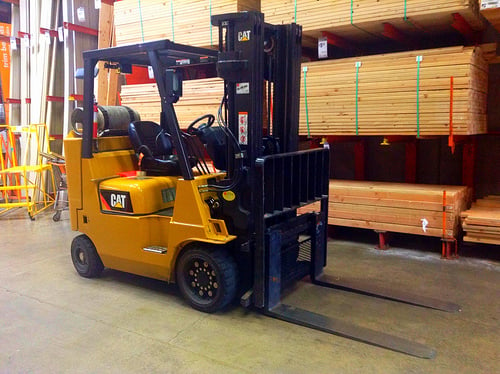
A forklift, also known as a fork truck or lift truck, is a powerful industrial truck used to transport goods. While this is most commonly used in a factory setting, it can be used elsewhere.
Developed in the 1960s, the forklift has been a staple in warehouses across the globe. A forklift is the chief piece of equipment used to move pallets throughout a warehouse, and even the smallest forklifts are able to carry at least 3,000 pounds, while the largest can carry up to 30,000 pounds.
How much does a forklift cost?
The price of a forklift will depend on the capacity it can handle, the brand, features and where you purchase it. If buying brand new, a forklift can cost anywhere from as little as $15,000 to more than $100,000. Refer to our table below to see what the many types may cost.
A standard 5,000-pound forklift that is commonly bought by warehouses and factories can cost anywhere from $15,000 to as much as $28,000. This type of forklift is more than enough to perform the jobs of the average factory.
Internal combustion forklifts can cost anywhere from $14,000 to $35,000; the final price will be determined by the features that you want.
A larger forklift, such as a 10,000-pound capacity forklift, can cost anywhere from $25,000 to as much as $50,000.
Larger lifts that can carry more than 30,000 pounds can cost as much as $100,000.
According to BuyerZone.com, a forklift can cost anywhere from $18,000 to as much as $100,000. The price range will all depend on the capacity of the forklift, the features that you choose, as well as the type of engine and power.
Purchasing.com says the average forklift can cost a few thousand to tens of thousands, depending on the specific use.
Toyota Forklifts says you should be prepared to spend $20,000 to $50,000 for most mid-sized forklifts.
| Type of Forklift | Cost Range |
|---|---|
| Forklift (3,000 to 5,000 pound capacity) | $18,000 to $29,000 |
| Forklift (10,000 pound capacity) | $25,000 to $50,000 |
| Forklift (30,000 pound capacity) | $100,000+ |
| Electric Forklift with Battery | $25,000 to $35,000 |
| Electric Standup Forklift | $30,000 to $40,000 |
| Narrow Aisle Forklift | $74,000 to $100,000 |
| Internal Combustion Forklift | $15,000 to $35,000 |
| Higher-end Brand (35,000+ pounds) | $100,000+ |
| Re-conditioned (3,000 pound capacity) | $5,000 to $12,000 |
As for brands, we researched some of the top branded forklifts and included the cost estimates we received inside the table below:
| Brand | Load Capacity (lbs) | Average Price |
|---|---|---|
| Caterpillar | 5,000 | $14,000 to $18,000 |
| Crown | 4,000 | $24,000 to $30,000 |
| Doosan | 13,500 to 15,500 | $40,000 to $50,000 |
| Hyster | 8,000-12,000 | $10,000 to $15,000 |
| JCB | 6,000 | $25,000 to $35,000 |
| Komatsu | 4,000 to 6,500 | $15,000 to $20,000 |
| Toyota | 6,000 | $8,000 to $13,000 |
Factors that affect the cost
Brands
Not all forklifts will be manufactured by the same company. The better the quality, the better in terms of long-term value.
Engine type
A forklift will have two types of engines: electric or internal combustion. An electric engine will be powered by a lead-acid battery, and like an electric vehicle, it will need to be charged occasionally. Internal combustion engines will run on either propane or gas.
Intended usage
Some forklifts will be designed to be used in specific situations. For example, some will be designed solely for indoor warehouse use, while others can be designed for working outside on rough terrain by using different tires.
Load capacity
This is the maximum weight a forklift is able to handle, including the rider. The higher the load capacity, the more it’s going to cost.
Lift height
Like the load capacity, this is the highest point a forklift can reach. Typically, the higher the forklift can go, the less it will be able to lift. The load capacity will play a larger role when it comes to the pricing; however, the lift height can affect the price as well.
Forklift overview
Forklifts are rated depending on the amount of weight that they can lift. Forklifts will start at 3,000 pounds and can go as high as 30,000 pounds or more. The most common forklifts, however, come in 3,000, 5,000 and 8,000-pound capacities.
Lift height capacities can range anywhere from 150 to 217 inches.
The average side loader, which means the actual width of the forklift, is usually around 24 inches. This is an important factor to consider since the width of the aisles in a warehouse may be an issue.
Common types of power sources can include gasoline, diesel, propane gas and electric, which uses a battery.
What are the extra costs?
Aside from the actual forklift, plan on setting aside $1,500 to $6,000 for the forklift battery and the charger.
Like a car, the prices do not stop when you take it off the showroom floor. With a forklift, you are going to have to pay for additional costs such as the oil, the fuel, filters and regular maintenance. Maintenance alone can cost your business up to $2,000 a year, depending on the type of forklift purchased. Operating costs, as explained by business owners, will be in the $1 per hour range.
Operating costs can range anywhere from $1,500 to as much as $13,000, depending on the forklift and how often the business uses it.
Since all forklifts do not last forever, there may come a time when it will have to be repaired. Repairs can be costly, especially if something major goes wrong.
Just like a car, you will need to have the forklift, as well as employees running it, insured. If you plan on doing so, you will need to factor in the certificaiton/training costs if you wanted to train your employee.
Tips to know
If you plan on using the forklift for more than four to six hours a day, many experts will warn you that a used purchase is not worth it. A new forklift will pay for itself in job efficiency.
Electric forklifts can often take up to 15 hours to charge the battery.
Top brands on the market
Caterpillar
Clamps
Crown
Hyster
Nissan
Royal
Toyota
Yale
How can I save money?
Used forklifts can save you more than 40% if you purchase from the right company. On average, a used forklift can start at $5,000 and go up from there.
For those who do not have the money to pay in full, most dealers will offer financing options for just about any buyer that can qualify.
Renting a forklift is also an option for those who only plan on using a forklift for a minimum amount of time. If your warehouse is located in an industrial complex, you can even consider sharing the cost of a forklift with a neighboring facility and splitting the time it is used. If you were to go this route, the average rental can cost $400 to $1,000 per month, depending on the type of forklift being rented.
How Much Does a Dog Xray Cost?
A dog x-ray can be used to check for fractures, stomach obstructions, tumors, the degree of a bone break or check a pregnancy stage. In addition, a dog x-ray could determine the number of pups a pregnant dog is going to have.
In general, a dog x-ray is best at looking at major abnormalities and changes in the shape, size and contents of the organs.

How much does it cost for a dog x-ray?
The cost of a dog x-ray will depend on the size of the dog, the area being x-rayed, the number of x-rays needed, the vet, if sedation is needed and the geographical location. The price of a dog x-ray, on its own, could be as high as $400 if the dog needs a mild sedative for the procedure. However, because of the different factors and scenarios, you should plan on spending anywhere from $80 to as much as $350 for a complete series of dog x-rays.
On Dog Forum, a few members had talked about what they paid for dog x-rays. The person who asked said they were quoted $375 for the x-rays, which included the sedation, whereas another member said they had paid close to $500.
Dog x-ray overview
Depending on the area being examined, an x-ray can diagnose a variety of conditions. An abdominal x-ray, for example, may allow a vet to see a foreign object within the stomach or see the cause of an intestinal obstruction. It can also confirm bladder stones if they were present. Within the chest, a vet can check for signs of cancer, heart disease and/or even lung disease. It can also rule out fractures if your dog recently suffered from some sort of major trauma such as a car accident. Aside from the abdominal and chest cavities, an x-ray can also diagnose orthopedic issues such as hip dysplasia, elbow dysplasia and other orthopedic disorders that can be inherited. Oftentimes, before a puppy is available to the public, a breeder will get x-ray imaging results in order to have their dog certified by OFA.
What are the extra costs?
If it’s considered an emergency appointment, then you could as much as 50 percent more than if you were to take your dog to a local vet by an appointment.
In some circumstances, if the dog needs to be sedated and/or anesthesia may be required for the x-ray, this can be an additional charge to consider. The sedation may be due to the dog’s nerves or may be due to the position the dog must be in for the x-ray. The dog may also need to be sedated because it is uncooperative. On average, and depending on the size of the dog, you will probably have to pay an additional $75 and $150, in addition to the x-ray and exam fees. Keep in mind most dogs won’t require sedation.
If the vet requires a barium x-ray, the costs could increase. A barium x-ray is when the dog must drink a specialized formula which shows up on the x-ray as it passes through the body. This is done to help make the inner portion of the esophagus and stomach easier to see when being examined. Tumors, polyps and ulcers may become visible as well.
Some vets will want to take blood work along with the x-ray. If this is the case, blood work can vary anywhere from $50 to $100.
Depending on the billing policy, the office examination fee may be tied into the quote or billed separately. Most vet visit fees, regardless of what testing is done, can cost about $45 to $65, depending on your geographical location.
In some rare cases, if the vet deems the x-ray doesn’t produce the results they want, he or she may recommend a CT, MRI and/or ultrasound to further inspect the issue. An ultrasound, for instance, will be able to detect abdominal diseases, including some ailments an x-ray can’t detect, while a CT scan, also referred to as a cat scan, will take rapid x-ray images, presenting a “sliced” cross section of the targeted body part. Lastly, an MRI will use radio waves and a magentic field to generate images and is ideal to pick up any changes within the tissue.
Tips to Know:
An x-ray isn’t always effective at catching everything. For example, some tumors may not be noticeable due to the colors blending in with other tissue. The same can be said about an object the dog swallowed.
How can I save money?
Get multiple quotes. Even if you’re loyal to your vet, it doesn’t hurt to call a few local vets to see what they may charge for a specific procedure. As long as you have the details of the situation, most offices will be happy to offer a ballpark over the phone.
How Much Does it Cost to Connect to a Public Sewer?
| Need a pro near you? Get multiple quotes for free online. Get your quote now >> |
Sewers are shared wastewater treatment systems that are provided, owned and maintained by the city or town you live in. If available, homes can connect to this system to flush wastewater from their homes to a central treatment facility via this sewer system. Connecting to a city sewer system means you won’t have to install a septic tank system, but, like most things in life, it will come at a cost.

How much does it cost to tie into a public sewer?
The hookup fees to the city sewer can cost a lot because the city or town providing the system needs to get back some of the costs of running sewer lines to your area. Fees, across the United States, at least according to what we researched, could cost anywhere from $2,000 to more than $8,000+ for only the connection fees. These fees, remember, will be the connection fees only and won’t include the plumber who you will need later in order to connect to the new sewer connection.
Private plumbing costs need to be paid to the contractor who will handle connecting your house to the city sewer branch at your property line, which, depending on the distance and complexity of the job, could range anywhere from $1,500 to $5,000, bringing the grand total to $3,500 to $13,000+. Since all jobs are so unique, we highly consider using HomeAdvisor.com to get multiple quotes for free from reputable plumbers in your area.
In the City of Portland, Oregon, for example, the city sewer connection charges include sewer line charges at $1.39 per assessable square foot of property, based on the area within 100 feet of the sewer line; the branch charges $5,059 per branch and the sewer system development charges $4,335 for a single-family residence.
In New Hampshire, the one-time hookup fee for a single family detached residential structure is $2,325, plus a $50 application fee for a residential use.
In San Diego County, a one-time connection capacity fee can be anywhere from $1,000 to $4,000 for locations within 100 feet of a public sewer main.
According to a forum thread on Trulia.com, those who answered the thread said they had paid anywhere from $2,000 to as much as $10,000 for the hookup fees alone. Some even claimed that local townships and cities made it mandatory to hook up when purchasing a new home.
On City-data.com, a forum member had said his brother was quoted $4,000 to trench a new sewer pipe from the house to the street and another $4,500 as a capital recovery fee.
Connecting to a public sewer overview
The estimates mentioned above should include the one-time hookup fee to the city sewer. However, this connection is only done at the end which connects to the actual sewer and provides a branch to your home where your sewer system can connect. The city sewer hookup will not include connecting your actual pipes to the branch.
Connecting to a sewer, regardless of where you live, will be a similar process. It will typically involve the application process, permits, hiring a contract to install the lines to your residence, trenching the sewer line, inspections and filling the trench line.
What are the extra costs?
City permits and an inspection will be required as mentioned above and will often be considered another expense. If the inspection doesn’t pass and more work needs to be done, this will also be an additional cost to consider.
Once connected, it doesn’t end there as there will be monthly, quarterly or annual fees, depending on how the city bills. Most annual fees, depending on where you reside, can be charged as a flat rate or by the amount of water being used by the household. Charges, again, depending on these factors, can range anywhere from $600 to more than $3,000 per year.
Once the sewer work is finished, your yard will be torn up, and landscaping should be factored in as well.
How can I save money?
Homeowners who meet certain income requirements may qualify for state programs or special loans. For example, a five percent interest loan, with a deferred payment option, is available for qualifying low-income homeowners in Portland, Oregon. Check with your local state to see if you can qualify for any payment assistance programs.
How Much Does it Cost to Ship a Body?
Shipping a deceased body is one of the many things that may need to be done after the death of a family member or loved one. If the person who passed away did so in a different area than where the funeral will take place, the body may need to be shipped to the city where the funeral will be held. When shipping a body, there are a lot of documents that must be processed and requirements that must be met.
A body can be shipped in many different ways. For example, the body can be transported before or after it has been prepared for the funeral. It could also be shipped after the funeral to a burial site out of town. If the body has been cremated, there are specific regulations that must be followed to ship the remains. All of these shipping methods can be done via ground or air transportation methods.

How much does it cost to ship a deceased body?
Overall, shipping a deceased body can cost from $1,500 to $10,000. The costs, like traveling or shipping anything else, will depend on the distance, how the body is being shipped and the company you use. Because of this variation, a short 500-mile trip via the air may cost $2,000 while a trip across the globe can cost as much as $10,000. If staying within the United States, however, the costs should never be more than $5,000. Usually, when the costs exceed $5,000, it will often be seen on flying internationally.
Keep in mind that when you transport a body, you’re essentially working with two funeral homes. One funeral home will have to pick up the body, prepare it for shipping and ship it to the destination, whereas on the other end, the funeral home you plan on using for the service will pick up the body and prepare it for the showing. Essentially, you will have to pay one funeral home in one location before shipping and another once the body lands. Plus, you will have to pay for the transportation service.
In total, plan on spending about $1,000 to $2,500 for the first funeral home and another $700 to $2,500 to the next funeral home.
EverPlans.com says the cost of shipping a body will depend on the weight of the shipment, the distance being travel, and if the shipping container is shipped separately, this will need to be factored in as well. The fee of forwarding the remains to another funeral home, depending on these factors, can be $1,000 to $3,000. The fee for receiving the remains will be another $800 to $2,500. This won’t include the funeral costs.
On one forum thread on FlyerTalk.com, a member asked what it would charge to ship a body from one state to another. A funeral director, who owned a hotel, said they would charge $1,895, in addition to the taxes and combo. Remember, this would be the costs on one end and wouldn’t include the retrieval costs on the other end. Another member on this same forum said they had paid $2,500.
Factors that affect the price:
The distance traveled will, almost always, be the largest factor in determining the price for ground transportation.
The weight, like any other package being shipped, can affect the costs.
The choice of transportation being used to ship the remains. An airline will always be more than traveling via ground.
The funeral homes you are working with on both ends.
Shipping a body overview
With the estimates mentioned above, it should include the airfare and other arrangements such as removal from the place of death, embalming, and a shipping container transfer to the local airport. Be aware that some states require the body is embalmed before it’s even able to leave the state, and the same can be said about a state that’s about to receive the body. Embalming alone can cost $450 to $800.
Working with a funeral home, the director will make arrangements with an airline, which is usually a cargo plane carrier, and depending on where the body is, it will be prepared and sent to the airport and collected by a funeral home representative upon landing. As a passenger, you also have the right to escort the body on a passenger plan that you are traveling on.
To start the process, talk to the funeral home you plan on using. They should be able to guide you along the way, helping you find a funeral home where the body is and help connect you with a transportation method.
What are the extra costs?
Permits, embalming, prep work, the shipping container and paperwork can incur additional costs that can be more than $3,000. Some quotes may include all of these additional costs, whereas others may charge an additional fee.
Some funeral home directors, depending on the distance to the airport, may charge a mileage surcharge if they have to travel further than a certain distance. For example, one funeral home we looked at charged $1.40 per mile if they had to travel more than 25 miles.
Cremating the body before shipping can cost as much as $1,000 depending on the state/country of death.
Unless part of the quote, which is rare, the funeral services will more than likely be separate.
Tips to know:
In some states, you may be able to ship the body via a car on your own; however, in some states, you may need a licensed funeral director. If you plan on going this route, check with the states you plan on going through to see what the laws are.
How can I save money?
It is best to talk with at least two to three funeral homes and shop around. By doing so, you should be able to get a few quotes over the phone as long as you have the information provided such as the origin and destination. Start with the American Association of Mortuary Shippers to get more information.
Many local funeral homes have connections with airlines. Be sure to ask them how the process works and what will be included.
If the transportation costs seem to be too high and you feel you can’t afford it, a funeral home in the originating destination may be able to work with you by cremating the remains if this was the initial intention. By cremating, this can greatly decrease the costs as it can be shipped via the mail instead of an airline.
How Much Does it Cost to Reupholster a Couch?
| Need a pro near you? Get multiple quotes for free online. Get your quote now >> |
Reupholstering a couch is the process of covering an existing couch with new fabric to make it appear like new again. As a couch gets used over the years, the look can diminish, along with the comfort level.

How much does it cost to reupholster a couch?
The average price to reupholster a couch will cost about $500 to $1,500 if done by a professional. The price will depend on the size of the couch, the professional doing the job, if it has to be delivered, the fabric being used and the geographical location. When getting a couch reholstered, there are a few other things to keep in mind, aside from the fabric. This can include the condition of the frame, the fabric weight, and the accessories if you want to update these as well. With so many fabric choices on the market, the fabric you choose will often have the largest impact on the price. When choosing, you will notice fabrics will be organized by the color, pattern, its stain resistance and the durability, and to budget, if you find a fabric you like, it’s best to buy at least 18 to 20 yards. The higher in quality, the more you will pay by the yard, but most fabric will cost $10 to $40 per yard.
Since all jobs can be very unique and it’s hard to give an exact quote, consider getting free quotes from local uholstery specialists from HomeAdvisor.com. Here, you can explain your job and licensed professionals will contact you with a ballpark quote.
At Apartment Therapy, they asked this very question, and with more than 120 replies, many said they had paid anywhere between $250 to $600.
Hunker says the average price will be based on the cost of living in your area, but the average two seat couch can cost about $1,2000, but if the furniture were heavily damaged, the costs could be much more.
| Type of Sofa | Price Range |
|---|---|
| Camel Back Sofa | $1,000 to $1,200 |
| French Provincial Sofa | $700 to $1,100 |
| Loose Back Sofa (3 cushion) | $1,000 to $1,500 |
| Sectional Sofa | $2,500 to $3,500 |
| Semi-attached Back Sofa | $1,000 to $1,300 |
| Tight Back Love Seat | $700 to $1,100 |
| Tight Back Sofa | $750 to $1,200 |
| Tufted Back Sofa | $1,100 to $1,500 |
Reupholster a couch overview
During the process, the upholsterer will dispose of the older fabric on the couch by tearing apart of the fabric down to the frame. At this point, if there’s damage to the frame, the upholster will repair the damage and replace the padding before applying the new fabric. With the new fabric, the upholster will then apply it, along with the trim. Depending on the job order, the pillows and/or additional accessories will be upholstered or created as well.
What are the extra costs?
New foam and padding, if required, are considered as additional costs. This is necessary when the couch cushions have lost its shape or form because of extensive use.
Frame repair, again, if necessary, will entail more labor and can cost more. A basic frame repair can be an additional $40 to $100.
Replacing or even adding a customized decorative touch can increase the price. For example, if you wanted to create a ruffled-like pattern into the fabric, then the upholsterer will have to manually sew, increase the labor time. For customized decorations, plan on spending an additional $100 to $250.
Cushion and pillow covers can cost anywhere from $10 to $95 depending on the size. If you want to keep the same pillows or even create a pillow that uses the same fabric, each pillow can cost $40 to $100 each.
If you cannot deliver the couch to the company, you will more than likely have to pay the company to have it picked up. Delivery fees can range anywhere from $100 to $350, depending on the distance being traveled. Plan on spending at least $1 to $2 per mile.
How can I save money?
Instead of reupholstery, considering having a professional come to your home and professionally clean your couch. You may be surprised that the results of the cleaning may be almost like a new couch.
There are simple couch covers or couch coats that you can buy to place over the existing fabric. These covers come in a variety of sizes, colors, and designs. They can also be taken off and washed, which allows you to keep your couch even cleaner than before. A good couch cover can cost less than $50.
Some upholsters may require you to purchase the fabric from them, but others may allow you to bring in your own material. 99 percent of the time, if you’re able to pick out your own fabric, this will be the cheapest option.
Unless this sofa means something to you, nine times out of ten, it’s going to be cheaper to buy a new sofa. If you don’t care if you were to lose this sofa, compare the prices to purchasing new to see if it makes sense.
How Much Does a Coronary Angiography Cost?
A coronary angiogram is a procedure that will use a special dye to see how the blood flows through the arteries inside the heart.
How much does a coronary angiography cost?
The cost of a coronary angiography will depend on where it’s being performed, the urgency of the situation, the type of angiography and where you live. Depending on the exact procedure you choose to have, the prices for a coronary angiography can range anywhere from $4,500 to $11,000 for a traditional angiography to as little as $1,250 for the CT coronary angiogram.
Of course, if you have health insurance, your policy should be able to cover a procedure such as this as long as it’s medically necessary. Since there are thousands upon thousands of policies out there, it is best to check your insurance company to know what you’re responsible for. It also doesn’t hurt to discuss this procedure with your insurance company as they will be able to tell you which facilities are within your network. For those who do not have a health insurance policy or are looking to switch, consider browsing hundreds of policies for free at eHealthInsurance.com. If covered, you may be responsible for zero to as much as 60 percent of the costs.
The estimates mentioned above, depending on the facility, should include the catheter placement in the artery(s), the dyes and special x-rays.
Coronary angiography overview
Often referred to as a cardiac catheterization, a coronary angiography can access the coronary circulation of the heart using a catheter. This test is designed to help recognize the heart chamber size, the heart muscle performance, the blood flow, and more.
During the procedure, the patient will usually be awake; however, there are times that a local anesthesia may be used to lessen the discomfort of the catheter being inserted. The reason that a patient should be awake during the procedure is to alert the doctor if any uncomfortable sensations are felt as they can indicate that something has gone wrong.
During the test, the patient’s blood pressure will be recorded and monitored, along with x-ray motion pictures that can capture the blood flow within the arteries. Guiding a small device known as a catheter through the arteries, the doctor will be able to create x-ray pictures one-by-one.
The entire procedure will take at least 30 minutes but no longer than three hours. However, by the time the patient arrives, gets checked in, has the test, and recovers, the whole process will take about six hours.
What are the extra costs?
Before the test begins, a doctor, depending on your circumstances, may order a chest x-ray, blood test and possibly an electrocardiogram test. All of these tests, if necessary, will be an additional cost to consider.
If the test results show a blockage or narrowing of the arteries, additional tests or stent placement may be needed. Treatment with an angioplasty, for instance, can cost $30,000 or more, and a heart bypass surgery can cost as much as $70,000 to $200,000 or more. Again, many issues could be diagnosed during this test.
Tips to know:
Health insurance covers an angiography procedure as long as it is done to diagnose or treat an illness.
How can I save money?
Those who pay in cash or are uninsured can often save money if you talk with the finance department. For example, the Washington Hospital Healthcare System in California offers a 35% discount to those who lack health insurance.
Again, if you have health insurance, be sure to check with your provider to see what they are going to be able to cover. All insurance policies are going to vary.


