
How Much Does Tempered Glass Cost?
Tempered glass, often referred to as toughened glass, is a type of safety glass that is treated with heat or chemicals to increase its strength compared to normal glass. If tempered glass is broken, it will not break into sharp shards of glass; instead, tempered glass shatters into smaller granules. These chunks of glass are less likely to cause injury when compared to the traditional glass that breaks into larger shards.
Tempered glass is commonly used in automobiles and cellphone screens, but it can also be used inside a home or commercial buildings. The price of tempered glass will depend on the company manufacturing it, the size and if custom cuts are required.

How much does tempered glass cost?
On average, tempered glass can cost anywhere from $10 to $35+ per square foot, depending on the size and thickness. Refer to our table below to see what common clear sheet sizes may cost you. Keep in mind that this glass can’t be cut and will have to always be ordered or purchased as a stock size. If you were to attempt to cut it, it would shatter into thousands of pieces due to the pressure.
As for window panes, each pane can cost an average of $20 to $25 per pane. For instance, one member on OldHouseWeb.com said he was quoted $20 per glass pane, bringing the grand total to $1,200 for four windows with 15 panes. This was the quote for the glass only.
A local company based in Garner, North Carolina, for example, sells tempered glass by the sheet. Their prices, according to the website, can range anywhere from $49 to $150 depending on the size. For example, a 4″ x 10″ sheet would cost $49, while a 42″ x 24″ sheet would cost $154.
Home Depot lists the prices for skylights that use tempered glass, with prices ranging from $180 for a 22-1/2 in. x 46-1/2 inch window to as much as $1,200 for a Fakro Eletric Venting Skylight FVE 24/70.
Tempered glass countertops, a popular grade for countertop material, can cost $75 to $115 per square foot to have a professional install.
Something as simple as a shelf made from tempered glass could cost $30 to $40 for a 12″ x 24″ piece.
| Size (thickness) | Cost (per square foot) |
|---|---|
| 1/8" | $10 |
| 3/16" | $13 |
| 1/4" | $15 |
| 5/16" | $20 |
| 3/8" | $23 |
| 1/2" | $30 |
| 5/8" | $45 |
| 3/4" | $55 |
What are the extra costs?
The costs mentioned in our table above are for clear cuts only. If you were to want tinted tempered glass, then the costs could go up 10 to 15 percent.
Additional costs will differ depending on the type of tempered glass you will buy. Since tempered glass can be bought to be installed in windows and other fixtures, the additional cost would involve paying for the installation of the glass. Installation costs will greatly depend on the size of the job and other factors.
Customized cuts or colors can add to the price estimates mentioned above. Some companies may be able to remove the jagged edges for an additional fee as well.
Tips to know
Tempered glass, according to Floyd Glass, is known to be the hardest types of glasses on the market. As noted above, it will break into smaller square pieces if it were to be smashed or someone came into contact with it. To create this glass, it will use a mix of chemicals and heat. The only downfall, when compared to other types of glass, are the edges, which are the weak point.
Some state laws require frameless shower doors, windows 18 inches from the ground, windows above the shower/bathtub and glass within a certain distance to the door to use this type of glass.
How can I save money?
Customized cuts will cost a lot more than a standard factory cut. Consider purchasing a sheet direct from the factory rather than getting a customization.
If hiring a professional to help with the installation process, consider using online services such as HomeAdvisor.com to help find the best quotes in your area. The website allows you to describe your quote and local licensed and reputable contractors will contact you with a quote.
How Much Does a Teddy Bear Puppy Cost?
Teddy bear puppies, a fairly new category of dog, are a mix of crossing multiple small dog breeds, such as the Bichon Frise and Shih Tzu, to create a dog that looks like a teddy bear. When these two breeds are combined, they won’t be called a teddy bear puppy, but rather, a name will be given. For example, if a breeder were to breed the Bichon Frise and Shih Tzu, then the correct name would be a Zuchon. You can refer to our table below to see the many teddy bear breeds currently on the arket.
The price of the puppies, just like any other dog breed, depends on the age, the gender, the quality, the dog’s history and the breeder selling the dog.

How much does a Teddy Bear puppy cost?
On average, the price of a teddy bear puppy can range anywhere from $450 to $1,500 and will greatly depend on the exact “teddy bear” breed you’re looking to adopt. Keep in mind that some may be more in demand than others, often raising the price quite a bit. Refer to our table below to see what some of the most popular crossbreeds cost on the market.
| Type of Teddy Bear Puppy | Description | Average Price |
|---|---|---|
| Bichon Frise + Poodle = Poochon | Often known as one of the most expensive teddy bear puppy, this dog can be energetic at home; however, they won't require much exercise outside. They are great with kids, other animals and will be a very low shedder, making them ideal for hotter climates. | $500 to $1,000 |
| Bichon Frise + Shih Tzu = Zuchon or Tzu Frise | Ideal for smaller spaces, the Zuchon can be okay with children as long as they know how to properly handle a pet. Due to their smaller structure, they are more prone to injuries. Grooming and exercise is minimal. | $500 to $1,000 |
| Maltese + Poodle = Maltipoo | A good walk here and there is ideal for this breed to keep them happy throughout the day. Like the Zuchon, this dog can work well with children but they need to know how to properly handle. They can be great for an apartment-like setting but can't be left alone for long periods of time. | $500 to $1,000 |
| Maltese + Shih Tzu = Malshi | This happy breed will demand some exercise outside and can work well with children and other pets. It's known to be a low shedder and can weigh up to 12 pounds, making it one of the larger teddy bear breeds. | $500 to $1,300 |
| Shih Tzu + Poodle = Shih-Poo | Also known as the Schnoodle, this breed is rather lively and can do well in a smaller setting. THis breed is great with younger children and other pets and can closely resemble the Poodle and Shih Tzu. | $400 to $900 |
| Teddy Bear Pomeranian | This breed loves to be around strangers; however, out of all breeds on this list, it has been known to bark successfully. | $500 to $1,000 |
| Yorkshire Terrier + Maltese = Morkie | The Morkie is known to be happy with just a short walk and usually will want to be around adults only. While it isn't the easiest breed to train, it can train well with those who are patient. | $500 to $1,500 |
What is going to be included in the adoption fee?
Reputable breeders should include a health checkup via a licensed vet, registration paperwork up-to-date vaccinations, a health guarantee, and if being shipped, a travel crate. Some breeders may also opt to include a microchip, spay/neuter and/or a simple starter pack with toys, sample food and coupons. If the breeder doesn’t include these inclusions at a minimum, then it’s best to look elsewhere.
What are the extra costs?
If shipping via an airline or meeting with a breeder hundreds of miles away, this could be an additional $150 to $400, depending on the distance the breeder has to travel.
Recurring costs, just like any other dog, will include the food, toys, accessories, shelter and vet visits. A healthy dog, on average, can cost $700 to $1,000 per year, but the costs can be much more if your dog were to come down with a threatening illness.
Due to the fluffy coat, routine grooming sessions are highly recommended at least once per month. Failing to keep the coat in tip-top shape can often lead to a matted coat, which can be very painful if not taken care of.
With any breed, it’s so important to start training as soon as possible. Whether you want to train your dog on your own or choose a professional trainer, don’t forget to budget for these classes if you were to go this route. Obedience classes, depending on who you choose, can start at $75 and go up from there.
Tips to know
Most teddy bear puppies, depending on the parents, will often weigh six to 14 pounds and typically measure seven to 12 inches in height.
Mixed breeds will come in all sorts of shapes, colors, textures and thicknesses, and it will greatly vary on the puppy’s parent. The best way, to know for certain, is simply by researching both of the parent’s characteristics to know what your puppy looks like. As the name states, however, most breeds, to be considered part of this category, will resemble a stuffed teddy bear you would find on a child’s bed. All of these dogs will be small in stature and will remain small, even as they mature late in life. Common characteristics most share will include a round face, fluffy coat, and larger-than-normal eyes.
Those who have owned this breed has often said their temperament tends to be based on their upbringing, ancestry, socialization and the environment. On average, most will be affectionate and eager to please to their owner, hanging around at every footstep. Known to be smart, this breed is known to be easy to train and can do quite well with both children and other animals alike. MiniTeddyBearPuppies.com says these dogs are typically a cross between the Bichon Frise and the Shih Tzu, both of which are extremely needy. When these two breeds are combined, according to the website, they often receive the term “super companion.”
Mixed breed dogs, again, depending on their parents, can live up to 18 years if healthy.
Before you consider any of the breeds mentioned in the table above, it’s important to research both of the parent’s breeds to make sure it’s suitable for your lifestyle since all teddy bear breeds will be different.
In regards to the teddy bear breed, always be on the lookout for a scam as some breeders often try to create a breed that resembles a “teddy bear,” when in essence, it’s a mix of two breeds that usually isn’t considered to be one. With this being said, try to talk with other people who have adopted a puppy from the breeder and read the reviews online to see what other people say about the process. It also best to pay close attention to the price. If it sounds too good to be true, then it’s probably safe to say it is, especially if you’re adopting sight unseen.
Health conditions will be hard without knowing the exact teddy bear breed you’re looking to adopt. With most small dogs, however, they are prone to breathing issues due to its squished face and/or will have sensitivity issues to high temperatures. SmallDogBreeds.info says as long as the dog is part of the first generation, the dog should be relatively healthy.
These dogs are known to need a lot of exercise, and if cooped up for too long, their energy may become destructive or even annoying if you’re unable to take them outside.
Teddy bear dogs will have very little dander and are known to shed very little fur, making them perfect for those who commonly suffer from allergies.
How can I save money?
While you may not find a teddy bear puppy in a shelter, per se, you could find a dog that closely resembles one. If you’re lucky, there may be a teddy bear rescue group in your area that handles this category of dog. Adopting is an amazing way to help a dog in need and support a wonderful organization in your area that really wants to help animals that truly need it. The problem with most teddy bear breeders is that most of them are solely in it for the money, trying to create a breed that shouldn’t be bred in the first place.
How Much Does a Tennis Court Cost?
The price of constructing a tennis court in your backyard or elsewhere depends on the type of surface applied during construction, where the court is being built, the complexity of the setup, if it’s going to be indoor or outdoors, the contractor and geographical location. Since each job will be unique, the prices will widely vary.

How much does a tennis court cost?
The price of having a tennis court built, on average, can range anywhere from as little as $15,000 for a simple concrete court with no accessories to as much as $80,000+ for a customized court that needs more prep than other jobs. The price can be all over the place since there’s so much involved. The court’s materials, the accessories, additions, and extras can all affect the costs.
According to QualityCourt Industries, the average cost to build a residential tennis court could cost $65,000 once you factor in the dirt work, post tension slab, fencing, lighting, surfacing and all of the accessories.
Fast-Dry Courts, Inc., a tennis contractor, claims the cost of building a tennis court can cost anywhere from $28,000 to $80,000 if you lived in Florida. The company states there are so many factors that can affect the cost of a tennis court such as the site preparation, the court type, the amenities, and maintenance equipment you need.
Tennis court overview
All tennis courts will not be created equally and won’t be made from similar materials. The most common surfaces found with home tennis courts often include grass, clay, asphalt or post-tensions concrete courts. Basically, you have the choice of either a soft or hard course surface.
Grass surfaces, while an option for home use, can be popular with professionals; however, most avoid this surface since it can be hard to maintain. Clay surfaces, on the other hand, are also recommended by professionals and is known for its packed, crushed brick look, offering a slick appearance. While clay can reduce the speed of play, it can result in fewer injuries. Clay courts are commonly found in the southern states in the United States. Asphalt tennis courts, which tend to be the most common option, will be the cheapest option, but unlike most surfaces, it will have to resurfaced every 15 to 20 years or so due to cracking or sinking in hotter climates. Lastly, post-tensioned concrete refers to a process where the steel cables are tightened after the cement has been poured. This, in turn, adds more “power” to the court.
Depending on the type of concrete surface you choose, the most important and one of the most expensive parts will be excavating the actual tennis site. This will include clearing the land of any landscaping and continuing with the grading once all shrubs, trees and plants are removed. A tennis court, as you can imagine, will need to be 100 percent flat to properly play. This means there should be no slopes in the area of the court. To create this level court, gravel or crushed stone, often laid about six inches thick, will be brought in to stabilize the asphalt or concrete once poured. Lastly, a compactor will be brought in to level the surface.
The average time to build a court, according to some of the contractors we researched, could take 60 to 90 days, weather permitting.
How the courts are built
Once the area has been cleared and excavated, the court is then ready to be built. During this process, it will depend on the materials you choose to build your tennis court with.
If using concrete, cables will be used to create the size of the court, followed by installing steel forms and fence posts around the perimeter. The concrete is then poured, the cables are tightened to create tension and the concrete will finally cure.
Asphalt courts, on the other hand, will be similar; however, no cable tensioning will be required. Both asphalt and concrete will need to be surfaced to keep it in peak condition.
Grass courts will be as simple as adding sod and drawing the borders to create the court outline.
With clay, there’s no pouring process, but it will have to be laser-compacted before it can be finalized.
What are the extra costs?
According to HomeAdvisor.com, clearing a swampy or rocky area can cost more due to the extra preparation work that’s involved.
Additional costs, often not included in the estimates above, can include the lighting for the court, which may be needed for night games. Optional accessories such as water fountains, court organizers, built-in shoe cleaners, backboards, clocks, scoreboards and umpire chairs are all additional costs that may not be included in the estimate mentioned above.
Additional features such as bleachers, a gate or fence around the court and additional nets can be an additional cost to consider.
Maintenance tools such as the hand roller, drag broom, line sweeper, lute, line scrub, court rake and water remover all need to be considered to keep your court in tip top shape. These tools will greatly depend on the type of surface you plan on installing. Grass courts, just like a lawn, will need a regular mowing.
Future maintenance costs need to be budgeted as well. For instance, according to this Patch.com article, you should be prepared to replace the new and center straps every three to five years. Every five to eight years, the cracks should be filled to prevent the court from becoming unplayable. Resurfacing, if needed, can cost $4,000 to $8,000, according to SportMaster Sport Surfaces.
Tips to know:
At a minimum, you will need at least 120 by 60 and 110 by 55 feet for proper construction.
How can I save money?
Don’t settle for the first contractor you see online. Instead, make sure you get at least three quotes because you’re going to find they all widely vary. If you don’t have the time or don’t know where to begin, consider using HomeAdvisor.com to get free multiple quotes from licensed and insured contractors in your area.
How Much Does Tendon Repair Surgery Cost?
Tendon repair surgery is a procedure that refers to surgically repairing a tendon, commonly in the bicep, Achilles tendon, ankle or finger. This procedure will restore the normal function of joints or the surrounding tissues following a tendon laceration and will be recommended when someone injures their tendons or inflammation is present.
Tendons are the cord-like structures that are made of strong fibrous connective tissue that connects the muscles to the bones, and the surgery depends on how bad the damage is and whether it is completely severed, partially torn, or simply stretched. The hospital inclusions, the surgeon performing the procedure, your insurance policy and geographical location will affect the costs as well.

How much does tendon repair surgery cost?
The price for this type of surgery can range anywhere from $5,900 to $29,000 without insurance.
Depending on the facility, the quote noted above may or may not include the hospital accommodations, the anesthesia, operating room fee and/or surgeon charges. All facilities will vary with its pricing, so it’s very important to know what you’re responsible for before paying. Don’t be surprised if you receive separate bills from other companies.
For those who have a health insurance policy, one may want to consult with their insurance company to see what will be covered and what costs you will be responsible for. More than likely, a procedure such as this one will be covered and the patient will only be responsible for a co-pay and/or deductible depending on the plan.
A forum member on HealthBoards.com said he had paid $24,000 when everything was said and done, and this included the doctor, two-night hospital stay and anesthesia. Another member on this same forum thread claimed he had paid close to $6,000 after insurance kicked in.
Tendon repair surgery overview
The procedure will depend on the area being treated but most will be similar. For example, if the Achilles tendon were to be treated, it could be done either via an open surgery, where the doctor would create a large incision in the back of the leg or via a percutaneous surgery. which involves creating smaller incisions, rather than one large one to access the tendon to stitch it back together. Regardless of which body part is focused on, the doctor may be able to simply reinforce other tendons or he or she may have to use a reinforcement mesh, such as Artelon.
This procedure is often performed in the surgery facility of a local hospital by either an orthopedic, hand or general surgeon and is commonly done under a local, general, regional or spinal anesthesia.
Depending on the severity of the issue, most surgeries will take up to two hours to perform. Unless complications occur, the patient will be able to leave the facility that day.
PreOP.com has a video on how the surgery will work and what can be expected.
What are the extra costs?
Tests before the surgery is even be performed may be needed such as an x-ray of the injured tendon, an MRI, bloodwork and a routine urine exam. All of these tests will be an additional cost on top of the estimates mentioned above.
The fee for the surgeon and anesthesia may be considered additional fee, ranging anywhere from $1,000 to $8,000.
Physical therapy may be necessary after surgery, depending on the severity of the issue. This cost will depend on the length of time therapy is required. The average physical therapy session, without health insurance, can cost up to $200.
After the procedure, a walking boot or cast will be required if the foot/leg was accessed during the surgery.
Tips to know
Common risks and complications may include excessive bleeding, stiffness, surgical wound infection, injury to the bones surrounding the joints, reactions to the anesthesia or a repeat rupture to the tendon.
With proper rest, patients should see a full recovery in two to six months, depending on the severity of the surgery.
How can I save money?
One of the best ways to save money is by getting your insurance company involved. Insurance can reduce the total cost of the surgery which can allow you to focus on other things that you need.
Check with different hospitals and inquire regarding the rates of the surgery. If not in an emergency situation, this process can help you save money by identifying which hospital or clinic offers the procedure at the best cost.
If you are able to tell them that you are going to pay out of pocket, many hospitals are more than willing to offer a cash discount to those who can pay up front.
This surgery should be a last resort. Talk to your doctor or even get a second opinion to see if other alternatives are available. For example, DoveMed says physiotherapy can help heal the injury in some cases.
How Much Does the Series 7 Exam Cost?
The Series 7 exam, also referred to as the General Securities Representative Qualification Examination, will assess the competency of an entry-level representative to perform his or her job as a general securities representative and is administered by the Financial Industry Regulatory Authority. This exam will measure a candidate’s knowledge needed to perform critical functions, including the sales of corporate, municipal, investment company and variable securities.
How much does the Series 7 exam cost?
According to the FINRA, the cost to take this exam is $305 as of 20177.
Series 7 exam overview
The exam has 250 multiple choice questions and an additional 10 pretest questions that won’t be scored. Candidates are given six hours to take the test, with two separate three-hour sessions with 130 questions each. Candidates must score a 72 percent or better.
A range of topics will be covered on the exam, including major job functions such as seeking new business, evaluating customer’s other security holdings, opening accounts, providing information and entering orders.
Those who pass will then be qualified to solicit and purchase securities, including corporate, municipal funds, investment companies, and variable. Also, this exam must be passed in order to take the other principal exams offered by the FINRA.
What are the extra costs?
Additional study materials are highly recommended by those who have passed the test in the past. Depending on the packet you choose, the costs can vary. Refer to the table below to see the most popular Series 7 exam study guides online. Depending on which method will work best for your study habit, study guides can cost about $10 to $35, while classes could cost a few hundred. Some live classes and online courses we found online would cost $400 to $650. The Kaplan series 7 practice tests, for example, can cost $299 for the self-study and $449 for the live class version.
If you stop working for your firm, the license will expire after two years.
Tips to know:
To find an accepted testing center in your area, refer to this official search engine offered by the FINRA. The test, according to our research, is available weekdays, Monday through Friday at Prometric or Pearson Testing Centers.
According to Investopedia, you must be sponsored by a financial company who is a member of the FINRA to qualify.
Only the provided calculators can be used during the proctored exam. Candidates will not be able to bring in any outside material, including reference materials and/or calculators. Any candidate, according to the FINRA, found to be violating this policy will receive severe penalties.
This WealthManagement.com thread claims you should be prepared to invest at least 100 hours when studying for the exam. According to one member, there are more than 17,000 questions inside the testing database and 250 of them will be chosen at random. Andrew Hallam says you should be prepared to spend anywhere from six to eight weeks, about one to two hours per day.
What is the Series 7 pass rate? According to some experts online, about 65 percent of those who take it for the first time pass.
How can I save money?
Some employers may cover the cost of this exam. If you’re working for a company that requires you receive this certification, see if any discounts or reimbursement applies.
Instead of spending hundreds on live classes or study guides, consider looking for free “Series 7 PDFs” or flashcards online. Oftentimes, these study guides can be just as extensive and help those who are able to learn on their own success.
How Much Does Tenting a House Cost?
| Need a pro near you? Get multiple quotes for free online. Get your quote now >> |
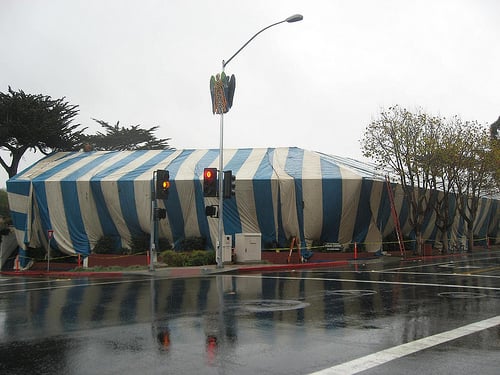
Tenting a house, also referred to as fumigation, is the process of completely covering a house with a sealed nylon tent and then filling it with poisonous gasses, usually sulfuryl fluoride, that eradicates termites. Termites have been one of the most prominent pests that invade homes and can be very hard to terminate. If left untouched, termites can bring down the value of your home and can literally bring down your house.
Over the years, there have been ways developed to effectively kill termites, and fumigation is one of the most effective ways to kill them; however, due to the poisonous gasses, a house that needs to be fumigated should be tented to protect the surroundings. According to most experts, however, this process only works best for those who have drywood termites.
The cost to tent a house depends on the size of the house, the extent of the damage, the company you choose, the complexity of the situation and geographical location.
How much does tenting a house cost?
Before tenting is even considered, you will first need a professional to come out and inspect the property to confirm you have a termite infestation and tenting is the appropriate solution. Since there are so many ways to get rid of a termite, tenting is often the last process a company may choose. Inspections, depending on the size of your home, can cost about $250 to $400 to just have the professional visually look at your home.
Tenting a house, depending on the factors mentioned above, can cost about $1 to $3 per square foot. Most companies will charge by the size of the home. Orkin and Terminix, for example, charge according to the size of the home.
According to TermitesHelp.com, the average cost to tent a home will depend on the structure of the home, the extent of the damage and the duration. They say you should plan on spending anywhere from $2,500 to $4,000 for a 2,500 square foot home.
Ultimate Termite Control says the costs for the average home will be $2,000 to $3,000 for the entire job to be completed.
Factors that affect the price
The size of the home
This often the largest factor that affects the price.
Which type of termite has infested the home?
While tenting is designed for the drywood termite, it can be effective for the subterranean as well.
Travel time
The further the specialist has to travel, the more you’re going to spend in travel fees.
Chemicals
Sulfuryl fluoride can come from different brands (Vikane, Zythor or ProFume), or some companies may use a different type of chemical that can affect the cost.
Tenting a house overview
During the tenting process, the home will be sealed with a nylon tent, joined together with rolled seams using clamps, and fans will be used to circulate the air throughout the home to prevent the termites from escaping. Once the home is secured, a poisonous gas will fill the home, penetrating the wood surfaces to get to the termites living in the home. By sealing these termites, the entire population will be eradicated as long as the home has been sealed efficiently. After about two days or so, the tent will be removed, the house will be aired out and the air will be tested to make sure you can move back into your home again.
What are the extra costs?
Since poisonous gas will be dispersed inside your home, you will need to plan on leaving your home for at least three to seven days before it’s safe to come back home again. If you plan on staying at a hotel, factor in these additional expenses while you’re away from the home.
At these high temperatures, the gas will decompose into a corrosive acid that’s able to eat through the home’s structures and surface, often causing more damage than you intended. Because of this, some unnecessary repairs may pop up that you may have to budget for.
This process isn’t 100 percent effective, especially if the termites are living deep inside the foundation of the home inside the soil. By living in the foundation soil, the termites are basically eradicating themselves from the poisonous gas, effectively remaining safe while the home is tented. The same can be said about prevention as gassing won’t prevent termites from coming back in the future. Once your home is opened again, the colony is free to come back and start their home again once the home has been aired out. This can, unfortunately, lead to more termite treatments in the future.
Tips to know:
Any food, houseplants and/or medicine will need to be removed from the home before it’s tented, or in some circumstances, the professional may provide you with special bags to cover your fragile belongings.
The gas dispersed inside your home usually has no smell, no color and shouldn’t leave any residue.
Tenting a house is just one way to remove or terminate termites from your house and should be used as a last resort. There are other ways to eradicate termites which may be more suitable to your needs and may be cheaper. With that being said, it’s best to get at least three to four opinions before you decide to tent your home.
The gas won’t be able to kill the eggs; however, as long as no adults are present, then the nymphs can’t be fed when they hatch, ultimately causing their death.
Termite tenting dangers
Sulfuryl fluoride is toxic to anyone who breathes it, especially for longer durations and exposure. Since it is odorless and colorless, it can often lead to accidental inhalation, and this is why companies will use a combination of the sulfuryl fluoride and tear gas to create a warning sign to vacate the area, effectively reducing the risk of accidental inhalation. Small doses, however, have no impact on your health.
How can I save money?
When choosing any professional, always get at least three to five quotes before choosing somebody. If you don’t have the time or don’t know where to start, consider using HomeAdvisor.com to receive multiple quotes for free from licensed and reputable buyers in your local area. Simply explain your situation and contractors should be able to message/call you with ballpark estimates.
Check with the company to see if they have any deals currently going on. Some may be able to match a competitor’s price, while someone else may throw in a future inspection for free.
How Much Does a Tent Rental Cost?
Whether you need a tent for a graduation party or a wedding, these temporary structures can provide you the shelter you need in your backyard.
The cost of a tent rental depends on the size of the tent, the inclusions needed, the geographical location and company offering the tent rental.

How much are tent rental prices?
Since there are so many factors, the price can range anywhere from $80 to more than $2,000 per day. The main factor is often the size of the tent and the time of the year. Refer to our chart below to see the average prices we have found with our research online.
JMS Tents, located in the Phoenix area, lists their prices on their official website, along with pictures of the tents available. The 20’x20′ tent with a canopy, for instance, will cost $215 for the day, while the 10’x10′ tent will cost closer to $115. A much larger tent such as the 20’x60′ tent with a canopy can cost $645 for the day and is suitable for up to 130 people.
| Size of Tent | Price Range |
|---|---|
| 20x20 Pole Tent | $150 to $295 |
| 20x30 Pole Tent | $295 to $400 |
| 20x40 Pole Tent | $350 to $550 |
| 20x20 Frame Tent | $250 to $400 |
| 20x40 Frame Tent | $400 to $650 |
| 20x60 Frame Tent | $600 to $850 |
| 30x30 Frame Tent | $500 to $800 |
| 30x45 Frame Tent | $800 to $1,100 |
| 30x60 Frame Tent | $1,200 to $1,500 |
| 30x75 Frame Tent | $1,400 to $1,800 |
| 40x40 Frame Tent | $1,000 to $1,400 |
| 40x60 Frame Tent | $1,400 to $1,800 |
| 40x80 Frame Tent | $1,900 to $2,400 |
| 10x10 Festival Tent | $95 to $150 |
| 10x20 Festival Tent | $160 to $300 |
| 20x20 Festival Tent | $200 to $350 |
| 20x30 Festival Tent | $250 to $450 |
NOTE: Pole tents usually won’t have sides installed, while a frame tent will. Festival tents are similar to a pole tent but tend to be a tad smaller.
Tent rental overview
The quotes mentioned above should include the complete setup of the tent, accessories, tables, chairs and complete teardown. Any reputable company should explain exactly what you’re getting with your payment ahead of time. Before you assume, however, there are a few things to keep in mind. Ask about the labor, how long you can keep the tent, if the tent requires a permit, if it’s weatherproof, if delivery fees apply and if the size will be suitable for your party.
Tents can come in a variety of styles, qualities, and types. Whether it’s an elegant pure white tent for a wedding to a party tent with a myriad of colors for a graduation party, most of your reputable companies that rent out tents will have a few to choose from. At a minimum, your average pole type tent will have a center pole with poles on each corner, but a frame tent will have no poles inside the tent and can offer more in terms of square footage. Generally, the tent will need a five-foot perimeter, at a minimum, for staking purposes, and the smaller the tent is, the fewer stakes it will need.
What are the extra costs?
Many tent rental companies will charge extra for additional tables and chairs. These can either be set up by the company or can just be dropped off in a driveway. Tables, depending on the size, can cost $9 to $15 each, while chairs can cost $1.50 to $7 each, depending on the style and type. For instance, a basic folding white chair could cost $2 each, whereas a cushioned seat could cost closer to $7.
Tent lighting, if needed, can cost $1 per foot for string lights to $75 to $150 per chandelier. Some companies may also be able to offer paper lanterns, bistro-type lighting, mini LED lights and/or decorative pole lighting.
A heater for the colder months can cost an additional $100 to $300 depending on the amount of power required. A 170,000 BTU, for instance, charges $175, while an 80,000 BTU can be $95.
Tent sides can cost anywhere from $1 to $4 per foot, depending on the size and the style.
Tent liners are often $0.50 to $1 per foot.
A portable stage could cost $30 to $50 each, depending on the size.
If a dance floor was required, it could cost about $30 to $40 per four-by-four foot plank.
Carpet and/or hardwood flooring can be added to the tent’s floor for an additional fee, usually about $0.65 to $1 per square foot.
If you have a caterer, they may require you to supply them with a tent as well, which can be considered another expense.
Tips to know:
As a general rule of thumb, have five to 10 square feet of space for every person. If it’s a buffet dinner, then it should be up to 15 square feet per person. WomanGettingMarried.com says if you want to accommodate up to 100 guests, then you should need a 30×60 pole tent, but if you need to accommodate close to 200 guests, then it’s best to consider a 40×80 pole tent.
How can I save money?
Chances are there will be quite a few tent rental companies in your area. Some may list the prices on their official website, while others may offer a quote over the phone. Try your best to get at least three quotes before deciding on a company. If you don’t know where to go, consider asking your caterer if you plan on working with them as they may have a nice referral.
While a liner can make a tent look a lot nicer, consider skipping it and going with a pole tent to create that “drape” look.
Flooring is often unnecessary for the tent, so focus on the dance floor area only to save.
Heating and air conditioners will be an expensive cost to consider, and if you absolutely need one or the other, highly consider fans in the summer or rethink the heater in the winter. Ask your tent rental company if they really think you need climate control for your ten.
How Much Does a Service Dog Cost?
Service dogs are types of assistance dogs that are trained to help people with disabilities, specifically those who have a visual and hearing impairment, but a well-trained service dog can also help with autism, moving around, PTSD, anxiety, seizures, and even diabetes. The cost of a service dog will depend on the organization that offered the training, the type of training the dog received and geographical location.

How much does a service dog cost?
The price range for a service dog can be anywhere from $3,000 to train it personally to as much as $35,000,+ if you were to use a popular organization. There are many ways you can obtain a service dog: either by training the dog on your own with or without a trainer’s assistance; by sending your dog to an approved training facility; or obtaining the dog through a program or private trainer.
If you were to adopt a dog through a program, for example, you will more than likely have to pay an application fee, a registration fee, a training fee to reimburse the organization and the dog itself. This, on average, could bring the total of a trained service dog to about $5,000 to $8,000. A private trainer, if you were to choose one, could be up to 50 percent more than this.
For instance, Psych Dog Partners said the costs can widely vary depending on the training. A rescued adult from an animal shelter with two years of private training could cost $5,200, whereas a puppy purchased through a service dog breeder could be in the similar price range. In their experience, the doctor had found that the price of the purchased puppy incurred $3,000 in vet bills, which cut the dog’s lifespan short. The key, as explained by them, was to find a dog that will succeed as a service dog and saving money for a few months to afford a quality dog will be worth it.
Autism Service Dogs of America, according to its official website, charges $13,500 for every approved family. The full costs to breed, raise and train is well over $20,000. PAWS With a Cause, another rescue, offers its service dogs for a fee but states it can cost up to $30,000 to cover the cost of care, training and support.
If you were to bring an approved dog to a training facility to have your dog personally trained, so many factors could be in play such as the dog’s age, its history, temperament, your commitment level, the professional training the dog and if you qualify for any subsidies. To budget, plan on spending $135 to $200 per group class, often totaling more than $4,000 to $6,500; again, depending on the training factors. The length of the training will depend on the age of the dog, its skill level and how involved the owner is. To budget, plan on spending at least one year to train a dog successfully.
Service dog overview
A service dog, often referred to as an assistance dog, will be able to help people with physical, neurological and psychological disabilities to help them perform everyday tasks, increasing their daily quality of life. Depending on the specialty, they perform a lot of functions, ranging from helping someone who is hearing impaired hear the phone to helping those who suffer from stress, trauma or a traumatic brain injury. Each service dog, no matter who you adopt through, should be individually trained to meet the needs of the owner.
The three most common types of service dogs you will see on the market will include a guide dog, hearing dog and service dog. A guide dog, also known as a seeing eye dog, will help guide the blind or those who are partially blind. These dogs are able to get around obstacles and help those who are hard of seeing live an easier lifestyle. A hearing dog, also known as a signal dog to some, can alert its owner anytime an imporant sound is heard such as the phone or doorbell. Lastly, a service dog is a dog trained to help those who need help with disabilities other than seeing or hearing. For example, they could help someone move around who have a hard time being mobile or be a medical alert for someone who has diabetes.
What are the extra costs?
A service dog will be just like any other pet dog. Shore Service Dogs, Inc. says you should be prepared to spend $1,600 per year on the lower end for food, supplies and routine veterinary care.
As noted above, most agencies will always charge an application fee, usually around $50 to $500 or more.
Reputable organizations often mandate training sessions to learn how to work with your dog. If these sessions were outside your area, then you should be prepared to spend money for lodging and transportation.
Tips to know:
If you have an organization in mind, be sure to see if they have a wait list as many top organizations have waiting lists longer than five years.
How can I save money?
Some state agencies and/or local civic organizations may have scholarships available to those who qualify. These scholarships, just like a college scholarship, could drastically decrease your investment.
A lot of the most popular organizations in the United States offer their dogs for a price that’s much lower than what they put into it investment-wise. This can be done due to the donations many of these organizations receive. If you feel you qualify or even want to know more about the company and how it works, research a few charities/organizations in your area to receive more information since all work in different ways.
Training your own dog, if it qualifies, can sometimes be cheaper than using the organization’s dog. However, keep in mind that some organizations prefer to breed and train their own dogs and won’t accept outside dogs. Paws Training Centers has a helpful PDF showing you which dog breeds they recommend.
Some costs could be deducted when you train, purchase the dog and take care of it. Talk with a tax professional for more information.
How Much Does a Teacup Yorkie Cost?
As the name implies, the Teacup Yorkie is smaller than the already small terrier breed — the Yorkshire Terrier. Originally known as the Broken-Haired Scotch Terrier, this breed was one of the first Yorkie teacup breeds and often be referred to as the Micro, Mini, Tiny or Miniature Yorkies on the market. Weighing four pounds or less, it’s not uncommon to see its owner carrying one around in a purse. According to research, the ancestors are unknown at this time due to the insufficient information left by the originating breeders.
The typical cost for teacup Yorkie usually depends on the seller, the age, quality, its parents and geographical location.

How much does a Teacup Yorkie cost?
The average cost of a Teacup Yorkie can range anywhere from $300 to as much as $3,000+. Most adoptions, however, will be within the $500 to $1,000 price range. Due to the rarity of these dogs, it is not uncommon to see dogs cost more than $3,000. As a benchmark, plan on spending about $1,500 to $2,500 if the dog has bloodline documentation. If the dog were to come from an elite bloodline, then this is when the price can be $3,000+. On the other hand, if the dog doesn’t have bloodline documentation, then the dog could in that $300 to $1,000 range. Without this paperwork, it can be hard to distinguish since you won’t know the dog’s lineage or history. It’s also hard to determine if the dog is prone to an illness.
YorkiePassion.com says a purebred Yorkie with AKC registration can drastically increase the price, but if you were to find a licensed AKC breeder, the costs will be in the $1,200 to $1,500 range. A quality pup, on the other hand, without any sort of paperwork, should be in the $300 to $800 range. The most elite champion-lined breed, while rare, could get close to $10,000, according to the website.
Factors that affect the cost
The bloodline
The heritage of the Yorkie will be the number one deciding factor when it comes to the pricing. Breeders who often breed champion bloodline Teacup Yorkies may have a waiting list for up to a year, and some, in fact, will travel hundreds of miles, to breed their dog. AKC champions, if bred with one another, can often produce a litter worth $5,000 each.
Gender
According to our research, females, on average, can cost about 30 percent more than males. Why? This is because the females are often more in demand since some adoptees want to breed if given the option to. Keep in mind that some breeders may require you neuter/spay upon adopting or may charge an additional fee if you want to have breeding rights.
The coat
With any dog breed, the coat’s color can affect the pricing. In the Teacup Yorkie world, the four combinations, as explained below, are accepted by the AKC. If the coat is glossy, fine, silky and meets the AKC’s standard, then the price will be higher than a breed that doesn’t.
The size
Although the AKC says the Teacup should be in the four to seven-pound range, some breeders often try to sell even smaller Yorkies, which command a higher price tag.
What is going to be included in the adoption fee?
Reputable breeders should include a health checkup from a licensed veterinarian, a health guarantee, up-to-date vaccinations and any registration papers. Other breeders may include the microchipping, a spay/neuter and a travel crate if being shipped.
What are the extra costs?
If purchasing the dog out of state, the breeder may ship the dog either via an airline by car. If shipping via the air, the costs can be anywhere between $200 to $400, but if shipped on the road, the breeder may do the shipping on their own or may outsource it to a licensed third party.
Like any animal, recurring costs such as food, accessories, shelter and vet visits need to be considered. The average dog owner pays $800 to $1,200 per year for a healthy dog. If your dog were to need an unexpected vet visit, the costs could be much higher.
Due to its small size, clothes are recommended when the temperatures drop below 68 degrees Fahrenheit. Also, if the ground is colder, it’s wise to put booties on their feet as well.
Tips to know
As long as taken care of properly, the average lifespan of a Teacup Yorkie is 12 to 16 years. However, if it were to acquire a popular health problem such as collapsing trachea or hypoglycemia, then it can significantly reduce its lifespan.
A full-grown Teacup Yorkie can measure eight to nine inches tall, according to the AKC height standards. A Teacup, unlike a standard Yorkshire, will weigh up to four pounds.
As for colors, the AKC only recognizes four colors: blue and tan, black and tan, gold and black and blue and golf. If it’s particolored, it can still be AKC accepted. Blue will commonly be the most dominant color, and as the dog grows old, its coat may change colors once they mature.
Like any other Yorkie, the teacup is prone to many health problems, including a collapsing trachea, ligament injuries, hypoglycemia, patellar luxation and sensitivity to temperature changes.
Its character and temperament can vary from one dog to another but plan on your Teacup being playful, charming, smart and always full of energy. It’s also known to not know its own size, often causing trouble with larger animals or even people.
If you’re adopting a Teacup Yorkie without any registration papers, then it’s so important you do your homework ahead of time. This means looking into their licensure, their history, and reviews online. Adopting a dog without any papers can be very risky since you don’t know about the parent’s history, which, in turn, can lead to very expensive vet bills if your dog were to come down with an inherited disease.
While a smaller dog may seem like a wonderful idea for your children, it can often backfire due to the Terrier’s fragile size. If your child is rather rambunctious or doesn’t know how to handle pets properly, then it may be ideal to keep one away from children.
Due to the size of the bladder, this breed can often have more accidents when compared to other breeds.
How can I save money?
Consider adopting at a local rescue group or shelter. You may be able to even find on at local adoption events that are often held at Petsmart and the like. While you may not be able to find a Teacup, you may be able to find another dog that you may quickly fall in love with. Adopting is a wonderful way to support your local shelters and offer a pet a loving home — something all pets in shelters are in desperate need of.
While a dog less than $200 may seem like a bargain, it often isn’t since it can either be a scam or the dog may have a number of health issues.
How Much Does Teeth Whitening Cost?
| Save up to 60% off with discounted dental plans. Get your quote now >> |
Even if you floss and brush daily, it doesn’t mean your smile is going to sparkle 24/7. If you’re noticing a slight discoloration or are simply unhappy with the color of your smile, then you may be considering a teeth whitening procedure. Teeth whitening, often referred to as bleaching, is a procedure done to simply whiten your smile.
The price for teeth whitening depends on the type of procedure that will be performed, the dentist and geographical location.

How much does teeth whitening cost?
A visit to the dentist to whiten the teeth usually costs anywhere from $25 for an at-home whitening product to as much as $1,000 at the local dentist office. However, according to our research, we have found that the average dentist in the United States charges an average of $450 to $700 for a two-hour professional session.
Take home customized kits that can’t be purchased over the counter can cost $150 to $400, depending on the brand.
At-home kits that can be used in the comfort of your own home can cost anywhere from $15 to $150. These kits will need to be used for 15 to 30 days consecutively, and most of the at-jome kits will include tiny white strips that need to be applied to the teeth for up to 15 minutes. For example, the popular Crest 3D White Whitestrips retails for $25 to $55 for a box of 28.
Your Dentistry Guide says, on average, it can cost about $650, when compared to $400 for take-home trays or less than $100 for over-the-counter bleaching trays.
Animated Teeth says the price estimate for a bleaching session will be about $390 to $920, and this fee will usually include your upper and lower teeth.
At Aspen Dental, a popular dentist chain, their teeth whitening procedures, according to our research, cost close to $500; however, we were able to find a Groupon for $179 for a Zoom! whitening special. Western Dental, another popular chain, had similar offerings, but we were able to find a Groupon for as little as $139.
| Type of Teeth Whitening Procedure | Average Price |
|---|---|
| Whitening Toothpaste or Mouthwash | $3 to $5 |
| Whitening Pen | $20 to $35 per pen |
| Retail At Home Kits | $25 to $45 for 30-day supply |
| Laser Whitening | $200 to $300 per visit (will need four visits to see desirable results) |
| ZOOM | $250 to $750 per session, depending on system and needs. Average patient may need three sessions. |
| Bleaching Tray Teeth Whitening + Gel Syringes | $300 to $950 |
| DaVinci Teeth Whitening | $350 to $500 |
| BriteSmile | $400 to $650 |
| Opalescence Boost | $450 to $600 |
| Sapphire Professional by Den-Mat Holding | $450 to $600 |
| KoR | $550 to $750 |
The types of teeth whitening procedures
At-home kits
At-home kits can produce great results over the long run if used properly. At-home kits will often be easy to use: You simply apply the gel strips to the teeth and allow the strip to sit there for about 10 to 15 minutes. These products often use peroxide, which actually bleaches the tooth enamel, and according to Dr. Arocha, this mixture can come in several concentrations. At-home kits are typically designed to be used for two weeks.
Dentist office
If done at a dentist office, it can be done in a variety of ways. A bleaching agent, for example, will contain a much higher concentration of peroxide than found in most whitening gels. During this procedure, the belching gel will be applied to the teeth, while the gums are protected with a gel. Depending on this procedure, a laser may be used to activate the bleaching gel to increase the brightness of the teeth. This type of procedure, for example, would take about 30 to 60 minutes, depending on the amount of staining. If the staining is extreme, then the dentist may ask you to come back for a follow-up appointment for additional sessions. The two most common procedures you will find at most dentist offices will include ZOOM and LUMIBRITE.
BriteSmile
BriteSmile, a common name seen in dentist offices, will be a single one-hour operation that can make your teeth close to nine times brighter, with results lasting up to four years.
ZOOM
ZOOM, another popular brand, like BriteSmile, is an in-office procedure that uses a light-activated whitening gel. This treatment commonly requires three 15-minute sessions, and according to ZOOM, it can make the teeth eight times lighter. To help maintain your color, you will be given a home-use touch-up kit with custom-fitted trays. The product is composed of 25 percent hydrogen peroxide, which is 10 percent more than BriteSmile.
Sapphire Professional by Den-Mat Holding
The Sapphire Professional by Den-Mat Holding combines 25 percent hydrogen peroxide with a desensitizing enhancer. When these two ingredients are mixed and painted onto your teeth, a light, known as the Whitening Crystal, will be positioned in front of the teeth for about 30 minutes. After, the gel and desensitizer will be removed, and if necessary, your teeth may be bleached for another 30 minutes.
Tray
Another option is the tray tooth whitening procedure. During this procedure, the dentist will take impressions of your teeth and will create a plaster case to create a flexible plastic tray. Once the tray is created, you will simply place the trays over your teeth over the course of two weeks for a few hours per day.
Laser
Laser teeth whitening, in general, won’t do the whitening itself, but rather, it will heat up the paste to quicken the oxidation process, according to Smile Brilliant. Laser sessions can last 15 minutes two hours and patients often need up to four sessions to see desirable results.
Opalescence Boost
Opalescence Boost, a bleaching gel, will not use a light activator and is a 38 percent solution of hydrogen peroxide that also has a patented component known as PF, a mix of potassium nitrate and fluoride. This process can take up to two hours to complete.
Whitening toothpaste
The simplest option, a whitening toothpaste and/or mouthwash, will help remove any stains on the tooth’s surface as you brush your teeth. These whiteners will be the gentlest option and work by polishing instead of using harsh chemicals. However, due to no chemicals, the teeth may not become as light as you want them to be.
What are the extra costs?
The effects of whitening and/or bleaching can last more than six months if done properly; however, it won’t last forever. Becuase of this, you may want to plan to visit the dentist again or repurchase an at-home kit to keep your teeth looking white. Some dentists may require you use an at-home whitener at home to keep the teeth lighter.
Tips to know:
In most cases, only one in-office session will be required; however, if you’re not satisfied with the initial results, then you may need two to three more sessions, on average. In some cases, it could take three sessions to see a “maximum whiteness” effect.
The ADA recommends having a dentist check your teeth before you consider any whitening procedure. A dentist should clean the outer teeth surface before the product is applied to make sure the agent penetrates enough of the surface to become effective.
The term “bleaching” often refers to when the teeth are whitened beyond the natural color and will use bleach, typically carbamide peroxide or hydrogen peroxide. The term “whitening,” on the other hand, will refer to removing the dirt, stains and debris on the surface of the teeth.
Make sure that you follow the dentist’s orders. For instance, there are certain foods and drinks that can make the color of the teeth darken, which can lessen the effect of the teeth whitening procedure.
Regular brushing with a whitening toothpaste can help the effects of teeth whitening last longer.
Avoid mall kiosks and teeth whitening pens and these tend to be massive scams. What you will find with kiosks is that the people running them have no medical experience at all.
Teeth often become discolored due to the following reasons: aging, genetics, injuries, illness, medicine and tobacco use.
Teeth with certain stains may not respond well to treatment, sometimes even causing your teeth to become darker.
Before you pay, see how many teeth will be whitened. You may find it’s limited to the front six or eight, not the whole mouth.
How can I save money?
Consider using an at-home kit before talking with a dentist as many at-home kits can do just as good of a job if done properly.
Groupon often has coupons available to have your teeth whitened. Before choosing this option, however, make sure the process and dentist/professional offering is reputable.
Some dentists may offer free teeth whitening to new customers; however, be sure to read the fine print as this could be one of the cheaper options available, not offering the results you think you’re going to receive.


