
How Much Does Cataract Surgery Cost?
Cataract surgery is the process of removing the natural lens of the eye that has developed an opacification, also known as a cataract. When the cataract is removed, a new lens will be placed inside the eye, allowing someone to see great again.
During this surgical procedure, the eye’s’ natural lens is replaced with a synthetic lens to retain the lens’ transparency. The surgery is performed by an ophthalmologist and can either be performed in an ambulatory or surgical center, with little to no discomfort.

How much is the cost of cataract surgery?
On average, the physician services, facility services, the type of replacement lens and anesthesia services can cost anywhere from $3,000 to $5,500 per eye without health insurance. A premium eye lens is going to cost more than a standard lens, costing upwards of $750 to $1,500 extra per eye.
Lasik Surgery News said as of late, laser cataract surgery has been approved for usage in the United States, and this procedure can be a bit more than standard surgery. This procedure can cost about $872 per eye, according to the website.
AllAboutVision.com claims that the surgery, without insurance, averages about $4,461.47, while those with Medicare and insurance can expect to pay anywhere from $528 to $947. The website also notes implanting a standard monofocal IOL during the surgery will be considered the standard of care and will be covered.
DocShop.com says premium cataract surgery can cost an additional $500 to $5,000 per eye, and qualified patients should expect some sort of customized visual result.
Factors that affect the price:
The reputation and skill of the surgeon.
The geographical location where the surgery will be performed.
The type of lens. As noted below in our table, there are different lens available on the market.
What will be included in hospital’s/outpatient center’s billing? Some doctors will include the pre-op and follow-up visits while other doctors won’t cover. The same can be said about anesthesia. This is why it’s important to know what’s going to be covered when getting an estimate.
If the insurance provider is going to cover any parts of the surgery.
Cataract surgery overview
During the procedure, a slight incision will be made on the side of the cornea. Inserting a tiny instrument, the ultrasound will break up the center of the cloudy lens, suctioning everything out. After the cloudy lens has been removed, it will be replaced by what’s known as an intraocular lens, made of a material such as silicone or plastic. The procedure is usually an outpatient procedure and most patients can go home the same day. The procedure takes about 10 minutes to perform, and after the sugery, the patient will be asked to rest in a recovery area for up to 60 minutes.
Types of cataract surgery available
Accommodating: Works just like most natural lenses as it can increase focus and increase the clarity.
Aspheric: Providing the most advanced contrast sensitivity, images will appear clearer.
Laser-assisted: With this advanced procedure, a femtosecond laser will be performed where manual surgical tools are usually used. Adding a higher degree of precision, laser surgery can reduce the stress on the retina and delicate tissues of the eye. This procedure is usually done when a premium IOL is implanted.
Monofocal: This is a higher-quality lens that’s able to deliver great vision at only one distance.
Monovision: This technique will use a monofocal lens with a different power in each eye so the patient doesn’t have to use glasses for daily use. With this procedure, the dominant eye is usually set for distance, while the other is set for near.
Multifocal: Designed to reduce your needs for eyeglasses and can be used for both near and distance vision. This lens offers a clear vision at several distances, and since it’s considered a special lens, it may not be covered by insurance.
Toric: Will enhance the image quality at a single distance and is designed to correct astigmatism.
What are the extra costs?
Anesthesia may be billed separately and can cost $300 to $800.
Some doctors may want to run an EKG to determine the heart’s health before undergoing this procedure.
Eye exams may be necessary ahead of time as well to gather exact measurements on what needs to be done.
If astigmatism needs to be corrected, most doctors will recommend adding at least $300 per eye to fix this problem.
A hospital setting is going to cost more than a local facility. Overnight stays at a local hospital can be upwards of $1,000 a night.
Medications will be prescribed after the surgery is complete. This may or may not be included in the overall price of the surgery package.
Follow-up visits will be required after the surgery is performed to ensure that the healing process is going according to plan.
After some surgeries, depending on the type of lens, prescription or reading glasses will still be needed in the future.
Risks involved:
Infections
Bleeding that occurs inside of the eye
Retina and/or cornea swelling
Detachment of retina
How can I save money?
Check with your insurance company to see what will be covered. Be sure to ask about copays, the deductible and if you need to go to a preferred provider. For those without insurance, consider insurance comparison services such as eHealthInsurance.
Does medicare cover cataract surgery? There are instances where Medicare will cover this type of procedure, and Medicare will usually pay up to 80 percent of the “Medicare Allowed” charges, and more than likely, you will be responsible for that additional 20 percent. It will only cover the procedure if you have a chronic eye condition that needs to be fixed such as cataracts or glaucoma. However, if you choose a premium lens option, you will be responsible for this as Medicare usually doesn’t cover a premium intraocular lens. medicareinteractive.org says Medicare will cover the surgery if you replace your eye’s lens with a man-made intraocular lens.
Some offices may offer a cash discount if you were to pay the bill in full.
For those looking for free cataract surgery, clinics and charities may have options in your local area if you qualify. Mission Cataract USA, for example, offers the surgery for free to those who have no means to pay.
How Much Does a Party Bus Cost?
A party bus can be rented and used as a “club on the go” for a party of any kind such as a wedding, concert, night on the town, prom or special occasion. These party buses can hold up to 50 or more people, and similar to a limousine, it can take you to a destination or simply drive you around town.

How much does a party bus cost?
On average, a party bus rental is going to range anywhere from $75 to $300 per hour. With most companies asking for a four-hour minimum, the costs will often be between $300 to more than $1,200 for a four-hour trip. The cost of a party bus will depend on the type of bus, the number of people, the date being booked, the amount of time, the accommodations and company offering the services.
For example, RideMyPartyBus.com, a company we found online, offers their bus as a party venue for $125 to $150 per hour. They can accommodate weddings, proms, and other special occasions, according to the official website.
Another company — BongoBus.com — charge an hourly rate, which can cost anywhere from $100 to $200 per hour, and they do not have an hourly minimum as they can pick up and drop off guests.
A double-decker party bus, while hard to find, can be rented as well. These buses, depending on the number of passengers on board, can cost anywhere from $75 to $325 per hour.
| Amount of Passengers | Hourly Rate |
|---|---|
| 10 | $125 to $150 |
| 20 | $135 to $170 |
| 25 | $150 to $180 |
| 30 | $180 to $220 |
| 35 | $215 to $245 |
| 40 | $235 to $270 |
| 45 | $275 to $310 |
| 50 | $300 to $350+ |
Party bus overview
Companies can either drive on a designated route or can drive to a destination of your choice, similar to a taxi. Most party bus rides last anywhere from four to seven hours.
Most party buses can hold 20 to more than 100 passengers, and depending on the company policy, most allow you to bring alcohol on board; however, they won’t be able to provide it if the local laws don’t allow. These buses, depending on the company, will feature flat-panel televisions, music systems that play your music, dance poles and a “club” feel. For example, ATX Party Bus offers laser lights, televisions, dance poles and a multi-speaker sound system. Basic “party” buses may include the seating only and are designed to transfer a larger party from one destination to another. Silverfox Limos, on the other hand, has a six-color lighting system and a karaoke machine that features over 7,100 songs.
A deposit of $150 to $200 will be required in order to secure your spot. This deposit will be tied to your final price once finalized.
What are the extra costs?
Gratuity is generally not included and most drivers will expect a 10 to 20 percent tip. Some companies may include a base tip, depending on the policy.
A cleaning fee, if someone were to get sick on the bus, could apply. A cleaning fee often can cost $75 to $150, depending on the damage done.
Mileage surcharges may apply to some companies if you travel 25 miles outside their radius. This can often be anywhere from $1 to $3 per mile, depending on how far the bus has to travel.
Tips to know
For your own safety, always make sure the company you hire is registered, insured and licensed. If the company can prove their credentials, then it’s best to choose someone else. Also, check the DOT database to see if the carrier is authorized to operate.
How can I save money?
Considering reserving a bus during the slower months or days. Weekdays and the colder months are going to be a lot cheaper than the warmer months and weekends. Friday and Saturday nights after 5 p.m. tend to be the most expensive option.
Check official company websites for coupons or any sort of promotions. Since this is a rather competitive field, it isn’t hard to find a deal with a reputable company.
Don’t just focus on the price since you really want to compare apples to apples. If one company is $30 per hour cheaper but doesn’t offer any televisions, is it worth $30 per hour more for this amenity? When comparing prices, always make sure you’re comparing what you get with the cost as well.
Some companies may have a day rate option that’s good for about 10 to 12 hours of drive time. This option can be cheaper if you need the bus for the entire day.
How Much Does a Rat Exterminator Cost?
| Need a pro near you? Get multiple quotes for free online. Get your quote now >> |
A rat exterminator is a professional who helps you get rid of any rat infestation, large or small, and prevents these pests from coming back in the future.
Rats and mice, as you can imagine, can do a lot of damage to any building where they nest. These nests do not need a lot of room, and once built, the rodents can spread quickly. Rats tend to bite wires as well as bite their way through walls, and getting rid of them on your own can very difficult and a lot of work.

How much does a rat exterminator cost?
Most exterminator companies will charge an initial consultation fee that can range anywhere from $55 to $175. During this time, the expert is going to go through your home and try to find any trouble areas. Upon inspection, they are going to recommend any products that you may need and discuss what they can do for you. During the consultation process, the company will be able to give you an estimate.
On average, rat removal can vary anywhere from $250 to as much as $900, depending on the size of the job. Most jobs, however, are going to cost between $300 and $500. The cost of a professional rat exterminator is going to vary depending on the number of rats, the number of areas that need to be patched, the complexity of the situation, the geographical location, the size of your home, the professional performing the job and if any cleanup/repairs are needed once the job is done.
Traps that can be purchased by the homeowner can cost anywhere from $15 to as much as $55 or more for a sophisticated package. For example, the Agri Zap RZU001 retails for $47 to $62.
According to the website Attic-Rat.com, they claim that costs are going to vary by each company but expect to pay less than $300. Also, keep in mind that you will need more than one visit to make sure the rats are removed for good.
Factors that affect the price
How severe is the infestation? If it’s severe, it can require different types of traps when compared to a minor invasion.
Any rat proofing needed? Most exterminators will want to seal the entry points after the trapping to make sure these rats don’t come back. Rat proofing can be an additional $50 to $500, depending on the area that needs to be sealed.
What kind of waste disposal? Rats love to hide, especially in larger piles of debris. If you want to keep these rats from coming back, professionals will highly recommend you remove any debris on the property to deter the rats from coming back.
Where is the nest? Inside nests may be more due to the breaking apart walls to get to them.
How many visits? Some owners may only need one visit, whereas others may need preventative visits to make sure the infestation has gone away.
Rat exterminator overview
With a professional consultation, the extermination company will be able to diagnose and pinpoint the exact breeding grounds in your home. This will include inspecting the structures, determining which action should take place, how much of the area needs to be treated and a cost estimate. Once hired, they will use various methods, as explained below, and will visit the home multiple times throughout the week to see if the locations are trapping the rats. They should, depending on what’s included, will seal any entry points where the rats are entering. Legitimate companies will work until the job is done.
The most common types of rat removal methods include trapping, rodenticides, and anticoagulants. Trapping is just as what it seems — using a trap with bait or no bait to kill the rats quickly and directly. These traps will be used depending on the species. Rodenticides will be poison and will kill the rat after ingesting in. While it won’t kill the rat instantly, most experts don’t like using poison since it allows the rat to go back to their confined area, dying inside. It’s also harmful to both pets and children. Lastly, anti-coagulants will cause internal hemorrhaging, but some species have been found to be resistant to it.
Some extermination companies, once they determine the rats are gone, will be able to patch any holes in the drywall, the home, as well as re-work electrical wires and any other cosmetic problem that need to be fixed.
A rat exterminator can be hired through a local professional or famous companies such as Terminix, Orkin, Bioguard, Presto-X or Truly Nolen.
What are the extra costs?
Excess damages and repairs may be necessary after the complete job is done. This could include patching drywall or repairing wires.
How can I save money?
If you want to do the job yourself, consider purchasing the traps in bulk to save money and simply laying them around the home to see if the infestation subsides. Simple live traps will cost about $2, while jaw and snap traps can cost $2 to $5. Bait stations, depending on the capacity, can cost about $5 to $7. However, as AAA Animal Control notes, you should do it right the first time to ensure the nightmare doesn’t continue.
Always get at least three quotes before deciding on a professional. Home Advisor, for example, lets you explain your situation and multiple contractors will send you an estimate based on your job. This is a great way to get highly rated reviewed contractors in your area without having to do all the homework to find them. When choosing one, always confirm they licensed and insured experts.
Those who live in an apartment complex may find the apartment owners, if reputable, will try to help find a solution.
How Much Does Radon Mitigation Cost?
Radon is an odorless gas that is released by the soil, and it is ideal to have your home tested every year to ensure the home is radon free. If a home has radon present in it, a professional system will need to be installed to make sure the radon is cleared. Commonly found in both new and older homes in every state, removal techniques can range from naturally venting the home to depressurizing techniques.
The cost of radon mitigation will depend on the house size, the amount of radon present, the technique being used, the geographical location and company performing the job.

How much does a radon mitigation system cost?
To test for radon in your home, many kits are available both in stores, such as Home Depot, and online and can cost anywhere from $13 to $30. For example, the First Alert RD1 Radon Gas Test Kit costs $13 to $23. Based on a 1-10 scale, anything under 4pCi/L is deemed “standard” according to the EPA, and almost all homes in the United States will be in the .5 and 1.5 pCi/L range. If that number surpasses four, mitigation will be necessary to ensure the radon is free from the home.
General testing via a professional can be $125 to $200, depending on the home and geographical location.
On average, a radon system installed by a professional can cost anywhere from $650 to $2,200. This will depend on the factors mentioned above. Homes will a crawl space, no gravel underneath the slab or a completely finished basement could cost more. On the other hand, a new home with passive piping installed could be less.
A cheaper method, such as sealing and patching the foundation cracks, can be done, but most experts are highly against it as it doesn’t work as effective as the other methods. This simple solution will patch any visible cracks in the foundation and can cost as little as $100 to $500+, depending on large the foundation is.
Radon system options
Depressurization
There are two common types of depressurization methods: active and passive. The active method is the most common and effective and using one or more airtight suction vent pipes installed in the soil beneath the home’s surface. These pipes will either vent up the home, go underneath the slab or along the exterior wall. Each pipe will have a fan installed, and this is designed to create a vacuum that’s able to draw the radon from the soil, throughout these pipes, and out the outdoor opening, usually at the top of the home like an attic. A passive system will use a “natural” air flow instead of installing suction fans. An active method could cost about $1 to $1.25 per the home’s square footage, while the passive method will be about 20 percent less.
Drain tile suction
Homes with drain tiles may be able to use localized systems to suction directly to the tile, effective blowing the radon away from the house to the outside. If drain tiles are present, no drilling won’t be required underneath the foundation and is one of the cheapest options to install. Most homes will cost $500 to $1,200 depending on the home size.
Heat recovery
A heat recovery system, also known as a heat exchanger, is a device that increases the indoor ventilation by drawing the outside air inside and removing the inside air with external vents. These systems will work best in smaller areas with limited airflow such as a basement. This system can cost $500 to $1,000.
Radon mitigation system overview
At-home kits will test short-term radon levels, and most kits will require you to send them back to a lab for analysis after the testing has been done. These tests will be accurate enough to indicate levels and if action should be taken. The average radon testing time is anywhere from three to four days for a short-term test.
Most systems will work with pressurized fans or similar devices to create a vacuum that’s designed to trap the radon gas, as mentioned in most of the methods mentioned above. Through this process, the gas is removed and leaks will be sealed, which uses fans, connected to parts, to blow air from the lowest part of the home to the highest point, usually the upstairs. These fans will run continuously to draw gas away from the home.
If a sump pump is present in the home, it may need to be sealed and a suction system will be created to prevent air from coming up from the base. This seal will clear and the entire shell will be sealed tightly to handle all weight loads.
Any drain pipes, which usually go directly into the soil, will have air traps to prevent air from coming in.
If a home has a crawl space, it won’t have a slab underneath, which means the gas can come from the soil into the living space above. Due to this, the costs can be more because of the work involved. With this process, the crawl space will have to be encapsulated and a thick plastic barrier will need to be added to prevent the gas from rising from the soil. If the home has a concrete slab instead of a crawl space, the gravel beneath the slab will need a depressurization vent to allow the gas to naturally leave the slab.
Like a crawl space, a finished basement can involve more work since pipe extensions and jumpers may have to be installed in the walls, which can potentially damage the finished area. These jumpers and extensions will be installed in connection to keeping the vacuum strong enough to vent the inside/outside air.
What are the extra costs?
The EPA will recommend that a home with radon present in the past be retested every one to two years. A professional can give a professional reading for anywhere from $150 to $300, or as mentioned above, an at-home kit should be less than $40.
Some systems may add an additional $10 to $20 to your overall electric bill each month.
If there is well water present on the property, the water well will have to be tested as well. This can come at an additional expense.
Even with a system or a home with low-level readings, a test is still recommended annually.
Systems with a fan will need to be replaced every five years and can cost around $250.
Tips to know
Radon gas is odorless and will be naked to the eye. Naturally occurring deep within the soil, this gas is formed by the natural decay of uranium in rock and the soil deep in the earth.
Even if your neighbor had a low result, it doesn’t mean your home will. Radon levels will vary greatly from home to home, even if a few feet apart. The results will all depend on the geology surrounding your home and the material your home is made from.
The EPA claims as many as 1 in 15 homes are affected by dangers levels of radon.
Radontechnologies.com says the best time to check for radon will be in the winter or summer months when either the heating or cooling systems are running.
If purchasing a home where radon is known to be present, ask the seller if they are willing to get a professional radon test, preferably by a qualified inspector. Most sellers will be more than happy to oblige.
According to the National Institutes of Heath, the long-term effectiveness of radon mitigation is not well known, since few states regulate or confirm post-mitigation results. However, during the study, 140 homes were randomly selected in Minnesota and the findings found 97 percent of the homes had concentrations below the EPA action level.
How can I save money?
The EPA website offers many discounts and coupons on their website. Check your local area to see if there are any deals of which you can take advantage.
While it isn’t a permanent solution, experts recommend at least keeping the windows open to allow fresh air to naturally come in. This natural air can reduce the levels, but again, it should only be used as a temporary solution.
When choosing any professional, always get at least three to five quotes before choosing one. Always make sure they licensed, insured and bonded as well.
How Much Does a Radiator Flush Cost?
Over time, a car’s radiator can develop blockages that make the coolant in the car’s engine less efficient. Because of this, the car’s radiator will run hotter, causing other parts of the car to overheat and potentially damage it, resulting in even more of a problem. Oftentimes, an overheated engine could be the cause of your car’s coolant, and a mechanic may recommend this service to help prolong the life of the cooling system and the components.
The price of a radiator flush, often referred to as a coolant flush, is going to depend on the mechanic performing the job, the complexity of the job, the amount of coolant needed and the vehicle’s make and model.
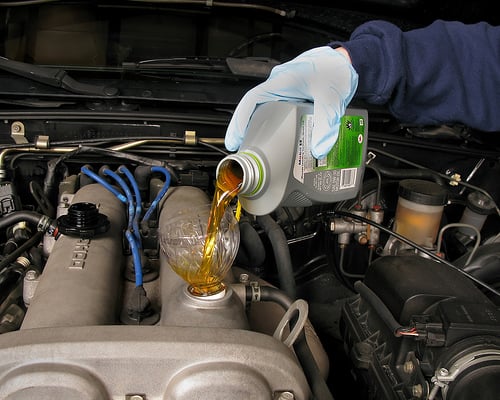
How much does a radiator flush cost?
On average, most radiator flushes are going to cost anywhere from $50 to $155. Most mechanics will recommend that you get a radiator flush every 36,000 miles.
For those who want to perform a radiator flush themselves, supplies should cost about $15 to $35, depending on the make and model of the car and the store where you purchase from. To perform the job, you will need a bottle of radiator cleaner, a gallon of standard coolant and a gallon of antifreeze. Kits are also readily available for those who do not know much about flushing a radiator. Surprisingly, the job is not that hard at all, and many kits have instructions that even a novice could easily follow.
For larger vehicles such as an RV, the cost of a radiator flush can range anywhere from $300 to $750.
According to CarsDirect.com, the article states that a radiator flush can cost anywhere from $50 to as much as $150. This is going to depend on the age of the vehicle as well as the make and the model.
A forum thread on the website DoItYourself.com claimed that it can cost $10 to $15 to complete a radiator flush on your own. For those who want to have the job done at a local shop can expect to pay anywhere from $80 to $110 for the process.
We called up a few franchise shops and were given the quotes as an “estimate.” In the next two tables, you will see quotes for popular franchises, and in the next table, you will see quotes we received for certain makes and models.
| Company | Price Range |
|---|---|
| Amazon | $15 to $35 for a kit/parts only |
| Jiffy Lube | $75 to $150 |
| Midas | $70 to $120 |
| Mr. Tire | $70 to $115 |
| Pep Boys | $15 to $35 for a kit |
| Valvoline | $85 to $125 |
| Walmart | $10 to $50 for kit/parts only |
| Make and Model | Price Average (labor total) |
|---|---|
| Buick Century | $85 to $125 |
| Chevy Impala | $85 to $115 |
| Ford F150 | $80 to $115 |
| Ford Focus | $80 to $115 |
| Toyota Corolla | $90 to $125 |
| Toyota Prius | $90 to $125 |
Radiator flush overview
The purpose of coolant is to keep your car’s engine cool and stop it from overheating. It can also help avoid corrosion and wearing down over time. Flushing the coolant is known as a preventative measure and can be considered as a safeguard to protect your car from rusting. Flushing will prolong its life, avoid costly repairs in the future and can help get rid of all contaminants inside the anti-freeze such as dirt and oil.
During the procedure, the original coolant will be drained and replaced with a new special coolant mixture and fresh water. It won’t be able to be drained until the vehicle cools down. This mixture, again, is drained and the new standard mixture of coolant and water will be added. This procedure can take up to 30 minutes with a machine or up to 60 minutes if no machine is present since the car’s engine and radiator will have to heat up and cool down again.
This service can be performed by any mechanic, gas station, dealership or franchise such as Jiffy Lube, Midas, Firestone, Brakes Plus or Goodyear.
What are the extra costs?
A premium coolant is going to cost $10 to $25 more compared to a regular brand on hand. The premium brands may last a lot longer in terms of mileage; however, it will rely on the brand the car’s condition.
To prevent issues in the future, some mechanics recommend replacing the thermostat if the cooling system were open for repairs.
Tips to know:
A radiator flush should be done every 24,000 to 40,000 miles or every three years, whichever comes first. To make sure, refer to your car’s manual to see how often you’re going to need the flush.
Some cars will be equipped with a low coolant sensing system, and if this light were to come on, it could be in need of a flush or there could be a leak in the system.
It may be time to get a coolant flush if the check engine light is on, the low coolant warning light is on or the engine is overheating.
Coolant can come in three common colors: red, green and orange. Red will tend to be the most common and will have the shortest lifespan, while orange and red can last a bit longer.
How much coolant does a radiator hold? The precise amount will depend on the make and model of the car, but the car’s radiator should be a mix of about 50 to 60 percent antifreeze and about 40 to 50 percent water. As for gallons, the typical car can hold two to three.
How to flush a radiator
How can I save money?
Consider doing the job yourself. There are various resources online that can guide you through the process with ease. By doing it yourself, you can potentially save at least $50 to $80.
Make sure the radiator flush is absolutely necessary. What you may find is that most places will recommend it every 3 years or 36,000 miles, whatever comes first. Be aware of mechanics trying to sell you extra services that you do not need.
This service is commonly advertised and can often be marketed on a mechanic’s or dealer’s website with some sort of special or coupon. Popular companies, such as Jiffy Lube, often have discounts posted on their website.
How Much Does a Catalytic Converter Cost?
A catalytic converter is a device in a vehicle that reduces toxicity and exhaust emissions from an internal combustion engine. This part of the vehicle was introduced in the United States in 1975 to comply with tightening U.S. Environmental Protection Agency regulations on auto exhaust emissions.
A failing catalytic converter can often cause a car to fail an emissions test, illuminate the “check engine” light or even result in a loss of engine power.
Catalytic converters are designed to cut down on air pollution, filtering out certain hydrocarbons, and reducing smog issues in congested areas. They also play a big role when passing or failing a car inspection if a state requires it.

How much does a catalytic converter cost?
On average, a catalytic converter can cost anywhere from $700 to $1,750, including the parts and the labor. Labor costs will usually be in the $150 to $250 range, while the parts, depending on the make and model, can cost $500 to $1,150.
A two-way catalytic converter, which is usually found in gasoline or diesel engines, commonly manufactured before 1980, can cost $100 to $500 or more, depending the year and the make and model of the vehicle.
A three-way catalytic converter, which is typically found in cars after 1980, can often be within the range mentioned above. Again, this will depend on the car’s year, make and model.
Angie’s List says the repair costs can often be close to $2,000. This repair can be expensive because of the converter, depending on the type, uses expensive metals such as palladium, rhodium and platinum.
Auto Zone, for example, offers the MagnaFlow Universal catalytic converter for about $95.
| Car | Labor + Parts Price |
|---|---|
| Chevy Trailblazer | $570 to $850 |
| Dodge Ram | $570 to $1,300 |
| Ford Focus | $600 to $1,300 |
| Ford Taurus | $700 to $1,300 |
| Honda Accord | $450 to $880 |
| Honda Civic | $550 to $1,400 |
| Honda Odyssey | $375 to $900 |
| Hyundai Elantra | $400 to $1,000 |
| Jeep Cherokee | $750 to $1,400 |
| Nissan Altima | $650 to $1,200 |
| Subaru Forester | $800 to $1,100 |
| Toyota Camry | $900 to $1,500 |
| Toyota Corolla | $550 to $1,350 |
| Toyota Prius | $1,300 to $1,900 |
| Toyota Sequoia | $550 to $1,700 |
| Toyota Sienna | $650 to $1,300 |
| Toyota Tacoma | $500 to $1,400 |
| Volkswagen Golf | $400 to $1,000 |
| Volkswagen Jetta | $700 to $1,200 |
Catalytic converter overview
This part is an emission-related component that’s mounted to the exhaust pipe. It’s designed to superheat any unburned particles in the exhaust gasses being expelled from the car’s engine. As the engine runs, the catalytic converter will warm up to an appropriate operating temperature of 500 to 1200 degrees Fahrenheit. At this temperature, the dirty exhaust will be burned and created into a water vapor and carbon dioxide. If the part isn’t able to burn off the hydrocarbons, an odor may come from the exhaust or the car’s engine may misfire. The check engine light may illuminate as well.
Most mechanics will tell you an aftermarket part will have to be welded to the exhaust pipe. This part can be repaired at any dealership, mechanic or muffler shop.
Specialized tools will be required during every step of the process, and because of this, it can be hard for the average DIYer to do the job. During the repair, a mechanic will take out the old catalytic converter by cutting it out with a power saw. Once removed, the new part will be welded into place while being careful with the surrounding parts. When welded in, the new part will be checked for any problems by running the engine for an extended period of time. During the time, the mechanic will pay close attention to how it’s attached and if the part is doing its job efficiently.
What are the extra costs?
When replacing the catalytic converter, the oxygen sensors may need to be replaced.
Theft is extremely common due to the metal these parts are made of. Special security measures can be taken such as purchasing an etching kit for $15 to $40 or adding a lock for an additional $75 to $150.
Tips to know:
Catalytic converters have been required in cars since 1975. The EPA prohibits car owners from installing a converter that doesn’t meet EPA standards or an aftermarket part that hasn’t been labeled or tested.
Signs you need a new catalytic converter
The check engine light is on. A “check engine” light can come on for a multitude of reasons, but a failing catalytic converter is often the culprit.
There’s little or no power.
A smell similar to rotten eggs is coming from the exhaust. This smell will be due to the build-up of contaminants not being able to burn up.
Fuel economy isn’t as good as before. If these contaminants are getting to your engine, it could mean your car will have to burn more gas than before to process the same tasks.
The car engine is misfiring or feeling rough.
How can I save money?
If getting professional help, call a few shops over the phone. These shops are going to more than likely give you a quote over the phone with what they charge on average. Some franchise shops or dealerships may offer a special coupon to help you save.
Before replacing it, see if the part is still under warranty. Under the EPA’s warranty guidelines, all parts must be covered for a minimum of eight years or 80,000 miles, whichever comes first.
Universal parts can often be much cheaper than a direct fit converter; however, a universal part may require cutting out the older part of the exhaust system and welding the new one in. Also, a universal part may also be illegal in Calfornia as most are non-CARB.
How Much Does Carpal Tunnel Surgery Cost?
Carpal tunnel surgery is a surgical treatment performed on a hand that has carpal tunnel syndrome. Carpal tunnel syndrome is a condition characterized by the numbness, tingling, or burning sensation in the thumb and fingers. The effect can also lead to pain in the hands or wrists as well as loss of grip or strength.
The price for a carpal tunnel surgery depends on the geographical location where it will be performed, the physician performing the surgery, the method being used, your personal health and if health insurance is involved.

How much does carpal tunnel surgery cost?
On average, carpal tunnel surgery performed in an ambulatory surgery center can cost anywhere from $1,400 to $3,000. The price includes the payment made to the surgeon as well as for the ambulatory surgery center services. This price is for outpatients only and does not include overnight stay with the medical institution. Even with a solid insurance plan, after the co-pays and deductibles, the average patient, according to research, pays $800 to $1,300 out of pocket.
Carpal tunnel surgery which is performed in a hospital can range anywhere from $4,200 to more than $10,000 without insurance. This price usually includes the fee for the physician, anesthesia and your hospital stay. Keep in mind, however, most hospitals will have its own billing policy and you may see separate bills in the mail that come from the surgeon and anesthesiologist, for example.
The National Center for Medicare and Medicaid said Medicare patients paid an average of $887 for the surgery and close to $1,200 for the aftercare.
According to the website HealthCareBlueBook.com, the cost of carpal tunnel surgery can range anywhere from $2,700 to as much as $5,000 depending on the location of the surgery. A local clinic is going to cost a lot less than a hospital setting.
Amino found the average median network rate for the surgery is $2,900.
Carpal tunnel surgery overview
Before the surgery is even considered, the doctor will want to explore all nonsurgical methods, which can include injections, stabilizing the wrist or using inflammatory drugs. Surgery will usually be a last resort, and if recommended, the doctor will want to perform a basic physical exam, take x-rays and test the strength of the hand to make sure the patient is a suitable candidate.
There are two common surgical methods: open release surgery or endoscopic surgery.
During an open release procedure, an incision will be made through the wrist and the carpal ligament will be severed in order to relieve the pressure on the nerve. After the pressure on the nerve has been released, the incision will be closed up. Most procedures take 30 to 45 minutes to perform.
During endoscopic surgery, the surgeon will perform the same tasks as the open release; however, a tiny camera will be inserted into one or two incisions to help reduce the scarring and recovery.
The average recovery time can be up to 12 weeks.
What are the extra costs?
To help the muscles relax and to sedate the patient, a local or general anesthesia will be administered. General anesthesia, which will be administered at the hospital, can cost anywhere from $400 to $900 and will commonly be billed separately. A local anesthesia will be used at an outpatient center and will be much cheaper.
If the surgery is performed in a hospital, there will be an additional fee added each day stayed overnight.
Depending on the circumstances, physical therapy sessions may be needed, and the average cost of these procedures can cost $100 to $250 each without insurance. Aftercare treatment can cost another $1,000 to $2,500.
A brace or splint will be needed after the procedure and may be included in the billing. Some may bill this separately
A follow-up appointment, usually a week or two later, will need to be scheduled to have the stitches removed.
Tips to know
My Carpal Tunnel says this is a permanent fix and 85 percent of the time, the problem will come back within six months to seven years. The website also mentions this surgery has a very low success rate and only works 50 to 60 percent of the time.
Risks may include stiffness, nerve damage, scarring, pain or a loss of strength in the wrist area.
According to the National Institute of Health, an increase in B6 vitamins have been shown to help ease carpal tunnel symptoms.
How can I save money?
Look for outpatient services instead of a hospital to avoid paying higher hospital fees.
You may want to check with your medical insurance provider to see if they cover the procedure. If it’s deemed medically necessary, it may be covered.
If you don’t have health insurance, some hospitals will offer a cash discount if paid up front.
Consider talking with your doctor for alternative methods. This type of surgery should be your last resort as most mild cases can be remedied with a simple splint; corticosteroid or lidocaine injections; or by using anti-inflammatory medicine such an ibuprofen. The American Association of Orthopedic Surgeons actually recommends you try all nonsurgical methods first before considering any surgical procedures.
How Much Do Parachutes Cost?
Parachutes, commonly referred to as a canopy, are usually made out of a light, strong cloth and used to slow the motion of an object in the atmosphere by creating a drag. A parachute must slow an object’s terminal velocity by a minimum of 75% to be considered a parachute. Parachutes are used in different ways and situations such as unloading people, food, equipment, space capsules, and even bombs.
Meaning the difference between life and death, a parachute, when skydiving, can also make the world of a difference when it comes down to a smooth ride down back to earth.

How much do parachutes cost?
With a parachute, you’re going to need to need four things to successfully jump: the deployment pack, the main chute, a reserve and an automatic deployment system in case you’re unable to deploy the chute. For just a parachute, the price can be anywhere from $1,400 to $3,000. All four, however, which includes the main parachute, reserve, harness system and automatic deployment device, can total $7,000 to $10,000.
The Sky Dive Store, for example, offers a handful of skydiving parachutes that retail for $2,000 to $2,500.
What are the extra costs?
For those who are going to go skydiving, a reserve parachute is going to be necessary to ensure that you’re safe on your free fall. A reserve canopy will often be larger since the goal is to slow down the descent speeds as much as possible. As a general rule of thumb, the reserve should be one size larger than the main canopy.
A parachute harness/container will be needed and worn to store the parachute and the reserve. A used container can cost as little as $150, while a new one can cost $2,000 or more.
Higher tech parachutes can come equipped with a deployment system that will automatically deploy at a certain altitude. While optional, this feature alone can add $2,000 to the parachute price.
On average, parachutes can last up to 15 or years, but maintenance may be required through its years.
Tips to know
Some common parachutes you will see on the market include the 7-cell, 9-cell, hybrid, square, semi-elliptical, air locked and cross braced.
How can I save money?
To save money, try to compare prices from at least three to five retailers. Talk to a local skydiving company to see what kind of parachutes they recommend as well as ask where you can purchase one for a fair price.
If starting out with something such as skydiving, most are going to recommend that you do 15 to 30 jumps before buying equipment. When jumping for the first time, all companies are going to equip you will all the necessary equipment, including the parachutes. By doing this, you will know that your investment will be worth it once purchased.
Buying a parachute bundle with everything included can often be the best way to go. Often referred to as a skydiving gear package, this will include everything you will need to start skydiving such as the container, parachute and the reserve. Some, depending on the brand, may also include additional accessories.
Buying used could be an option as long as you’re diligent with your research. Drop Zone recommends buying used if it’s your first set of gear and if possible, always purchase the main parachute new. If buying a main chute used, you should be able to tell how often it has been used by examining the lines.
How Much Do Cavachon Puppies Cost?
The Cavachon, which was considered an accidental mating, is a cross between the Cavalier King Charles spaniel and Bichon Frise. While some may call them “designer” breeds, they are actually a gloried mutt; don’t let anyone tell you differently.
These puppies are considered designer puppies because they are popular companions, especially for those who are suffering from allergies. Cavachon puppies have large expressive eyes and have a sporty appearance. These dogs are affectionate, loving, and gentle and are also family oriented, usually getting along with children and other pets in the home.

How much do Cavachon puppies cost?
The price of Cavachon puppies will depend on the quality, breeder, age and geographical location. Premium grade Cavachon puppies can be priced anywhere from $400 to $2,200. Most purchases, however, will be between the $400 to $900 range. Since this dog is a “mutt,” per se, don’t let any breeder trick you into making claims about the puppy’s appearance, temperament or size, because it’s hard to predict this with any mixed breed.
The Three Oaks Farm, for instance, offers its puppies for $1,650 and an additional $300 to ship it via an airline. This breeder will include a health certificate, baby blanket, puppy food, toys and a crate.
Pawster.com notes you will often find designer dogs that will be within the $1,500 to $3,500 range, but if you find a breeder who understands a Cavachon is a mixed breed, the costs should be in the $400 to $800 range.
What is going to be included in the adoption fee?
Any legitimate breeder will include a health guarantee, health registration papers from a qualified vet, up-to-date vaccinations and a travel crate if shipped. Some breeders may also include a starter pack that includes dog food, toys and other miscellaneous care materials.
What are the extra costs?
If the dog has to be shipped via an airline, this can be an another $150 to $350, depending on the airline and how far it has to travel.
Recurring costs will include food, toys, accessories and routine/unexpected vet visits. Plan on budgeting at least $75 to $100 per month to take care of your dog.
Due to it long coat, it’s recommended you take it to a groomer at least once per month to have it groomed and bathed. Doing so can keep the dog from matting and the areas underneath its eyes short to avoid staining.
Even though it’s quick to learn commands, some owners opt for obedience classes. The average class, depending on where you go, can cost about $80 to $100.
Tips to know:
It can weigh up to 13 to 20 pounds and measures 12 to 16 inches tall, depending on the parents. It’s considered to be a small dog, but out of all toy breeds, it’s one of the largest.
The coat is fluffy, thick and can be quite curly, measuring up to five inches long. This breed will shed very little and can be a great selection for those who do suffer from allergies. While the coat colors can vary, the most common will include a shade of white or brown. Other colors noted include tri-colored, sable, black and tan. It will exhibit an appearance that’s similar to the white purity of a Bichon Frise and the multi-colored coat of a King Charles.
These dogs tend to be very energetic, animated and are very loyal to their owners. It’s best that these breeds aren’t left alone for long periods of time because they can easily become bored.
Since these breeds can tend to have teeth problems, it’s best to bring them to the vet so that they can get their teeth cleaned. Regular brushing is also required due to the type of coat that they have.
Its temperament is known to be very gentle and has a strong urge to please its owner, but it can vary from one to another since it’s considered a crossbreed and will act similar to its parents. Known to do very well with children of all ages, the Cavachon can along with virtually anyone and anything.
Due to its size and personality, it won’t need a lot of space to play and run, making it a great option for a condo or apartment.
This breed is known to have few health problems such as ear infections, heart problems, hip dysplasia and vision issues. These health conditions will all depend on the parents and the genetics they inherit. It’s known to live up to 15 years with a healthy diet and proper veterinary care.
How can I save money?
Check the local adoption centers, rescue groups or even classified ads to see if any are up for adoption. While the dog may be older, it could be hundreds of dollars cheaper. Cavachon rescue groups can often be found by simply searching for “Cavachon rescue, plus your zip code.”
How Much Does a Parakeet Cost?
A parakeet, commonly referred to as budgies or budgerigars, is a term for any one of a large number of unrelated species of parrots. In general, birds that can be referred to as a parakeet will have a long tail and will be much smaller than their parrot cousins such as a Cockatoo or Macaw.
Parakeets are usually found in warm regions and are typically found in large flocks. Parakeets have a lot of energy and are very social with each other and with people. They are mostly bred by their owners and are often sold once they multiply.

How much does a parakeet cost?
On average, a parakeet can cost anywhere from $20 to more than $400; however, most parakeet purchases at a local pet store will be less than $70. The price of a parakeet depends on its specific breed, the breeder, the age of the bird and quality.
Parakeets at Petco, for instance, retail for about $5 to $29, depending on the time of year and species you adopt.
For example, a normal scarlet chested parakeet can cost anywhere from $125 to $600, while a rosy Bourke can cost anywhere from $75 to $110; a Rubino female can cost upwards of $800. With so many species on the market, refer to our table below to see what the most popular types cost.
| Type | Price Range |
|---|---|
| Blue Parakeet | $10 to $60 |
| Bourke Parakeet | $100 to $300 |
| Budgerigars | $70 to $175 |
| Canary-wing Parakeet | $275 to $400 |
| Grass Scarlet Chested (Splendid) | $225 to $350 |
| Grass Turquoisine Parakeet | $275 to $400 |
| Indian Ringneck Parakeet | $225 to $550 |
| Lineolated Parakeet | $150 to $300 |
| Monk Parakeet | $50 to $200, depending on color |
| Mustache Parakeet | $400 to $550 |
| Purple Parakeet | $15 to $60 |
| Red Rumped Parakeet | $400 to $600 |
| Rosella Northern Parakeet | $500 to $700 |
What are the extra costs?
A high-quality pellet seed, fruits and a mix of green, leafy vegetables, such as broccoli and lettuce, are recommended for a healthy diet. It’s also recommended you supplement the bird’s diet with a mineral block or multivitamin supplement. Experts recommend you plan on spending $50 to $75 per year per bird and 70 percent of its diet should be a specialized pellet blend. Avoid feeding the bird fruit seeds, chocolate or even avocado as these can cause serious medical conditions. It should be fed once a day and will eat about two to four teaspoons.
With any pet bird, a cage is highly recommended unless you want it fly away when you’re not around. Try to find the largest and sturdiest cage to allow your bird to freely fly for shorter distances. Parakeets will prefer taller cages with a lot of feeding dishes, swings and perches for entertainment, and at a minimum, it should be at least 18 inches wide, tall and long, made of either stainless steel or a non-galvanized steel. A good cage with the right amount of room can cost as little as $50 used to as much as $750 for a premium cage made from durable materials. Its housing should never drop below 65 degrees Fahrenheit or be warmer than 80 degrees Fahrenheit.
To prevent your bird from being bored, toys, such as balls, bells and mirrors, are highly recommended. Depending on which toys you buy, $30 to $50 should be enough to purchase toys your bird can enjoy. When worn, these toys should be replaced.
Perches, which should measure at least four inches long, should be spread out in the cage. These perches can often come with the cage, but if it has to be purchased separately, it can be another $5 to $10 each.
A substrate is highly recommended for the metal tray that sits beneath the cage as this will make up for easier cleaning. This could include anything from shredded newspaper to a substrate you can buy online
Just like cats and dogs, a parakeet will need to see the vet for routine and surprise visits. Depending on the visit, fees can range as little as $50 for a checkup to as much as $200+ for diagnosing an illness.
Types of parakeets:
Parakeets can be broken down into different groups. One group — the Asiatic Parakeets — will include the Indian Ringneck, Moustache, Alexandrine and Plum-Headed. These parakeets will come from Indonesia, India and nearby areas. Another group — the Grass Parakeets — will originate from Australia and will include the Bourke, Scarlet Chested, Splendid and Rosella. All parakeets within this group will have similar traits and body structure. Excluded from these groups include the Lineolated, Red Rump, and while heavily disputed, some consider the Conure as a parakeet as well.
Tips to know:
The average lifespan is eight to 30 years.
Most parakeets are about seven inches in length.
The bird can come in a variety of colors, but the most common will be green and yellow. Some breeders, however, have been able to produce a wide variety of colors such as blue.
These type of birds love to have other birds as company. If you’re going to purchase one, consider getting a cage full of them so they can be socially interactive and happy. Unless you’re home quite often and can pay close attention to the bird most of the day, then one bird can work; however, keep in mind it will take a lot of work.
Unless a nesting box is inside the cage, they won’t attempt to breed.
Be sure to vary their food as parakeets can grow old of the same old bird seed. It’s best to look for treats and other healthier alternatives to mix it up.
Since these birds are rather playful, consider getting toys for them to play within the cage. These toys can include anything from a simple swing to a bell that makes a noise. Like food, try to mix up their toys to keep them active.
Never attempt to grab this bird aggressively; instead, allow it to walk onto your fingertip. By gaining your trust, these birds will do it with ease.
To know the sex of a parakeet, pay close attention to the nose band, known as a cere. A female will have a brown cere, while most males will have either a blue or pink cere.
Common health conditions can include chlamydiosis, diarrhea, feather plucking and mites.
The parakeet is known to be very intelligent and can even mimic human voice much better than a parrot can.
A video of a parakeet talking
How can I save money?
These birds are commonly available at the local Humane Society or a bird shelter. For a small re-homing fee, usually around $25 to $40, this is a great way to help save a bird.


