
How Much Does it Cost to Replace a Toilet Flange?
| Need a pro near you? Get multiple quotes for free online. Get your quote now >> |
A toilet flange, also referred to as a close flange, is the pipe fitting that mounts to the toilet and the floor, connecting the toilet to the drain and essentially the drain pipe. You will know if the toilet flange needs replacing if you see water around the base of the toilet.

How much does it cost to replace a toilet flange?
If you are looking to perform a basic do-it-yourself job, most toilet flange parts will cost anywhere from $5 to as much as $40. For example, on Amazon.com, most of the highest rated toilet flange parts retail for $10 to $20.
With a professional job, however, be prepared to spend around $175 to as much as $550 for the entire job. The cost will depend on the plumber being hired, the type of subfloor, the type of pipe, the condition of the current pipe and your geographical location. For example, if the flange was corroded so bad that the plumber had to access the basement to break it free from there or break the concrete around the flange, then the costs could be more due to the labor rates; however, if he or she was able to simply turn it right off, then the costs could be much lower.
If you want to get an exact quote in your area, based on your situation, consider using HomeAdvisor.com to get free quotes from local, licensed contractors.
On Angie’s List, a visitor asked if $535 was a fair charge to replace the flange, and according to the responses, that price tends to be high and should be in the $250 to $300 range, but it could be close to $500 if the flange was so corroded and the plumber had to chip away the concrete around the base.
Replacing a toilet flange overview
The typical toilet flange is going to be made from a ABS or PVC hub that will have a round steel mounting flange that can be connected to the top. Other styles may come in brass, stainless steel, plastic or copper. During a typical installation job, the toilet flange will be mounted on the top of the floor with the hub fused around the drain pipe in the floor. Once fused, a wax ring will be used to seal the gap between the flange and the toilet. The toilet will then be installed and bolted to the flange, not the floor.
A typical job, depending on the complexity, location and where the joint is, can take one to six hours.
What are the extra costs?
If the toilet flange is broken or the original piping needs to be replaced, the costs can increase. The same can be said if the toilet has to be replaced as well.
Inept plumbers could have installed the flange improperly in the first place. If this were the case, the flange could have let the concrete settle around this. If this were to happen, a good portion of the floor may have to be taken out in order to repair it. This, of course, could turn into a costly job.
If there is significant water damage done to the floor, you may need to replace the tile or laminate on the floor. This will be a much more expensive repair than the toilet flange.
In some cases, a hole in the basement’s ceiling may have to be cut out if the flange was corroded and it had to be removed, or if no basement is accessible, then the concrete around the flange may have to be removed. This is often the case if the flange was corroded and wasn’t able to be simply twisted off at the base. To replace the drywall and repaint or the tile around, this could be an additional $50 to $150 charge.
Tips to know:
When replacing a flange, pay close attention to the kind of pipe you have so that you can buy the right part to match it up.
Replacing the toilet flange process
Before starting the job, turn off the water supply to the toilet and disconnect the water supply hose.
Once the water has been turned off, flush the toilet. This will empty the bowl and the tank of water since the water supply will not refill it.
When you loosen and remove the two bolts on the bottom of the toilet, make sure you put them in a safe place since you will need them when you are finished.
After you remove the toilet, clean off the wax from and remove the old flange.
Thoroughly clean the floor before putting on the new flange.
Mount the new flange on the floor with new bolts. These bolts will fit into the toilet floor.
After pushing the new wax ring in place at the bottom of the toilet, put the toilet back in place. Make sure that you line up the bolt holes carefully.
Press the toilet down to ensure that it fits snugly with the wax against the flange.
Reconnect the toilet to the floor using the bolts, and then turn on the water supply once again. Make sure that you do not over-tighten the bolts since this can cause the toilet to crack.
How can I save money?
If the flange needs to be replaced due to age, then there is a good chance that the other toilets in the home will have the same problem. If possible, ask the plumber about any discounts that you can take advantage of if you have all of your toilets fixed at once.
Many plumbers are more than happy to offer first-time customers a deal. Never be afraid to haggle with them on pricing.
With any contractor hiring, try your best to get at least three to five quotes before committing.
If you have any plumbing experience, consider replacing the flange yourself. As stated above, the average DIY job should not cost any more than $40.
How Much Do Telephone Poles Cost?
Telephone poles, usually made of wood in order to carry telephone cables around a whole country or even continent if needed, are often used to deliver phone services to houses and offices; however, this isn’t always the case. Private buyers often purchase telephone poles for various projects, including creating a fence, zip line or even a bridge, for example.
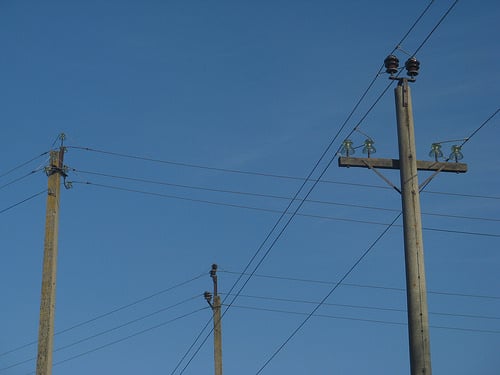
How much does a telephone pole cost?
Most of the time, a telephone pole that has to be replaced because of an accident can cost anywhere from $3,000 to as much as $6,500 for the pole and installation. However, if the pole is damaged because of a car accident and the driver was insured, the insurance company will cover the costs based on your policy details.
Those who are simply looking to buy a pole will find the cost of a single pole varies from one type to another. A typical 45-foot class 3 pole, about 16 to 20-feet at the base, can cost about $150 to $700 depending on the type of wood and who you purchase it from.
It will, of course, cost more if you need it professionally installed. The cost with installation and supplies can cost well over $3,000 due to the equipment, shipping and man-hours required.
Refer to our table below to see what a telephone pole would cost on its own without installation.
| Pole Size | Price Range |
|---|---|
| 25-foot | $100 to $200 |
| 30-foot | $100 to $350 |
| 35-foot | $250 to $425 |
| 40-foot | $350 to $550 |
| 45-foot | $400 to $700 |
| 50-foot | $500 to $850 |
| 55-foot | $650 to $850 |
NOTE: These prices are for the pole only. This will not include installation and delivery charges.
AmericanTimberandSteel.com, an online retailer that sells telephone poles, sells a variety that ranges from $100 to as much as $700. The taller the pole is, the more you are likely going to pay.
This forum thread on AR15.com, for example, a forum member claimed they paid close to $1,800 for installation and the pole.
Another forum member on this PlanetFeedback.com forum thread stated that they received a bill for $3,000 after they got into an accident.
In a blog post written by Garrett-Engineers.com, they had talked about a utility company that had sent a bill to a driver that hit a 50-foot pole. The repair bills, according to this post, was broken down into three parts: the materials ($1,722), the equipment ($2,059) and the labor, which totaled 132.6 hours, averaged $172 per hour for their linemen, $185 per hour for the foreman and $188 per hour for their troubleshooter. These costs were much higher than the industry average, which prompted the driver’s insurance company to argue this claim, effectively lowering the labor rate, all of which, wasn’t mentioned as the grand total.
Telephone pole overview
Wooden telephone poles are often made from pine or cedar. Companies that manufacture telephone poles often chose the stems from pine or cedar trees because they match the natural characteristics to meet the engineering and design standards in order to support telephone lines.
The standard utility pole in the United States is 40 feet; however, poles can reach as high as 120 feet.
What are the extra costs?
As mentioned above, if you need a contractor, additional installation fees can apply, and the costs will depend on the complexity of the job and how many poles you need installed at once. Most contractors are going to charge anywhere from $500 to $2,000 to install the pole, but the costs can go down if more than one pole needs to be installed at once. To get a quote on your particular job, consider using HomeAdvisor.com to receive multiple quotes from local contractors for free.
Due to the size, delivery fees can be in the hundreds, depending on the size of the pole.
If an electrician is needed to run wires to the pole, additional fees can apply.
Tips to know:
Because of the way that telephone poles are made, they can be dangerous and toxic if they are handled too much. Cutting them can also release toxins into the air. The reason for this is that there are many liquid preservatives that are added to the telephone poles when they are being made. These preservatives ensure the strength and longevity of the telephone pole, and since they are used outside and away from people, they do not usually pose a threat. If you are going to purchase a telephone pole for other reasons, make sure it is made from untreated wood.
How can I save money?
Remember to check with your car insurance policy to see what may be covered in case of an accident.
Talk with your local utility company. They may be able to point you in the right direction when it comes to buying one.
How Much Does a Chimney Crown Repair Cost?
| Need a pro near you? Get multiple quotes for free online. Get your quote now >> |
Most masonry-based chimneys are capped with a crown to prevent water from getting inside the bricks as these chimneys have to be open at the top in order to allow the smoke to be released, but they also need to be covered to ensure that the rain and snow cannot get in and cause damage.
Over time, unfortunately, cracks can start to form, allowing water to seep behind the cracks. When more water gets in between the cracks, this is going to cause the chimney to widen. If the homeowner fails to fix the cracks early enough, the whole crown may have to be replaced, which is often the most expensive option.

How much does it cost to replace or repair a chimney crown?
The cost to repair a chimney crown will depend on the size of the chimney, how easy it is to access the chimney, where you live and who you hire. Depending on these factors, the average cost of a chimney crown repair can range anywhere from $400 to as much as $2,200, but for basic repairs, not requiring a rebuild, the costs can be in the $200 to $450 range for a simple sealing. Since there are different types of crown repairs, the costs are going to vary widely. Because of this, we highly recommend using HomeAdvisor.com to receive multiple quotes from local contractors for free.
For example, SchenectadyChimneySweep.org charges $500 to $2,000 based on the size of the chimney and how easy the chimney can be accessed.
On this forum thread on BogleHeads.org, one member claimed he ended up paying $1,000 to replace a crown on his two-story house, including the damper and cleaning.
Chimney crown repair overview
To fix a chimney crown, a special sealer will be applied to the crown to prevent new cracks from forming and prevent existing cracks from spreading. Before applying this sealer, however, the contractor will have to wait for a sunny day with no rain in the forecast. The first step is by prepping the crown by cleaning it with a nylon brush. Once it is clean, any larger cracks will be filled with a silicone-based caulk. After the cracks are caulked, the surrounding chimney area will be taped off and a sealer will be applied.
If the chimney has to be replaced, the old crown will be chipped away and a new one will be installed; however, before a new one is installed, new concrete may have to be poured. If this is the case, the process can take up to a week because of the drying period.
What are the extra costs?
If the chimney crown is extensively damaged, it will often have to be rebuilt. If this is the case, you will be looking at a price closer to that $2,000 range. However, if the chimney only has smaller hairline cracks, then the repair could be as little as $400.
If your roof is complex and the chimney is hard to access, the cost will be more.
If you need a rush job, you will probably have to pay extra to cut in front of other customers who are waiting.
Tips to know
Bad chimney crowns are one of the main reasons chimneys deteriorate. It does not hurt to have a chimney inspected every year or so to make sure your chimney is in good working order.
Make sure that you clean the area thoroughly before starting to seal it. Otherwise, the seal will not stick like it is supposed to and cracks will reappear quickly.
If performing the job on your own, use gloves and use your hands to get the sealer inside the cracks. You will be able to accomplish this better by hand than by using a tool. Once the sealer has been pushed into all of the existing cracks, use a layer of duct tape around the base of the crown to provide extra protection.
How can I save money?
Repairing the chimney crown is already saving you money from even more expensive repairs to the chimney itself in the future. Maintenance is always the best way to save money.
Consider doing this job on your own instead of hiring a professional contractor if you don’t mind tackling the job. FamilyHandyman.com has a how-to guide showing you exactly what you need to do to fix a crown problem. This should only be done if you are making minor repairs.
If you are going to hire a professional contractor, try your best to get as many quotes as possible.
Get an inspection annually. By catching this problem early, you can potentially save thousands. Even if you do not want to pay for one, get on the roof at least once a year and look for any visible cracks. If you notice any cracks, it is best to fix the problem right away.
How Much Does a Coronary Calcium Scan Cost?
A coronary calcium scan, also referred to as a heart scan, scans the heart arteries to see whether or not there is calcium build-up that is posing a threat to your heart health.
Normally, when we hear the word “calcium,” we think of the nutrient that our body needs and think of it as a good thing. However, in the heart, calcium refers to the build-up of calcium that can block the arteries in the coronary system.
How much does a coronary calcium scan cost?
On average, a coronary calcium scan can cost anywhere from $150 to $500 without health insurance. Most scans, from what we researched, are done between $150 and $300 with additional perks thrown in, which may include treatment intervention, advice, and/or limited time access to a cardiac imaging specialist. Depending on your insurance provider, they may cover it as a preventative test.
Harvard University says the insurance coverage for a coronary artery calcium scan varies widely, but the out-of-pocket costs tend to fall within the $100 to $200 range.
According to WebMD.com, the test will usually cost anywhere from $200 to $500. They also claim that as with any screening test, Medicare and other insurance plans will not cover it.
Cedars Sinai charges $250 for a cardiac calcium scan, lipid panel, and same-day consultation. If you do not want the same-day consultation, the price drops to $185.
Coronary calcium scan cost?
Depending on the pricing option, the test may include a heart scan that shows possible calcium deposits in the coronary region, a lipid panel, a consultation appointment with a cardiac imaging specialist, possible treatment options and/or advice on lifestyle changes. The basic inclusions, at a minimum, will include the heart scan.
During the procedure, the chest will be applied with sticky patches with sensors, known as electrodes, and these sensors are connected to an EKG machine, which will record the heart’s electrical activity during the scan. Lying on your back, the CT scanner will take pictures for short periods. Depending on the circumstances, you may be offered a pill or injection to slow your heart to ensure clearer images and/or to help remain calm. The procedure should not take any longer than 15 minutes.
This is a painless, non-invasive test that can be done in a doctor’s office.
The doctors will use this scan to tell how much calcium has been built up inside the heart’s arteries, and the amount of calcium can reflect the amount of plaque present. The more calcium present, the higher your risk for a heart attack or stroke is. The results, given as a number is known as an Agatston score, will represent a combination of information reflecting the total area of calcium deposits and the density of the calcium. A score of zero means no calcium is present and indicates a lower possibility of a heart attack in the future, whereas a score greater than 300 indicates a very high chance of heart attack.
What are the extra costs?
Extra costs may include costs associated with the prior preparation for taking the coronary calcium scan. These preparations may include risk assessment tests, other possible blood tests such as for cholesterol levels, physical examinations and medical history reviews. Some of these preparatory tests have certain costs associated with them. If they are not covered by insurance, you will be forced to pay from your own pocket.
If anything is found in the coronary calcium scan that requires further attention or treatment, this will not be included in the cost of the test. This could include changing your diet plan, quitting smoking and/or getting more exercise. Your doctor, depending on the scores, may also prescribe medication to help lower your cholesterol and/or order additional lab tests such as a cholesterol test.
Tips to know:
You probably do not need a coronary calcium scan if you fall either in the low-risk group or high-risk group. This criteria, developed by the American Heart Association and the American College of Cardiology, helps classify the risk levels of heart diseases. The point is, your doctor is already aware of your heart health and a physical exam can often indicate information about your heart. According to Mayo Clinic, “The American Heart Association and the American College of Cardiology do not recommend routine use of heart scans on people who do not have symptoms of heart disease and who do not smoke or have cardiac risk factors, such as elevated cholesterol or high blood pressure.”
According to the Mayo Clinic, heart scans will use x-ray technology, meaning you will be exposed to radiation during the exam.
How Much Does a Pottery Kiln Cost?
A kiln, whether you need it for a school or your own personal studio, can vary greatly in pricing depending on what you’re looking to purchase.

How much does a pottery kiln cost?
There are multiple pottery kilns available on the market, and the prices will, of course, depend on the type, the power and where you purchase it. To help break down the categories, refer to our table below to see what various kilns may cost you either online or at a local retailer.
| Type of Kiln | Description | Average Price |
|---|---|---|
| Ceramic Kiln | Can range from a smaller 120-volt kiln to a much larger version that's able to mold or create pottery. This kiln is ideal for making jewelry or smaller items you would fire one at a time. | - Compact: $475 to $1,100 - Small: $900 to $2,300 - Medium: $2,000 to $4,100 - Large: $2,500 to $5,500 - High Capacity: $9,000 to $15,000 |
| Glass Kiln | Can range from a smaller 120-volt version to a larger, round in size. Electronic controllers, which allows you to program exactly how you want the kiln to fire, are commonly seen among the most popular brands. Larger glass kilns are ideal for firing plates or vases, for instance. | - 120v: $600 to $1,200 - 240v: $1,400 to $2,100 |
| Ceramic/Glass Kiln | As a mix between the two, a glass and ceramic kiln is designed for those who want to fire both ceramic and glass items. | - $900 to $3,300 |
| Multi-Purpose Kiln | These kilns commonly fun on a 120 volts and are used to fire PMC clay, small glass pieces or to even treat knives. | - $900 to $3,300 |
| Gas Kiln | These are more difficult to use and are recommended for those when electricity isn't readily available or when you want a special type of glaze that can only be created with gas. | - $1,500 to $10,000+ |
| Raku Kiln | A Raku kiln will often have a crank to help lift the body of the kiln, making it easier to grab pieces out without using tongs. | - $700 to $2,500 |
Skutt, according to this PDF pricing list for ceramic kilns, has prices ranging from as little as $850 for an eight-by-six FireBox to as much as $7,100 for a 240-volt model, with the option of upgrading the element for another $1,300. On this price list for glass kilns, the prices range anywhere from as little as $545 for the FireBox 8 to as much as $6,360 for the Scarab XL, measure L42” x W45” x H67”.
SoulCeramics, according to one of their blog posts, claims the prices of their kilns range from as little as $300 to close to $4,000.
What are the extra costs?
In some cases, depending on the size of your kiln, an electrician may be required to install a larger circuit with more amps. As people are limited to the amount of power they have, pay close attention to the number of amps you readily have available. BigCeramicStore.com notes that some customers often assume if they have a 240-volt circuit, they will be able to use a 240-volt kiln, but this isn’t the case as the circuit may only be 30 amps, which isn’t powerful enough to use it The costs, again, depending on the size of your kiln, could cost $100 to more than $2,000, depending on the wiring inside your home to increase the amperage. We highly encourage you to use HomeAdvisor.com, a free tool that allows you to receive multiple quotes for free from local, licensed electricians.
Furniture kits, often purchased alongside the kiln, can range from an average of $30 for a shelf and a few posts to as much as $1,000+ for multiple shelves, gloves, cleaning equipment and various post assortments. The cost of a furniture kit will greatly depend on the number of shelves, posts and types/size of shelves needed and what’s included in the kit. To budget, plan on spending $25 to $65 per shelf and another $2 to $7 per post.
Additional vents, which allows you to either extend your current exhaust setup or allowing you to vent more than one kiln, can cost an additional $125 to $500, depending on the type of vent and length.
A controller, either wall or desk mount, can cost $450 to $1,000 or more, depending on the type.
A rolling stand, another common accessory often purchased, can cost $250 to $500 and will greatly depend on the number of sides.
Tips to know:
Most kilns, designed for home usage, will use an electronic controller, allowing you to program exactly how you want to kiln the fire; however, if the kiln doesn’t include an electronic controller, then the kiln will have something known as a kiln sitter or manual controller, which forces you to turn the kiln up and down as you fire.
When buying a kiln, Soul Ceramic recommends asking yourself the following questions: What kind of clay are you firing? What kind of glaze are you going to use? What size pieces do you plan on creating and how many? How big is the space where you will be storing the kiln? Lastly, how much power will you have available? Since all kilns have something different to offer, they may all look same to the naked eye, but when you look closely at the description, they will vary.
How can I save money?
Used kilns can readily be found slightly used on both eBay and Craigslist. Even in good condition, a good kiln can be found for up to 50 percent less than the retail value.
How Much Does a Laundromat Cost?
Those who do not have the resources to wash and dry their clothes at home will often have to turn to a local coin-operated laundromat. Most of these machines will be able to take quarters, but there are now machines that are capable of taking debit or credit cards as well.

How much does a coin-operated laundromat cost per load?
On average, the price of a laundromat will depend on the washing machine size, the center, and your geographical location. On average, plan on spending around $1.50 to as much as $9 per load.
Depending on the laundromat, most will have two to three different washer and dryer sizes, and the larger the load is, the more you are going to have to spend. As for the dryer, it will usually cost around $0.50 to $1.50 per 15 to 30 minutes of drying time, again, depending on the factors mentioned.
We researched a few laundromats in the United States and included the prices they charge in the table below:
| Geographical Location | Washing Load Price | Dryer Price |
|---|---|---|
| Detroit, MI | - $4 for 20-pound - $5 for 30-pound - $7 for 40-pound - $12 for 80-pound | - $1 per 16 minutes |
| Minneapolis, MN | - $3 for 20-pound - $5 for 40-pound - $7 for 80-pound | - $1.75 for 35 minutes (30-pound stack) - $3 for 35 minutes (30-pound stack) - $4.50 for 35 minutes (76-pound stack) |
| Orlando, FL | - $3 for 20-pound - $4.50 for 60-pound | - $1.50 for 35 minutes |
| Phoenix, AZ | - $3 for 20-pound - $4 for 40-pound - $6 for 80-pound | - $1.50 for 35 minutes |
| San Diego, CA | - $3 for 20-pound | - $0.50 per 15 minutes |
On this forum thread on Arstechnica.com, forum members discussed the prices of a coin laundry. According to the responses, most said you should be prepared to spend $1 to $2 per load and about $0.50 per 15 minutes for the dryer.
This BabyCenter.com forum thread talked about the costs as well, with the average load costing $1 to $2 per load.
According to an article on TheSimpleDollar.com, they claimed the average laundromat charged $1.50 per washer load and the same for a dryer load.
Most people report, from various forums online, that they needed to do an average of 3 loads of laundry per week, per person. If each load takes $3 to wash and dry, then it’s safe to say the laundromat will cost around $10 per week.
What are the extra costs?
In order to do laundry, of course, you will need other items such as laundry detergent, dryer sheets and fabric softener. In order to get your laundry to and from the laundromat, you will need laundry bags or baskets to carry your clothes as well. You should also bring hangers with you to the laundromat as this can eliminate the need to spend time ironing when you get home. If you have to buy these necessary laundry items, such as detergent and dryer sheets, at the laundromat, some centers will have smaller versions designed for one load. Most of the time, these items will cost $1 to $2 and will be inside of a vending machine.
Some centers will wash the laundry for you if you do not have the time. If they offer this service, they will often charge by the pound, ranging from $1 to $3 per pound. The same can be said about dry cleaning as many local coin laundromats offer dry cleaning services as well.
Tips to know:
As stated above, laundromat centers will have washing machines with certain load capacities, and these machines will charge based on the usage, not the loads. Average load capacities range from 20 to 80 pounds. So it does not matter if you put one shirt or fifty shirts in the machine, it is going to charge the same as long as the load fits.
If you are thinking about buying a washer and dryer, experts claim that it can take up to two years to recoup the costs. If you plan on staying at your current location for more than two years, it may be wise to invest in a washer and dryer setup rather than going to the laundromat every week.
To save yourself time and hassle, get everything you need to do your laundry ready before you go to the laundromat. This includes making sure that the clothing is sorted into loads, having a roll of quarters ready, and having the necessary amount of detergent packed so you do not have to take an entire container with you.
How can I save money?
Do not forget to bring your own detergents and dryer sheets. The costs in the laundry centers are often three to four times more than what you will pay at a local retailer. If you are tight on a budget, consider going to a local dollar store to buy a no-name detergent.
It will always cost more to do your laundry at a local laundromat than doing it at home. In fact, according to the Simple Dollar study link mentioned prior, the costs at a local laundromat is $3.12, whereas the average load at home is $0.97. The only time you should consider these centers is if your current setup is broken or you do not have access to machines while on vacation or out of town.
If you are a frequent customer, many centers offer frequent customer cards. The more you go, the more you can potentially save.
While rare, keep your eyes peeled for special coupons or promotions. For example, we were able to find a laundromat that offered special pricing on Tuesday mornings, one of the slower days in the week.
Some laundromats offer a card system, where you can load a pre-loaded amount onto the card. If the laundromat were to use a system such as this, some do offer discounts if you add a certain amount to the card at once.
How Much Does it Cost to Transplant a Tree?
| Need a pro near you? Get multiple quotes for free online. Get your quote now >> |
Transplanting a tree from one spot to another can be needed for many reasons, and if the tree is healthy enough, it is possible to transplant just about any tree to an alternative location.

How much does it cost to transplant a tree?
The costs of transplanting a tree will depend on the size of the tree, how far the tree needs to be moved, how far the company has to drive to your location, site access, digging conditions, the complexity of the job and the size of the tree trunk. Most trees smaller than eight to 12 feet often cost $300 to as much as $1,200 to transplant; however, mature trees that are older than 100 years old could cost more than $50,000 to transplant. As long as the tree is smaller than 12 feet tall, the costs will often be in this mentioned range.
Since all jobs are going to be fairly unique, consider getting free quotes from reputable and licensed contractors for free from HomeAdvisor.com.
According to this forum thread on Gardenweb.com, a forum member was quoted $500 per tree to transplant a 25-foot white oak tree to her neighbor’s yard. In the same thread, a contractor who works with transplanting trees said he would charge at least $1,000 a piece, but the prices will vary across geographical regions as with any job.
On another forum thread at NewAGTalk.com, one member said he paid $140 per tree, plus a $2 mile surcharge to move smaller blue spruce trees.
Adrian Higgins at The Washington Post noted the costs will depend on the size of the tree and the site conditions. A 1 1/2-inch-caliper Japanese maple could take less than two hours and cost less than $200. Hand digging can cost a minimum of $300 for a crew, whereas the minimum increases to $500 if they have to arrive with a tree spade.
LifeofanArchitect.com talked about the process of transplanting a 34-foot caliper live oak in order to make room for a new building. Illustrating the progress, the costs, in the end, after needing 20 people on the job, cost $57,000.
Another costly job, when the University of Tampa moved two mature trees for $178,000.
Transplanting a tree overview
Before the transplant is even considered, a qualified professional will first consider the sensitivity of the tree, the size of the tree, the soil conditions, the time of year, the survival rate and if they have the right sized tree spade to complete the job as most tree service-based companies are limited to the size of a tree they can successfully transplant. As long as the survival rate is deemed to be high and they have the right equipment, then the job can proceed.
There are two methods to transplant a tree: either by digging by hand or with a hydraulic tree spade. A tree spade is always used with a larger tree and/or when the tree can’t be dug out due to the site conditions. While there’s no limit to hand digging, most contractors will use a tree spade on trees larger than three feet across, but all will have their own policies as the conditions can vary with all jobs.
After the transplant, the tree will then be watered, lightly mulched in some cases and, depending on the size, it may be staked.
What are the extra costs?
The larger the tree is, the heavier the rootball will need to be, which means heavier equipment may need to be brought in to dig and move the plant.
The company may charge more for wrapping the roots of the tree and/or if a permit is needed to move the tree.
The tree will require care and maintenance after it has been moved, just like any other tree, and the hole that is left, after the removal, will also need to be refilled with fill dirt. This may be included in the cost, but this will depend on the company that removes the tree. It is, however, best to ask before you enlist the services of a company whether or not the hole will be refilled. A hole left in the ground can be dangerous for others on the property.
If the tree is being moved a long distance, you may be charged extra for the delivery fee.
In rare circumstances, if the site accessibility is poor and a tree spade can’t gain appropriate access, then a crane will be needed to remove the tree. If this were the case, a crane could increase the costs by thousands.
Tips to know:
The best time to transplant a tree, as per Jordan’s Tree Moving and Maintenance, Inc., is during the spring or fall seasons when there’s low moisture stress on the plants during this time.
How can I save money?
Be sure to get as many quotes as you can. Most companies will be more than happy to provide a ballpark estimate in person.
Ask yourself why you want to transplant the tree and if it’s worth doing so. For example, some fast growing trees may not be worth the investment, whereas a slow growing Japanese maple may be.
How Much Does it Cost to Fix a Tablet Screen?
While a tablet’s screen may seem indestructible, it really is not.
Just like a smartphone or any electronic gadget with a glass screen, for that matter, a tablet screen is prone to cracking or breaking if it is dropped.
Instead of buying a new tablet, replacing the screen could be a less expensive option to consider.

How much does it cost to fix a tablet screen?
The cost of repairing a tablet screen will depend on the tablet you own and the company you use. With so many brands on the market, refer to the table below to see what the various makes and models can cost:
| Type of Tablet | Average Repair |
|---|---|
| Asus Transformer Pad | - $85 to $125 via third party |
| Dell Venue | - $269 via Dell - $150 to $175 via third party |
| Google Nexus 7 | - $150 to $250 via third party |
| HP Slate | - $85 to $115 via third party |
| HTC Evo | - $60 to $85 via third party |
| iPad 3rd generation, iPad 4th generation, iPad mini 3, iPad mini 4, iPad Air 2 | - $299 out of warranty with Apple - $275 via third party |
| iPad mini | - $199 out of warranty with Apple - $130 via third party |
| iPad Pro 9.7-inch | - $379 out of warranty with Apple |
| iPad Pro 10.5-inch | - $449 out of warranty with Apple |
| iPad Pro 12.9-inch, iPad Pro 12.9-inch (2nd generation) | - $599 out of warranty with Apple |
| iPad, iPad 2, iPad Air, iPad 5th generation | - $249 out of warranty with Apple - $110 via third party |
| Kindle Fire | - $100 via third party |
| Lenovo Ideatab | - $50 to $75 via third party |
| Samsung Galaxy Note | - $199 via Samsung |
| Samsung Galaxy Tab | - $95 via third party |
NOTE: The costs will vary according to your geographical location, the exact model and who you choose to repair. Use this guide as a reference to help effectively budget.
TechNewsWorld.com says the average tablet screen, without the professional repair, can cost $50 to repair on your own.
CNET notes that if you were to take your iPad to Apple, the costs to fix your screen could vary anywhere from $199 to $599 without AppleCare. However, if you did have AppleCare, then it could only cost $49 for a service fee and an additional $6.95 to ship it if you were to choose the online repair option.
Fixing a tablet screen overview
With most repair jobs, the back cover of your device will be removed. From there, the battery will be removed and any exposed cabling will be loosened. The back will be removed by unscrewing the multiple screws from the chassis and the new screen will be installed. If the screen is cracked, the screen may not be replaced, but instead, a special sealant/product may be used to hide the cracks.
A good third-party company will always stand behind their repairs, often offering a warranty for up to a year.
What are the extra costs?
If other repairs have to be done to the tablet, such as the speakers, WiFi, docking or fixing the power button, additional fees can apply.
Using an online service or even sending it into the official manufacturer may result in additional shipping charges. Depending on the service you use, the shipping costs can vary from $5 to $10.
Tips to know:
Check with the manufacturer to see if the tablet is still under warranty. If it is, the repair could be next to nothing if no deductible is applied.
If you take your tablet to an outside party to have it repaired, it could void the warranty. Apple can tell if a non-Apple employee has worked on your tablet, so proceed with caution, especially if under a warranty.
If you used a credit card, check with them to inquire about their protection program. Some tablet owners claimed that they were able to get their credit card company to replace it.
Just like a crack in a windshield, table screen cracks can expand over time. If you have a small crack, take it in right away to see if it can be repaired rather than be replaced. If you wait too long to take it in and the crack expands too much, the screen will probably need to be replaced instead.
How can I save money?
Most of the time, third party repair stores are going to be a lot cheaper than the authorized company.
If you have an older tablet, compare the prices of a newer one or even a slightly used model. You may find that it could be just as cheap to buy a newer unit rather than repair it.
Consider doing the repair yourself. Depending on the type of tablet, there are many how-to guides and even kits on the Internet that can walk you through the process. Depending on your tablet, this can cost less than $80 to repair.
Most online repair service centers offer quotes directly on their website. Try your best to get a handful of quotes and see who meets your budget.
Most touch screens still work perfectly fine even when cracked. Consider using a screen protector if you were to keep your cracked screen to prevent cuts in the future.
How Much Does a Hospital Bed Cost?
A hospital bed provides all the comfort and support that a sick person may need, while at the same time, providing conveniences for the caretakers.

How much does a hospital bed cost?
The price of a hospital bed can greatly vary from as little as $500 to more than $5,000. The costs will depend on the type, dimensions, weight bearing, accessories included and where you purchase it.
A manual hospital bed, which is the most basic bed available, will work by using the hand crack, located either near the foot or the head of the bed, depending on the model. Most manual hospital beds start at $500 and can cost as much as $1,500.
With a semi-electric bed, the head and foot of the bed can be adjusted electronically, but the height of the bed will still have to be adjusted manually. These types of beds can start at $1,000 and cost as much as $2,500.
Lastly, a fully electric bed can make all adjustments electronically. This type of bed starts at $2,000 and can increase to more than $5,000 when you add in various accessories.
| Type of Hospital Bed | Average Price |
|---|---|
| Bariatric Hospital Bed | $1,500 to $4,200 |
| Deluxe Hospital Beds | $2,000 to $7,000 |
| Fully Electric | $650 to $2,800 |
| Manual | $350 to $550 |
| Semi-Electric Bed | $460 to $800 |
According to Modern Healthcare, hospitals pay much more than a hospital bed designed for home usage. According to the newest data in the Technology Price Index, hospitals pay $15,627 per hospital bed, with ICU beds costing a reported $20,000 to $30,000 and bariatric beds retailing for as much as $40,000. The three major brands, Hill-Rom, Linet and Stryker, all fall within this range.
The highest rated hospital beds on Amazon.com range quite a bit, from as little as $80 for the Amazon’s Choice to as much as $1,000+
Hospital beds overview
Hospital beds will either be semi-electric or fully electric, but most are going to be created from a heavy-duty frame and may include side bed rails. The typical weight capacity is up to 400 pounds, but for those who weigh more than this, then a bariatric bed is required. This type of bed is fully electric and will cost two to three times more than that of a standard bed.
The length of a standard bed, according to PayingforSeniorCare.com, is 38 inches wide and 84 inches long, with a 36 by 80-inch sleeping surface. However, extension kits are available for hospital beds, which extends the bed by an additional four inches, making it ideal for someone taller than six feet tall. Full-size hospital beds, which are also available, measure 54 inches wide and 80 inches long, whereas a queen size bed measure 60 inches wide by 80 inches long.
Hospital beds will be on wheels so that they can be easily moved from one place to another; however, these wheels can be locked when the bed is in the place.
All hospital beds will have side rails, usually two on each side, to prevent the patient from falling out of the bed. The top rail will cover from shoulder to hip while the bottom will cover hip to lower leg. These side rails can be lowered to make getting in and out of the bed a little easier.
What are the extra costs?
Many hospital beds require a certain type of bed sheet that isn’t like the sheets you find on the average bedroom bed. This is due to the oblong size due to its longer-than-average length A good set of standard hospital bed sheets can cost close to $50.
Mattress pads, also designed specifically for hospital beds, add comfort and help prevent sores from body pressure. Depending on the type, a hospital bed designed mattress pad can cost $100 to $300
Trapeze bars, the bar designed to help individuals switch positions and assistance while getting into bed, can cost $10 to $40.
Manual and electronic rails are available for purchase, often ranging from $100 to $450.
IV poles, designed for those who need an IV while in bed, can cost another $50 to $75.
Other optional add-ons, such as bed trays, bedpans and call cords, need to be budgeted for.
How can I save money?
Medicare or private insurance may cover portions of the hospital bed if it is deemed medically necessary. Medicare Part B, for example, will cover hospital beds as durable medical equipment as long as your doctor prescribes it for your home. To qualify, you must show that you can’t change positions in a normal bed and/or have to sleep in a bed higher than 30 degrees due to a medical condition, for example. Some states also offer non-Medicaid assistance in obtaining hospital beds for aging and low-income residents.
Medicaid, like Medicare, may cover a hospital bed, but it will vary across state lines. With each state having its own state plan, refer to your state’s Medicaid documentation for more information.
Renting a hospital bed, whether manual or electric, may be a better option if you only need it for a limited time. On average, it can cost $250 to $500 a month to rent a home hospital bed, not including the setup fee. If you were to need help with setup, then the costs could add another $50 to $100.
Used hospital beds are another option and can save you a significant amount of money. Check out eBay, Craiglist or even a local medical supply company that specializes in refurbished equipment.
Some local non-profit charities may be able to loan hospital beds for certain conditions.
If you’re on a limited budget, a manual bed will always be your least expensive choice; however, the benefits will be far less when compared to a fully electric version.
How Much Does an Adult Walker Cost?
When it comes to the world of walkers, there are a variety of choices you can choose from.
Whether you want something simple to roll through the hallway or a specialty walker that can hold all of your belongings, the costs can greatly vary from one type to the next.

How much does a walker cost?
On average, the price of an adult walker depends on the brand and the type and can cost anywhere from $30 to $300.
| Type | Description | Price |
|---|---|---|
| Heavy Duty | Sometimes referred to as a bariatric rolling waker, these walkers are built around strength, with either no wheels or as many as four. These walkers, unlike other types, can accommodate up to 500 pounds. | $55 to $185 |
| Knee Walker | As the name implies, a knee walker is a three or four wheel walking aid that's considered to be a unique alternative to that of a walker. A knee walker allows you to prop your knee while allowing your other leg to propel you along. These walkers are designed for those who can't put weight on a leg and/or knee | $75 to $200 |
| Rolling | Referred to as a rollator or wheeled walker, a rolling walker will be compromised of a frame and three or four larger wheels. Generally, these types are heavier than a standard walker. | $55 to $175 |
| Standard (basic) | Rather than using wheels, a standard walker reduces friction and makes moving much easier while providing support and stability. This type of walker is designed for those who have trouble with a wheeled version and is considered to be the most popular. | $35 to $85 |
| Two-in-one Walker-Wheelchair | A walker and wheelchair built in one, this combination allows you to flip the backrest in order to turn it into a wheelchair. This option is often a great alternative for those who can walk short distances. | $150 to $250 |
At Walmart, for example, the highest rated walkers for the elderly .
On Amazon.com, the highest rated sellers retail for as little as $28 to $44.
What are the extra costs?
Popular walker accessories, such as grip covers ($20), glide covers ($10), a tote bag that attaches to the back ($20) and/or attachment basket may be needed depending on your circumstances.
Tips to know:
Before choosing a walker with wheels, make sure you’re able to handle the wheels, along with the brakes effectively. If you have never tried one before, a local hospital supply retailer should have a display model on hand that you can try before committing to a purchase.
If you plan on traveling outside of the home frequently, consider a walker that’s able to fold and transport easily.
How can I save money?
Consider looking for a slightly used walker on eBay. Even with shipping factored in, you can find a walker for as little as $25 in great condition. Purchasing used or even refurbished can help you save up to 40 percent or even more.
Medicare Part B will cover walkers as long as it’s prescribed by your doctor.


