
How Much Does Zucchini Cost?
Zucchini is considered to one of the easiest things to grow and will provide you with what seems like an endless supply.
If you do not want to grow it yourself and want to purchase it at a local store, the costs will depend on the store, the time of year, and the size of the vegetable.

How much does zucchini cost?
On average, plan on spending around $1 to $3 per pound or about $2 each at the local grocery store, depending on the factors mentioned above. We researched a few grocery stores and included the prices we found in our table below:
| Store | Price |
|---|---|
| Kroger | $1.49/lb or $2.29/lb for organic |
| Meijer | $1.49/lb |
| Organic Summer Yellow Zucchini | $0.99 each ($3.29/lb) |
| Safeway | $3.99 each |
| Walmart | $2.99 each |
| Whole Foods | $1.40 each ($3.29/lb) |
For example, FoodCoop.com, a coop pricing website, claims that the average price should be around $2 per pound.
Zucchini overview
Zucchini often found in a grocery store can often package it in little foam-trays and cover with plastic paper wrap. Otherwise, it will be out in the open, where you can pick and choose which one you want to take home, similar to most other vegetables.
On average, a zucchini, also referred to as a summer squash, is going to be around eight inches in length; however, some can grow as large as three feet. The zucchini matures at eight inches and can be picked any time after.
For every 100 grams, a zucchini has 15 calories. It also contains a healthy amount of folate, potassium, omega-3 fatty acids, manganese, vitamin A and C.
Tips to know
When choosing one at a local store, look for one that’s slightly prickly and a shiny skin. The skin, when examined, should be firm and free of cuts and bruises.
Zucchini bread is a great way to use leftover zucchini.
When sliced, the average medium-sized zucchini can yield close to one cup. Every pound can yield close to three and a half cups.
To store freshly picked zucchini, wrap it in a plastic bag and store in your refrigerator. This bag should be loosely tied, not sealed, and if done properly, it can last up to one week. If freezing, pat it dry, trim off the ends and slice it crosswise into 1/4-inch sections. Then, place into a storage bag designed for freezer storage.
Is zucchini truly a vegetable? In a culinary context, yes, it’s treated as a vegetable, but botanically, zucchinis are referred to as a fruit due to the berry, known as a “pepo,” which is the swollen ovary of the zucchini flower.
How can I save money?
Try to buy zucchini during the peak seasons during the summer months.
Keep your eyes peeled for special promotions and sales at your local store.
Ask your neighbors. If they have a garden and they grow it, you may be amazed at how much they probably have.
How Much Do Diamond Earrings Cost?

How much do diamond earrings cost?
Diamond earrings often start at $500 and increase from there, depending on a few factors such as the carats, cut, color, clarity and the jeweler you purchase from as we explain below. The average price, however, will often be anywhere from $125 for a 1/20 carat earring to $4,000 for a 1.5-carat pair, but as you can see in the table below, the prices can sometimes be as much as a mortgage.
| Type | Average Price |
|---|---|
| 14k white gold four-prong setting | - 1/5 ct: $200 - 1/4 ct: $275 - 1/3 ct: $600 - 3/4 ct: $1,200 - 1 ct: $2,100 - 2 ct: $8,000 - 3 ct: $16,000 - 4 ct: $25,000 |
| 14k yellow gold four-prong setting | - 1/4 ct: $275 - 1/3 ct: $350 - 3/4 ct: $1,200 - 1 ct: $2,000 - 2 ct: $8,000 |
| 18k white gold four-prong setting | - 1/4 ct: $350 - 1/3 ct: $450 - 1/2 ct: $900 - 1 ct: $3,000 |
| Platinum four-prong setting | - 1/3 ct: $600 - 1/2 ct: $1,100 - 3/4 ct: $2,200 - 1 ct: $4,000 - 1.5 ct: $6,500 - 2 ct: $12,000 - 3 ct: $24,000 - 4 ct: $45,000 |
NOTE: These are just averages, and the prices, even if you were to find a similar earring, could be much different based on the factors we talk about below.
At Costco, for example, they list earrings from as little as $300 for a princess cut 0.30-carat white gold pair to as much as $130,000 for a pair of eight carat VS2 clarity platinum screwback stud earrings.
Factors that affect the price
Color and clarity
Diamond earrings that tend to be more yellow in color are often less valuable than those with less of a yellow tinge. These colors are graded by the Gemological Institute of America, using letters from D to Z. Diamonds with an almost perfect color will be assigned a grade D, whereas stones graded K and lower will have more of a yellow tint. Diamonds, when it comes to the color and clarity, can fall into three categories: yellow, nearly colorless and colorless. The colorless diamonds, for instance, which are quite rare, will refract the most light, creating the best sparkle and shine.
Clarity
Aside from the term color, the phrase “clarity” refers to the flaws in the diamond when inspected in detail. The fewer imperfections it has, just like the colors and cut, the higher the value can be, and like colors, the clarity will be graded as well. A top diamond, with no flaws, will be marked F or IF, and if it’s near the lower end of the spectrum, it will be marked SI. Even if a diamond has a poor clarity rating, it will be quite small and can’t be seen from a distance.
Cut
The cut of the diamond, which refers to the polish and shape of the stone, can make or break the appearance.
Metal color
Diamond earrings are either made from a sterling silver, rose gold, white gold or yellow gold and can play a slight role in the price.
Total carat weight
The diamond weight, which is measured in units known as carats, will be the largest factor affecting the price. Diamond earrings on the market can range from as little as a quarter of a carat to more than four carats, but the weight doesn’t guarantee quality as a diamond with a small carat weight could be better in quality than one twice the size.
Tips to know
Common stone shapes include cushion-cut, round, marquise, princess cut, heart-shaped cut and baguette.
Popular earring types include stud, hoop, climber, drop, jacket and solitaire, either made of sterling silver, rose gold, white gold or yellow gold.
How can I save money?
Many jewelers allow you to trade in your older diamond earrings if you’re looking to get rid of them and trade up for a newer pair.
As you can imagine, there are hundreds of online jewelers and local jewelers that can cater to your wants and needs, and while some are great, there are a lot of jewelers, especially online, that will sell you fraudulent diamonds and/or diamonds without doing their own research. If you want to buy online, we highly recommend checking out this Diamonds.pro guide, but if you want to buy in person, always, at a minimum, make sure the diamonds are GIA certified. Before making any jewelry purchase, be sure to closely examine their reputation and reviews online to ensure you’re making an educated choice.
How Much Does a Walk In Tub Cost?
| Need a pro near you? Get multiple quotes for free online. Get your quote now >> |
A walk-in bathtub, unlike a traditional bathtub, allows you to walk in and out without stepping over a barrier.
Rather than be fixed to the wall like a standard tub, a walk-in bathtub is equipped with a door, opening outward upon entry. Once inside, you can either sit on the floor of the tub or on a built-in seat.
These tubs are often installed in homes for those w ho have mobility issues or for those who have a hard time entering a normal tub when stepping over the ledge such as senior citizens.

How much does a walk in tub cost?
The average cost of a walk-in tub will depend on the brand, how you customize it, the size, where you buy it and the complexity of the installation. If hiring a professional to install it, the prices can range from $5,000 to $9,000, but it can be closer to $10,000 to $13,000 if you were to add premium options, such as hydrotherapy, and had a complex setup in order to install the bathtub. If you just want the tub, then the costs, depending on the brand and features, can range from $1,800 to more than $6,000 for a larger model with air jets, built-in seats and an adjustable showerhead.
| Retailer | Price Estimate |
|---|---|
| Big Box Retailer (Lowe's/Home Depot, etc) | $2,500 to $6,500 for tub, plus $1,500+ for installation |
| In-Home Sales Consultation | $7,000 to $18,000 for tub, plus install |
| Online Retailers | $1,500 to $6,000 for walk-in tub, plus $1,500+ for installation |
| Local Distributors | $4,000 to $9,000, plus $1,500+ for installation |
For instance, if your tub was wider than your standard doorway, then the contractor will have to modify the door in order to get the tub into your bathroom. The same can be said about the space if the current model doesn’t fit the specifications of your existing bathtub. The more modifications that need to be done, the higher the installation costs can be. All jobs can be unique, and for that reason, we highly recommend receiving multiple quotes by using HomeAdvisor.com. Simply describe your job and licensed contractors will contact you with free estimates.
Refer to our table below to see what the average walk-in tub brand, without installation, can cost.
| Brand | Average Price |
|---|---|
| Safe Step | $8,000 to $15,000 installed |
| American Standard | $2,800 to $5,000 |
| Ariel | $1,800 to $2,800 |
| Aston | $3,000 to $4,000 |
| Ella | $3,500 to $4,500 |
| Homeward Bath | $1,600 to $3,800 |
| Hydro Systems | $4,500 to $5,500 |
| Jacuzzi Walk-in Tub | $18,000 installed |
| KOHLER | $9,000 to $10,000 |
| Safety Tubs | $2,000 to $3,000 |
| Universal Tubs | $2,500 to $4,500 |
On Amazon.com, for example, the best sellers retail for $1,800 to $4,300, plus shipping.
According to Angie’s List, you should expect to pay $2,500 to $10,000 for one loaded with features.
UpliftingMobility.com says the price you should expect to pay for a tub can greatly vary, but the tub itself, on average, can cost $1,200 to $15,000, but the good news is that there are countless options in the $3,000 to $5,000 range.
The Huffington Post says a good walk-in tub will cost 3,000 to $10,000 installed.
Walk in tub overview
A basic walk-in tub, straight from the factory without many modifications, will be designed to fit into a standard alcove and will usually measure 60 inches in length and 30 inches in width. The depth, however, can vary, with depths ranging from 36 inches for an average depth to as deep as 46 inches for a deep soaker tub. Even if your current tub is shorter than 60 inches, an extension can be installed to shorten the gap.
The door of the tub will be designed to swing outward on most models; however, some companies do create walk-in tubs that allow the doors to swing inward if space, where you’re installing the tub, is tight. When the door closes, it’s sealed completely to prevent water from leaking out, and the door can’t be opened until the water is drained.
A walk-in tub can either be purchased at a local big box retailer, such as Lowe’s or Home Depot or if you prefer to work directly with the factory, then you will find many options as well, including Safe Step, Premier and the Jacuzzi brand.
What are the extra costs?
Premium add-ons, such as adding jets for hydrotherapy purposes, can increase the costs due to two factors: one for the electrician, who will be required to hook up the motor, often running a new outlet, and the tub company since this is often considered as a premium add-on. A new dedicated circuit and GFCI grounding, designed for bathroom use, can cost another $2,000 or so, depending on the complexity of the setup.
The installation, unless it’s a highly customized model, will be fairly straightforward since, as mentioned, these walk-in tubs are designed to simply replace your current built-in bathtub. A slight modification of the tile, if it exists prior to the installation, around the new tub will need to be completed as well for aesthetic purposes. The average install job can take about eight hours, so be prepared to spend close to $1,000 to $1,500 on the installation alone.
If your pipes have to be upgraded to help fill the tub quicker, then this could be an additional $5,000 to budget for.
New walk-in tub owners often find themselves upgrading their water heater as well. As these tubs can hold up to 80 gallons. a standard water heater that’s able to hold 50 gallons can cost close to $800, for instance.
Tubs with jets will require specialty cleaners every so often to clean them out. These cleaners, which run through the jets as the tub runs, can cost less than $15.
Tips to know:
One common drawback, according to most who own one, finds that the water can be cold since you have to enter before the tub begins to fill.
Because a walk-in bathtub isn’t considered medical equipment, it’s not covered by Medicare.
Every manufacturer will offer a different warranty. Look for one that’s able to offer a lifetime guarantee on the seal of the door to help avoid leaks that many customers often encounter.
If buying in the United States, be sure these tubs meet the standards set by the American Standards Association.
How can I save money?
While most walk-in tub companies do offer installation via their preferred contractors, it doesn’t mean you have to hire them. Be sure to get at least three quotes outside of the company to see what your best options are. When choosing a professional contractor, however, make sure they are experienced and have reputable reviews online.
Major brands, if you plan on buying through one, often offer factory specials and/or rebates. When talking with the sales staff, see if any specials exist. Even if they don’t, it doesn’t hurt to haggle as there are many walk-in tub brands out there waiting for your business.
If you have a local dealer nearby, you may be able to visit them in person and see if they have any factory specials or cancellations hand. If so, this could be a great way to save on the shipping and overall costs.
The U.S. Department of Agriculture has a program that benefits elderly residents who live in rural areas with a reduced income. These programs offer grants for modifications within the home, which includes installing a walk-in tub.
Some states, aside from the U.S. Department of Agriculture, have state assistance programs for the elderly. You can find your state assistance options here.
How Much Does a Hypoallergenic Dog Cost?
Unlike other dog breeds, hypoallergenic dogs pose fewer health risks among children and even adults who have asthma, rhinitis, and other allergies.
While there are many who claim that there is no such thing as a hypoallergenic dog, it’s true to an extent because no dog is 100 percent hypoallergenic, regardless of what the breeder says.
There are some breeds, however, that people with allergies can handle more than other breeds.
The most common problems with allergy sufferers — the shedding and dander — can be much easier if they can find a breed with little to no hair that does not shed.
Common hypoallergenic dog breeds include the American Hairless Terrier, Basenji, Cairn Terrier, Chinese Crested, Havanese, Maltese, Shih Tzu, Bichon Frise, Poodles and the Portuguese water dogs.

How much does a hypoallergenic dog cost?
Depending on the exact dog breed, the costs of a hypoallergenic dog can be from as little as $500 to as much as $3,000. The costs will depend on the exact dog breed, age, its health condition, breeder, quality, heritage and what the breeder includes.
Refer to our table below to see what the most popular hypoallergenic dogs cost. Even though there’s no “official” list, these are the most popular breeds among those who do suffer from allergies, so again, just because one breed works well for someone with allergies, it doesn’t mean it will work well for you.
| Breed | Average Price |
|---|---|
| Affenpinscher | $850 to $2,000 |
| Afghan Hound | $1,300 to $2,800 |
| Airedale Terrier | $900 to $2,000 |
| Australian Terrier | $700 to $1,300 |
| Basenji | $700 to $1,300 |
| Bichon Frise | $800 to $2,100 |
| Border Terrier | $600 to $1,200 |
| Bouvier des Flandres | $1,300 to $2,800 |
| Brussels Griffon | $1,200 to $2,000 |
| Cairn Terrier | $800 to $2,000 |
| Chinese Crested | $600 to $1,800 |
| Coton De Tulear | $800 to $1,800 |
| Dandie Dinmont Terrier | $1,500 to $2,000 |
| Havanese | $1,000 to $1,500 |
| Irish Terrier | $700 to $1,500 |
| Italian Greyhound | $750 to $2,000 |
| Kerry Blue Terrier | $700 to $1,400 |
| Lakeland Terrier | $800 to $1,500 |
| Maltese | $600 to $1,200 |
| Miniature Schnauzer | $500 to $2,000 |
| Norwich Terrier | $900 to $2,500 |
| Poodle | $1,500 to $3,500, depending on size |
| Portuguese Water Dog | $1,200 to $3,000 |
| Puli | $900 to $1,600 |
| Samoyed | $1,000 to $2,500 |
| Scottish Terrier | $900 to $2,900 |
| Shih Tzu | $900 to $2,500 |
| Silky Terrier | $600 to $1,100 |
| Soft Coated Wheaten Terrier | $800 to $1,200 |
| Tibetan Terrier | $1,400 to $2,000 |
| Welsh Terrier | $1,000 to $1,500 |
| West Highland White Terrier | $600 to $1,500 |
| Wire Fox Terrier | $600 to $1,000 |
| Wirehaired Pointing Griffon | $800 to $1,300 |
| Xoloitzcuintli | $400 to $1,000 |
| Yorkshire Terrier | $800 to $2,000 |
Hypoallergenic dog overview
Hypoallergenic dogs tend to produce less dander and saliva and shed less fur, but that doesn’t mean you won’t be allergic to the dog. These dogs are considered to be “hypoallergenic” since the dander and saliva sticks to the coat, which in turn, sticks to the dog. These dogs will have a predictable, non-shedding coat, which produces less dander in general. Before adopting, test your allergies in person with the dog you’re interested in to see if it triggers your any of your allergy symptoms.
Reputable breeders, regardless of the breed you adopt, should include registration paperwork, up-to-date vaccinations, a health checkup, deworming, spay/neuter in some cases, a travel crate if being shipped, a health guarantee and even a small starter kit with samples.
Tips to know
Be careful when considering a hypoallergenic dog. Studies have shown that hypoallergenic dogs do not always have trigger fewer allergies. Also, it has been found the dog’s hypoallergenic qualities have more to do with the individual dog rather than the breed.
To cut back on allergies with any dog, consider researching their diet and certain shampoos. Changing your dog’s food and diet can often reduce allergies in the home. Even bathing a dog twice a week can minimize or even eliminate the reaction of allergies.
Aside from bathing and changing your dog’s diet, vacuuming the home, changing the air filters frequently and restricting the dog inside the home are recommended by the Humane Society of the United States.
The American Kennel Club suggests 100 hypoallergenic canines, including the poodle, soft-coated wheaten terrier, schnauzers and the Portuguese water dog, the same dog made famous by President Obama’s family.
How can I save money?
A purebred dog can easily cost more than a thousand dollars and much more by the time you invest in the starter supplies. As you can see, there are quite a few dogs that are considered hypoallergenic, and with some breeds, they are readily available at local shelters and rescue groups. While these dogs may be older, they can be much less; plus, you can help out an organization and dog that really needs your help.
How Much Does a Bottle of Cristal Cost?
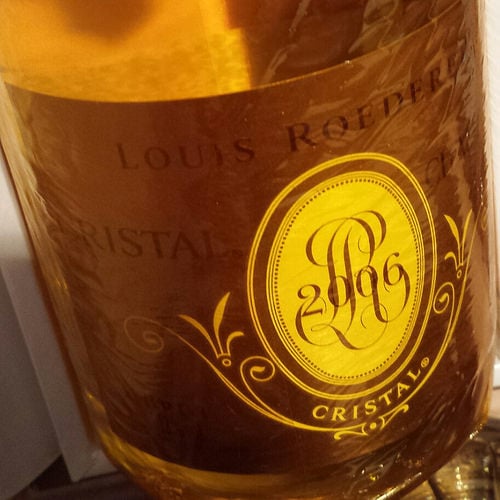
Cristal, which is a champagne produced by Louis Roederer, is known for its exclusivity and expensive taste.
While most champagne used to come in dark green glass bottles, Cristal was introduced in a clear flat-bottom bottle. The reason that Roederer designed it this way was that a tsar of Russia requested to be able to see the bubbles in the champagne. However, his real reason behind this was so that he could ensure there were no bombs inside the bottle since he was terrified of being assassinated.
Because this champagne was made specifically for royalty and has a distinctive bottle and label design as well as taste, it has remained one of the most popular and most expensive types of champagnes available today.
How much does a bottle of Cristal cost?
On average, most average sized bottles of Cristal are going to cost anywhere from $150 to as much as $300. However, some vintage bottles can reach well into the thousands, just like any other prominent wine brands. In 2005, for example, a bottle of 1990 Cristal Brut sold for $18,000 at Sotheby’s. The costs, in the end, will depend on the condition, if its vintage and where it’s being purchased.
We researched the Internet and we were able to find some vintage bottles, along with newer bottles. We included the price we had found in the table below:
| Year/Type | Price |
|---|---|
| Louis Roederer Cristal 2006 (1.5L Magnum) | $650 |
| Louis Roederer Cristal 2009 in Gift Box | $250 |
| Louis Roederer Cristal 3-Pack (2000, 2004, 2005) | $800 |
| Louis Roederer Cristal Rose 2009 in Gift Box | $550 |
| 2007 Vintage Louis Roederer Cristal Rose | $475 |
| 2007 Louis Roederer Cristal Vintage Magnum | $475 |
| 2007 Magnum (1.5L) - Magnum Vintage Rose Champagne | $1,100 |
| 2009 750ml - Vintage Champagne | $175 |
Wine-searcher.com claims that the average price for a bottle of Cristal champagne is $295.
WineFolly.com says the average cost is about $150, with the best years being 2005, 2004, 2002, 2000, 1999, 1997, 1996 and 1995.
Cristal overview
Cristal, the brand name of a Champagne produced by Roederer, includes a flat-bottomed, clear, crystal bottle, anti-UV cellophane wrapper, and gold label.
Cristal was first created in 1876 for Alexander II of Russia. The wine was not commercially available until 1945, and the 1974 vintage was the first release of the rosé Cristal. The grape composition is an approximately equal blend of Chardonnay and Pinot noir while therosé contains more Pinot noir and is colored with red wine the saignée method.
Meanwhile, the 2000 Cristal includes 55 percent Pinot Noir and 45 percent Chardonnay with a dosage of 10g/l.
Typical bottles are 750 mL.
The grapes are sourced from older low yielding vines and are cropped at the beginning. In the winery, all blocks are fermented.
Cristal is sourced from the oldest vines with a minimum 25 to 30 years old.
What are the extra costs?
Shipping costs may apply if purchased online.
Tips to know
A bottle of Cristal has a vibrant and mouthwatering taste and considered to have a dry and bubbly finesse. Flavors can include apple, lemon zest, orange peel, raspberry, white chocolate and pastry dough.
Foods that pair great with this type of wine is lobster, scallops and any type of white meat.
Storing the wine
Store the wine in an area at a steady temperature, such as a fridge or wine cellar. There are also some wine companies that provide wine storage to those who do not have the means to do so.
Store your bottles horizontally. This keeps the cork moist, which in turn, prevents unwanted air from entering into the bottle and marring the taste of the wine.
Do not leave the bottle in the freezer; if the contents freeze and expand, the bottle could crack.
Cristal is one of the many types of champagne or wine that has a unique and vintage label. To keep this label from getting damaged, keep the bottle out of humidity as much as possible. You can also cover the label with plastic to protect it.
How can I save money?
With so many wines on the market, Cristal tends to be expensive because of the celebrity image attached to it. If you can, try to test the wine before investing in a bottle if purchasing it for taste purposes.
Be on the lookout for local sales and/or promotions from local or online wine retailers. Since purchasing wine online is next to impossible, it is best to either call up a few local wine retailers or visit them in person to see what kind of deal you can take advantage of.
In the world of wines, as you may know, there are thousands of choices. If you don’t feel like paying $300 for a bottle of wine, but you want the same taste, then Beppi Crosariol of the Globe and Mail recommends the entry-level Louis Roederer Brut Premier for $70 or the Roederer Estate l’Hermitage Brut, $55 alternative. The lower-end, at $29, would be a bottle of Roederer Estate Brut.
How Much Does Dry Cleaning a Blanket Cost?
The problem with some blankets, particularly those made from wool, is that they cannot be washed or dried in a household dryer. Because of this, your only route may be the dry cleaners.
The cost of dry cleaning a blanket will depend on the material, the size and dry cleaner performing the job.

How much does dry cleaning a blanket cost?
As long as the blanket is not made of feathers or considered a down comforter, most dry cleaning jobs are going to be around $5 to $15. Premium blankets made from silk or wool, however, can cost upwards of $25.
At ApartmentTherapy.com, some users stated that they paid anywhere from $5 to as much as $20 to have a wool blanket dry cleaned.
Dry cleaning a blanket overview
Dry cleaners are going to price the blanket according to its size and material. These sizes will include a twin, double, queen and king. Even if the blanket was not designed for a bed, most will use this pricing structure.
Turn around times for a blanket should be from 24 to 48 hours.
When you take your down comforter to the dry cleaners, the first thing that they will do it tag it so that it does not get confused with any of the other items in the service.
Just like pre-treating your clothes when washing them at home, the dry cleaner will then pre-treat any spots or problem areas on your down comforter. The comforter will then be placed inside of a machine to be cleaned in the solvent.
After the washing is complete, the stains and spots will be inspected once more to ensure they are gone. If not, they will be further treated with a spot treatment solution.
Once all the washing is complete, the comforter will be dried, folded, ironed (if needed), and packaged for pickup.
What are the extra costs?
A down comforter is not considered a blanket by most dry cleaners. Since these comforters can be larger in size and take longer to wash and dry, the costs can easily exceed $25.
Delicate materials such as wool and silk can cost up to 30 percent more.
Additional add-ons, such as pillowcases, duvet covers, and/or shams, can cost extra.
Some dry cleaners can perform smaller repairs, ranging from replacing a zipper to repairing the lining around the blanket. Most repair jobs will cost less than $20.
If the company offers a delivery service, delivery charges will be extra and will depend on the distance from the cleaner.
Removing tough-to-remove stains can cost extra.
Tips to know:
If your washing machine has a delicate option, consider washing the blanket at home. Rinse with cold water and make sure it is on a lower spin.
Formulated detergents, such as Woolite, can help protect and clean delicate blankets.
If the tag on the blanket says “dry clean only,” it is best to not take your chances and dry clean it.
Consider going to the local laundromat. They tend to have larger washer and dryers and can cost less than a few dollars a load. If going this route, however, just make sure that you are using a four-load washer.
Regular brushing can smooth out a blanket surface. With delicate fabrics, consider using a natural sponge.
How can I save money?
Many local dry cleaners will list their prices on their website. If you cannot find it, consider calling them up to see what they charge.
If you are a newer customer, ask about promotions or discounts you can take advantage of. It also does not hurt to check local newspapers for coupons and special deals. Discounts may also be available for previous customers as well.
Once you find a dry cleaning service that you like, stay loyal to them. If you are going to take your blankets, comforters or clothing to the same place, they will more than likely give you the best price. You will also be able to get better customer service.
Those who need more than one item dry cleaned may want to consider getting everything done at once. This can help with bulk savings.
Some blankets can successfully be washed at home; however, before doing so, just make sure that you know what steps will work best. The process depends on the type of fabric.
How Much Does a TWIC Card Cost?
The Transportation Worker Identification Credential, also referred to as TWIC, is required by the Maritime Transportation Security Act for workers who need to access secure areas of the nation’s maritime facilities and vessels, according to the Transporation of Security.
This card allows professionals, such as the Coast Guard and other maritime-related workers, to gain access to ports and vessels without going through the standard security, customs and/or screening process.
The TSA, before assigning this card, conducts a thorough background check to determine a person’s eligibility.

How much does a TWIC card cost?
A TWIC card for new applicants, as of 2017, will cost $125.25, while a reduced rate, which is only offered to those with a hazardous materials endorsement or a Free and Secure Trade card, will pay $105.25. These costs will be the same, regardless of where you live in the United States. These prices are subject to change and should only be used as informational advice. Refer to the TSA official website for up-to-date pricing.
TWIC card overview
To apply, you will first have to complete an online application, or as an alternative option, you can apply in person at a local application center. After applying, according to the TSA, the applicant must then schedule an appointment online or call (855) 347-8371. While walk-ins are allowed, appointments will always take priority. During this appointment, you will need to provide required documentation, be fingerprinted and take a photo.
The card, once issued, is valid for five years. The card is tamper resistant and will contain an integrated circuit chip, which will contain all of your personal information, including your fingerprints, digital photo, full name and the expiration date. On the back, a magnetic strip, similar to a credit card, will be present, along with a linear barcode.
What are the extra costs?
A replacement card, if you were to lose your original card, will cost $60. Even if you lose your card, the TSA will provide you with a temporary receipt to use while your replacement comes in the mail.
The card, as mentioned, only lasts five years. When your card expires, you will have to follow the steps above and pay the fee once again. The renewal fee will be the same as the first-time applicant fee.
Tips to know:
To be eligible, you must be a United States citizen, naturalized citizen, nonimmigrant alien, refugee who is in lawful status, asylee or lawful permanent resident.
How long does it take to get a TWIC card? The card, depending on your personal history/record, can take anywhere from four to eight weeks to receive. With that being said, it’s wise to apply for the card at least 12 weeks in advance if you know you will need one in the near future.
Disqualifying factors, as according to the TSA, is broken down into three sections, each with its own host of reasons. Part A are permanent disqualifying criminal offenses, which include espionage, murder, treason and terrorism, and these factors will prevent anyone from getting a card. Part B are considered interim disqualifying criminal offenses and will include assault, extortion, kidnapping and smuggling, all of which need to be seven years after conviction or five years after being released from incarceration to become eligible for the card. Lastly, Part C covers warrants and indictments, and as long as active on your record, a TWIC card will be denied.
The TSA highly advises you take care of your card once you receive it. Similar to a credit card, it should be kept in the plastic case the TSA provides you and kept out of the sun or near a magnet.
How Much Does TV Screen Replacement Cost?
If your television screen broke or isn’t displaying the picture properly, it may be cheaper to replace the screen rather than purchase a new one.

How much does a LED tv screen replacement cost?
Depending on the size of your television and the brand, the cost to fix an LED screen is, often times, just as much as the television itself. According to our research, we had found most cracked LED screens would be around 90 percent of the television’s value, making it one of the most expensive television repairs. The only time the repair could be much less than the television’s value is if the plastic screen, between the glass section, has been fractured and the glass remained intact. If this were the case, then the repair could be about $300 to $400.
For example, one member on iFixIt.com said they were quoted $600 to $700 for the parts and another $200 for the labor to replace the screen on his Samsung television.
On the other hand, if the screen simply doesn’t turn on and no damage has been noted, then the costs could be much less, often around $150 to $250 to replace the control board, for example. But if this were the case, it would be a screen replacement, per se.
According to Today.com, the average LCD flat panel is designed to last 40,000 viewing hours, which doing the math, is close to 20 years. As the screen discolors or burns out, the repairs can cost as much as a new TV.
What are the extra costs?
If there’s no screen damage and it doesn’t turn on, it could be due to a myriad of factors, but even if you bring it into a repair shop, be prepared to pay $40 to $100 just to have the shop look at it.
Tips to know:
Even if your screen failed and you want to fix it, you’re going to find many professionals who simply don’t work with them as some older model parts are hard to come by. Since everything is on a circuit board, this board, according to PCMike.com, has to come from the manufacturer, which can take an independent shop quite some time to find. Plus, due to the size of a television, they are often too bulky and take up too much space in an already small shop.
If you’re going to scrap the television due to a faulty screen, consider taking the good parts out to resell them on eBay to help recoup the costs. The audio and video components, as long as in good condition, could bring in a few hundred dollars, depending on the television model.
How can I save money?
Check with your manufacturer to see if your television is still under warranty. If you are still covered, your repairs may be covered if the screen cracked due to a defect, not malicious intent.
95 percent of the time, repair technicians will always recommend replacing the television instead of fixing it, since, as mentioned, the costs will be the same as purchasing a new one. Repairing a cracked screen isn’t cost effective to put it simply.
If you perform the repair on your own, you may be able to resolve the problem by buying the appropriate parts on eBay or via a reputable parts company. Whatever the problem may be, you may find the problems are fixable on your own.
While it’s too late, highly consider buying an extended warranty with your next purchase. For as little as $100 to $200, your television could be covered for the next five years after purchase.
How Much Does a Harley Davidson Extended Warranty Cost?
A Harley Davidson extended warranty, a contract between the owner and Harley Davidson, continues to provide coverage after the manufacturer’s warranty has expired. This warranty provides full protection for the motorcycle, excluding parts due to wear and tear.

How much does Harley Davidson extended warranty cost?
- Depending on where it is purchased and the length of the warranty, the cost of a Harley Davidson extended warranty will vary from as little as $1,200 to as much as $2,200 for a five-year warranty from what we researched.
| Length of Warranty | Average Dealer Quote |
|---|---|
| 3 years/unlimited miles | $1,000 |
| 4 years/unlimited miles | $1,100 |
| 5 years/unlimited miles | $1,250 |
| 6 years/unlimited miles | $1,450 |
| 7 years/unlimited miles | $1,750 |
- Online, we were able to find a lot of Harley owners who shared the prices they had paid for their extended warranty and included our findings in the table below:
| Geographical Location | Price Paid | Length of Warranty |
|---|---|---|
| Louisville, KY | $1,700 for $50 deductible with no tire coverage | 5 years |
| Nashville, TN | $1,900 for $50 deductible | 5 years |
| Des Moines, IA | $2,100 for $50 deductible with tire coverage | 5 years |
| Detroit, MI | $1850 for $50 deductible | 5 years |
| Dallas, TX | $1,799 for $50 deductible, no tire coverage | 5 years |
| Tampa Bay, FL | $1,344 for $50 deductible with no tires | 2 years |
| Atlanta, GA | $1,984 for $50 deductible with no tire | 3 years |
- According to this Harley-DavidsonForums.com forum thread, dealers usually do not charge the same price, and the cost, from what forum members researched, runs around $774 to $2,000. A $50 deductible plan from a local credit union, for example, could cost around $774.
- On the other hand, according to this HDTalking.com forum thread, a Harley Davidson extended warranty for two to five years can cost around $964 to $1,644.
What is going to be included?
- According to Stonewall Harley-Davidson, typical official plans offered by Harley Davidson will include a $50 deductible plan and will cover the drivetrain, motor, and transmission and will last five years. However, it does not cover everyday wear and tear of parts such as tires, brake pads, and belts, just like a vehicle warranty. All repairs, when needed, will be performed at a Harley Davidson dealership using genuine parts.
- Other benefits include reimbursement for towing (up to $200), lodging ($150 per day) and a car rental ($750 maximum). Roadside assistance is also provided 24 hours a day.
- If you do decide to sell your motorcycle in the future, and it is still covered by the warranty, then you will still be able to transfer it as long as it’s an official Harley Davidson warranty.
- The coverage will begin after your factory warranty expires.
What are the extra costs?
- For an additional surcharge, usually a few hundred dollars more, owners can add tire and wheel coverage, an option designed to replace your tires if they were damaged due to a road hazard.
How can I save money?
- Aside from the dealer, do not forget to check with local third parties to see what kind of warranties they can provide. These third parties can offer similar coverage for a lot less; however, before choosing a third party always research their reviews online to ensure you’re buying from a reputable company.
- Do not be afraid to haggle. Many dealers are more than willing to bring their prices down. Most people that have purchased in the past stated that they often were able to get up to 10 percent off.
How Much Does Pyometra Surgery Cost?
Pyometra is a potentially life-threatening condition that affects the uterus of an unspayed cat or dog. The uterus becomes filled with pus and will continue to spread, leading to something known as sepsis. Underlying conditions often point to urinary tract infections and/or poor hygiene.

How much does pyometra surgery cost?
On average, the entire surgical procedure is going to cost $500 to as much as $2,200+, depending on the severity of the condition, where you live and vet performing the procedure. The costs, however, can be double if you were to have the procedure done at a local emergency clinic. These estimates won’t include pre-operative tests as we talked about below.
For example, a vet on JustAnswer.com said that his clinic would charge around $1,200 to $1,500 for the procedure.
At Animal Alliance, a freestanding low-cost spay/neuter clinic for cats and dogs in New Jersey, the cost of dog spaying is $125 to $250, depending on the weight of the animal. For a pyometra emergency surgery, an additional $200 is required for IV fluids, antibiotics, hospitalization, and pain medication.
According to this forum thread on DollarForum.com, a forum member was quoted $1,105, which included the anesthetic, removal, medication, saline and ear cleaning. From the responses received, the price seemed to be fair, but some had paid closer to $900 in the early 2000s.
Pyometra surgery overview
There are two types of pyometra: open and closed. In open pyometra, the cervix stays open, but the infection drains from the uterus, often the first sign of pyometra, whereas in closed pyometra, the cervix is sealed, trapping the infection inside of the uterus. In this scenario, it can be more severe since there’s no escape from the infectious discharge, often leaking into the bloodstream and abdomen, eventually leading to death if untreated.
Before the treatment, your vet, depending on the circumstances, may want to take a blood test, urinalysis, culture analysis, radiograph and/or ultrasound. Blood tests can help diagnosis pyometra since the white blood cell count will be high, often an indicator of the disease. A urinalysis can be ordered to check the urine concentration. In the case of pyometra, a low urine concentration may point to the disease as well. Radiographs and an ultrasound can both examine the uterus to see how swollen it is and help determine if the animal is either pregnant or suffering from the fluids causing the swelling.
During the surgical procedure, the dog will immediately be put on fluids to help keep the dog hydrated. The procedure is going to be similar to that of a spay; however, the chances of risk is greater due to the chance of toxic contents mixing with the uterus. To prevent the toxins from mixing in, the vet will often create a “dam” that is used to create a barrier. With the barrier, they will be able to remove the pus.
Most pets, as long as the surgery is deemed successful, will recover in a few weeks. Your pet will have to stay a few days at the local vet hospital.
What are the extra costs?
As mentioned above, a series of blood and/or urine tests will be conducted by the veterinarian before the surgery even is considered/begins to confirm their diagnosis. The test will typically show that the body is fighting a severe infection, and an ultrasound and/or X-ray is also usually performed to check the uterus. The cost of the tests may depend on the veterinarian or laboratory but can easily add another $500 to $1,000 to the total estimates above.
Other extra costs to budget for will include the antibiotics prescribed after the treatment to help your pet recover. This can cost close to $100.
Intravenous fluid therapy, if necessary, may be an additional $150 to $300.
Tips to know:
The following symptoms can often be seen with pyometra: pale gums, lethargy, weight loss, vomiting, diarrhea and/or abdominal distension.
There are cases when an animal dies, even after undergoing the best treatment. This occurs when the animal suffers septic shock or when toxins have moved out of the uterus and entered the bloodstream.
According to the VCA Hospitals, the success rate for treating open-cervix pyometra is approximately 75-90% in uncomplicated cases and the success rate for treating closed-cervix pyometra is only about 25-40%.
How can I save money?
Even though it may be too late, the best way to prevent pyometra is simply by having your animal spayed as soon as possible. When the uterus is removed, the likelihood of it developing the infection is down to zero, avoiding costly pyometra-related expenses. The process can be done around six months, and spaying, on average, can cost $300 to $600, depending on the type of animal. If getting your pet spayed through a charity or local shelter, however, the costs can greatly be reduced.
Those who can’t afford the payments up front can often work out payment plans with the vet’s office or can be referred to a company that may be able to set you up with a special loan.


