
How Much Does Asphalt Resurfacing Cost?
| Need a pro near you? Get multiple quotes for free online. Get your quote now >> |
Asphalt resurfacing is a process used to repair an asphalt driveway, street or parking lot, and like anything, asphalt has its flaws.
For example, asphalt surfaces can begin to crack over time, especially if the foundation wasn’t perfect, but thankfully, there are options when asphalt needs to be repaired.
For starters, you can choose to simply patch the areas that are in poor condition and fill the cracks that have appeared. Another option is repairing the area, which would entail ripping out the old asphalt and reconstructing the foundation. Asphalt resurfacing, however, is a simply a layer of asphalt, usually one to three inches thick, that is laid on top of the existing asphalt, creating a new appearance.

How much does asphalt resurfacing cost?
Depending on the company performing the job, the size of the job and geographical location, the costs for asphalt resurfacing will usually range around $1.50 to $3.50 per square foot. For example, a typical driveway which measures 750 square feet could cost $1,125 to $2,625 to resurface. Most quotes are fairly straightforward, and it can be easy to get quotes online as long as you know your driveway dimensions. If you don’t want to bother researching contractors or you don’t know where to start, consider getting free quotes by using HomeAdvisor.com. Here, you can provide your dimensions, pictures and receive quotes by email or phone.
The estimates mentioned above, at a minimum, should include cleaning the old surface, chipping away the edges to ensure adhesion and applying a new topcoat. The process should be able to be completed in a day.
According to DrivewayGuide.com, the cost of asphalt resurfacing is less than having a new asphalt driveway installed. The cost of asphalt replacement, where a fresh topcoat is placed onto the old asphalt surface, is around $1.50 to $2 per square foot.
What are the extra costs?
A good asphalt driveway can last up to 20 years. If the driveway is older than this, it may have to be replaced completely. If your driveway had to be repaved, then it’s safe to double or even triple the estimates you initially received.
If you were to want patterns or colors, this could increase the costs to as high as $8 per square foot.
Tips to know
Resurfacing is faster and much simpler when compared to repaving a driveway, and as mentioned, resurfacing involves applying a new driveway over the older one. The first step involves filling in any cracks to create an even base. Then, a new asphalt layer is applied, ranging from one to three inches thick, depending on the circumstances. Finally, a heavy rolling machine flattens the new layer to create a new looking driveway.
Don’t confuse resurfacing with resealing because the two are completely different. Resurfacing involves applying a protective coating to the asphalt, while a resealing job protects your driveway from the elements, effectively prolonging its life.
Experts recommend resurfacing your driveway when more than 30 percent of your driveway is cracked.
In the future, experts highly recommend sealing your driveway every year to prolong the driveway’s life.
How can I save money?
As with any contracting job, be sure to get three to five quotes before deciding on a quote. Aside from focusing on a price, always make sure the contractor is insured, licensed and has reputable reviews online. You will also want to drive by previous jobs to see how the resurfacing has held up. Many contractors are happy to offer you a free estimate.
How Much Does an Astym Certification Cost?
According to astym.com, Astym® treatment sets the standard for soft tissue therapy. It regenerates healthy soft tissues, such as your muscles and tendons, and removes unwanted scar tissue that may be causing pain or movement restrictions. Astym® has helped countless patients by restoring their movement, getting rid of their pain, and giving them back their lives.
Astym® is a non-invasive rehabilitation program that helps stimulate the body’s healing and is often used to treat muscles and ligaments and only a certified therapist can perform this type of treatment.
The Astym® system is an evidence-based, non-invasive rehabilitation program that stimulates the regenerative healing process of the body. Its goal is to stimulate the body’s healing response, which can lead to resorption and remodeling of the scar tissue as well as regeneration of degenerative tendons.
How much does an Astym certification cost?
To become certified, you will have to attend an official education program, and the costs of the entire certification program can be around $1,000 to $5,000. The costs, however, according to the official website, will depend on the plan your clinic chooses, so be sure to use this as an average only. Since these clinics can vary in size and needs, the prices can be higher or lower.
According to Des Moines University, its Astym® certification course can cost $995 to $5,000 per clinician.
According to this forum thread on KneeGuru.co.uk, the costs of the program, when they inquired about it, was about $5,000 for those who certify in both the upper and lower extremities.
Astym certification overview
Typical courses run for eight to 15 contact hours, and the course is broken down into two parts: the upper and lower extremities. The upper extremity portion of the Astym® course is 15 contact hours while the lower extremity portion is eight contact hours. The full course should last less than a week and most complete it in three days.
Upon completion of the course requirements, the participant will be mailed certification, which includes the contact hours earned. Once all the certification requirements are complied with, the participant will be permitted to perform Astym® treatment at his or her clinic.
Once certified, participants can receive clinical updates, research, access to their medical staff, consultations, resources, access to a library of educational tools and a lot more.
What are the extra costs?
ASTYM uses plastic instruments can cost an average of $200 to $450~ per set, but on Amazon.com, they can be much cheaper.
Tips to know
Contact an Astym® provider in your area by calling 800-333-0244 or visit their official website for more information on the certification course as well as the comprehensive certification schedule. The team of instructors can help prepare you.
Astym® also has an online Provider Resource Center that provides materials and strategies, including referral sources.
The perks of becoming certified
Research and news on the latest research and expansions in Astym® clinical applications.
Access to a full-time medical director and clinical staff.
Consultation with referral sources.
Access to a custom, internet-based outcome system.
Resources to educate referral sources and the community on why they should consider you as an Astym® provider.
Real world outcomes data from across the country and customizable reports for use in obtaining new referrals, insurance contracts, cash-based business, educating referral sources, payers and patients, and providing valuable benchmarking data.
Library of educational review videos.
Marketing support that can reduce your marketing expenses substantially.
How to save money:
Instead of paying a lump-sum payment, the organization allows you to pay over time.
How Much Does Asparagus Cost?
When it comes to asparagus, only the young shoots are commonly consumed. Once the buds start to open, the shoots will start to taste woody if not used immediately.
Asparagus, a spring vegetable and flowering perennial, is native to most of Europe, northern Africa, and western Asia and is widely cultivated as a vegetable crop.

How much does asparagus cost?
The cost of an asparagus depends on where it’s purchased, time of year, if it’s fresh, the type and geographical location. On average, plan on spending anywhere from $1 to as much as $4 per pound of fresh asparagus depending on the season. Fresh asparagus, when in season, can cost around $2 a pound. Organic asparagus at a local farmers market will be on the higher end, sometimes costing as much as $3 to $5 per pound.
At Walmart, the costs of a bunch retailed for $2.97 in the month of August.
Sam’s Club offers asparagus in two-pound bundles that retail for close to $9 or $4.50 per pound.
According to this USDA report, the average cost of fresh asparagus per cup was $2.58 in 2013.
Frozen and canned asparagus, on the other hand, costs around $2 to $5 per 14-ounce can or eight-ounce bag.
Asparagus overview
Asparagus is often sold in a bunch. Typically, you will get anywhere from 15 to 30 stems in a bunch wrapped with a rubber band and label at your local grocery store.
Asparagus grows around three to five feet tall, with stout stems and feathery foliage. The leaves are needle-like stems which grow around six to 32 millimeters long and one millimeter wide. The flowers are bell-shaped with shades of greenish-white to yellow and are around four to seven millimeters long. The fruit is a small red berry that is poisonous to humans.
Asparagus is made up of 93 percent water and is a good source of vitamin B6, calcium, magnesium, zinc, dietary fiber, protein, vitamins A, C, E, and K, as well as thiamin, riboflavin, niacin, folic acid, iron, phosphorus, potassium and manganese, among others. It is also rich in amino acids. According to Aldi, you won’t find any fat, cholesterol, sodium or saturated fat.
There are different varieties of asparagus, including cultivated, green, white, purple and wild. Each of these varieties will be about the same price, with the exception of wild asparagus, which will be priced higher due to the rarity.
Tips to know
To prepare asparagus, rinse the spears and break off the rough ends before cooking.
There are quite a few ways that you can cook your asparagus, including steaming, baking, boiling, stir-frying, roasting, and grilling. For different tips and recipes, check out this About.com article.
Fresh asparagus will store for about one week when stored in a refrigerator. When storing, trim the stalk ends and stand the asparagus up in a mug filled with two inches of water. Loosely cover these tops with a plastic wrap to maximize its freshness.
When picking a bunch at the store, choose one with an odorless stalk and tight tips. Avoid wilted or poor looking stalks.
It will take an asparagus plant three years after it’s planted to produce the edible spears. Generally, it will continue to produce these spears for up to 15 years.
How much asparagus per person? One pound will generate up to 15 spears, typically up to 10 inches long and a half inch thick. Using this formula, plan on serving two to four people with one pound of asparagus.
How can I save money?
Do not forget to look for sales at your local grocery store. If on sale, don’t be afraid to stock up since you can freeze it for future use.
Local farmer’s markets can often be cheaper and fresher than your local grocery store.
How Much Does an ASCAP License Cost?
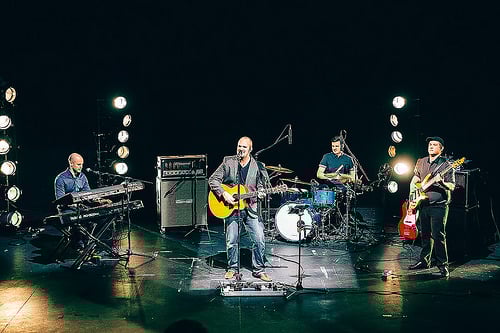
If you own a business and you want to broadcast copyrighted music to the public, there’s a good chance you will need an ASCAP license to legally broadcast it.
This license offers you public performance rights, allowing to legally play over 4,000,000 songs to the public.
How much does an ASCAP license cost?
The cost of an ASCAP license will be based on a few factors: the type of facility you run, how much music you’re playing, the occupancy, admission charge and other miscellaneous factors. The geographical location plays no role as the rates are the same across the board in the United States.
We took a look at their official rate reports and included the quotes we had found inside our table below:
| Type of License | Rate Schedule (per year) |
|---|---|
| Blanket Concert/Recital (based on seating capacity) | - 0 to 2,500: 0.80% of gross ticket sales - 2,501 to 5,000: 0.40% of gross ticket sales - 5,001 to 10,000: 0.25% of gross ticket sales - 10,001 to 25,000: 0.20% of gross ticket sales - 25,001+: 0.10% of gross ticket sales |
| Bowling Alley | $29.10 per lane ($338 minimum fee) |
| College | $0.35 per full time student ($286 minimum fee) |
| Conventions (based on attendees and per event, not year) | - Less than 1,500: $125 - 1,501 to 3,000: $439 - 3,001 to 5,000: $732 - 5,001 to 10,000: $1,359 - 10,001 to 20,000: $2,507 - 20,001 to 50,000: $5,016 - 50,001 to 100,000: $7,524 - More than 100,000: $9,929 |
| Dance School (based on students per week and depends on dance instruction) | - Less than 75: $68.51 to $137.01 - 76 to 150: $137.01 to $274 - 151 to 300: $205.50 to $411.02 - 301+: $274 to $548.01 |
| Endurance Events (based on attendees and per event, not year) | - Under 1,000: $80 - 1,001 to 2,500: $138 - 2,501 to 5,000: $207 - 5,001 to 10,000: $294 - 10,001 to 20,000: $412 - 20,001 to 30,000: $481 - More than 30,000: $614 |
| Ice Skating Rink (based on square footage and depends on admission price) | - Up to 10,000: $412 to $1,632 - 10,000 to 20,000: $563 to $2,442 - 20,000+: $762 to $3,288 |
| Indoor playground (depends on square footage and admission price) | - Less than 7,500: $415 to $748 - 7,500 to 15,000: $582 to $997 - 15,000+: $829 to $1,249 |
| Private Clubs (based on annual expenditure) | - Less than $5,000.00: $154 - $5,000.00 to $9,999.99: $231 - $10,000.00 to $14,999.99: $303 - $15,000.00 to $24,999.99: $457 - $25,000.00 to $34,999.99: $605 - $35,000.00 to $49,999.99: $754 - $50,000.00 to $64,999.99: $902 - $65,000.00 to $79,999.99: $1,139 - $80,000.00 to $99,999.99: $1,518 - $100,000.00 to $119,999.99: $1,898 - $120,000.00 to $139,999.99: $2,277 - $140,000.00 to $159,999.99: $2,657 - $160,000.00 to $179,999.99: $3,036 - $180,000.00 to $199,999.99: $3,416 - $200,000.00 to $249,999.99: $3,795 - $250,000.00 to $299,999.99: $4,180 - $300,000.00 and over: $4,554 |
| Restaurant, Bar, Nightclubs (per occupant) | - $4.99 to $5.98 for live music (depends on frequency per week) - $2.31 to $3.49 for recorded music * Add $2.01 per occupant if cover charge. Other fees may apply based on the formula. See here: https://www.ascap.com/-/media/files/pdf/licensing/classes/2017-licensing-agreements_rates_reports/restaurants-bars-and-nightclubs-rate.pdf?la=en |
| Retail | - $241 for up to three speakers for audio only ($49.50 for each additional and maximum license is $2,018.50) * Bulk discounts apply for chains with more than 200 locations |
| Roller Skating Rinks (depends on square footage and admission price) | - 1 to 10,000 square feet: $242 to $1,926 (higher the price, the higher the fee) - 10,001 to 15,000 square feet: $362 to $2,887 - 15,000+ square feet: $453 to $3,544 |
| RV Park/Campground (based on number of campsites) | - 1 to 99: $271.50 - 100 to 149: $383 - 150 to 249: $512 - 250 to 349 $ 664.50 - 350 and over $828.50 |
| Shopping center (charged daily) | - up to 299,999 square feet: $44 - 300,000 to 899,999 square feet: $60 - 900,000+: $73.50 |
| Yoga | - $69.50 per premise |
NOTE: These quotes were obtained by the official ASCAP website and are accurate as of 2017. These rates are subject to change, and depending on the venue, additional fees may apply based on the formulas. ONLY use this as a ballpark estimate.
ASCAP, according to CustomChannels.net, has its own pricing model. You will take the occupancy and multiply it by $3.33 to come up with your annual number; however, according to the ASCAP, they have an annual minimum fee of $356. For example, if your restaurant could hold 300 patrons, then your annual bill would be $999, but do keep in mind that other factors do apply, but for the most part, this should offer an ideal annual fee you could be paying if you were to buy a license.
A coffee shop, according to this Digital Music News article, stated they had to pay $600 a year to play live music.
According to the official ASCAP website, the cost of obtaining an ASCAP license to perform music depends on the type of business you are running. Generally, the rates are based on how the music is played, such as live, recorded, audio only, or audio/visual. The size of the establishment or potential audience for the music, the time that the music is played, and whether or not the admission is being paid, may also affect the price.
ASCAP overview
When you want to receive a quote from ASCAP, they will ask for information such as your total occupancy and how you’re going to feature the music. This can include using live bands, featuring a DJ, playing streaming music, playing AM/FM radio, broadcasting television shows, using a non-digital jukebox and/or charging a cover charge. All of these factors can greatly affect the estimate mentioned above. Similar to a tax form, you will be asked to input the information and use basic math formulas to come up with your one-time, daily or annual cost.
What are the extra costs?
Not all songs are licensed by the ASCAP, and aside from the ASCAP, other licenses may be needed through the BMI and SEASAC, depending on which music you plan on playing. According to the Phoenix New Times, 97 percent of all music played in the United States is licensed by the BMI and ASCAP. For the most part, take the number you came up with above and multiply it by two or three if you were to sign up with all three companies.
Tips to know
Failing to purchase a license can lead to potential lawsuits. All organizations will often send out representatives undisclosed with recorders, and if your venue is not registered with a license, lawsuits can potentially follow.
Pandora, Spotify and SiriusXM, unless it’s a commercial account, can’t be played inside a commercial venue as it’s only licensed for personal use.
Federal copyright law, Section 110 (5)(B), exempts restaurants that play music transmitted via radio, TV and cable and satellite sources if they don’t charge to hear the music. However, live bands, CDs and music played by other means won’t be covered by the exemption. This exemption only applies to establishments smaller than 3,750 gross square feet.
To see if a performer is licensed by ASCAP, refer to this official search engine.
How can I save money?
Consider bypassing the licensing and signing up for a service that allows you to play background music legally. CustomChannels.net, the company we sourced above, for example, offers monthly plans for as little as $35 per month. 100 percent legal, the service is fully licensed with all ASCAP, BMI, SESAC, GMR and SoundExchange license fees and no contract is required. If you want to play music legally and don’t want to worry about signing up with these licensing companies, then these premium services may be worth looking into.
Instead of playing copyrighted music, you can avoid these licensing fees by playing copyright-free music, playing original music from local musicians or even classical music before 1922. Nolo also recommends playing the radio if your store is less than 2,000 square feet; however, you will need to use fewer than six speakers in a room to be exempt from the fees.
How Much Does a Traffic Light Cost?
Traffic lights are electrically-operated traffic control instruments that control traffic by signaling when to proceed and when to stop.
These devices are regarded as a viable means of controlling traffic, providing the maximum level of control, especially at intersections.

How much does a traffic light cost?
Purchasing a traffic light for personal use can range anywhere from as little as $90 to as much as $300+, and the costs will depend on the type and where it’s purchased from. Most of the time, these are novelty traffic lights and won’t resemble the ones you see on the road. Even if you’re able to purchase one that you see on the roads, it won’t be able to function on a timer; instead, a mini-circuit will be wired inside to make the light sequence rotate as it would on the road.
On eBay, for example, a real working used traffic light had a buy it now options ranging from as little as $90 to more than $300.
If you’re talking about the costs the government has to pay, the costs can range anywhere from as little as $80,000 to more than $500,000 to purchase and install the traffic lights. When you add in the routine maintenance and electric bills, this can be an additional $5,000 to $10,000 a year.
According to the Arizona Department of Transportation, a modern traffic signal can cost $80,000 to $100,000 to install, depending on the complexity of the location and the characteristics of the traffic in the area.
According to the city of Woodbury, Minnesota, a complete traffic signal for a standard four-way intersection will cost around $250,000 to $300,000. Other expenses like project inspection and design can bring up the cost to almost $300,000.
As for just the traffic light, without installation factored in, the traffic signal controller alone can cost close to $9,250. The 16 signal heads can cost a total of $13,350.
What are the extra costs?
Electic bills can average $1,500 a year per traffic light.
In addition to the electric bill, routine maintenance can cost around $8,000 a year.
Every 10 years, according to the U.S. Department of Transportation, the traffic light signal controller will need to be upgraded, at a cost of $10,000. Routine timing updates, however, can be less than $3,000 per intersection.
How Much Do Progressive Lenses Cost?
Progressive lenses, also known as no-line bifocals, provide a gradual change in lens strength, helping you see at any distance. With three prescriptions built into one, these lenses are recommended for those who need glasses both for distance and for reading and find the traditional bifocals uncomfortable.
Progressive lenses are the preferred type of bifocal lenses because they contain no visible line and are more functional, allowing you to see with complete clarity.
While anyone can use these lenses, most eye doctors will prescribe them for people who are older than 40 years old.

How much do progressive lenses cost?
The cost of progressive lenses will depend on the brand, type and where they are purchased. On average, plan on spending anywhere from $85 to as much as $400 on just the progressive lenses. This price won’t include the frames or prescription. By the time you add in the lenses, frames, the prescription and coating, most people find themselves paying a grand total of $300 to $550+ for progressive lenses.
At Walmart, for example, members on Firmoo.com said they were quoted anywhere from $70 for a basic lens to as much as $160 for a high index. This didn’t include the costs to coat the lens or the frames. By the time you add everything in, the total costs could be close to $400.
At Costco, a pair of HD progressive lenses with anti-reflective coating and UV protection costs $130m according to Consumer Reports. In this same report, CR notes the average progressive lenses can retail for $260.
LensCrafters, a popular retailer of prescription eyewear, apparently sells its progressive lenses for $500 to $600 total when the frames, prescription, and lenses are included in the estimate. These estimates were gathered on ConsumerAffairs.com.
OpticianWorks.com says you should be prepared to spend $200 to $600 for a complete pair of progressive glasses. They also recommend avoiding purchasing the latest and greatest marketing gimmick unless it has a 100 percent money back guarantee.
Warby Parker progressive lenses, depending on the type, can cost $275 to $375 for just the lens.
Freeform, another popular brand, can cost $130 to as much as $299+ for a high index lens. Varilux, another brand consumers consider, can retail anywhere from $129 to more than $400 for just the lens.
Progressive lenses overview
Progressive lenses have a few options available. Standard progressive lenses, for example, offer a wider reading scope but require a specific-sized frame to ensure a smooth transition from distance vision to near-sight tasks such as reading. Short-corridor progressive lenses are designed to fit into smaller frames and have reading vision “corridors” that are not wide. Computer progressive lenses are designed for office use and appropriate for people who use a computer for more than four hours a day. Lastly, premium progressive lenses offer a wider reading area without the usual distortion.
Depending on the supplier and the brand, progressive lenses should come with a free case and limited warranty, which usually lasts up to a year.
What are the extra costs?
As mentioned, the estimates above are for the lens only and won’t include the frames. Depending on the brand, frames can be anywhere from as little as $15 to more than $150+
A prescription will be required, and depending on where you go, this can be another $60 to $125 without insurance.
If you want your lenses to be coated, this could be an additional $40 to $90. Adding a tint can be an additional $5 to $20.
Shipping fees, if you were to buy online, may apply, depending on the retailer.
Tips to know
It will take some time to get used to your progressive lenses, and while it’s tempting to switch back and forth from your new glasses to your old, avoid the temptation. The more you wear your new lenses, the quicker you can get used to them, according to VivaFifty.com. The website also notes moving your head while using the glasses instead of your eyes. This can help you avoid eye strains, which can eventually lead to headaches and discomfort. Give it at least two weeks, at a minimum, to get used to your new progressive lenses.
Progressive lenses, just like other lenses, do have its pros and cons. As for advantages, you won’t need more than one pair of glasses, because as mentioned, all three of your prescriptions will be built into one. Also, according to WebMD.com, you won’t get a “jump” when you’re focusing from one area to the next, creating a smooth transition. The drawbacks, according to most, will be the adjustment period. Unlike traditional lenses, it can take the time to train yourself to get used to the lower part of the lens when reading or looking straight ahead. Some people may never adjust, but even if you do eventually, you may feel lightheaded or even get headaches during the transition period.
How can I save money?
Highly consider shopping online before you purchase from a local company. Most of the time, the costs will be cheaper.
Consider looking for coupons or special sales at a local vision center to see if any make sense for your budget. With these sales, however, be sure to read the fine print to know what your limitations are.
If your frames are still in good condition, consider keeping your frames to save upwards of $150+.
Shop around. With so many vision centers, talk with a few over the phone to see if you can get a ballpark price before making an appointment.
How Much Does Urgent Care Cost?
Urgent care is a physician-staffed clinic that offers walk-in medical services for minor illnesses and injuries such as the common flu, cold or allergies.
These centers provide services on a walk-in basis, meaning that there is no appointment necessary.

How much does urgent care cost?
For a simple visit to the urgent care, without any sort of vaccination, procedure, or medication, the costs for a single urgent care visit can range anywhere from $75 to $250 without health insurance. The cost will depend on the injury/illness, the geographical location, urgent care affiliation and if additional tests are needed. Since most urgent care centers are often individually owned, it can be hard to offer an exact cost, just like any other medical service.
However, if you have health insurance, urgent care should be covered, and you will only be required to pay your co-pays, deductibles, etc. Many of these facilities accept most private health insurance plans, with average co-pays ranging from $25 to $50. To find a new health insurance policy or maybe switch the one you have now, consider browsing through hundreds on eHealthInsurance.com for free.
Refer to the table below for the nine most common illnesses and cost estimates.
| Illness | Price Range |
|---|---|
| Allergies | $100 to $150 |
| Bronchitis | $125 to $200 |
| Earache | $110 to $175 |
| EKG | $75 to $150 |
| IV | $75 to $150 |
| Physical | $25 to $75 |
| Pink Eye | $100 to $150 |
| Pregnancy Test | $30 to $50 |
| Sinusitis | $110 to $175 |
| Sore Throat | $90 to $125 |
| STD Testing | $50 to $100 |
| Stitches | $125 to $300 |
| Strep Throat | $100 to $150 |
| Upper Respiratory Infection | $110 to $150 |
| Urinary Tract | $110 to $150 |
| X-ray | $200 to $400 |
NOTE: These are the costs on top of the first-time visits mentioned above.
According to a study done by the Annals of Internal Medicine, stating the average cost of an urgent care visit for three common ailments was $155, while other estimates were inside the $71 to $125 range.
UrgentCareCenters.com states that the basic urgent care costs usually range anywhere from $75 to $150 per visit, depending on location and if the patient has insurance.
According to ConsumerReports.org, the cost of urgent-care is moderate and is about $120 on average.
What are the extra costs?
Medication may be prescribed, depending on the reason you’re visiting. The cost of the medications depends on the prescription and won’t be included in the estimates.
Tests may be required depending on the medical condition. This could include a strep test, blood work or x-ray, for example. Refer to our table below to see what the additional tests could cost.
Tips to know:
If the urgent care is associated with a hospital, it could be an emergency room in disguise, according to Compass Professional Health Services. This means your bill will be similar to that of an emergency room, meaning your bill could be much more than expected. Before you pay for any services, ask the clinic in advance if they bill as an ER or urgent care center. Even if they confirm they bill as an urgent care center, be sure to get it in writing and write down the employee’s name in case a dispute does happen in the future.
Does urgent care accept Medicaid? This will all depend on the urgent care’s billing policy. Unlike an emergency room that needs to accept anyone who walks through its doors, an urgent care, since it’s privately owned, can be picky with who they accept. The answer: it’s either yes or no. Talk to the urgent care by phone before showing up to see if they accept it. If they do, they will just ask for your insurance card before services are rendered.
The most common illnesses or injuries covered by urgent care are allergies, rashes, pinkeye, stitches, sprains, strains, cuts and bruises, minor head injuries, minor broken bones, mild asthma attacks, minor infections, colds, coughs, sore throats, rashes, minor burns, urinary tract infections, and pelvic infections.
Urgent care centers will staff either urgent care physicians, registered nurses, and/or nurse practitioners.
Difference between urgent care and ER
According to Blue Cross Blue Shield, if the condition isn’t life-threatening but needs to be taken care of right away, then an urgent care will be your best choice. These non-life threatening illnesses can include a fever, ear pain, sore throat, vomiting, asthma, rashes and infections. As mentioned, these centers will be open late after normal business hours and many offer on-site diagnostic tests but may be limited in terms of other testing options. Plus, the costs will be much less.
Emergency rooms, on the other hand, will be a place for life-threatening conditions and will be open 24 hours, seven days a week. These life-threatening conditions may include a head injury, coughing blood, chest pain, spinal injuries, uncontrollable bleeding, seizures and severe burns. They will have the widest range of services, including all diagnostic tests and access to specialists.
In the end, use your judgment. If you feel as if you need care right away, then choose your local hospital; however, if you were able to wait for an hour or so in a waiting room and you’re okay with that, then an urgent care will be a better option, especially if you’re looking to save money.
How can I save money?
Make sure you check with your insurance company ahead of time to see which urgent care clinics they cover. This can be found using the official insurance network search tool on the official website or you can call their customer service number.
If you don’t have insurance, many urgent care centers are happy to offer a cash discount if you pay up front.
Highly consider using a telemedicine app such as Teledoc or Doctor on Demand, for example. These apps are staffed 24/7 with licensed doctors, who are available either by phone or webcam. Just like a doctor’s visit, you will explain your symptoms, and if the doctor is able to diagnose you over the phone, they can send in a prescription to a local pharmacy. Depending on your insurance and the app you choose, the costs can be as little as $25 per visit, and you don’t even need to leave your home.
If at all possible, wait until you make an appointment with your physician. Even if your doctor’s office is closed, see if they have an after-hours line you can take advantage of to talk to either your doctor or a nurse. Depending on the office billing practices, the office may charge you, or in some cases, they may even waive the fee if you’re an established patient. Urgent care center co-pays will always be more than your local doctor’s office.
If you live in an area with a few options, consider calling to see who can offer the best deal for your situation. Most urgent care centers can offer a ballpark estimate over the phone.
How Much Does a Trespassing Ticket Cost?
In general terms, trespassing occurs when a person knowingly enters a piece of property that is not his or her own and remains there despite having been requested to leave by the legal occupant/owner.
A trespassing offense can also be associated with a criminal violation such as harassment, stalking, a violation of a restraining order, disorderly conduct, loitering, electronic encroaching or hacking, and other forms of offenses.
In general, if you see a sign warning you to not trespass and you decide to ignore it, then you will be charged with criminal trespassing if caught.
Because of these broadly applied statutes, you might require the expertise of a legal professional to determine the extent of certain criminal trespassing cases.

How much does a trespassing ticket cost?
The cost of this fine will depend on where you live, how your trespassing is classified by the state and if an attorney is involved. On average, most trespassing tickets fines can vary anywhere from $100 to as much as $2,500+ for a misdemeanor. As for a felony, it’s not unheard of to hear fines go up to $100,000. In most cases, a criminal trespass, as long as this is the only crime involved, will be less than $500.
JacksonWhite, an attorney located in Mesa, Arizona, breaks down the three offenses you may face if you were to trespass in Arizona. For example, a person who commits first-degree criminal trespassing could fast no more than six months in jail and a fine up to $2,500 for a misdemeanor. In the second degree, the fins will not exceed $750, while trespassing in the third degree will not exceed $500. These fines will ultimately be based on your criminal record and the judge.
A lawyer on Avvo.com answered this question and stated the fines can range from $50 for a class three misdemeanor to as much as $100,000 for a first class criminal trespass, which is deemed a class five felony.
According to CriminalDefenseLawyer.com, trespassing fines can vary from a few hundred dollars to as much as $4,000 or more.
Trespassing ticket overview
Depending on the state, most trespassing offenses will be classified as a first, second or third degree, with the first, as with every crime, being the most extreme. A first-degree crime of trespassing, in general, refers to the act where a person knowingly and unlawfully enters and/or remains in a building, real property or inhabitable structure of another person.
A trespassing ticket can involve time in jail, again, depending on the circumstances and where you live. While jail time is rare for simply trespassing, it can be considered if it were connected with another crime.
In most cases, courts won’t impose jail penalties, fines or even lengthy probation periods, but this isn’t always true as it can vary from person to person and state to state.
What are the extra costs?
The estimates mentioned above are for the court fines only and won’t include the lawyer fees if you were to hire one. On average, a lawyer could easily command $250+ per hour, with most cases taking hours of prep work and court time. Depending on your circumstances, this could be as little as a few hundred dollars to well over $10,000.
Upon conviction, you will always be asked to pay the court costs, which can cost more than $100. These costs are designed to reimburse the courts and prosecutors.
Tips to know:
is trespassing a felony? This is a question that’s asked often. In general, trespassing is punishable by a misdemeanor; however, in some cases, it can be classified as a felony depending on your intent. If your intentions were to rob a house, for example, then this will be classified as a felony more than likely, whereas refusing to leave a parking lot may be classified as a misdemeanor. Your results will vary.
How can I save money?
A lawyer, in most cases, will always be a smart idea, especially if you’re facing jail time or a felony. While a lawyer may sound expensive, you have to remember these lawyers could help lower your fines, offsetting the lawyer costs, get rid of it on your record and/or even save you months out of jail. Most lawyers are more than happy to offer a free consultation, so be sure to talk with a few in your area to see if they are willing to work with your budget and case.
How Much Does Trigger Finger Surgery Cost?
Trigger finger, also known as stenosing tenosynovitis, is a medical condition where a finger is caught or locked in a bent or extended position. When forcibly flexed or extended, the affected finger snaps and causes a painful sensation. One of the treatment options for the condition is trigger finger surgery.
Trigger finger surgery is a relatively minor procedure and can be done on an outpatient basis in the United States.

How much does trigger finger surgery cost?
On average, the entire trigger finger surgery can range anywhere from as little as $400 to as much as $4,000 without insurance; however, as long as it’s done at a local doctor’s office or stand-alone center, the costs will be in the $400 to $2,000 range. Usually, complex, long-term hospital stays will be more than $4,000. The costs, ultimately, will depend on the doctor performing the surgery, the facility used, the complexity of the surgery, inclusions in the bill and geographical location.
| Facility | Average Price |
|---|---|
| Office-based procedure | $400 to $750 |
| Stand-alone surgery center | $1,400 to $2,400 |
| Hospital ambulatory surgery center | $3,000+ |
NOTE: These price ranges apply for procedures without any complications.
According to this HandSurgery.org study, they had found the costs varied from $463 to $669 if done in an office-based setting or $1,528 to $2,229 if performed at a stand-alone surgery center. The most expensive option, a hospital ambulatory surgery center, would cost upwards of $2,979.
PlacidWay.com says the cost of trigger finger surgery in the United States is anywhere from $700 to $900, depending on the finger and severity.
The Surgery Center of Oklahoma, according to its official website, says it will cost $2,600 for this procedure.
Trigger finger surgery overview
Trigger finger surgery will often be performed by a licensed plastic, general practitioner or orthopedic surgeon.
During an open surgery, the doctor will first inject a local anesthetic into the affected finger while you lie flat on a table with your hand sprawled out at your side. Next, creating an incision along the base of the finger, usually less than one centimeter long, the skin will be separated so the doctor can adequately view the tendon sheath causing the trigger finger. Identifying the proper pulley in the affected finger, he or she will slice through it, reliving the construction, allowing the tendon to move freely. Two to four stitches will then be needed to close the incision.
Another surgical method, known as percutaneous surgery, will use a needle to break apart the blockage within the tendon sheath. This procedure only requires a local anesthetic and can often be done at a local doctor’s office. The only downside to this procedure is that the surgeon can’t view the affected pulley while cutting.
In most cases, you should be able to resume normal activities within 10 to 21 days, but in extreme circumstances, occupational therapy may be required and could take upwards of three months to recover if this were the case.
What are the extra costs?
Occupational therapy, if necessary after the procedure, could cost a few extra hundred dollars, depending on the number of sessions required.
If the surgery was performed at a hospital, you may receive separate bills for the anesthesiologist and/or surgeon.
Tips to know:
Trigger finger is most common among male adults 40 to 60 years old.
Side effects may include finger stiffness, scarring, nerve damage and/or an infection at the incision site.
How can I save money?
Try to find a hand surgeon who performs the procedure with a local anesthesia in their own office. This helps you to avoid facility and anesthesia fees. A surgery performed at a local outpatient center will always be cheaper than a hospital.
Check with your health insurance before making an appointment. Most hand surgery procedures are covered by insurance providers as well related complications as long as it’s deemed medically necessary, but according to some reports, some insurance companies may deny you because they deem the surgical release of the A1 pulley as an alternative procedure.
If you don’t have health insurance or adequate coverage, then some offices may provide you with a cash discount.
How Much Does Watch Crystal Replacement Cost?
The watch crystal describes the glass that covers the face of the watch and is very important for a few reasons.
First, this crystal protects the inner workings of the watch from becoming damaged. The glass is also used to help you see clearly; if it becomes scratched or dirty, it will be hard to see the hands of the watch, making it hard to tell time.
While the watch face can be made of a hard plastic, crystal (glass) is the most common material used.
A watch crystal may be replaced when it becomes scratched, broken or just worn off due to age.

How much does a watch crystal replacement cost?
The cost for watch crystal replacement is based on the brand, the type of crystal being replaced, size and repair service being used. On average, the fees can range from as little as $25 for an acrylic up to more than $125 for a sapphire crystal from a higher-end manufacturer.
With so many watch brands available, we researched what watch owners were paying for their branded watch crystal replacement in our table below:
| Watch Brand | Repair Quoted |
|---|---|
| Bi;pva | $35 |
| Citizen | $85 (also included pressure check and new gaskets) |
| Fossil | $27 |
| Michael Kors | $70 |
| Movado | $65 |
| Seiko | $60 |
| Skagen | $34 |
NOTE: These were price quotes obtained from third-party jewelers.
Long’s Jewelers recommends budgeting $30 for an acrylic to more than $150 for a replacement sapphire crystal from a Swiss manufacturer.
Watch Gnome, an online watch repair service, will replace a crystal for $50, and this fee applies to most major brands.
Factors that affect the price
Type of crystal
Watch crystals can be made of plastic, mineral-glass or sapphire-glass. Plastic is the cheapest of all, but as you can imagine, it can easily wear. Mineral glass, just like the glass used for windows, is a better option when compared to plastic; however, sapphire-glass is better in terms of durability, but it costs the most among the three. Common types of glass include flat, domed, flat round, pyramid mineral, plastic and domed sapphire.
The shape of the crystal
Watch crystals are commonly round in shape, but some may be square or rectangular. Some, while rare, can come as an irregular shape, making it hard to find a replacement part. If this were the case, a new crystal may have to be customized, increasing the cost.
The size of the crystal
Just like a diamond on a ring, watch crystals can come in various sizes as well. The larger the crystal is, the more expensive it is going to be.
What are the extra costs?
During the repair, if the jeweler notices any parts that need replacing, he or she may recommend the repair at the time of the replacement. This could include changing the battery, changing the dial, replacing the hands, installing a new strap and/or overhauling the watch. These repairs could be as little as a few dollars to more than a few hundred for a complete overhaul.
Shipping the watch to a jeweler or the manufacturer can lead to additional shipping charges.
How can I save money?
If the watch is still under warranty and the crystal needs to be replaced due to a defect, talk with the manufacturer to see if you’re covered.
If you don’t mind doing the repair yourself, consider buying the parts online. On eBay, for example, replacement crystals can be as little as $5. Keep in mind that if you were to repair it on your own, you will more than likely void your warranty.
Bring your watch to the original jeweler to see if they can offer any customer discounts.
As with any service, always try to get at least three to five quotes. Most jewelers can offer a quote over the phone.


