
How Much Do White Truffles Cost?
Considered to be a gem in the world of fine dining, this type of subterranean mushroom is known for its savory, sweet aroma with a deep, nutty mushroom flavor with a hint of shallots.
Harvested uniquely in Italy from October to December, it’s often consumed raw or as a garnish.

How much do white truffles cost?
On average, a white truffle, when in season, can cost anywhere from $150 to $1,000 per ounce or $2,400 to $6,000+ per pound. These costs will greatly depend on the harvest, the time of year, the size and where you’re purchasing them from. The larger the truffle is, the more it will cost per ounce. Most truffles can only be purchased between October up until January, depending on the supply.
Why are they so expensive? Since this is a product that can’t be cultivated or controlled, the prices can be unpredictable, making this delicacy one of the highest priced food in the nation. People, for years, have tried to successfully farm truffles, but no one, to this date, have succeeded.
In 2014, for example, a 4.16-pound white truffle had sold for $61,250 to a phone bidder in China. This isn’t the highest price, however. In 2010, a 3.3-pound white truffle was unearthed near Pisa, Italy, and sold for $330,000.
According to a MentalFloss.com article, white truffles top the chart at close to $168 per ounce.
CNN Money says it’s not too uncommon to see prices inside the $6,000 to $10,000 per pound range, but the costs will vary by the season.
Refer to our table below to see what each size may cost per ounce. These costs can greatly vary from one retailer to another and when you plan on purchasing them.
| Size | Price (per ounce) |
|---|---|
| Small (0.05 - 0.07 lb. ea.) | $225 |
| Medium (0.04 - 0.06 lb. ea.) | $300 |
| Large (0.08 - 0.11 oz. ea.) | $500 |
| Extra Large (0.11 - 0.16 lb. ea.) | $550 |
| Colossal (0.17 - 0.22 lb. ea.) | $575 |
On Amazon.com, one retailer sells them by the ounce when in season. According to the pricing history, the costs had ranged anywhere from as little as $138 to more than $265 per ounce.
An online retailer we found online, Alma Gourmet, listed its official prices online. According to their prices, it ranged anywhere from $95 for a half ounce to as much as $285 for one ounce.
What are the extra costs?
When working with white truffles, a truffle slicer is usually required to produce thick or thin truffle slices with ease. A stainless steel 8.5-inch slicer, for example, can cost about $15 to $35.
All white truffles, if purchased online, must be shipped overnight since they have such as short lifespan. With most retailers, plan on spending an additional $20 to $40 for shipping.
Tips to know:
If purchased online or locally, it will be sold in its raw form, often sold as is and will be shipped overnight due to the sensitivity of the product.
To explain the taste of a white truffle, experts say it has a garlicky taste with a musky-like aroma.
A white truffle, when prepared, isn’t meant to be consumed in its natural form; instead, it will be shaved paper thin and added to food such as pasta. They can also be gently sauteed in oil and butter while being served on bread.
Fresh truffles should be consumed as soon as possible; however, if you need to store them, you can refrigerate for up to four days.
How Much Does a Trombone Cost?
Trombones are considered to be simple brass instruments that have been around for more than six decades, and it is known as being the only modern orchestral brass musical instrument that has the ability to play all the notes of the chromatic scale.
Extremely versatile, trombones are commonly used in a variety of ensembles including orchestras, marching bands, and even in rock bands.

How much does a trombone cost?
The cost of a new trombone is going to really depend on the condition, the brand and the type of trombone you are looking to purchase. On average, the prices of a trombone can range anywhere from as little as $300 for a student version to as much as $9,000 for a professional brand. For example, alto trombones can retail for $300 to $4,000 while a small bore tenor trombone can cost $700 to $3,500 brand new. On the other hand, medium or large bore trombones can retail for $1,500 to as much as $5,500.
Refer to our table to see what common types of trombones can cost:
| Type | Price Range |
|---|---|
| Alto | $300 to $3,000 |
| Small Bore Tenor | $800 to $3,300 |
| Medium Bore Tenor | $2,000 to $5,000 |
| Large Bore Symphonic Tenor | $1,400 to $5,000 |
| Bass | $2,500 to $6,000 |
| Baroque | $4,000 to $8,000 |
As for brands, there are a handful of popular brands on the market, including Holton, Yamaha, Bach, King, Conn, Getzen and Besson. Our table below showcases the average price of a new trombone from one of these brands:
| Brand | Average Cost (new) |
|---|---|
| Allora | $150 to $300 |
| Amati | $1,000 to $2,000 |
| Antoine Courtois Paris | $3,000 to $5,000+ |
| Bach | $2,800 to $5,000 |
| Conn | $2,000 to $3,500 |
| Getzen | $2,000 to $4,000 |
| Holton | $2,500 to $3,500 |
| Jupiter | $1,000 to $1,800 |
| Kanstul | $2,200 to $3,900+ |
| King | $2,000 to $2,500 |
| XO | $1,800 to $3,500+ |
| Yamaha | $1,800 to $3,300 |
At Guitar Center, the top sellers retail anywhere from $179 for a student version to as much as $7,000+ for a professional bass trombone.
Trombone overview
Although there are a variety of trombones on the market, there are three main types: the straight, trigger-type and bass. The simplest, the straight tenor, won’t contain any tubing on the inside, while the trigger-type will have an extra tubing within its main loop, creating a longer shape. The bass trombone will have a larger bore and will also contain a second rotor, which can extend the horn’s low end even further.
The bore size, which is the diameter of the trombone’s tubing, will vary in size. The bore size will affect the aspects of the instrument, greatly affect is playability and the sound it can produce. A smaller bore horn, usually .500” to .525″ in size, will be designed for students, while a larger bore, usually around .547″ in size, will create a fuller and better sound.
As for the finish, the bells can be made of either yellow brass, red brass or silver, with yellow brass being the most common.
What are the extra costs?
A trombone mouthpiece may be needed if you either want to upgrade it. A good mouthpiece can cost anywhere from $35 to $190, depending on brand, the material and features. Generally, those who want a broader and deeper mouthpiece, which is known to create a richer tone, will upgrade to a deeper mouthpiece. Also, if you’re buying used, it’s wise to buy a new mouthpiece as well.
A good, sturdy trombone case can be purchased for $100 to $800, depending on brand, capacity and features.
Trombone cleaning agents, such as the slide oil and slide lubricant, can cost $5 to $30.
Shipping costs vary from one retailer to another. If free shipping isn’t included, then be prepared to pay $40 to $60.
Be prepared for some repairs in the future such as slide repair, a common problem when the slide is sluggish. This type of repair, for example, could cost $20 to $50 at a local music shop.
Lessons can cost anywhere from $20 to $50 per hour if you were to need them.
How can I save money?
Used trombones can cost less and are usually available at some music retailers and online via eBay and Craigslist. If you’re going to buy used, always be sure to test the instrument first and only purchase from a reputable seller. Even if it isn’t in the greatest cosmetic shape, you can always refinish the metal and/or take out dents to make it look new again.
It is often a practical idea to rent a trombone for some time in order to get a feel for the instrument before you buy. Many music retailers allow you to rent this instrument for an indefinite amount of time for as little as $20+ per month.
Lease-to-own trombones may also be an alternative to buying or renting. Make sure to read and understand the terms and conditions involved in this type of arrangement.
If you’re just starting out and you want to invest in an instrument, highly consider a student model and starting out small before investing thousands in a name brand. On Amazon, for instance, highly rated student trombones retail for $100 to $150.
How Much Does a Praying Mantis Cost?
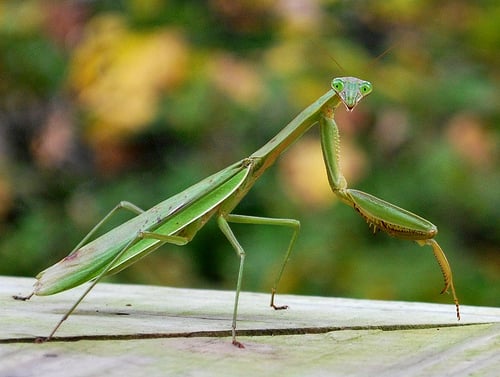
A praying mantis is a type of insect that almost anyone will recognize because of its bent front legs that are held together resembling a “praying” position.”
How much does a praying mantis cost?
Depending on the species, a praying mantis is going to cost anywhere from $6 to $35 each. The costs will depend on the species, seller and how man you’re purchasing at once.
On eBay, there was a handful of “buy it now” listings at the time of this writing. One listing for a Chinese praying mantis, plus free fruit flies and a kit, had a $16 buy it now option, while another listing for a giant African praying mantis had a $20 buy it now option.
At Backwater Reptiles, a popular online reptile breeder, they sell their medium to large praying mantises for $25.
Praying mantis eggs, on the other hand, can cost $1 to $2 per egg. These eggs can commonly be found online in packs of 10 or more.
We researched a few popular species and included the estimates we had found in our table below:
| Species | Average Cost (each) |
|---|---|
| African Giant | $8 |
| African Lined | $8 |
| Brown Shield | $8 |
| Budwing | $8 |
| Chinese | $12 |
| Cryptic | $8 |
| Dead Leaf | $6 |
| Ghost Praying | $6 |
| Giant Asian | $7 |
| Giant Golden | $10 |
| Giant Shield | $15 |
| Jeweled Flower | $8 |
| Madagascan Marbled | $7 |
| Malaysian Blue | $7 |
| Malaysian Dead | $13 |
| Orchid | $22 |
| Samatran Gold | $8 |
| Twig Praying | $7 |
| Wandering Violin | $12 |
What are the extra costs?
An insect container with an aerated cover is recommended as a habitat if one wasn’t included. Be sure to add a suitable substrate and branches to mimic its natural environment. This type of container can cost about $10 to $20, but if you are planning to get more than one praying mantis, you will need to buy separate containers to avoid conflict.
A heat lamp is recommended for the tank. The praying mantis’ tank should be kept around 75 degrees Farenheight.
A praying mantis will feed on feeder insects such as fruit flies, silkworms, rice flour beetles, houseflies or blue bottle flies. Plan on spending $5 to $15 per month, depending on the insects you purchase.
Since there’s a good chance you’re going to purchase one online, shipping fees may apply. Depending on the retailer, this can range from $15 to $40.
Tips to know:
A starter package, if you’re buying on its own, can include the following items: a pet container, mist spray bottle, bamboo skewers, appropriately-sized feeder flies (fruit flies, houseflies, or blue bottle flies), beginner guide and the praying mantis nymph.
The average lifespan is about 12 months in the wild and about the same while in captivity.
Be sure to verify whether or not the praying mantis species you want is legal in your area. The U.S Federal Law considers these species illegal: the Ghost Mantis, Orchid Mantis, Devils Flower Mantis, Wondering Violin Mantis, #9 Mantis and Egyptian Mantis.
If there are insects in the container that the praying mantis did not eat, these should be removed and replaced with live, fresh insects.
Some people consider a praying mantis as a pet because of its ability to protect outdoor plants and greenhouse florae.
Most species will have wings, but some won’t. Females can’t fly with their wings, but the male can.
How can I save money?
Be sure to buy USDA-approved praying mantis insects, and do not purchase if the retailer cannot guarantee its legality.
Instead of buying a praying mantis container with a ventilated lid, consider creating your own container to save a few dollars.
Consider buying a kit that includes everything you need to start taking care of one properly.
In order to save money, try to avoid purchasing a praying mantis – try to catch one instead. This may be a challenge because of their size, color, and habits, but the hunt can be both fun and rewarding.
How Much Does an Orchiectomy Cost?
An orchiectomy, also known as an orchidectomy, is the removal of one or both testicles.
Men may resort to an orchiectomy due to testicular cancer, a traumatic injury to the testicle or as a personal option for those who are going through gender reassignment therapy.
How much does an orchiectomy cost?
According to many sources online, an orchiectomy is going to cost anywhere from as little as $2,200 to as much as $8,000+ without any insurance. The costs will depend on the surgeon, the treatment method, where you live and the complexity of the surgery.
The National Institutes of Health conducted a study, exploring the out-of-pocket costs of an elective orchiectomy. When comparing the costs and the results, the average elective outpatient procedure is about $4,000, but it could be as high as $15,000 if the patient were admitted to a psychiatric for a few days at a local hospital.
If the patient has health insurance, most providers will cover the bill as long as it is deemed medically necessary; however, those who are having the surgery done due to a gender reassignment procedure, it will not be covered by insurance. For those who need a new policy or are looking for one for the first time, consider browsing through hundreds for free at eHealthInsurance.com.
Orchiectomy overview
An orchiectomy is an outpatient procedure that can be performed for any of the reasons mentioned above.
There are three types of orchiectomy procedures: unilateral (either right or left testicle will be removed), bilateral (both are removed), inguinal (performed via an incision via the groin) and scrotal (performed via an incision via the scrotum).
Prior to the procedure, the doctor will discuss with the patient the potential complications of infection, bleeding, injury, and blood clots, and as we mention below, he or she will run a series of tests to make sure you’re a candidate for the surgery. The risks of anesthesia will also be discussed, along with the options or necessities of other procedures in the future. Also, since an orchiectomy is an irreversible procedure, the patient must receive two letters of therapy clearance, which can be obtained from a psychologist, psychiatrist, social worker, or sexologist. One of the two therapists must have known the patient well for a considerable period of time. Again, this is only required for those considering the procedure for gender reassignment purposes and won’t be necessary if the testicle/s have to be removed due to a health condition.
During the surgery, you will be placed under a general anesthesia, and the scrotum will be shaved and cleaned for preparation. Creating an incision either via the groin or scrotum, the testicles will be removed and the incision will be sutured; however, if implants are being used, this will be done prior to the sutures.
An orchiectomy can be performed in less than an hour, and in most cases, you can return home on the same day since it’s deemed an outpatient procedure.
As for the recovery, the doctor, depending on your circumstances, will observe your vital signs for any complications. If everything goes well, you can resume daily activities in about a month.
What are the extra costs?
To prepare for the surgery, your physician will likely take a special blood test, urine analysis, abdomen CT scan and chest x-ray to ensure you’re a candidate for the surgery. These tests won’t be included in the estimates mentioned above.
Follow-up care after the surgery will be required to make sure everything is healing properly. These follow-up appointments are usually not included in the estimates mentioned above.
A testicular implant, as a substitute for the missing testicle, is an optional option, but those who want an implant will need to budget about $3,000.
Medication, antibiotics and a jock strap will be required for a few days following the procedure to ensure a healthy recovery.
Tips to know:
An orchiectomy has been proven to cause abrupt hormone changes in the body, leading to some side effects, such as hot flashes, sterility, erection problems, loss of sexual interest, loss of muscle mass, larger breasts, brittle bones, and weight gain.
As long as no complications occur, you can expect a full recovery within two to four weeks.
A surgeon may not advise an orchiectomy if he sees in the patient that there are more risks than benefits.
This type of procedure will help reduce testosterone, which is a hormone released by the testicles. Lowering amounts of testosterone may result in abnormal hair growth and muscle development as well as a lower sex drive and function and energy level.
If the testicles are removed due to prostate cancer, the five-year disease-free survival rate is 95 to 97 percent.
How can I save money?
If medically necessary, talk with your health insurance company before scheduling your surgery.
How Much Does Orbital Decompression Surgery Cost?
Orbital decompression is a surgical procedure meant to improve the condition of an eye, or both eyes, that protrudes from its sockets.
When the eye socket becomes damaged or compressed, it can cause painful headaches and stress on the upper facial cavities, forcing the eye to bulge. This is not only uncomfortable, but it can also affect the vision.
The eye socket, known as the orbit, is that space inside your skull consisting of the four bony walls: the roof, floor, and the two side walls. It houses all the contents of the eye. When a person contracts a condition called Graves Disease, a form of hyperthyroidism, where the immune system fails to function the way it should, he or she will most likely require this surgery.

How much does orbital decompression surgery cost?
Without insurance, plan on budgeting anywhere from $4,000 to as much as $7,200 per eye for orbital decompression surgery. The costs will depend on your geographical location, the facility, surgeon, the complexity of the surgery and inclusions in the surgery bill.
On this Medhelp.org forum thread, one member claimed his orbital decompression surgery cost around $6,500.
Dr. Barry L. Eppley shared on Realself.com that an orbital decompression for just one eye can cost $4,500 to $6,000.
For those who have health insurance, most policies will cover a portion as long as it’s medically necessary, and you should only be responsible for your deductibles and co-pays. With any insurance related costs, it is always best to check with your provider before making an appointment. For those who are looking for a new policy, consider browsing through hundreds for free at eHealthInsurance.com.
Orbital decompression surgery overview
During the surgery, while under a general anesthesia, an endoscope will go through the nose in order to reach the orbital cavity, creating no need for an incision. This intranasal endoscope will be used to remove one or more walls of the eye socket to help restore the eye’s natural appearance.
The surgery usually takes around two hours to perform with general anesthesia and an overnight stay at the hospital may be required in some cases.
After your surgery, you may need to stay overnight at the hospital, depending on your circumstances. Most patients, as long as the surgery went well, should be able to see an improvement immediately after the surgery has been performed.
The time to heal can range from seven to 14 days, depending on how well the surgery went.
What are the extra costs?
A follow-up visit, usually a week following the surgery, will be required to check your progress and remove the sutures. Usually, this won’t be included in the estimates mentioned above.
The surgeon’s and the anesthesiologist’s professional fees may not be included in the costs mentioned above. Since all facilities and hospitals have its own billing practices, it’s best to receive an itemized bill before your surgery begins.
While orbital decompression has recorded a high success rate, a patient may still need further surgery to correct vision problems and/or to tighten loose skin around the eye sockets and eyelids. This surgery, if recommended, will be an additional expense you should be prepared to budget for.
Antibiotics and/or other medication will be prescribed to help minimize the swelling and prevent a potential infection.
Tips to know:
This surgery can help benefit anyone who needs space in their orbital cavity in order to move their eyes back to a natural position.
Common conditions treated, according to TexasFace.com, may include headaches, eye infections, eye pain, double vision, enlarged eyes, bulging eyes, scar tissue over the cornea and thyroid eye disease.
Risks associated with the surgery may include a loss of vision, bleeding around the eye, cheek numbness, nasal bleeding, meningitis, an infection, tear duct injury or sinusitis. However, since the surgery is minimally invasive, these possible risks are rare.
How can I save money?
Health insurance usually covers orbital decompression surgery as long as it is deemed medically necessary. Again, talk with your insurance company to see what you would be responsible for.
Even if you cannot afford to pay the surgeon in full, ask about cash discounts if your insurance will not cover it. Hospitals will usually offer payment plans as well.
A hospital will always be more expensive than a free-standing center. If possible, try your best to get the surgery performed at a free-standing center. Consult with at least three surgeons to see what they can offer and what will be included in the fee. While you don’t want to focus on the pricing, pay close attention to the doctor’s reputation, reviews, and office setting.
How Much Does Orange Juice Cost?
Orange juice has been proven to be a very rich source of important vitamins and nutrients, especially when it is freshly squeezed.

How much does orange juice cost?
On average, the price of orange juice, either freshly squeezed or from a concentrate, can range anywhere from as little as $3 to as much as $7 per gallon. The price will depend on the quality, the store selling it, the brand, and the season.
With so many brands available at the local grocery store, refer to our table below to see what these brands may cost:
| Brand | Average Price |
|---|---|
| Florida's Natural | - $3 (59 ounces) - $7 (1 gallon) |
| Minute Maid | - $3 (59 ounces) - $6 (1 gallon) |
| Naked Juice | - $7 (64 ounces) |
| Simply | - $1.50 (11.5 ounces) - $4 (59 ounces) - $6 (89 ounces) |
| Store Brand (Great Value) | - $5 (1 gallon) |
| Sunny D | - $3 (1 gallon) |
| Tropicana | - $1.50 (12 ounces) - $4 (59 ounces) - $6 (89 ounces) |
NOTE: All of these prices were obtained at our local Walmart store.
Freshly squeezed orange juice at Whole Foods, for example, will cost about $3 for a half gallon.
Orange juice options
Frozen concentrate
A frozen concentrate will be commercially squeezed, pasteurized and filtered before it’s evaporated under vacuum and heat. By weight, it will be 65 percent sugar and should be stored at about 10 degrees Farenheight. With a frozen concentrate, water will be added to thaw it to its original form.
Not from concentrate
A not from concentrate is pasteurized and then sold at the grocery store as it, with a “not for concentrate” label on the packaging. This type of orange juice will reduce the natural flavor due to the removal of oxygen during the manufacturing process.
Canned
Canned orange juice is canned, retaining the vitamin C much better than bottles. Even though it loses its flavor, it can be stored at room temperature for up to three months.
Freshly squeezed
Lastly, freshly squeeze orange juice, as the name implies, is the closest available option to the real deal. This version of orange juice will include freshly squeezed oranges and no additives or flavors will be included. Freshly squeezed orange juice can only last two weeks.
Tips to know:
In the United States, the major brands include Tropicana, which is owned by PepsiCo, Minute Maid, a product of Coca-Cola, and Florida’s Natural, a locally owned company that only uses Florida oranges. According to Wikipedia, Tropicana owns 65 percent of the market share.
Most of your orange juice will be made from a sweet orange, but the Valencia and Hamlin may be mixed if the company is looking for a distinct taste.
Orange juice isn’t always a pure orange. Some companies, depending on the variety you purchase, may include additives such as citric acid, ascorbic acid, vitamin D, omega-3 fatty acids and/or additional calcium may be added. Companies will do this in order to improve the taste and/or ensure the taste is consistent throughout the year.
In the United States, orange juice is regulated by the Food and Drug Administration and the United States Department of Health and Human Services. The FDA allows one or more of the following ingredients to be added: sugar, sugar syrup, invert sugar, invert sugar syrup, dextrose, corn syrup, dried corn syrup, glucose syrup, and dried glucose syrup.
Orange juice nutrition

How can I save money?
Try buying fresh oranges and squeeze them yourself to make your own orange juice. On average, one medium orange will yield about two ounces of juice. To make the job easier, consider purchasing a juicer to speed up the process. By doing so, you can make orange juice for as little as a few dollars, especially when oranges are in season.
Consider a store brand orange juice rather than a name brand. This alone can save you a few dollars, and the tastes, most of the time, are very similar.
Do not forget to check for coupons. Many orange juice companies offer coupons on their social media pages, official website and in the local paper. Aside from coupons, orange juice is almost always on sale each week.
How Much Does a Greyhound Dog Cost?
The Greyhound originated from Europe and has been used for game hunting and racing throughout the years. The Greyhound is not only a good racer, but it is also a gentle and intelligent breed, making it an ideal pet for your home. Reaching up to 40 miles per hour, this ancient breed was brought to England by traders well before 900 AD.

How much does a Greyhound dog cost?
The cost of a Greyhound depends on the geographical location, age, sex, size, color, health condition, family history and breeder. On average, a Greyhound puppy is going to cost anywhere from as little as $300 to as much as $2,500+. Generally, your purebred dogs are going to be in the thousands while the older dogs, often found at shelters, can cost as little as a few hundred.
Greyhound Racing in Victoria says you should be prepared to spend $2,500 for a puppy that can be prepped for racing.
At NextDayPets.com, the current median price, as of 2017, was $775, but a dog with superior lineage, which would come with breeding rights and papers, could cost $2,000 to as much as $7,000.
GreyhoundExpressions.org offers Greyhounds for a $250 adoption fee.
Linda Crist, an author on HubPages.com, wrote a guide, talking about if an Italian Greyhound is for you. According to her guide, a puppy from a reputable breeder can cost $500.
What is going to be included in the adoption fee?
A reputable breeder should include up-to-date vaccinations, a health certificate, registration paperwork and a health guarantee. Many breeders will also include a starter package that contains items such as toys and samples of dog food. If the dog is going to be shipped, a shipping crate should be included as well.
What are the extra costs?
Shipping may be necessary if you purchase a dog outside of your area. Depending on the method you choose, shipping costs, either via air or ground, can cost $200 to $400.
As with any pets, recurring costs need to be budgeted for. This will include food, deworming, flea medication, vaccinations, heartworm medications, licenses, accessories, dog sitting, grooming, obedience classes and vet visits. A healthy Greyhound can easily cost you more than $700 a year and much more if he or she were to need an unexpected surgery. Mrs. Frugalwoods broke down her annual costs, and according to her post, she spent $930 annually.
Although their natural demeanor is gentle and loyal, you may want to consider obedience training at a younger age to teach it the basic commands such as sit, lay down and stay. Due to its sensitive nature, an experienced trainer is a must.
Tips to know
As for size, the Greyhound can grow 26 to 30 inches at the shoulder, with most weighing between 60 to 75 pounds.
The short haired coat requires infrequent grooming sessions, and the coat colors can range from combinations of white, black, orange fawn, brindle, red, and blue with or without markings. In terms of appearance, they have an elongated muzzle and have long, powerful legs, a deep chest, flexible spine, and slim build, allowing them to reach high average speeds when compared to other breeds.
Greyhounds won’t bark often are known to be speedy, loyal, sociable, sensitive and very calm.
The average lifespan of a Greyhound is 10 to 12 years when healthy.
If a Greyhound has been racing, it will typically be retired after three to five years.
While these dogs are known to be racers, many become fairly lazy once they officially retire.
A fenced in yard is highly recommended since they have the natural instinct to run long distances. If your yard isn’t fenced in, then always make sure they are on a leash as they will chase anything that moves.
The Greyhound, naturally, wants to hunt prey and will chase anything that moves, so for this reason, it won’t make a great companion for small household pets. Although they aren’t fond of strangers, a Greyhound is usually good with children and will enjoy other dogs.
These dogs will shed; however, it will be lightly when compared to other heavy shedders. While they are easy to groom, plan on seeing dog hair laying around the house.
Due to its size, it isn’t recommended for those who have smaller children around the house.
How can I save money?
If you want to save money, consider adopting a Greyhound from a shelter or rescue group for a lower price. Many rescue groups offer Greyhounds up for adoption after their racing careers.
How Much Does a Great Dane Cost?
A Great Dane, also known as a Dane or the Gentle Giant, is known to be one of the tallest dog breeds in the whole world and is easily recognized by most people.
Originating in Germany, this breed was originally bred to chase boars due to its strength, size and fearlessness.

How much does a Great Dane cost?
The cost of a Great Dane puppy depends on the age, gender, size, color, bloodline, health history, and geographical location. On average, a Great Dane can cost anywhere from $600 to $2,000. Since this is a fairly common breed, you may be able to find an older dog or even puppy at a local rescue group for as little as $200 to $500, while your purebred, AKC certified will be within the $1,500 to $2,000 range.
For example, at the Great Dane Rescue of the CommonWealth, they say their adoption fees can range from $325 for a young adult to $375 for a puppy. In comparison to $600 to $3,000 at a breeder, this route could save you thousands and help a wonderful cause.
As a popular breed, PuppyFind.com, a popular online dog classified website, has close to 1,500 listings at the time of this writing, with prices ranging from $500 to $2,000.
When we researched the official AKC Marketplace, breeders who did list their prices asked for $1,500 to $2,100. Most of the AKC listings we had looked at included a microchip, deworming, AKC registration, CHIC certification from the parents, and in some cases, a spay/neuter.
What is going to be included in the adoption fee?
A reputable breeder should always include registration paperwork, current vaccinations, a certified veterinarian exam, health certificate and a health guarantee. If the dog is going to be shipped, then an airline-approved shipping crate should be included as well.
What are the extra costs?
Of course, as with any pet, recurring costs will occur. With the Great Dane, since it’s larger than most dogs, plan on spending at least $60 to $80 per month just to feed. Don’t forget to add in the vet visits, toys, accessories, dog sitting and grooming sessions. All of these expenses, when combined, can easily exceed $700 per year.
While you should be able to find a Great Dane in your local area, there may be a small chance you will have to have it shipped either via air or ground. If this were the case, then plan on spending upwards of $200 to $400, depending on the distance traveled and transportation method you choose.
The Great Dane should be brushed once a week to remove all dead hairs. If you don’t have the time to properly groom, then a professional grooming session is recommended at least once a month.
Training is highly recommended when young due to most dogs not understanding their size as they grow old. Because of this, obedience classes are recommended.
Some owners, while optional, will crop the ears, usually between six to eight weeks. While controversial, it was only done in the past as a way to prevent the dog from being mutilated while hunting wild boars. This procedure is often frowned upon by most veterinarians, and in fact, most won’t perform the procedure.
Tips to know
At the shoulder, the average Great Dane measures 28 to 31 inches tall and anywhere from 110 to 200 pounds.
Its coat is smooth, short and recognized show colors include blue, black, harlequin, mandle/boston, brindle and fawn. While white and blue merle can occur, these colors won’t be accepted by most standards.
Great Danes are known to be very intelligent, loyal, calm and extremely affectionate. They can make great watchdogs, but they won’t bark as much when compared to other dogs of their size. Living up to its gentle giant nickname, the Great Dane can get along with most children, dogs and other household pets as long as they are properly socialized; however, with smaller children, they can pose a problem since most Great Danes don’t understand how much weight they carry. If excited, these 150-pound giants could pose a problem around young ones.
When healthy, they can live eight to 12 years.
A very common condition among the Great Danes is something known as “bloat.” This will occur when the dog is fed one big meal per day and is allowed to run freely afterward. Due to the stomach being bounced around in their large chest cavity, it can turn around and become twisted, often causing a deadly situation since the blood supply to the stomach and intestines is compromised. The stomach will fill with gas, proceeding to enlarge, causing your dog to vomit and become lethargic. This is a very serious situation, and if it were to happen, your dog would need immediate vet assistance. The surgery alone could cost more than $1,000. To prevent this, it’s highly recommended you spread out their meals throughout the day and make sure their food is on an elevated platform to lessen the chance of bloat.
A Great Dane can become extremely lazy if you don’t allow it outside to exercise. While they don’t need a larger yard to run around, it’s advisable you allow your dog to walk 30 to 60 minutes a day; however, again, always make sure you limit exercise after eating.
How can I save money?
Great Danes can show up in a local adoption shelter or rescue group, so it never hurts to ask or even place yourself on a list if one does arrive. This is a great way to not only help a dog in need but help a great cause as well.
How Much Does a Grain Bin Cost?
A grain bin is a large structure used on the farm to store and move grain, and many people confuse a grain bin with a silo. A silo is a large structure, usually much taller and skinnier than a grain bin. The silo, unlike the grain bin, is simply used for storing materials. Grain can be one of these materials, but a silo can also be used to store coal, cement, wood chips, and sawdust among others. A grain bin, on the other hand, is used to store and move grain using an elevator system. This system is comprised of a large bucket that can mechanically scoop up the grain. The elevator system can also be used to weigh the grain.

How much does a grain bin cost?
The cost of a grain bin basically depends on the geographical location, number of rings, capacity, diameter, condition and where it’s being purchased. Depending on the factors mentioned above, the costs of a grain bin can greatly vary anywhere from as little as $5,000 to as much as $65,000 or more.
A grain bin will be sized according to how many bushels can be held and stored. If priced this way, the costs for a grain bin can range from as little as $1 to as high as $2.60 per bushel for the materials only. By the time you add in the site preparation, electrical and flooring upgrades, the costs could be closer to $3 to $5 per bushel. Even though many jobs are straightforward, if you want to hire a contractor, consider getting multiple quotes for free from HomeAdvisor.com. Here, you can explain your job and licensed contractors will contact you with free estimates.
The Southeast FarmPress, for instance, stated the current cost for a 10,000-bushel capacity is about $3.25 per bushel installed.
We were able to price multiple setups and included our estimates in our table below:
| Diameter (feet) | Height (feet) | Capacity (bushels) | Cost |
|---|---|---|---|
| 15 | 8 | 1,125 | $3,500 |
| 18 | 11 | 2,250 | $5,000 |
| 21 | 13 | 3,625 | $5,800 |
| 24 | 19 | 6,900 | 8,800 |
| 27 | 24 | 11,025 | $14,000 |
| 30 | 24 | 13,625 | $16,500 |
| 33 | 24 | 16,475 | $18,000 |
| 36 | 40 | 32,700 | $30,000 |
| 42 | 27 | 30,050 | $3,650 |
| 48 | 32 | 46,500 | $50,000 |
NOTE: This won’t include the professional setup, only the materials without a floor.
For example, according to this TheCombineForum.com forum thread, forum members said the average grain bin can cost around $1.68 to $2.05 per bushel.
What is going to be included?
The estimates mentioned above will often be for a utility-type storage bin commonly found on a farm. This will include the tank, door, manhole, flooring option, auger tube, columns and supports.
Grain bins are rated by the bushel (bu.), and one cubic foot can hold 0.7786 bushels of any grain. For example, a 27-foot grain bin could hold up to 16,000 bushels while a 48-foot bin could hold close to 60,000.
With a grain bin, common diameters include 27, 30, 36, 42, 48, 54 and 60 feet. The bin will also have a set number of rings that can handle the capacity.
Grain bins are usually round or square and commonly hold seed kernels such as corn.
Adding a spreader can be another $500 while adding a stirrator can add another $100 to $200 per foot per diameter.
What are the extra costs?
The estimates mentioned are often for a grain bin without a floor. If you were to add a concrete, steel or ventilated floor, then this could add another $400 to $10,000 to the total cost, depending on the size of the grain bin and the type of flooring you choose.
As mentioned, you still need to factor in the electrical, site preparation, flooring upgrades and install. This can add another $1 to $2 to the”bushel” average.
Adding a safety cage can cost another $13 to $19 per linear foot.
Ladders can cost $6 to $10 per linear foot.
Tips to know
Shop around for prices before committing to a purchase. Before calling, however, make sure you already have an idea on the required diameter, the number of rings, size, and capacity so that suppliers can give you a ballpark.
How can I save money?
Consider purchasing a second-hand grain bin on eBay. At the time of this writing, for example, a 30-foot seven ring 10,000 Bu. grain bin had a $12,900 buy it now offer, while another listing, a 21-foot grain bin with dryer, corner unload, fan and floor, had a $4,500 buy it now option.
How Much Does a Full Body Scan Cost?
A full body scan allows a radiologist to non-invasively examine the entire body, with the exception of the brain in most cases, in detail for early stages of diseases such as heart disease and cancer.
These non-invasive, painless imaging tests will take pictures of your entire body, and usually, a third party imaging center will advertise them.

How much does a full body scan cost?
The cost of a full body scan will depend on where you live, where you have the scan and if you have insurance. On average, a full body scan, without any health insurance, can cost $500 to $2,000.
CBS News, while they say this is a medical test you should probably skip, says a full body scan can cost about $1,000.
Dr. Sanjay Gupta, according to his CNN chat transcript in the past, said you should be prepared to spend about $500.
At Diagnostic Imaging Associates in Delaware, they charge $850 for a full body scan, which will include the lung screening and cardiac scoring. According to their official website, no insurance companies will cover the cost of the screening because clinical trials examining the effectiveness have yet to be published.
Full body scan overview
Before the scan, you will be asked to take off your clothing and wear a gown, just like an MRI scan. While the technology varies, WebMD says the vast majority of centers that use this technology will use a CT scan to examine your entire body such as your heart and lungs, but at some centers, they may also use a PET (positron emission tomography) scan. While inside the machine, an image-like device will rotate as it captures images, often combining multiple x-ray images with the aid of a computer to produce a cross-sectional view of your body.
The scan, on average, can last 10 to 20 minutes.
After the scan, a radiologist and doctor will study the results. In most cases, the radiologist will be able to discuss the results briefly, but in most cases, you will have to wait for two to three days for the full results. If the results are positive, then the center will recommend you to a specialist to discuss your results. A positive result isn’t always a diagnosis of a disease; it simply means there may be an indication for further follow-up tests to confirm the factors found in the results.
What are the extra costs?
As mentioned, if the radiologist had found positive results, then they will refer you to a specialist for a follow-up visit to discuss your results, increasing the costs. The costs, effectively, will greatly depend on the follow-up visit cost and the course of action taken. Studies have said nearly one-third of those who have had a full body scan needed unnecssary follow-up imaging tests.
Tips to know
The American College of Radiology does not believe there’s sufficient evidence to justify recommending a full body CT scan with no symptoms or a family history suggesting a disease. In fact, if you research a full body scan, many doctors advise against this type of scan since there’s very little evidence, especially if you’re a healthy individual with no worrisome symptoms. ChoosingWisely.org, for example, found out, that in less than two percent of scans, a whole-body scan was able to find a cancer tumor.
The CBS News article cited above states that a full body CT scan can expose patients to far more radiation than the conventional x-ray.
These scans, regardless of the method the center uses, will use a lot of radiation.
How can I save money?
A third party facility will always be cheaper than a hospital, but 99 percent of the time, a hospital won’t offer this service. When comparing quotes, be sure to focus on these free standing centers to maximize your savings. If you’re sure you want a full body scan, it also doesn’t hurt to look for any promotions.
For those who have health insurance, be sure to check with your policy. More than likely, a full body MRI is going to be covered as long as it’s deemed medically necessary and is warranted. Dr. Sanjay Gupta, for example, says an insurance company will look for an existing condition which warrants a CT scan. For those who do not have insurance or are looking for a new policy, consider browsing through hundreds of policies for free at eHealthInsurance.com.


