
How Much Does Agricultural Lime Cost?
Agricultural lime is a type of soil conditioner that can benefit the soil. This soil additive is made from pulverized limestone or chalk and is used to correct the high levels of acidity in the soil, otherwise known as the pH level. If the acidity levels in the soil are too high, then the crops will suffer because of it.

How much agricultural lime cost?
On average, a bag of agricultural lime can cost anywhere from $4 to as much as $10 per 50-pound bag. Most bags are going to be anywhere from 40 to as much as 100 pounds per bag, and the cost will depend on the quantity and where it’s purchased from. These bags are often ideal for smaller spaces such as a patio or backyard garden.
Agricultural lime that is purchased, if by the ton, can range anywhere from $12 to $45 per ton at a local store/quarry, depending on the factors mentioned below. This price is based on the type of agricultural lime that will be used and won’t include the professional application. If you were to hire a professional company, then the costs could be in the $35 to $100 per ton range to have it spread and delivered.
For example, a member on TractorByNet.com said he had paid $26.50 per ton and another $50 to use the company’s spreader. Another member on that same thread had said he paid $700 to have seven tons spread on his field.
On DeerHunterForum.com, a member said he was quoted $50 to $55 per ton to have it delivered and spread. Another member was quoted $70 and $100 per pound, respectively.
Factors that affect the cost
The type
As you can see below, there’s more than one type of agricultural lime. Traditional and dolomitic agricultural lime will tend to be the cheapest, while liquid lime can be the costlier option due to the additives that are added to the product. Prices, however, can range from area to area and will all depend on how readily available the supply is.
The amount
How much agricultural lime will you need to restore your soil’s pH level? Depending on your soil’s pH level and field size, the quantities will vary.
Labor involved
As noted above, do you plan on hiring a professional to do the job or will you do it on your own? For instance, if you do it on your own, do you have access to a spreader to properly apply it to a farm field. Whether you do it on your own or hire someone else, time will always be money.
Delivery
This kind of ties into the labor costs. Even if you hire someone or even do it on your own, it will need to be delivered to your location unless you have the necessary equipment to haul it, which most people don’t.
Supplier
Like anything in life, where you buy it from will matter. One quarry could be different than another, even though they are selling a similar product. The same can be said about your geographical area and proximity to a product. Resellers, according to Braenstone.com, will charge a higher price than those who manufacture it on their own.
Types of agricultural lime
Calcitic
Calcitic lime is simply crushed limestone with a higher calcium content than other types, allowing it to neutralize acidity and improve the soil’s growing conditions.
Dolomitic lime
Dolomitic lime, as the name states, is made from dolomite. Dolomite, like limestone, will still raise the soil’s pH level, but it will higher levels of magnesium and calcium in comparison. This makes it an ideal choice for areas with lower magnesium levels.
Dry lime
Dry lime is ground limestone or dolomite in its purest form.
Liquid
Liquid lime is 50 percent dry agricultural lime and 50 percent water. Liquid lime is often preferred because it tends to spread equally in a larger area and can offer faster results.
Pelletized
Pelletized lime is a process where agricultural lime is grounded down into smaller granules and then introduced to lignosulfonates, a glue-like polymer, helping the pellets bind together. These smaller pellets will kick up less dust and when properly applied, it may require fewer applications when compared to the other types on the market.
What are the extra costs?
Most companies, if you want them to spread and deliver, will have a delivery minimum, usually about 10 to 15 tons. If you don’t meet this minimum and still want it delivered, a minimum surcharge may apply.
Some opt to have a soil analysis done ahead of time to determine the pH level; with this information, the professional will be able to confirm the pH levels and which type of agricultural lime they recommended.
Tips to know:
Agricultural lime, according to Braenstone.com is essentially like limestone or dolomite, but instead, it will ground, washed, screened and will be used as a soil treatment. The chemical makeup makes it possible for minerals such as magnesium and calcium to be reintroduced into the ground, effectively restoring the pH levels.
According to spreadx.ca, agricultural lime, depending on how you farm, should be done every two to 10 years.
How can I save money?
If you don’t mind doing it on your own, most companies will drop off a spread for about $50 and allow you to use it for a certain duration. Doing it on your own, according to our research, could save you close to $20 to $50 per ton, depending on your geographical location and the amount needed.
How Much Does Chicken Feed Cost?
Chickens cannot eat just anything — they require specific types of food that can provide them the most nutrients while not harming their health. There are different types of feed you can purchase, and each kind has its own benefits. For example, one type of chicken feed is chicken scratch, which is another name for commercial pellets. This product, for instance, contains several ingredients that are mashed together to form what’s known as a pellet.

How much does chicken feed cost?
The price of chicken feed depends on the type of feed that will be purchased, the quantity and where it’s going to be purchased from On average, a 50-pound bag of chicken feed can cost anywhere from $12 to as much as $30 per bag. Organic pellets, for example, can cost anywhere from $28 to $32 per 50-pound bag, while a mashed up bag that can come in smaller packs can retail for $6 to $11 per bag. According to our research, we had found the average chicken, if it were to eat one-fourth of a pound of food per day, would cost close to $0.18 per day.
If purchasing by the ton, the costs could be well within the $500 range, depending on the local market conditions.
According to Backyard Chickens, a 50-pound bag of chick starter crumbles can cost about $15 to $18, but the prices will differentiate between the organic, non-organic, medicated, non-medicated and regular feed. The website also says that “all flock” feed, designed for older chickens, can cost about $15 to $30 per 50-pound bag; again, depending on the type and the brand. Lastly, scratch grains can cost about $10 per 50-pound bag.
| Brand | Average Price |
|---|---|
| Nature's Best Organic Chick Starter/Grower Crumbles (40 pounds) | $20 to $25 |
| Producer's Pride Cracked Corn (50 pounds) | $5 to $10 |
| DuMOR Chick Starter 24% (50 pounds) | $15 to $20 |
| Producer's Pride Scratch Grain (50 pounds) | $10 to $15 |
| Purina Layena Pellets Premium Poultry Feed (50 pounds) | $15 to $20 |
| Purina Layena Crumbles Premium Poultry Feed (50 pounds) | $15 to $20 |
| Nature's Best Organic Egg Layer Pellets (40 pounds) | $20 to $25 |
| Purina Start & Grow Medicated (50 pounds) | $15 to $20 |
| Manna Pro Oyster Shell (50 pounds) | $10 to $15 |
| Nutrena NatureWise Layer 16% Crumbles (50 pounds) | $15 to $20 |
| Manna Pro Medicated Chick Starter (5 pounds) | $5 to $10 |
| Nutrena NatureWise Layer 16% Pellets | $15 to $20 |
| Purina Layena Plus Omega-3 (40 pound) | $15 to $20 |
| Nutrena NatureWise Feather Fixer (40 pound) | $15 to $25 |
Chicken feed overview
Chickens will require carbohydrates, fats, minerals, vitamins and protein to sustain a healthy lifestyle. Depending on the breed, various poultry brands are on the market catering to different levels and breeds during special stages in life.
Most bags found at local supply stores will come in 50-pound packs, but you may find the occasional five-pound starter pack of a 40-pound bag.
Popular brands include DuMOR, Farmer’s Helper, Manna Pro, Nature’s Best Organic, Nutrena, Producer’s Pride and Purina.
What are the extra costs?
If a hen’s diet was deficient in calcium, for instance, then a specialized feed may be required to provide the right amount of nutrients in order for the hen to produce eggs with a good shell.
Tips to know:
Adjust the amount of feed that you give to the chickens and base it on their body condition, growth rate and production. The amount of feed a chicken will eat will really depend on the breed. The Leghorns, for instance, isn’t known to be big eaters, but a Bantam is known to eat more than average. Also, the size, time of year and if it’s free range will depend on the amount needed. Chickens that are able to free range will be able to nibble on grass here and there, whereas chickens that are locked up in a cage will be restricted to a pellet-only diet. The same can be said about the time of the year since chickens will eat more when it’s colder out. According to offthegridat-30.blogspot.com, the average adult chicken will eat 1/4 pound of feed per day.
For the purpose of strengthening egg shells, feed your chickens oyster shell or ground limestone since it’s rich in calcium.
Chicks younger than 10 weeks old should be fed a special starter diet due to the higher protein levels. These starter diets can help maximize their growth, according to the Tractor Supply Company. Once the chicks reach 10 weeks old, then it should be replaced with a grower feed, designed to help sustain growth until their maturity level is reached.
How can I save money?
The costs will go down if you purchase more than 50 pounds at a time. These feed stores will often give you a bulk deal if you purchase by the pallet.
The Offthegridat-30.blogpost.com blog post we mentioned earlier said the cheapest way to feed chickens is by finding a farmer who allows you to clean out their grain bin for free. Since hens don’t mind consuming the leavings, this can bring down the chicken feed costs quite a bit.
Creating your own chicken mix is also an option to consider. This can be done by supplementing your chicken’s diet with earthworks or whey.
Shop around in your area by calling a few feed mills to see what they are offering. Cheaper isn’t better, however, since some feed can be very low in quality.
According to The Art of Doing Stuff, fermenting your chicken feed can increase the nutrition and decrease the amount the chickens eat.
As noted above, allow your chickens to free-range as much as possible. Aside from being able to forage around in the grass, it also helps keep them from being bored and can help kill off bugs. If they must stay in the coop, consider throwing a pile of weeds or grass inside to supplement their diet.
Ask for scrap or bruised fruit at a local grocery store or even save the scraps from your own kitchen. While most will have a policy against this, it doesn’t hurt to ask.
Consider selling some of the extra eggs to offset the feed costs.
Growing a “chicken” garden with sprouts and fodder is a great way to keep them contained and allow them to eat.
How Much Does Car Chassis Repair Cost?
The chassis of a car or truck is the internal framework that supports the body of a vehicle and is almost like the skeleton of the automobile. Like the vehicle itself, the chassis is exposed to many road conditions that can damage it and leaving it like this can eventually lead to a broken chassis, which in turn, can affect the performance of the car.
If you feel your car is no longer as smooth as it used to be, then the problem could be the chassis.

How much does a car chassis repair cost?
The price of repairing a car’s chassis will depend on the make and model of the vehicle, the extent of the damage, if it has to be replaced, the geographical location; and the mechanic fixing the car. On average, since there are so many factors, the cost can range anywhere from $1,000 for a minor repair to as much as $4,000+ depending on the factor mentioned above. If the car was in a serious accident, for example, then the costs could be more than what the car is worth because of the damage done to the surrounding parts in the chassis.
On ih8mud.com one member chimed in and said the frame alone will cost about $500 to $600, but if you were planning on hiring a mechanic, then the hourly costs could be between $60 to $70 per hour. With most jobs taking about 40 hours, you’re looking at $2,800 at a minimum.
According to one forum member on LotusElan.net, he was quoted $1,500 to repair and straighten his chassis.
Car chassis repair overview
The chassis, as defined by mechanics, will be characterized as the bottom frame, but it will include the transmission, differential, driveshaft, engine and suspension as these parts are critical to the operation. Depending on the repair, sometimes a minor repair is all that’s needed, whereas other jobs may require more serious repairs. Before an estimate is given, a mechanic will check the axles, the CV joints and driveshaft to make sure the chassis is the problem. Even though the chassis can affect your steering, the power steering may be the area of concern, not the chassis itself.
For instance, the frame can be repaired while attached to the body of the car, but if the damage were too severe, then the body will have to be taken apart to allow the mechanic to inspect the entire frame to see which parts need the repair, increasing the costs quite a bit.
Depending on the extent of the damage, the engine and transmission will be pulled out to create a bare frame. Once bare, it will be chemically stripped to remove any grime, dirt and/or rust present on the body. This also offers a better surface to make repairs and/or weld. The problem frame section, once stripped, will be cut away and a new frame rail will be welded into place using the exact measurements as the old frame. The frame will then, most of the time, be powder coated, but this can depend on the professional fixing it, and the rest of car will be put back together.
The quotes mentioned above should include the labor and parts.
What are the extra costs?
Some mechanics may charge an additional fee if other parts or repairs are needed. For example, on WranglerForum.com, one member said to be aware of other issues once the frame is exposed. This could include the gas lines, gas tank straps, shocks, springs, etc; all of which can increase the costs quite a bit.
Tips to know:
If there is a slight damage on the chassis, have it checked early so the damage does not become worse in the future, leading to higher repair costs.
Even though fiberglass won’t rust, it doesn’t mean the frames underneath won’t. According to CorvetteSports.com, the end of the main frame rails are often where most frames see the damage.
How can I save money?
To save money, get quotes from at least three to five different mechanics. Some may want to visually inspect it, while others may be able to offer a ballpark estimate over the phone.
Sometimes, straightening the existing chassis may be more expensive than replacing it with a new one. Talk with your mechanic to see if it makes sense to replace it with a newer body. Most of the time, they will say yes if the part is older than 20 to 25 years. Even if the existing chassis was strengthened, existing problems could loom in the future.
How Much Does a Chameleon Cost?
A chameleon is one of the most popular types of exotic animals kept as a pet and are commonly found in most local pet stores. Chameleons are well known for its ability to change color, which can act as a defense mechanism or may even happen if they were to become stressed or frightened. Another feature that makes chameleons unique is the ability to move its eyes separately.

How much does a chameleon cost?
On average, a chameleon can range anywhere from $40 to as much as $600. The cost of a chameleon will depend on the type, age, gender, quality and where it’s purchased from.
At Petsmart, for instance, the veiled chameleon retails for about $80.
Refer to our table below to see what some of the popular species cost.
| Type | Average Price (primarily depends on the age) |
|---|---|
| Antimena | $225 to $300 |
| Carpet | $100 to $150 |
| Desert Side Striped | $30 to $50 |
| Elephant Eared | $125 to $200 |
| Elliot's | $75 to $150 |
| Fischer's | $50 to $75 |
| Flapneck | $40 to $65 |
| Giant Fischer's | $125 to $150 |
| Graceful | $30 to $50 |
| Helmeted | $150 to $250 |
| Jackson | $50 to $125 |
| Meller's | $145 to $250 |
| Mount Meru Jackson's | $125 to $200 |
| Oustalet's | $40 to $75 |
| Panther | $150 to $500 |
| Pfeffer's | $125 to $175 |
| Pygmy | $35 to $65 |
| Rudis | $40 to $75 |
| Sahel | $30 to $55 |
| Sailfin | $70 to $100 |
| Senegal | $30 to $55 |
| Translucent Veiled | $55 to $85 |
| Two Horned | $125 to $200 |
| Veiled | $20 to $90 |
| Yellow-lip Parson's | $500 to $850 |
What is going to be included in the adoption?
If purchased from the pet store and/or a breeder, they should include a temporary housing cage, a health guarantee, a health checkup by a licensed vet and some may even include a small starter kit that includes starter food or coupons.
What are the extra costs?
Like any other reptile, chameleons need supplies and a cage to properly take care of them. You can either buy a plain screened cage and all the accessories separately, or you can purchase complete kits that include a lamp, spray bottle, medicine as well as plastic decorations such as leaves. The typical starter kit can cost about $200, while cages on its own can start at $50 depending on the size. The initial setup, aside from the chameleon, can cost $300 to $400.
Heat bulbs to maintain the temperature can cost $5 to $20, depending on the type and the wattage. According to chameleonforums.com, a 40 to 60-watt bulb will usually suffice. This bulb will need to be replaced every six to eight months on average. The temperature should stay a consistent 90 to 100 degrees Fahrenheit.
Inside the cage, include as many climbing accessories as possible as it’s their extinct to climb.
The chameleon’s cage needs to be misted at least two to four times per day. A simple spray bottle can cost less than $5, but if you were to get an automatic misting system, then the costs could be closer to $100 to $150.
A gauge is also ideal to keep tabs on the humidity and temperature levels.
Factor in recurring costs such as the food, vet visits and accessories. The average chameleon can cost $20 to $40 per month, but an unexpected vet visit can increase the costs. Adults are fed once or twice per day and will eat hornworms, super worms, silkworms and roaches. Its food should also be dusted with a calcium deposit twice per week, which can cost $5 to $15 per container.
If purchasing online, additional shipping fees may apply due to the sensitivity to the shipment. Backwater Reptiles, for instance, charges $40 for overnight delivery, regardless of which reptile you purchase.
Tips to know:
Depending on the species, the average size can range anywhere from 18 to 24 inches, with adults maturing at 12 months old.
Avoid placing your chameleon near a window. Experts say that placing a chameleon near a window can actually cause some stress, so it is best to place a tank on a higher surface such as a desk to give it a “treelike” feeling.
Consider purchasing aquarium wallpaper. The reason that you may want to do this is that chameleons can often see their reflections in the glass. Since they are rather territorial, they can get angry and stressed out if they think there is another chameleon in their cage.
While chameleons can be held, experts warn you should wait at least four to six days to allow it to become used to its environment.
Red flags to look out for includes weight loss, swelling, lethargy, labored breathing, abnormal feces and non-rotating eyes.
According to Petco, common health issues include gastrointestinal disease, metabolic bone/vitamin deficiency, and respiratory disease.
How can I save money?
Some stores offer packages that will include the chameleon, a cage, and a pack of supplies you will need to start taking care of it. These kits will often be cheaper than purchasing each item individually.
Check with local shelters or on Craigslist to see if there is anyone looking to get rid of a chameleon for various reasons. Most of the time, private owners will include the chameleon, the cage, and the accessories for a much lower price.
How Much Does a Charter Bus Cost?
Buses are one of the most popular and economical ways for large groups of people to commute short and long distances.

How much does a charter bus cost?
The cost of a charter bus will depend on the company you’re renting from, the miles it has to drive, the type of bus, the number of days needed and the number of people. On average, a charter bus can range anywhere from $300 to as much as $2,500 per day, depending on these factors.
Something as simple as a school bus can cost $300 to $900 per day, but for the usual charter bus, which includes several accommodations, such as TVs, a bathroom, and cushioned seats, the cost can be anywhere from $600 to $2,000. The average charter bus can accommodate 45 to 85 people.
A double-decker bus can cost upwards of $2,500 a day while an executive bus can cost upwards of $1,500 per day.
By the hour, which is usually the rate charged by companies that stay within a 50-mile radius, can be anywhere $100 to as much as $325 per hour. Keep in mind that most of these bus services are going to ask for a minimum number of hours, usually starting at three hours. In addition to this time, the company may charge a sitting fee if it has to wait outside of the drop-off location.
Lastly, if the charter doesn’t charge by the hour or has a flat daily fee, then it will charge by the mile. This pricing scheme is often charged by interstate bus rides can this can range anywhere from $3 to $5 per mile.
Refer to our table below to see what types of buses are on the market and what each one may cost.
His Majesty Coach, a bus charter service, offers three options that range anywhere from $550 for the first five hours to an additional $125 per hour. This won’t include the fuel surcharges, tolls, city fees and hotel room for the driver. The entertainer coach, according to the website, can cost $1,000 to $1,800 per day.
| Type of Bus | Seating Range | Price (per day) |
|---|---|---|
| Charter Bus | 35 to 60 | $750 to $1,000 |
| Mini Bus | 10 to 40 | $650 to $900 |
| School Bus | 10 to 60 | $500 to $750 |
| Tour Bus | 10 to 20 | $1,300 to $1,800 |
| Executive Coach | 10 to 40 | $1,200 to $2,000 |
| Party Bus | 10 to 50 | $1,300 to $1,800 |
| Double Decker | 50 to 90 | $1,500 to $2,000 |
Charter bus overview
The term “charter bus” can refer to many different buses, including a deluxe motor coach, minibus, school bus, executive, tour bus or double decker bus. Most charter buses, aside from the typical school bus and smaller mini buses, should include basic accommodations such as restrooms, wifi, TVs, air conditioning and cushioned seats that may recline. Some charter bus would also provide free snack and drinks.
The charter bus company will provide a driver for the bus, and for overnight trips, some companies include the expenses for the driver in your quote, but other companies may charge a separate fee.
Most buses are going to be able to accommodate up to 85 people. Usually, the more people the bus can carry, the higher the price will be.
If you do decide to book with a bus charter company, most will ask for a non-refundable deposit of at least 20 to 30 percent but will apply this deposit to your total bill once the trip is finalized.
| Type of Bus | Description | A/C? | Restroom? | TV/Entertainment? |
|---|---|---|---|---|
| School Bus | Economical solution for field trips or those who want to travel locally. | Rare | No | No |
| Mini Bus | Ideal for short trips, usually less than 150 miles and for less than 35 passengers. | Rare | Sometimes, but rare | Upon request most of the time |
| Charter Bus | Ideal for larger groups who want to travel across state lines. Will feature comfortable seating with more amenities. | Always | Most of the time | Almost always |
| Executive/Deluxe | Just like a charter bus, but may include even more higher end amenities such as meeting room tables, a kitchen and/or a sleeping quarters. | Always | Always | Always |
| Party | Like the mini bus, a party bus is ideal for trips less than 100 miles. It can accommodate more people and can often have a built-in mini bar or lounging couches instead of individual seats. | Most of the time | Rare | Sometimes |
What are the extra costs?
Rental rates do not include the fuel surcharge, which depends on the price of the fuel in the market and how far the bus has to travel.
If the bus has to pay any city fees and/or tolls during the trip, this will be charged to the bill.
Overnight stays will require a hotel room and food for the driver, resulting in additional charges.
Every 10 hours or 600 miles, it’s required by law to allow the driver to rest. If you need to keep the bus moving, an additional driver can cost another $200 to $700 per day.
Gratuity is often recommended at the end of the trip, usually 10 to 15%.
Tips to know
Before you choose a charter service, be sure to check the company’s safety ratings, insurance, and inspections through the U.S. Department of Transportation.
How can I save money?
Renting a charter bus may not be logical if you do not have enough people to fill the seats. Instead, get the exact number of people that will be riding and get the right sized bus. There are many different sizes that can range from a van that fits 10 people all the way to a double-decker bus that fits more than 85 people. It is best to talk with a few companies to get a good quote and see which bus will accomodate your group.
Usually, the further you book in advance, the more you should be able to save since last minute bookings often can cost up to 50 percent more.
How Much Does a Chemical Peel Cost?
A chemical peel is a technique used to improve the smoothness and texture of the skin by applying a chemical solution which causes the dead skin to peel off. The result of this is that the first layer of the skin, which tends to be wrinklier, is removed, revealing a smoother layer of skin underneath.

How much does a chemical peel cost?
On average, the cost of a chemical peel will depend on where you live, the medical provider you plan on using and the type of chemical peel applied. With these factors in place, the average session can cost $150 to $400; however, to see desirable results, the average patient, according to our research pays a total of $1,800 to $3,700. These costs will vary depending on your personal situation since some patients may see results after a few sessions, whereas others may need multiple sessions. Refer to our table below to see what the most popular branded chemical peels will cost per session. This data was gathered from credible doctor answers we had found online such as this RealSelf.com forum thread.
According to the 2016 statistics from the American Society of Plastic Surgeons, the average cost of a chemical peel was $673.
Docshop.com says the current price range will be $600 to $900, but additional expenses may need to be kept in mind such as the anesthesia, facility and if a hospital stay were required. The final cost, according to the website, will depend on the condition of your skin, the peel you want and your personal situation.
| Chemical Peel Brand | Average Cost (per session) |
|---|---|
| Superficial | $150 to $300 |
| Glycolic | $75 to $125 |
| Lactic | $50 to $75 |
| VI Peel | $250 to $350 |
| 10-15% TCA | $200 to $350 |
| 20-25% TCA | $500 to $800 |
| 30-35% TCA | $700 to $1,100 |
| Jessner's | $150 to $250 |
Factors affecting the price of a chemical peel
The severity of the wrinkles and the sun damage that needs to be treated.
The number of treatments necessary to see a desirable look.
The area that’s being treated.
The type of peel you’re received and its strength.
If physician supervision is required. The stronger the peel is, the more likely ta physician will need to be present.
How much post treatment care will be required.
Chemical peel oveview
Each peel, regardless of which method you use, can take anywhere from 10 to 60 minutes to have done, and depending on the skin condition, more peels may be required in the future to ensure that the skin is healing properly. It is recommended that the patient returns every six weeks.
Before the procedure even begins, the professional who’s going to perform the procedure will first apply a chemical solution — usually trichloroacetic acid, glycolic acid, trichloroacetic acid, salicylic acid, lactic acid or carbolic acid (phenol) on small areas of your skin. Doing so can create a controlled wound, allowing the new skin to take its place.
During the procedure, a chemical solution will be applied to the skin, forcing it to “blister,” eventually peeling off. Once the skin peels away, the layer beneath the old skin will show, appearing to be less wrinkled and shinier. A chemical peel is commonly done to the hands, neck and most of the time, the face.
The procedure will commonly be done in the doctor’s office or in a surgery center, meaning no overnight stay is required.
After the procedure is done, the skin will look as though it has been sunburned, and for about a week after the procedure has been done, the skin will start to peel, exposing the skin underneath. It can be a few weeks before the skin heals properly. Medium-depth peels, however, may result in swelling or blisters that crust or break down over time and can take a longer time to heal.
For deeper skin issues, consultation and follow-up care will be included with the payment for the chemical peel.
Types of chemical peels:
Superficial, aka lunchtime or light
A superficial peel, which will be the mildest peel available is often referred to as a lunchtime peel since it can be done in less than 30 minutes. Using either an alpha-hydroxy acid or another type of mild acid, such as salicylic or maleic acid, this treatment will be lightly applied to the targeted area to exfoliate it. A light peel will often need multiple treatments to see desirable results.
Medium peel
These peels will either use a trichloroacetic or glycolic acid to gently penetrate the outer and middle layers of the skin to help remove any damaged skin cells such as age spots, wrinkles, freckles, fine lines or moderate discoloration.
Deep peel
A trichloroacetic acid or phenol will be applied to penetrate the skin deeper than the prior peels mentioned. This peel penetrates deep enough to remove damaged skin cells and most who have this type of peel performed will often see dramatic results. A deep peel, unlike other peels, can only be used once and will only be applied to the face.
What are the extra costs?
As mentioned above, follow up visits will be required for lower based chemical peels. Each of these can cost $100 to $300 per visit.
Medications, depending on the strength of the peel, may be prescribed after the procedure. This may include antibiotics or an anti-viral drug.
Deeper peels often require anesthesia, which can be an additional charge to consider.
Tips to know:
Not everyone is a candidate for the procedure. For example, those who have oral herpes or a virus in the treated area may be denied. Generally, those who have fair skin or light-haired patients will often be the best candidate.
Many people have claimed that the procedure can hurt after for about 10 to 30 minutes after the procedure. Patients compare it to a hot sensation and/or stinging feeling. It’s also not uncommon to see the skin crack in the areas that were treated.
According to WebMD, it’s wise to tell your doctor if you have a history of cold sores or scarring.
Risks may include slight scarring, infection, allergic reactions, or reactivating cold sore if you had a history of herpes.
Reasons to consider a chemical peel
To reduce the fine lines underneath your lips and/or eyes.
To treat wrinkles which were caused by the sun.
To help improve the appearance of scarring.
To help treat acne.
To help reduce dark patches, freckles or aging spots.
How can I save money?
If the procedure is needed to improve the appearance of a scar, a chemical peel can be covered by insurance. However, this will usually be rare since most insurance companies only see it for aesthetic purposes.
If you can’t afford the procedure up front, many doctor’s offices have financial plans. These plans can help spread out the payment for a few years ahead, making the monthly payments affordable.
Since there’s a good chance you will need more than one session, most medical offices will offer a package deal if you were to buy more than five sessions at once.
How Much Do Private Charter Flights Cost?
Charter flights are private jets that are available to rent, and depending on the option you choose, these flights can be shared with others or you can reserve the entire flight for yourself. The cost of a charter flight will depend on the length of the flight, the type of aircraft, the charter company and time needed.

How much does a private charter flight cost?
On average, a round-trip charter flight can range anywhere from $2,000 to as much as $17,000 throughout the United States. Just like your standard airline ticket, where you travel and the time of year can affect the price. We gathered some rates online and came up with a ballpark estimate in our table below.
Smaller jets, known as an executive turboprop, which allows up to 10 passengers, can cost anywhere from $1,000 to $2,000 per hour, while a smaller cabin jet can cost $2,000 to $2,500 per hour. Something much larger such as a medium or larger sized cabin jet can cost $4,000 to $8,000 per hour. NewFlightCharters.com does a nice job breaking down the aircraft you may take on your flight.
MagellanJets.com is a company that offers different types of jets ranging from light to larger based cabins. They offer one-way charter flights that can cost anywhere from $4,850 to $13,000, while a round-trip charter flight is priced anywhere from $3,850 to $9,200.
Pentastaraviation.com, an airline charter service located in Waterford, Michigan, states on its FAQ page that they charge anywhere from $1,200 to $8,500 per flight hour, depending on the type of aircraft. The company, according to the page, asks that you book a two-hour flight at a minimum.
US Sky Link, Inc. has a great search engine, allowing you to input your destinations and the number of passenger, and with this information, they can offer a ballpark estimate.great search engine, allowing you to input your destinations and the number of passengers, and with this information, they can offer a ballpark estimate.
| Destination | Average Price (greatly depends on aircraft and company) |
|---|---|
| Miami to Los Angeles | $21,000 to $26,000 |
| New York to London | $60,000 to $80,000 |
| Chicago to New York | $9,000 to $16,000 |
| Chicago to Los Angeles | $15,000 to $28,000 |
| Los Angeles to Las Vegas | $6,000 to $9,000 |
| New York to Los Angeles | $35,000 to $45,000 |
| Los Angeles to London | $130,000 to $165,000 |
| Washington DC to Cheyenne Wyoming | $12,000 to $25,000 |
| Aspen to Miami | $18,000 to $30,000 |
| San Francisco to Washington DC | $50,000 to $75,000 |
| Houston to Los Angeles | $20,000 to $30,000 |
| Dallas to New York | $15,000 to $20,000 |
| San Diego to San Jose | $6,500 to $10,000 |
| Detroit to Phoenix | $44,000 to $60,000 |
| New York City to Kansas City | $18,000 to $25,000 |
Factors that affect the price
Where you want to go?
As mentioned earlier, where you want to go will be the deciding factor with your price quote. A flight from Los Angeles to New York will be much more than Los Angeles to San Francisco. Also, the longer you have to travel, the larger the aircraft will need to be to fly one tank of gas. While the airline can be smaller, you would have to stop for refueling if it couldn’t make it to its destination.
The number of passengers
The more passengers that fly with you, the larger the airline will need to be to accommodate the weight.
When you’re flying
The departure time and date can affect the price quite a bit as well. A Friday night, for instance, could be much more than a Tuesday afternoon. The same could be said about those who want to fly around during the holiday as well.
Private charter flights overview
A chartered flight won’t be priced by the person or per ticket; instead, it will simply be priced by the flight destination. The people coming on board, however, do play a role since an aircraft can only accommodate a certain amount of weight. Most charter flights, on average, can accommodate up to 18 passengers.
Depending on the charter company, you should see quite a few itemized fees on your invoice. These fees, again, depending on airline, may include the landing fees, ramp fees, fuel, segment fees, federal excise tax, crew overnight fees, wait time fees, short leg fees, reposition fees, one-way fees, de-icing fees, international fees, catered meals fee, phone charges and/or cleaning fees. Some of these fees, of course, may not be charged during some flights; for instance, de-icing obviously won’t be needed in August, but it may be required in the colder months of January.
On most private chartered jets, you may have your own personal television, along with a selection of DVDs or CDs with or without surround sound. You may also be able to bring your own. On request, most of the time, the chartered airline won’t cater you unless you specify it ahead of time. In-flight dining options can range from simple snacks and soda to some extravagant as a full blown meal with wine. In most cases, the food won’t be supplied by the airline but a local restaurant.
In most cases, you won’t have to go through the usual routine of a TSA screening and checking your luggage in at the counter. Instead, you will visit the airline’s private terminal and can head straight to the airline once you check in for your flight. Almost always, your group will be the only one boarding if you purchased a private flight; however, if you were to book on a third-party website for a “seat,” then you will board with 10 to 15 other people. If it’s a private flight, the airline won’t leave until you arrive.
What are the extra costs?
Landing fees are going to vary by airport, but you can expect to pay anywhere from $100 to $600 per aircraft, but oftentimes, it will be waived if you refuel at the airport.
If the crew has to stay overnight for your flight, plan on spending $200 to $600 per night, per crew member, depending on the area you’re staying the night in.
Wait time fees will apply if the flight isn’t in the air. While some companies will wait a certain amount of time, most will charge when you’re minimum usage time is up.
According to sherpareport.com, if a flight is less than 400 nautical miles, then you may incur a short leg fee since the airline has to fly at a shorter altitude, which will use more fuel.
If the flight has to fly one-way and empty back to its originating destination, a one-way fee may apply.
Catered meals, if necessary on the flight, can be added to your bill.
Like a hotel, if excessive cleaning is required during the flight, a cleaning fee may apply depending on the amount of damage that has been done.
Tips to know:
Luggage restrictions may apply, depending on the number of people and the aircraft you’re flying. If the number of people on board is close to the weight capacity, then the charter service may ask you to limit your luggage or request you upgrade to a larger plane.
Most airlines allow you to carry pets on board; however, it’s best to ask about their policy ahead of time to be 100 percent certain.
How can I save money?
If you want to fly a chartered flight but don’t feel like doling out thousands of dollars, consider checking out JetSuite.com. According to the New York Post, the company flies to more than 2,000 airports and will fill empty seats with daily “next day” deals. These flights, when on sale, can be as little as $99 per person.
How Much Does Ahi Tuna Cost?
The Yellowfin Tuna, often marketed as the Ahi Tuna, is widely used in raw fish dishes, especially sashimi. This is a migratory fish located in tropical waters, and the word “Ahi” refers to the Hawaiian term for fire. It is also good for grilling and is often served seared rare. This fish is part of the larger tuna species, which can reach weights as high as 400 pounds.

How much does ahi tuna cost?
There are different cuts of Ahi tuna sold on the market, and the price can be different depending on how much the fish weighs. Ahi Tuna will more than likely come in packs that range anywhere from 4 to 12 pounds, and on average, it can range anywhere from $22 to as much as $30 per pound, depending on the grade.
For example, a sashimi grade tuna steak that can be cooked or flash frozen, allowing the fish to lock the deep, rich, fresh flavor, can be purchased for $100 to $150 for 8 steaks that can weigh up to 4 pounds.
Giovanni’s Fish Market, for example, sells Ahi tuna online any guarantee their product is sold fresh, not frozen. The fish they sell are flown from Hawaii overnight and have different characteristics such as a purplish flesh and sweet meat, retailing for about $25 to $30 per pound.
Ahi tuna overview
This fish has two popular grades: “sashimi grade” and other. Those who purchase will either eat it raw if it’s a sushi grade or lightly seared on the grill with a pinch of seasoning. It’s known to have a mild flavor and a firm texture.
A 3.5-ounce portion will have 108 calories, 43 grams of cholesterol, 32 mg of sodium, 21 grams of omega-3 fatty acids and 24 grams of protein.
Ahi tuna, when found in a retail-like setting, will be either sold low grade frozen, vacuum sealed, prepacked or even canned.
What are the extra costs?
If purchasing online, additional shipping fees may apply if it already isn’t tied into the price.
Tips to know:
If purchasing online, some stores may have a minimum order requirement.
The average serving size, according to the Seattle Fish Company, is a half pound per person.
If you plan on eating fish for raw consumption, always refer to label for terms such a “wild caught” or “previously frozen” if purchasing in a retail store. Fish will always be flash frozen to prevent people from getting sick when in transport. This shouldn’t be a problem, however, if you were to purchase straight from the docks fresh.
How to cook ahi tuna
How Much Does an SGS Inspection Cost?
The SGS, which means Société Générale de Surveillance in French, inspection involves inspecting and verifying the quantity, weight and quality of traded goods. SGS is a company that has over 67,000 employees that are located in 1,250 offices around the world.
The services the company offers are often categorized into three sections: The first is testing product quality and performance against different health, safety and regulatory standards. Second, the certification services are performed to ensure the product and the services meet the standards of the government. Lastly, verification services are provided to ensure that the products or services comply with global standards.
Some foreign buyers will require their suppliers to receive this inspection with a certificate of approval. This type of inspection will help buyers make sure the quality of the products they purchase meet the SGS standards.
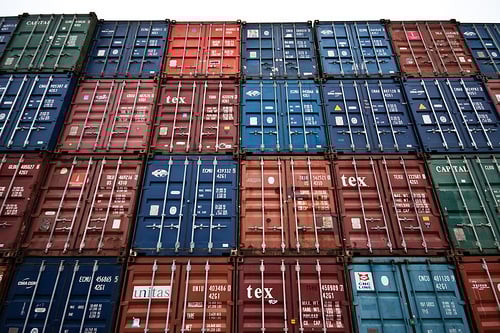
How much does an SGS inspection cost?
SGS pricing for their services is available through their website, although the company is very strict in giving out quotes since there are a number of factors that they need to consider before giving a quote such as the geographical location, the size of the company and complexity of the business. Thus, these quotes can still be changed based on the information that the SGS finds out about the company. A discussion on Scribd implies that the price can be anywhere from $1,000 to $3,500 for a small sized company.
SGS inspection overview
The charges will be either paid by the exporter or the importer as agreed when the contract is signed.
SGS will provide a full routine inspection onf the overall aspect of the company, and this guarantees the safety of the workers as well as the consumers who will use the company’s products or services. SGS will also provide a full report regarding their findings and will identify business opportunities for how the company can improve.
The findings that SGS reports will greatly reduce company’s risk in having different factors that are considered as opportunities within the company.
The company works with the following sectors: agriculture and food, chemical, construction, consumer goods, energy, manufacturing, life science, logistics, mining, oil, transportation, environment, health and risk management.
What are the extra costs?
There will be an additional cost for the number of inspections that will be done for the company. It should be noted that SGS provides inspections per request and each visit can be considered as an additional cost.
SGS offers additional services companies can take advantage; however, these services are also considered added costs since each service is priced differently from another due to the processes performed.
Tips to know:
SGS recognizes its clients by offering incentives to them the more they take advantage of the services that are offered. SGS provides lower rates to loyal clients that frequent their services.
Being inspected by a well-known auditor can improve the reputation of a company. Since the standards SGS has is well beyond average, a good report from them can prove beneficial to any company.
How can I save money?
As a company, try to get as many services from SGS as you can afford. As mentioned earlier, SGS provides special rates for companies that use their services frequently.
How Much Does an Eggplant Cost?
An eggplant is smooth and the numerous seeds found inside are edible, along with the rest of the vegetable. The skin of the eggplant is also edible, which makes peeling unnecessary. The eggplant has several varieties which can be found in different parts of the world, and studies have shown the eggplant is effective in treating high cholesterol.

How much does an eggplant cost?
There are several varieties of the eggplant available on the market, and the price of each variety differs depending on the size and the number purchased; however, most should be within a few dollars per pound. Eggplants are usually sold per pound, and the price can range anywhere from $1 to $4 per pound. This price greatly depends on the time of year, if it’s organic or not, the variety and if any promotions are being held at the store. If there was a shortage, for instance, the price could be higher, but regardless of the time of year, the costs should almost always be less than $4 per pound 99 percent of the time.
According to some members on Gardenweb.com, they said they could found a tender Asian eggplant for about $2.50 per pound, and most agreed you shouldn’t spend more than $3 per pound for an eggplant, regardless of the quality or type.
On another forum thread on ChowHound, a forum member said she found eggplant for as high as $3.50 per pound when she was used to paying $1.50. Others chimed in and said they had paid anywhere from $1.50 for an Italian eggplant to close to $3.99 for a Japanese eggplant.
At HEB, a popular grocery store chain, their website lists the prices for $1.25 to $4 per pound, depending on the variety. The fresh purple variety, for instance, retails for close to $1.25 per pound, while the fresh white retails for $4 each, regardless of the weight. The most expensive option — the fresh baby eggplant — retails for $4 per pound. Walmart and other grocery store chains, according to our research, were in the same range.
Eggplant overview
There are many types of eggplant varieties. Some may be smaller, white and look similar to an egg, while others can be long, skinny and similar to that of a bean. Depending on the variety, some can reach heights as large as several feet. The most common types you will often see in the grocery store will include the Thai variety, Japanese, purple
Eggplants are a great source of folate, potassium, fiber, manganese, vitamins C, B6 and K, magnesium, niacin and pantothenic acid.
Three ounces of eggplants, on average, will have about 24 calories, two milligrams of sodium, two grams of sugar and 31 percent calcium.
Tips to know:
When choosing an eggplant inside the grocery store, look for an eggplant that isn’t too large and make sure the body is firm. According to Mercola, the size should have the length of a cucumber and the circumference of a larger pear. If you were to purchase an eggplant that’s too small, it could take too bitter, often ruining the recipe you put it in.
Studies have shown some great health benefits from the ingredients provided above. Sometimes, aside from eating raw or baked, the roots and/or leaves will be boiled to help inflammation, foot pain, coughs and toothaches.
The Black Magic variety, according to scientists, have been shown to have three times the amount of antioxidants phenolics when compared to other types. This is known to prevent cancer, heart disease and even make the eggplant taste better.
How can I save money?
If you need more than 10 eggplants, consider buying bulk from a local farmer instead of going to the grocery store. Here, you may be able to find farmers who may be willing to sell you eggplants by the case of 48.
Farmers’ markets are often cheaper and fresher than the local grocery store chains. If you don’t know where a farmers’ market is, Yelp, Facebook and a simple Google search can often yield some decent results.


