
How Much Does a Hamburger Cost?
Hamburgers are a very popular food item sold in almost all countries around the world, and plenty of popular food chains offer a hamburger as their main food item presented in various forms. This can include a regular hamburger, cheeseburger, bacon burger and so on.

How much does a hamburger cost?
At a supermarket, a pound of hamburger can range from $2.30 to $4 per pound depending on the quality, geographical location and where it’s purchased. The external costs to create a hamburger at home can be anywhere from $0.59 to $3 per burger, depending on the ingredients being used and the local cost of living.
Frozen hamburger patties are raw and uncooked upon purchase, and a six-pack made from a high-grade beef can cost $6 to $9. At Costco, for example, they sell a 20 pack that retails for about $18.
The price of a hamburger at a local restaurant will depend on your geographical location and restaurant. On average, a simple hamburger at a local fast food chain can cost $1 to $6 without any additions such as fries, while a higher-end pub in New York City may charge as much as $15. A burger at McDonald’s or White Castle can cost $1 to $3, while a burger at a local chain such as Ruby Tuesday might cost $7 to $9.
Eater.com did a study and showcased the cost of a hamburger across the United States. On their infographic, the costs ranged from as little as $6 in Philadelphia to as much as $9.52 in New York City.
AOL.com did a study comparing the Applebee’s burger compared to what it would cost to cook it at home. In the study, the Applebee’s burger would cost $7.49, while cooking at home could cost you $2.20.
What are the extra costs?
If you buy the patty alone, extra costs will be the other ingredients that are added in the burger. These ingredients can include the hamburger bun ($1 to $3), cheese ($5~ per pound), ketchup ($2 to $4) and lettuce ($1 to $2 per head). This all depends on the type of hamburger you want to create.
Tips to know
The New York Times estimates Americans eat 16 billion burgers a year.
How can I save money?
You can save money by making fresh patties from scratch. Premade patties, both fresh and frozen, will always be more than a package of ground beef.
Cooking a burger at home is simple and easy and will always be cheaper than purchasing at a fast food chain. Plus, it will be a lot healthier.
How Much Does It Cost to Take the Bar Exam?
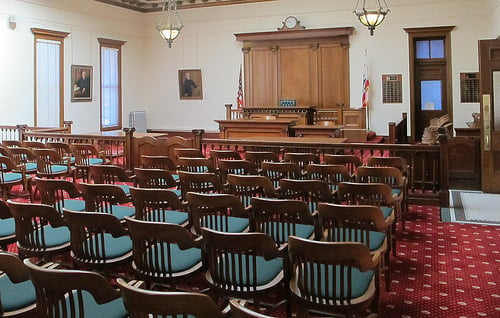
The bar exam is a test issued by the government that every law student in the United States is required to take in order to legally practice law. After completing your law classes in college, the bar exam will be your last step in becoming a lawyer. The price, schedules, and specifics of this test are going to vary greatly depending on the state you live in.
How much does it cost to take the bar exam?
On average, the bar exam can cost as little as $500 to as much as $1,500+ for just the exam. This won’t include additional fees such as the application charges, traveling fees or deadline charges. Refer to the table below for your state’s cost. When everything is factored in such as the registration fees, background checks, study guides and crash courses, the total can easily surpass the $3,500 to $5,500 range.
Lee Burgess at About.com said in California, you will have to pay $614 to sit for the test plus $139 to use your laptop. That brings the total to $753 alone.
| State | Bar Exam Cost |
|---|---|
| Alabama | $475 - $1300 |
| Alaska | $800 + fees |
| Arizona | $395 |
| Arkansas | $325 |
| California | $520 - $770 |
| Colorado | $425 - $825 |
| Connecticut | $450 |
| Delaware | $500 |
| Florida | $850 to $3,000 |
| Georgia | $500 |
| Hawaii | $300 |
| Idaho | $500 |
| Illinois | $4540 |
| Indiana | $225 to $550 |
| Iowa | $325 |
| Kansas | $500 to $825 |
| Kentucky | $625 |
| Louisiana | $550 |
| Maine | $700 to $900 |
| Maryland | $200 to $250 |
| Massachusetts | $850 |
| Michigan | $600 |
| Minnesota | $500 |
| Mississippi | $625 |
| Missouri | $400 to $1,300 |
| Montana | $400 |
| Nebraska | $550 |
| Nevada | $500 |
| New Hampshire | $400 |
| New Jersey | $500 to $725 |
| New Mexico | $400 to $800 |
| New York | $250 + fees |
| North Carolina | $600 to $1,300 |
| North Dakota | $150 |
| Ohio | $330 to $1,000 |
| Oklahoma | $300 to $1,000 |
| Oregon | $500 |
| Pennsylvania | $500 to $1,400 |
| Rhode Island | $450 to $800 |
| South Carolina | $400 to $750 |
| South Dakota | $300 |
| Tennessee | $300 to $900 |
| Texas | $300 to $1,200 |
| Utah | $425 to $625 |
| Vermont | $255 to $600 |
| Virginia | $175 to $350 |
| Washington | $450 to $750 |
| West Virginia | $375 to $1,000 |
| Wisconsin | $450 to $900 |
| Wyoming | $200 |
What are the extra costs?
Most colleges and exam centers are going to charge an application fee, which is usually around $25 and $175. For example, registering in California can cost $119.
Notary and postage fees will be necessary in order to send out your results. This will be an additional $20 to $50.
In some states, applicants may have to submit additional paperwork. For example, in California, applicants have to submit a moral character application; this costs $500.
Late registration fees can be more than double than the regular registration fees.
Fingerprints will cost anywhere from $30 to $60.
If you want to use the laptop during the exam, additional fees will apply. This is usually about $150 to $200. The laptop will have to be approved ahead of time in order for you to use it.
Course material, as well as study guides and flashcards, will be necessary to prepare for the exam. While college will teach you a fair majority of these materials, the study guides will focus more on the examination process. Bar review classes can cost $1,500 to more than $3,500. BARBRI, for example, has courses that can cost $2,000 to $4,000. Study guides, textbooks and flashcard sets can all cost anywhere from $30 to more than $110.
Some exam centers may not be located near your home, and travel expenses are going to be an additional expense to think about.
Tips to know
Students are encouraged to apply as early as possible because some testing centers can fill up quickly.
16 states accept the bar exam scores from other states, but in order to transfer, you will have to pay a transfer fee, which can be anywhere from $250 to more than $1,000 depending on the state you transfer to, and students may have to meet additional requirements such as taking a local law class.
To find bar exam dates, deadlines, subjects tested, MPRE information, grading and results, visit abaforlawstudents.com for a directory of states.
Most students will start studying for the exam about one to two weeks after they graduate. Successful students stated they studied for eight to 10 weeks before they felt comfortable taking the exam.
The bar exam will vary on what’s included but on most exams, it will have some sort of legal/research writing assignment, short essays and multiple choice questions. In Texas, for example, it includes a simulated legal writing assignment, 40 short answered questions, 200 multiple choice and 12 essays.
How many times can you take the bar exam?
Most jurisdictions don’t limit the number of times you can take the exam, but some will impose some limits. Some states will a have a set amount of times you can take the test, while others allow a certain amount of attempts.
The following states have no limit and you can take the bar exam as many times as you’d like: Alabama, Alaska, Arkansas, California, Colorado, Connecticut, Delaware, Florida, Georgia, Hawaii, Illinois, Indiana, Louisiana*, Maine, Massachusetts, Michigan, Minnesota, Mississippi, Missouri, Nebraska, Nevada, New Jersey, New Mexico, New York, North Carolina, Ohio, Oklahoma, Oregon, Pennsylvania, Tennessee, Washington, Wisconsin, Wyoming.
The following states have limits to the amount of times you can take the exam without any special permission: Arizona (three times), District of Columbia (four times), Idaho (six times) Iowa (two times), Kansas (four times), Kentucky (five times), Maryland (three times), Montana (three times), New Hampshire* (four times), North Dakota (six times), Rhode Island (five times), South Carolina* (three times), South Dakota* (three times), Texas (five times), Utah (six times), Vermont (four times), Virginia (five times), West Virginia (four times). In some states, have you fail a certain amount of times, there may be a time limit imposed.
How can I save money?
Consider purchasing used study materials online since newer textbooks are usually going to cost around 40 to 50% more.
Try and find the closest exam center near your home so you can save on unnecessary travel expenses.
How Much Do Gator Tags Cost?
Some states allow you to hunt alligators legally, but in order to hunt them, gator tags are going to be required. The price of gator tags will depend on the state and if you are a resident or non-resident. States where you can alligator hunt include Florida, Georgia, Lousiana, Mississippi, South Carolina and Texas.

How much do gator tags cost?
On average, a gator tag can cost anywhere from $25 to as much as $1,000 or more for an entire alligator hunting season. Each state is different with its laws. The permit will only be valid for a particular time period.
In Louisiana, a sports license to hunt alligator during the season will cost around $25 for a resident. If you’re a non-resident, the license will cost around $150 to $200. According to the Department of Wildlife and Fisheries in Louisiana, the cost of a tag is going to be anywhere from $25 for a resident to $125 for a non-resident.
In Florida, a license can cost around $1,000 for a non-resident, while a resident will pay around $250 to $350.
In South Carolina, they only offer gator tags to those who enter a raffle. Those who get selected can purchase a permit for $100.
In Alabama, alligator hunts are designated by zones. Those who are interested will pay a $22 administrative fee and can apply for one zone at a time. If selected, the tag will be free and hunters will need a valid license while hunting.
Gator tags overview
The permit, along with the regulations and rules, will be valid for a certain time of the season. In Lousiana, for instance, a hunter must either hunt on their own land or leased land that is classified as a wetland habitat.
The tag itself is used for the alligator if you successfully hunt one and is commonly placed around the tail. Once the alligator is killed, the tag will have to be applied to show that you have a permit to legally hunt it.
In order to obtain a tag, the state will require personal information such as your name, an application, proof of property ownership if you’re going to hunt on private land, a map, a landowner’s signature and other related information. Each state will be different.
If you’re planning on hunting private land, most states will require additional information such as a landowner’s signature as well as an outline of the area that is going to be hunted so it can be approved. It’s best to refer to the state’s official wildlife site to get more information.
What are the extra costs?
Most states may charge an application fee that can cost $10 to $30. This application is needed to process your permit.
Those who live out of state will always pay more than a resident.
Tips to know
Know the rules before hunting. For example, in Texas, it’s illegal to feed a free-ranging alligator.
Open season depends on the state. In Texas, the alligator open season is April 1 to June 30. In Louisiana, the east zone opens the last Wednesday in August, and the west zone opens the first Wednesday in September. In Florida, it’s from August 15 to November 1.
Lawful hunting hours are usually a half hour before sunrise to sunset.
Most tags will be non-refundable.
If the state uses a lottery system to choose its tags, the permits will be issued randomly and the winners will be notified either via e-mail or by mail.
How can I save money?
Try to hunt in a state that has the lowest alligator tag fees if you’re going to travel to do so. If you live in a state where the hunting is legal, a resident fee is a lot cheaper to pay rather than a non-resident fee.
Only get the number of permits necessary for the hunt. Instead of purchasing two or three, consider purchasing only one. If you need more, many states allow you to go back and purchase more.
How Much Does a Gas Furnace Cost?
| Need a pro near you? Get multiple quotes for free online. Get your quote now >> |
Natural gas is considered to be the most energy efficient way to heat your home. If you’re in need of a new gas furnace, the cost will depend on the square footage of the home and the type of furnace you choose.

How much does a gas furnace cost?
On average, the cost to install a new gas furnace can cost as little as $1,000 to as much as $10,000 installed. This cost will depend on the AFUE rating, size of your home, the brand, BTU, contractor and geographical location.
A basic gas furnace with an AFUE of 80% can range from $500 to $1,200. A mid-range furnace with an AFUE of 80% can cost $700 to $1,400. A higher-end furnace with an 80% AFUE can cost $1,300 to $2,500. These are all prices for the furnace only and won’t include professional installation.
On the table below, you will see the terms BTU and AFUE. BTU stands for British Thermal Units and this will measure how much energy it will take to melt one pound of ice one degree Fahrenheit. The typical home will require 30 to 60 BTU per square foot, depending on the climate and regional climate. The colder your home is, the higher this BTU should be. AFUE, which stands for Annual Fuel Efficiency, will evaluate the efficiency of the furnace. Anything in the 90s is considered to be highly efficient, while anything in the 80s range will be considered standard. Take this number and this will tell you exactly how efficient the furnace may be. For example, a furnace with a 90 rating will have a 90% efficient rating, saving you money on your utility bills.
| BTU | AFUE | Gas Furnace Prices |
|---|---|---|
| 44,000 | 95 | $900 to $1,300 |
| 60,000 | 96 | $2,100 to $2,900 |
| 66,000 | 95 | $900 to $1,300 |
| 80,000 | 96 | $2,400 to $3,000 |
| 88,000 | 95 | $1,100 to $1,500 |
| 100,000 | 95 | $2,700 to $3,300 |
| 110,000 | 95 | $1,300 to $1,700 |
NOTE: This is the price range for the furnace only. This won’t include installation prices. It’s safe to add at least $1,000 to $2,000 on top of the prices above to factor in installation.
Top brands to consider (and the costs installed)
| Brand | Standard Price (installed) | High Efficiency (installed) |
|---|---|---|
| Amana | $3,000 to $6,000 | $5,000 to $7,500 |
| American Standard | $2,000 to $10,000 | $3,000 to $13,000 |
| Bryant | $3,000 to $10,000 | $4,000 to $13,500 |
| Carrier | $2,000 to $10,000 | $5,000 to $13,500 (the Carrier Infinity 96, for instance, retails for $2,000) |
| Goodman | $3,000 to $6,000 | $5,000 to $9,500 |
| Heil | $3,000 to $6,000 | $5,000 to $9,500 |
| Lennox | $3,000 to $6,000 | $5,000 to $9,500 (the ML195 and EL195E, for example, retails for $1,600) |
| Nordyne | $2,500 to $6,000 | $5,000 to $10,000 |
| Payne | $3,000 to $6,000 | $5,000 to $9,500 |
| Rheem | $1,000 to $3,000 | $4,000 to $7,500 |
| Rudd | $3,500 to $6,000 | $5,000 to $12,500 |
| Trane | $2,000 to $4,000 | $4,000 to $13,000 (the xc95m, for example, retails for $2,600 to $3,400) |
| York | $2,000 to $4,000 | $4,000 to $13,000 |
What are the extra costs?
Homes that have never had any gas furnace will need new ductwork installed. The cost of new ductwork can cost $7 to $13 per linear foot and this will depend on the local hourly rates, the material being used and the complexity of the job. Even if your home has the necessary ductwork, most professionals will want to inspect it to make sure no leaks are present. If there are leaks, they will recommend replacing the ducts to increase the efficiency. Leaks, if found, can lead to up to a 30% reduction in heat coming from your furnace.
Permits and/or inspections may be required, depending on your local city laws. These permits will relatively inexpensive and will cost less than $150.
Even if you purchased your own furnace, installation costs can range anywhere from $2,000 to more than $7,000. This will all depend on the complexity of the job, the contractor you choose and the geographical location.
Adding a humidifier can be an additional $500 to $800. An air purifer system can cost as much as $1,500.
Converting an older oil burning furnace to a gas-based can cost $1,000 to $6,000 more. This can depend on the local regulations and the location of the tank.
Factor in basic maintenance in the future such as replacing the filters, keeping the blower motor clean and annual inspections. Repairs can often occur such as replacing the heat exchanger, thermocouple or fixing the pilot light assembly. Refer to our repair rate table below to see what a common repair may cost.
| Part/s | Cost (professionally installed) |
|---|---|
| Draft Inducer Motor | $400 to $900 |
| Electrical Breaker | $60 to $300 |
| Electronic Pilot | $100 to $250 |
| Electronic Thermostat | $50 to $250 |
| Gas Burner | $150 to $550 |
| Gas Shut Off Valve | $200 to $350 |
| Heat Exchanger | $900 to $1,500 |
| Hot Surface Ignitor | $100 to $300 |
| Mechanical Thermostat | $100 to $400 |
| PSC Blower Motor | $400 to $800 |
| Safety Limit Switch | $100 to $300 |
| Service Call Only | $60 to $170 |
| Standard Blower Motor | $400 to $700 |
| Thermocouple | $100 to $300 |
Gas furnace overview
Common gas furnace features can include variable speed blowers, special variable heat output, HEPA air filtration, dual heat exchangers, a non-pilot ignition system and zoned heating options.
The average furnace will last 15 to 20 years if maintained properly.
Replacing a furnace will take about a day to replace, depending on the existing lines and the location of the unit.
Tips to know
Lower efficient furnaces may be cheaper, but keep in mind it will come at a price since most won’t carry extensive warranties.
FamilyHandman.com notes you should try to pick a furnace with a 92 percent efficiency rating. The higher the efficiency is, the more complex the system can get, leading to costly repairs in the future. A high efficient furnace is recommended for those who live in colder climates and if you feel you’re going to stay in your home for more than 10 years.
How can I save money?
Choose a furnace that has a high-efficiency rating. A high-efficiency rating ensures that you will have a lower monthly electric bill and will save you money in the long run.
Choose a furnace that has the right energy output for your house. If you have a small to moderate sized house, you don’t need a furnace that has high energy output. At the same time, you would not want to buy a gas furnace that has a low energy output if you have a larger house. A system that is too weak or too powerful won’t run as it should and could make the home uncomfortable.
Get quotes from at least three different companies/installers. When receiving the quote, check with the Better Business Bureau and personal references. If you don’t want to bother calling people over the phone, consider having quotes delivered to your inbox for free by using HomeAdvisor.com. Never go with the lowest bidder, however. A good estimate will include a well written contract with an outline and will tell you exactly what you’re getting. If you’re getting a brand you have never heard of before, then you may want to do your own fact checking.
Purchasing a highly efficient furnace may qualify you for incentives or tax credits. Check with your local city or state to see if you qualify for any.
How Much Does a Gas Fireplace Cost?
A gas fireplace will use natural gas, instead of wood, to heat your home. Working similar to a traditional fireplace, a gas fireplace will ignite by simply pressing a button.

How much does a gas fireplace cost?
A gas fireplace, regardless of the type and venting option you purchase, will cost anywhere from as little as $500 to more than $3,500. This will be the price for the fireplace and won’t include any professional installation. The installation will depend on your setup. If you currently have a gas fireplace or you want to convert a wood fireplace, it can be cheaper than installing a fireplace in an area that doesn’t have a fireplace or chimney at all. Plan on spending about $500 to $3,000 to install a gas fireplace. By the time you factor in a quality gas fireplace and the installation, the costs can be in the $4,500 to $7,000 range.
BobVila.com notes the average gas fireplace can cost $1,000 to $3,000, and this price will be similar to a wood fireplace. This price range remains the same no matter where you live.
| Type | Price Range |
|---|---|
| Direct Vent | $1,000 to $3,500, depending on style, materials and complexity. This fireplace will drill holes in the wall so the fireplace can vent properly. |
| Top-vented | $700 to $3,500, depending on the size, materials used and style. This will convert a wood burning to a gas. |
| Vent-free (no chimney required) | $200 (simple) to $1,100 (designer). |
| Vented (a chimney will be required | $100 (simple) to $600 (for designer). This depends on size and style of logs. |
Gas fireplace options
When installing a gas fireplace, there are three venting options: a natural vent, direct-vent and vent free. A natural vent, usually referred to as a B vent, will use the present chimney and will exhaust the by-products to the outside by using a flexible liner or a single pipe installed within the chimney. A direct-vent will draw in the outside air for oxidization and will then discharge this air to the outside via a co-linear venting system. This venting system can be vented within the roof or into the side of the home and can be a nice option for those who don’t have a chimney. Lastly, vent-free technology allows you to use a catalytic converter technology to clean the heated oxygen as it leaves the chamber. This technology won’t require a chimney or any sort of venting. Keep in mind that vent-free fireplaces can be illegal in some parts of the United States, so before purchasing one, be sure to check your local state/city code to make sure.
What are the extra costs?
Before a gas fireplace can be installed, a chimney inspection will be mandatory and can cost $100 to $200. During this sweep, a professional will be able to clean your chimney and let you know if your chimney is able to accommodate a gas fireplace.
While optional, logs may be needed to keep an authentic look. Artificial logs can cost $100 to $1,000, depending on the quality and range. These logs will be made from ceramic or a refractory cement mixture designed to withstand high heat. Most gas fireplaces may already come with logs, while others do not. Adding these logs often add an authentic look and the coal bed beneath can add a fireplace glow.
If a gas line needs to be extended to the fireplace, this will be an additional cost to consider. This can cost $200 to more than $1,500 depending on how complicated the connection will be.
Like the gas line, if power is needed, an electrical outlet will need to be installed. This can cost $100 to $350.
Routine maintenance will be essential to keep your fireplace safe and the capability to heat cleaned gas. Experts recommend having your fireplace serviced every year. During this inspection, a qualified contractor will inspect the fans, burner, vents, thermostat and pilot light. An annual check will cost about $100 to $150. A gas fireplace cleaning could cost $80 to $150, depending on the job
How much does a gas fireplace cost to run? Running a gas fireplace won’t be cheap as it will need either natural gas or propane to run. Depending on the setup you have and which heat source you can use, plan on budgeting at least $0.70 per hour for natural gas or $2.30 per hour for propane.
A clear-view or two-window fireplace can cost $300 to $700 more. These fireplaces are designed to be placed in the middle of the room and the cost will be dependent on the style.
Those building a fireplace will need to consider the finishing options such as the masonry trim, mantel and/or hearth. Depending on the job, it can cost more than $1,000 when the framing, trim and drywall is involved.
Tips to know
Depending on your house size, a 40,000 BTU fireplace should be more than enough to heat a living room.
To find a qualified contractor in your area, refer to the National Fireplace Institute.
Vent-free gas fireplaces may generate the utmost heat, but as Angie’s List points out, it may introduce unburned combustion products into your home. Because of this, it isn’t recommended for those who have allergies or asthma.
If you already have a chimney, consider a vented fireplace since it’s simple to install and a contractor can use your existing chimney. Those who don’t have a chimney should consider using either a vented or vent-free option.
Vented vs ventless gas fireplaces
Vented gas fireplace pros
A fully vented fireplace will need to have a similar to setup to a wood burning fireplace. Since gas can’t be burned clean, a damper will have to open to allow the fumes to escape the chimney.
Compared to a ventless flame, a vented gas fireplace will have a “yellower” flame, making it look more realistic. The flame is also taller in size.
As the flame burns, it can wrap around the wood, creating a realistic effect.
Since it has a chimney, most smells will escape.
Vented gas fireplace cons
Less heat will be produced since a lot of it can escape.
Compared to ventless, it can use a bit more gas, increasing your gas bill.
Ventless gas fireplace pros
Ventless gas logs won’t have a vent, hence the name “ventless.” These fireplaces have specially designed burners to burn gas cleanly with no exhaust, similar to how a kitchen range works. This fireplace can be burned with the damper closed.
Compared to a vented, it can trap the heat, allowing you to use less heat.
It will also use less pollution since no fumes can escape the chimney.
Ventless gas fireplace cons
Ventless fireplace inserts can create mold or mildew since, in order to burn the gas, the fireplace will have to use carbon dioxide and water vapor.
A window will have to be opened if it’s used for more than one hour since you will have to replenish the oxygen being burned by the fireplace.
The smell, according to some people, can produce a smell that’s similar to kerosene. It can also cause eye irritation to those who are sensitive.
They won’t be legal in some municipalities.
Because the gas has to be burned cleanly, the flame height can be very low and will appear less lofty.
BTU limits will apply, and this will depend on the amount of cubic feet available in the room.
How can I save money?
When hiring any contractor, try to get at least three quotes. Most contractors will be more than happy to come out and offer a quote for no charge. To get quotes delivered straight to your email inbox, consider using HomeAdvisor.com – it’s free.
How Much Do Garnet Stones Cost?
Garnet stones were part of the minerals used during the Bronze Age, and these stones are usually used as a jewelry accessory. Garnet stones are commonly placed in necklaces, bracelets or as a decorative accessory. Garnet is the birthstone of those who were born in January.

How much do garnet stones cost?
The cost of a garnet stone will depend on the carat weight, cut, color, size, clarity and where it’s purchased from. While some think it’s the carat that affects the price, it isn’t always the since the overall quality is often the deciding factor.
Loose rough garnet stones can cost anywhere from $0.60 to $10 per carat.
AwesomeGems.com has a variety of garnet stones available for sale. For instance, a 0.05-carat demantoid garnet round mixed cut retails for $1,000, while a one-carat color-change garnet stone retails for $1,500.
| Garnet Variety | Price Range |
|---|---|
| Color Change Garnet | $500 to $1,500 per carat. This will depend on the cut, clarity and color. |
| Demantoid Garnet | $800 to $1,200 per carat for a Russian demantoid. The more vivid the green is, the more it can be. |
| Malaia Garnet | $300 to $500 per carat. Depending on the cut, clarity and size. |
| Rhodolite Garnet | $40 to $65 per carat. This is the least expensive garnet stone of the market. |
| Spessartite Garnet | $300 for a higher quality orange-red to as much as $2,500 for a vivid orange. |
| Tsavorite Garnet | $400 for one carat with a nice color to as much as $2,200 for a larger stone with a top color. Anything over one carat is rare. |
What is going to be included?
Although a garnet stone is associated with the color red, these gemstones can be found in virtually any color. The stones won’t be found in their pure state and will always be mixed with other garnet species. On the market, these stones will be referred to as a blend or a solid-state series and should always be in its natural state. Since they are readily available, there’s no need to create an artificial alternative.
Garnet stones can come in the following shapes: beads, cushion cut, emerald cut, en cabochon, heart-shaped, marquise, oval, pear, princess, radiant and trillant. The shape won’t affect the price and is commonly faceted to an item. For example, a pear shape would be ideal for a necklace, while a trilliant cut would be best suited for a ring.
In size, these stones can be microscopic and will come from the crystals on its host rock. The average size is a half inch to a full inch.
Most stones found on the market will be less than a carat and anything over three will be considered very rare.
As for clarity, the following grade is used by gemologists: F, IF, VVS, VS, SI1, SI2, I1, I2, I3 and Dcl.
Garnet types
Garnet species will include almandine, andradite, grossular, hydrogrossular, pyrope, spessartite and uvarovite. Non-gem species include goldmanite, henritermierite, kimzeyite, majorite, schorlomite, and yamatoite. Blends such as rhodolite, malaia and color change are considered to be a garnet variety.
Almandine
This is the most popular stone you will find on the market. It can come in a spectrum of colors, but the most popular will be a red. This gem is often found in Sri Lanka and India.
Andradite
Known as a rare gem, andradite has the largest dispersion and can have more enthusiasm than a diamond.
Color Change
In recent years, some garnet stones were to change colors in an artificial light. In the early 200s, blue garnets with color flashes were found in Madagascar. These color changing stones are a pyrope-spessartite blend.
Demantoid
This popular light green garnet is found in the Ural Mountains of Russia and means “diamond-like.” This is the rarest out of all garnet stones.
Grossular
These gems, unlike the other garnets, won’t come in a darker color. Being found in just about any tone, even transparent, the light to medium tones, along with its energetic colors, make for a fine jewelry piece.
Hydrogrossular
This garnet stone will never be transparent and will be commonly found in blueish green or sometimes white and pink.
Malaia
In the past, this was the term used when a garnet stone couldn’t be described. Today, it’s described as a stone which blends pyrope and spessartite.
Pyrope
Coming in a dark toned red, people often consider this a ruby alternative. It can also come in almost black color as well.
Rhodolite
Blending the pyrope and almandine stone, this blend has a distinct purple or raspberry color. This will be the least expensive stone on the market.
Spessartite
Also referred to as a spessartine, this garnet will commonly come in an orange-type color which often has a hue of red. This orange color comes from the trace of iron in the stone. This gem is commonly found in Germany, India and the United States.
Tsavorite
This rare garnet is colored by chromium and was discovered in the late 1960s in Tanzania. Rivaling the emerald, this stone is often less than two carats.
Uvarovite
Out of all types listed here, this will be the rarest one. This rich, dark-colored stone rivals the emerald and is always tiny in shape.
Tips to know:
A garnet is known to be one of the most complex in the gem world since it’s not a single species, but rather, it consists of several.
Its hardness is 6.5 to 7.5.
Cleaning a garnet stone is simple. Most of the time, warmer water with some soap can do the trick. Simply soak the jewelry in the water for up to 30 minutes and polish with a soft cloth. While some ultrasonic cleaners may work with your stone, consult with a professional before you do because some cleaners have been known to crack the stone because of the cleaner’s sensitivity.
Always be wary of any seller who claims they have a flawless stone. No matter where you purchase the stone, a garnet stone will always have some sort of flaw. Common flaws may include cracks, chips, crystals, silk fibers and cavities.
How Much Does Garlic Cost?
Garlic is one of the several ways to add flavoring to your food. Garlic is part of the onion family and has been used in both culinary arts and for medical purposes as well. It has a strong flavor which is characterized by its pungent and spicy flavor that mellows and sweetens as it cooks. Garlic is also popularly used for medicinal purposes and is believed to help prevent heart disease as well as cancer. It has been observed that countries that use garlic in cooking have lower cancer rates.

How much does garlic cost?
Single garlic cloves sold at the grocery store can be purchased for as little as $0.25 to $1 per clove. At local farmer markets, farmers often sell for about $2 to $8 per 1/4 pound, depending on the variety.
One member on Gardenweb.com charged $8 per pound, while another sold hers for $0.50 for a small piece.
Minced garlic can cost about $5 to $8 per 16-ounce container. For example, Walmart’s Great Value brand .
Fresh garlic bulbs can cost up to $12 per pound at local farmer markets.
Garlic is also available in powdered form. This is perfect for making last second adjustments if you feel that the food is lacking that extra garlic flavor. Garlic powder can cost $1 to $3 for a three-ounce container.
Profitableplantsdigest.com notes some gourmet garlic can cost up to $16 per pound. It also notes some varieties such as Rocambole and Purple Stripe are hard to find.
Tips to know:
Common garlic types found on the market includes artichoke, turban, porcelain, purple stripe, rocambole, silverskin and asiatic. On the market, there are close to 100 varieties, and like a fine wine, each one will have its own flavor, taste and use. Some can be consumed raw, while others are designed to be roasted.
The smaller you cut garlic into pieces, the stronger the flavor is going to be. It’s best to chop the garlic finely to ensure that the flavor is strong.
Once green sprouts begin to show on garlic, it can be a sign of bitterness. While you can still eat the garlic, the taste will be different.
If you’re thinking about purchasing garlic powder to substitute the clove, know that one-eighth of a teaspoon equal about one small garlic clove. As for minced garlic, one-half teaspoon will equal one clove.
Most popular garlic types come from across the world and do well in just about any climate as long as it has well-drained loamy soil. The top five garlic producing countries in 2015 were China, India, Korea, Egypt and Russia.
Studies have found garlic may reduce a cold by half or even lower your blood sugar. The National Cancer Institute even noted garlic could reduce the risk of cancer.
How to mince garlic
How can I save money?
Check local farmer’s markets with garlic is in season. This is a great way to get a great deal on fresh garlic that was homegrown.
Consider having your own little garden where you can grow the garlic itself. It isn’t as hard as you think. Gardeningknowhow.com shows you how to grow garlic from seed.
At local markets, the more you purchase, the more you should be able to save since many locals tend to offer bulk discounts.
How Much Does Fantasy Football Cost?
Fantasy football is an interactive online football competition where you compete with other people from all areas of the world or with your friends and family members. With fantasy football, you act as team manager of a football team, where you will virtually draft, trade, add, or drop players and change rosters. The better your player does in real life during the game, the more points you get.

How much does fantasy football cost?
On average, a fantasy football team can be free or can cost up to $500 or more per team depending on what site you sign up with, the prize you want to win, as well as other various factors. Usually, most of the online football fantasy leagues charge $10 to $100+ per team, but it can be much more than this. The more you pay in fees, the higher the prize can be at the end of the season.
For example, CBSSports.com Fantasy Football charges $39.99 per team for the gold version with a $200 league champion prize; the Platinum version costs $99.99 per team with a $600 league champion prize; the Diamond version costs $249.99 per team with a $1,600 league champion prize; and the Double Diamond version costs $499.99 per team with a $3,500 league champion prize.
| Website | Cost |
|---|---|
| CBS Fantasy Football | - GOLD: $39.99 ($200 prize) - PLATINUM: $99.99 ($600 prize) - DIAMOND: $249.99 ($1,100 prize) - DOUBLE DIAMOND: $499.99 ($2,500 prize) - ELITE: $999.99 ($5,000 prize) |
| ESPN Fantasy Football | Free |
| NFL.com Fantasy Football | Free to $124.99 |
| Yahoo Fantasy Football | - PRO20 League: $20 ($100 prize) - PRO50 League: $50 ($250 prize) - PRO100 League: $100 ($500 prize) - PRO250 League: ($1,250 prize) |
Fantasy football overview
Fantasy football allows you to run your own team of professional players. At the beginning of your league, you will either draft your team live or you can have the computer draft your team for you based on the rankings you choose. Most websites will have lists already compiled, but you will be free to rank players as you wish. Other leagues may have an auction-based system where you only have so much money to bid on your players.
Most websites are based on a points system and will have their own formula. For every 10 rushing yards a running back gets, for example, you may get one point. A touchdown can count as seven. The administrator will have the right to choose scoring options, so these scores will vary across the board. Common point systems look like this: one point for every 25 yards a quarterback throws; four points for every touchdown thrown by a quarterback; -2 points for every interception; for rushing, one point for every 10 yards; six points for every rushing touchdown; one point for every 10 yards for a wide receiver; and six points for every receiver touchdown. An extra point will be one point, while field goals, depending on the distance, can be three to five points.
During the season you will set your lineups before each week, accept or reject trades, sign free agents from the free agent list, and your goal, depending on the league you’re in, is to either beat your opponent or have the most points for the week or season.
You are entitled to claim the price if your team wins and you meet the website rules. Be sure to read the details on how you can win the prize as well as how you can claim it. Most websites pay prizes to the top three winners. Bigger leagues may offer prizes to more people.
Types of fantasy football leagues
Standard Draft League
This is the most popular league and will begin by players either drafting live or via an autodraft. Each week, players will set their lineups based on the league’s rules. With standard draft leagues, there are two popular types: the head-to-head and by total points. With the head to head, a team will play a different team each week and the team with the most fantasy points during that matchup will get the win while the other team gets the loss. Toward the end of the regular season, the teams with the best win/loss records will face off in a playoff. With a total point league, teams will try to accumulate as many points throughout the season and won’t face off against each other. The teams with the highest points at the end of the season will advance to the playoffs.
Auction Draft
Like a standard draft, you will still have your head to head and points system. The only different here is each player will get a certain amount of money they can use to bid on their players to fill their roster. Each player can bid on whoever they like, and the same player can be on other teams, but if a player spends too much on a certain player, the other roles may suffer since they will have less money to spend.
Dynasty Leagues
Dynasty leagues will spread out over the years to come and won’t last one season. Players will remain on one team from one season to another unless they are traded or released by the team. When each new season begins, a rookie-only draft will happen.
Keeper League
This is a combination of a dynasty and standard draft league. At the beginning, players will be draft; however, owners will only be able to keep a predetermined number of players from the season before. This will depend on the league’s rules.
IDP League
This league will use defensive players alongside offensive players. Since most leagues will only use a team’s defense, this involves more research since defensive players will have individual points similar to the offensive roles.
Survivor League
This league will usually start as a standard draft, but what makes this unique is that a team with the least amount of points for the week will be eliminated for the season.
What are the extra costs?
Some websites have premium add-on options. For example, the NFL.com fantasy league has the “optimize the roster” option for an additional $3.99. This option allows you to swap players once the week starts.
Some popular chains such as Dave and Buster’s and Buffalo Wild Wings allow you to hold draft parties for a small fee. According to this Reddit.com thread, for example, a member had their draft party at Dave and Buster’s and was able to get a private room, draft kit and 10 percent off coupon. He said you had to pay a $200 minimum.
Outside of the regular season, some websites may have an option where you can play during the playoffs for an additional fee.
While optional, some players pay for premium fantasy football advice and tools.
Tips to know
How many people play fantasy football? During the 2015 season, it was projected that nearly 75 million people played.
HerFantasyFootball.com breaks down the common fantasy football abbreviations.
How can I save money?
Joining games for free will save you money. Consider free fantasy sites such as Yahoo!. Keep in mind that many free services generally do not have cash prizes, but some do. Read the fine print before joining.
If you have more than one team you can also receive discounts on some sites.
How Much Does Fanfold Insulation Cost?
| Need a pro near you? Get multiple quotes for free online. Get your quote now >> |
Fanfold insulation is an extruded polystyrene foam insulation applied to the exterior of the house. Fanfold insulation choices should be based on how much insulation you need in a specific area of your house or building, and its purpose is to offer thermal protection to form a second barrier between the elements and the framing of your house.
How much does fanfold insultation cost?
R-19 based fanfold insulation can cost $1.80 to $3 per square foot for the materials alone. For example, the R1 1/4′ FanFold underlayment board for re-siding sold by Menards retails for about $35 for 200 square feet. This won’t include the professional installation. If you were to install fanfold insulation on your own, a 1,500 square foot home could cost $4,500 in materials.
Should you need to hire someone to install the fanfold insulation, the labor cost is going to be additional. Usually, this is calculated by multiplying the area by the thickness of the insulation and then multiplied with the cost of installation per square foot (area x insulation thickness x cost per board foot = total installation cost). For example, a 60 square foot space that’s one inch thick, and the cost per board foot is $2 would bring the total to around $120.
Fanfold insulation overview
Fanfold insulation board will be a thin extruded polystyrene board faced with a plastic film facer on both surfaces. Every few inches, the board will be folded to be packaged easier, and tthese boards are designed to resist air infiltration and liquid water penetration.
The insulation is going to comepre-packedd and ready to be installed. The average fanfold insulation pack will come in an accordion stack that measures four-by-fifty feet and will be folded in two-inch increments.
Depending on the brand, some products will be made of recycled material and can be energy star qualified.
What are the extra costs?
If you’re going to complete the job yourself, tools such as a hammer, stapler, utility knife and measuring tape will be required to accomplish the task.
Tips to know:
Consider using a day when there is no wind. This is going to help make the installation process a lot easier.
This YouTube video says Lowe’s will no longer sell fanfold insulation.
The “R-value” of insulation is the term used to describe the level of thermal protection of the insulating material. The Department of Energy recommends different R-values, depending on where you live in the United States. Refer to the chart below to see which zone you live in.

How can I save money?
Buy in bulk to receive discounts from the manufacturer or dealer.
If possible, you can also venture for a do-it-yourself installation project so you can save on the installation fee.
Consider looking for energy star products to help save with heating and cooling costs.
If you choose to have a professional contractor do the job for you, consider getting multiple quotes delivered to your inbox for free at HomeAdvisor.com.
How Much Does a Farm Tractor Cost?
A farm tractor can be considered the most necessary piece of farm equipment a farmer should have. It performs a variety of farm tasks such as plowing, tilling, harrowing, shoveling, planting, hauling, transporting, lifting, and providing power supply. A farmer may buy a tractor with enough horsepower to do the work needed. When you buy a tractor with more horsepower, you also need to consider the cost of fuel and its impact on the soil. Other factors you need to consider, aside from the price of the tractor, is the design, the size, other features and accessories that go along with it.

How much does a farm tractor cost?
On average, be prepared to pay anywhere from $45,000 for a lower end used model to as much as $200,000+ for a farm tractor equipped with all the accessories that you need. Usually, tractors with about 25 to 28 horsepower can cost $4,000 and $18,000. A higher end, more powerful tractor with many features can demand a price tag as high as $150,000 or more.
Small tractors with around 50 to 75 horsepower and no extra features can cost $20,000 and $40,000. If you want to have additional features and/or accessories, the price can be between the $100,000 and $150,000 range. Usually, the more features you add, the more you’re going to pay.
Larger tractors with close to 100 horsepower can cost $50,000 to $110,000+. Again, the more features you add, the more it’s going to cost.
There are tractors which are also priced more than $200,000, usually those with more than 150 horsepower. For instance, the John Deere 9630 4wWD tractor has a deluxe cab, active seat, deluxe comfort, 800/70r38 duals, radar, front and rear HID lights, AM/FM radio and electric mirrors. This model can cost as much as $275,000.
For example, a John Deere 8210 has 185 horsepower and weighs over 8 tons. This particular model retails for $96,000 to $145,000. One of the great features is a radio in the cab so the driver can listen to music while working. Another John Deere — the 7810 — has 150 horsepower and weighs over 6 tons; this model retails for $78,000 to $93,000.
Some tractors can cost more than $500,000 as pointed out by this 5 most expensive tractors post on rayblessed.wordpress.com.
Today, farmers say it isn’t unusual to fork over $200,000 for a shiny new John Deere.
Rich Taber at Cornell University highlights what people should look for if purchasing a tractor for their small farm. Explaining in depth, he notes a small farm owner should be prepared to spend $5,000 to $20,000 and up. This will depend on the age, the condition and features.
We went ahead and researched top brands, with this information, we came up with the “average” price for a used model. In the table below, you will find the tractor’s brand, the horsepower and the average selling price. Since there are so many factors involved, it should offer a good idea of what it could cost.
| Brand | Horsepower | Average USED Cost |
|---|---|---|
| CASE IH | 175+ | $68,000 |
| CHALLENGER | 175+ | $74,000 |
| MASSEY-FERGUSON | 175+ | $42,000 |
| JOHN DEERE | 175+ | $72,000 |
| FENDT | 175+ | $58,000 |
| NEW HOLLAND | 175+ | $55,000 |
| VERSATILE | 175+ | $30,000 |
| CASE IH | 100 to 174 | $25,000 |
| NEW HOLLAND | 100 to 174 | $28,000 |
| MASSEY-FERGUSON | 100 to 174 | $15,000 |
| KUBOTA | 100 to 174 | $28,000 |
| JOHN DEERE | 100 to 174 | $29,000 |
| INTERNATIONAL | 100 to 174 | $9,000 |
| VALTRA | 100 to 174 | $26,000 |
| ALLIS-CHALMERS | 40 to 99 | $3,500 |
| BRANSON | 40 to 99 | $10,000 |
| CASE IH | 40 to 99 | $12,000 |
| MASSEY-FERGUSON | 40 to 99 | $8,000 |
| MAHINDRA | 40 to 99 | $12,000 |
| KUBOTA | 40 to 99 | $17,000 |
| JOHN DEERE | 40 to 99 | $11,500 |
| INTERNATIONAL | 40 to 99 | $3,500 |
| NEW HOLLAND | 40 to 99 | $14,000 |
| ZETOR | 40 to 99 | $9,000 |
| ALLIS-CHALMERS | <40 | $1,500 |
| MASSEY-FERGUSON | <40 | $4,000 |
| MAHINDRA | <40 | $8,000 |
| JOHN DEERE | <40 | $6,000 |
| KUBOTA | <40 | $6,000 |
| KIOTI | <40 | $9,000 |
| INTERNATIONAL | <40 | $1,500 |
| NEW HOLLAND | <40 | $8,000 |
| YANMAR | <40 | $3,000 |
What are the extra costs?
Liking purchasing a car, adding additional accessories can increase the cost. For example, a rake attachment can cost a few hundred dollars, while a loader attachment can cost $3,000 to $6,000. A backhoe attachment can cost $6,000 or more.
The additional maintenance down the road that is required such as the oil changes, gas, battery charging, as well as repairs should all be included in your budget.
Farm tractor insurance can cost about $3 per year per $1,000 in coverage for $500 deductible policy. This, however, can greatly vary depending on your personal circumstances.
Tips to know
A well-maintained tractor can last more than 30 years if taken care of properly.
Depending on various studies, close to 40 to 65% of the tractors out there are manufactured by John Deere.
TractorHouse.com is a very useful resource that allows you to search equipment for sale, rent and lease. This can offer a better idea of what it may cost in your local area.
For smaller homesteading farms (around 10 acres), 45 to 75 horsepower should be more than enough.
How can I save money?
Consider purchasing a pre-owned tractor. A few great places to start looking for used tractors are Craigslist and eBay.
Due to the higher costs, many farmers can’t pay the costs up front. Most dealerships offer financing options for pre-approved buyers. If purchasing, highly consider going through the manufacturer since they can offer very lucrative rates. Since they aren’t in the business to sell loans, they will offer smaller interest-rate loans to sell their tractors.
Like buying a car, a tractor can be leased as well. Smarterfinanceusa.com notes leasing a tractor will result in smaller payments and can save you on tax payments as well.
Tax credits are often available through the federal and local state government. Talk with a local dealer or search to see if these options are available.
Renting a tractor can be a viable option as well. Depending on the size, some tractors can be rented for as little as $0.16 to $0.23 per horsepower, per hour.


