
How Much Do Ganaraskan Dogs Cost?
Ganaraskan dogs, also known as Gannys, are a mix of four breeds: the Bichon Frise, Miniature Poodle, Miniature Schnauzer and English Cocker. As a result, the texture of the dog’s coat can have many variations; however, all Ganny’s coats share several common traits, such as the coat which is, in fact, hair and not fur. The fur tends to be curly and exceptionally fine. Instead of a double coat, Gannys have a single coat that can be prone to things such as knots. Hence, the dog has to be brushed or groomed at least every other day to maintain its cleanliness and to keep it matte free.
These dogs are quite small and originated from Canada where they were commonly used as a therapy dog. Being a new breed that was developed in the 1970s, it still hasn’t been recognized by any major kennel club.
How much do Ganaraskan dogs cost?
The average cost of Ganaraskan is going to range from $800 to $2,000. Keep in mind that these dogs are very hard to find and can be quite rare, and since it really isn’t acknowledged, most breeders don’t focus on this specific mix. In fact, if you do find a breeder, there is a good chance that you will have to put your name on a waiting list.
An older Ganny dog that is older than two years old can cost anywhere from $500 to $1,000+.
What is going to be included in the adoption fee?
Most reputable breeders are going to provide you with registration papers, the latest vaccinations, health information and a health guarantee. Depending on the breeder, a microchip will be included, and the dog will be either neutered or spayed.
What are the extra costs?
This dog should be professionally groomed at least once a week to help keep the coat smooth and tangle free. Grooming can start at $50 per session and go up from there, depending on what you want to have done.
Since the Ganny has only a single coat, keeping warm in some climates is not easy. It may require a special dog coat in case of long periods of time outside or in locations with harsher winters.
The necessary recurring dog expenses and accessories such as the dog bowl, leash, food, vet checkups in the future, and all other dog-maintenance expenses will be extra.
Tips to know
These are small dogs that often weigh 15 to 19 pounds when fully grown.
Males can grow 13 to 20 inches, while females will be slightly smaller at 14 to 16 inches.
As for its look, it has medium to long-length hair and it can either be wavy and/or curly. Some of the most common coat colors include black, red, white, cream, apricot, brown, black and tan.
The eyes tend to be round, bright and darker in color. Its face has been said to resemble the Miniature Schnauzer since they have the same mustache and eyebrows.
As for its temperament, the dog is known to be loving, gentle and is known to be a wonderful family dog. They tend to be quite active and love to play; however, they enjoy their quiet time as well. Overall, they are mild-mannered and won’t make great guard dogs.
The dog was named after the Ganaraska River, which can be found in Ontario, Canada.
The lifespan can be 11 to 15 years.
It’s considered a hypoallergenic dog.
The average litter size is four to five dogs.
This breed does best in a colder climate.
How can I save money?
Pet shops often buy from puppy mills. Consider purchasing from a certified rescue club or breeder. Don’t focus on the price when comparing prices with breeders.
How Much Do Cairn Terriers Cost?
Cairn Terriers are short, shaggy-haired and fairly long for their height. They are known to be the oldest terrier breeder and originated in the Scottish Highlands. They generally have large heads, pricked up ears, and can come in a variety of colors. This dog is ideal for those who want a dog who needs moderate exercise and needs a watchdog.

How much do Cairn Terrier puppies cost?
On the average, Cairn Terrier puppies between 12 to 22 weeks old can cost anywhere from $350 to $800. The price depends on the breeder, the geographical location and quality of the pet.
Older Cairn Terriers that are a year or older can cost anywhere from $100 to $500. Generally, the higher the level of quality, the more you can spend. It’s not unheard of to spend close to a $1,000 or more for a dog that’s a show quality.
CairnRescueUSA.com, a cairn terrier rescue group, charges $350 for a dog less than one-year-old and $125 for dogs over 10 years old. Mixes and dogs between one to 10 years old will have varying fees.
PuppyFind.com, for instance, has less than a hundred listings that can cost anywhere from $650 to $900.
What is going to be included in the adoption fee?
Most Cairn Terriers purchased from breeders or adoption centers will usually be de-wormed and spayed or neutered. They should also come with registration papers, any medical paperwork and some sort of health guarantee. Your inclusions will vary depending on the breeder.
What are the extra costs?
Registering the dog with American Kennel Club will be an additional cost if it wasn’t registered yet.
All recurring dog costs such as the dog leash, food, vet checkups/vaccinations and toys need to be budgeted for the future. It’s best to budget at least $300 to $400 for startup costs. For food, plan on using up to one cup of high-quality food per day.
Obedience school is recommended since they can be quite stubborn.
This dog has a coat which requires quite a bit of grooming, and it’s recommended they are taken to a groomer at least once per month. Its coat is a weather resistant double coat that feels rough to the touch. Failing to groom will lead to a matted mess. Nails should be trimmed once a month to prevent painful tears. Usually, if you hear them clicking on the floor, it’s time to trim them.
Having the dog shipped via an airline can cost $150 to $250, depending on the distance traveled and the airline you choose.
Try to brush their teeth at least once per week to avoid tartar buildup and gum disease.
Tips to know:
The common coat colors may include red, brindle, black, sand and some shades of gray. The hairs tend to be darker around the muzzle and the tip of the tail. As the dog grows older, the colors may change frequently.
The male can reach 11 to 13 inches in height, while the females can reach heights between 9 to 12 inches. The average weight is 13 to 18 pounds.
These terriers tend to be mischievous, independent and love to get into trouble. Most experts will recommend that this type of terrier can be rather hard to train.
These terriers are great with children of all ages since that have great patience, but this isn’t the case with every dog. If you have children, it’s important to properly socialize your dog and train them so they can respect younger children and their activity levels. It’s wise to teach your children to never approach a dog when eating or sleeping.
Females tend to be more independent than a male.
These are strictly indoor dogs. While you can take them outside, it’s best that you’re monitoring their situation as they can get into troubles with larger dogs. Try to make sure they are always on a leash.
They also make ideal apartment dogs.
Their life span averages 9 to 15 years.
These dogs love to jump, play and are known to be very energetic. Because of this, it’s recommended you take them on a walk daily.
The Cairn terrier’s temperament tends to be loyal, cheerful and is known for its “big body” mindset in a small dog’s body. Bred to hunt rats, they still have the instinct to dig holes to find them. They are also great watchdogs as they will bark whenever they hear something they aren’t comfortable with.
This breed is known to develop bad traits such as growling, snapping or having separation anxiety.
Common health conditions include eye problems, legg-calve-perthes syndrome, liver problems, Krabbe disease and patellar luxation.
The dog, Toto, in the Wizard of Oz was a Cairn Terrier.
While tolerant toward other dogs, they may be aggressive toward unknown dogs or cats.
Make it a habit to clean your dog’s ears every week to prevent an infection. Red or ears with a foul odor may indicate there’s an active infection. Cleaning them with a gentle pH-balanced ear cleaner will do the trick.
In general, these dogs can be very loving and will make great lap dogs; however, some females may be independent and won’t need as much attention.
How can I save money?
With any dog adoption, check with a few breeders and adoption centers locally. Never purchase a dog based on the price tag, but rather, pay close attention to the breeder’s reputation and ethics. It’s important to ask as many questions as possible to make sure you’re adopting from reputable breeders.
Don’t forget to check rescue centers since there’s a good chance one that solely works with these terriers will be nearby.
How Much Do Bamboo Plants Cost?
Bamboo plants come in different varieties, and bamboo is a well-loved plant, especially by those who want to add views to their garden and/or home. On the market, there are more than 1,000 species and some can grow to more than 100 feet.

How much do bamboo plants cost?
Timber bamboo, which has a diameter of two to four inches, can grow up to 35 to 50 feet. This type of plant will cost anywhere from $110 to $150. A mid-range bamboo plant that has a diameter of one to two inches can grow 22 to 38 feet, and something like this will cost anywhere from $50 to $90.
Clumping bamboos have a growth habit of only spreading out an inch or so each year. A stalk that ranges a half inch to a full one inch in diameter that matures at eight to 15 feet in height can cost an average of $50 to $150. Common clumping varieties include Alphonse Karr, Giant Buddha’s Belly, Murray Island, Chinese Dwarf Bamboo, Timbor Black and the Golden Goddess.
A 15 to 25-foot bamboo plant can cost $250 to $500. A bamboo in a 15-gallon container will cost anywhere $150 to $275.
There are also bamboo plants sold in 1,5, 15, and 25-gallon containers with a varied number of culms per gallon. The cost can range anywhere from $10 to $400, depending on the variety and size of the plant. Bamboo Garden, for example, offers the prices for its bamboo plants that range anywhere from one to 25+ feet tall. Prices, depending on the species, can be as little as $25 to more than $400.
Smaller bamboo plants that are a few inches tall designed for desks can cost anywhere from $4 to $25.
Bamboo plant overview
Bamboo is used as a privacy screen, as a windbreaker, as a hedge or as ground cover. It can also be used as a simple house plant.
Standard nursery sizes may include the following: a one-gallon, two-gallon, three-gallon, 15-gallon and 25-gallon. Each gallon should have one to three culms per plant.
With more than 1,000 bamboo species on the market, it’s important to note the plant’s light tolerance and running/clumping key. Each species will need a certain amount of light and some can only handle certain temperatures. This can range anywhere from no sunlight to a full day of sun. Clumping bamboo will be slower to form and are picky to climate zones while running bamboo will be fast to screen and can be suitable for just about any climate.
Depending on the species, some roots can go down two to three feet.
Some nurseries may include start-up feed, a care kit, and other accessories to ensure the plant is able to grow to a full, healthy size.
What are the extra costs?
A rhizome control barrier is recommended to stop shallow bamboo from spreading. If this barrier isn’t buried, the bamboo can spread similar to an unwanted weed. A 60-mil barrier with a 30-inch depth will cost anywhere from $2 to $3 per foot. An 80-mil barrier with a 30-inch depth will cost anywhere from $3.50 to $4 per foot. This barrier will have to be buried at least 18 inches into the ground to be effective. As long as you control the root expansion, you will be able to control the spreading.
Purchasing bamboo online can often incur additional shipping fees. This is pretty common since most local nurseries won’t sell it. Some nurseries may ship for free if a certain amount is spent.
Hiring a landscaper to plant larger trees could cost upwards of a few hundred dollars. This will all depend on the size of the tree and the contractor you choose.
Tips to know:
To keep the plants alive and healthy for an extended period of time, try to water them daily. Fertilizer is also a good idea to help promote growth.
If the leaves start to turn yellow, it may mean that the plant is either getting too much sunlight or the plant is getting too much water, particularly tap water that has fluoride.
Lack of water is going to be the most common problem when it comes to an indoor bamboo plant.
The height of the bamboo does not indicate its maturity. It is always important to choose the plant based on the maturity of the rhizome stock. For example, a one-foot tall five-gallon bamboo plant that has been in a pot for two years with healthy active rhizomes will always grow taller and faster.
Some species can grow more than 12 feet in a year and can often spread like a weed in neighboring areas. With more than 1,000 species, it’s important to research its growth rate.
To create a privacy fence, plant at least three to four feet apart for a quick, dense screen.
On the market, black bamboo tends to be the highest in demand.
This type of plant isn’t toxic to animals; in fact, it can contain up to 20 percent protein, making it a great plant option.
In cooler areas, it’s best to plan in the spring, summer or the early fall.
If an area has standing water, such as a swamp, it may not do well since it needs drainage.
Mixing varieties will be more than okay since they will grow together fine; however, if you’re planting in a smaller area, it’s recommended you stick to one species.
Regardless of where you live, there’s a species that should work in your climate zone.
Deer and rabbits are known to eat bamboo, but it will be limited. If you plant smaller bamboo plants, it’s best to cover them and apply it with hot sauce to avoid pests.
Is bamboo a grass? Yes. Bamboos are evergreen plants that are part of the grass family, Poaceae., making it by far the largest member.
How to grow bamboo
How can I save money?
With any plant, the smaller you purchase, the more you’re going to be able to save. If you have the patience to watch it grow, consider a smaller one to five-gallon plant.
The Internet is filled with hundreds of nurseries who specialize with bamboo. Consider browsing and getting at least three to five price estimates before purchasing. Before purchasing, however, be sure to check the nursery’s reputation.
How Much Does Dance Floor Rental Cost?
A dance floor will commonly be needed for a large event such as a wedding. While some venues may have a dance floor, some may not. This is where renting a dance floor can come in. When renting, your typical rental companies will be able to install a dance floor within minutes in just about any style and color imaginable. This is a great way to designate a dance floor area and blend in with your party’s theme.

How much does it cost to rent a dance floor?
For a 12×12 dance floor, which is usually recommended for 40 guests or so, can cost $125 to $350. If more portions are required, each section can cost an additional $5 to $40; this will depend on the dance floor size. This is all going to depend on the rental company, your location and the type of flooring you choose. To budget, plan on spending $1 to $2 per square foot, which would be a one by one-foot tile. For every three square foot of space, plan on accommodating one dancer.
For a wood parquet dance floor, the rental fees generally start at $175 to $300, and this type of price range could accommodate about 100 to 150 guests for an indoor event.
For an oak plank floor, the price ranges will be about $225 to $350, and this price range could accommodate about 100-150 guests.
Vinyl flooring could cost about $250 to $325 for 100 to 150 guests.
A LED dance floor, which tends to be more complex, can rent for about $35 to $45 per square foot.
Tentrentalscapecod.com, a rental company located in Cape Cod, Massachusetts, charges $32 per four by four New England plank and $30 per four by four oak parquet.
Dance floor rental overview
Dance floors for a special event are generally rented by the section, and each section can come in the following sizes: 12×12, 12×16, 16×16, 12×18, 15×15, 16×18, 18×18 and 21×21.
For indoor weddings, oak plank, vinyl or a wood parquet is a common choice. However, other floor choices are available such as vinyl. Vinyl dance floors usually come in either an all white, all black or a checkerboard pattern. Most dance flooring material should be designed for indoor or outdoor use.
For the prices mentioned above, a company will deliver, setup and pick up the floor when the event is complete. However, there may be additional setup charges.
What are the extra costs?
Liability insurance is recommended for those who have a dance floor at a public event. Depending on the size of the party, it can cost about $200 to insure a few hundred people.
Most companies will ask for a damage waiver up front. This waiver is often 10 to 15 percent of the rental fee and will be applied to your total bill when the flooring is returned.
Adding accessories, such as additional lighting and a disco ball, can be an additional fee. A disco ball can cost $50 to $100 to rent, while lighting can be an additional $100+
If the floor will be located near the corner of a tent, you may need pole sections to prevent injury.
Tips to know
Just because you have 500 guests, it doesn’t mean you need a floor to accommodate all of these people. As a general rule of thumb, about 40 percent of your guests may dance at a given time.
Some dance floor rental companies may only set up dance floors under tents they setup themselves.
How can I save money?
Talk with at least three to five rental companies in the area to see what they charge. As long as you have the dimensions, you should be able to get a quote over the phone.
If you’re handy, consider building your own dance floor. Yourhomebasedmom.com shows you how it can be done for less than $300.
Typically, weekdays will be much cheaper than the weekends.
How Much Does a Banjo Cost?
A banjo is similar to other instruments such as a guitar. It is a four or five stringed instrument that is usually made of a plastic material. This instrument is generally used with bands that perform music such as country, classical and bluegrass.

How much does a banjo cost?
On average, a banjo is going to cost anywhere from $50 used to as much as $3,000 for a higher end, five-stringed banjo. Mass produced banjos found online, such as Amazon.com, can cost about $100 to $250, while a hand-crafted banjo can cost upwards of $3,000, especially if it’s made from a higher quality material.
The Deering Goodtime Special Banjo, for example, costs anywhere from $700 to $950 for a five-string banjo that is brand new. The Fender FB-300, on the other hand, can cost between $300 and $425. Jameson Guitars has a five-string banjo that runs from $150 to $325.
A beginner’s banjo kit will cost $150 to $300 for a lower-end model.
According to BanjoWizard.com, if you want to build your own banjo, plan on paying as much as $500 to $2,000 depending on what you want your banjo to have.
Piceonomics.com says a banjo will cost $150 to $300 for a beginner’s set, while a mid-range banjo can cost $300 to $425. A custom banjo can cost $2,000 to $3,000.
Banjo overview
On the market, you will commonly find the following types: a four, five or six string banjo. While rare, you may be able to find 12 string or even fretless banjos as well. The most popular type is the five string. The modern five-string will go from lowest to higher in sound, and the fifth string, known as the thumb string, will be attached to a tuner mounted on the neck, making it 25 percent shorter than the other strings. The modern four and six-string banjo will retain its sound, similar to a 19th-century banjo. These banjos tend to be plucked and can be strummed with a guitar pick.
Banjos may either be an open-back or resonator-equipped. A resonator-equipped banjo will have a plate that’s fastened to the back fo the body; it’s designed so the sound can be protected, allowing the banjo to have more “punch” and volume. An open-back banjo will be mellower and will have a less complex construction. These banjos will weigh less and will have five strings.
Most bodies today will be made with a circular wood rim and a tension head made from some sort of synthetic material, similar to a drumhead. Older banjos may be made from an animal skin or membrane. The strings should be made from metal and the fourth string will be wrapped in an alloy. Higher quality banjos will be made from maple, mahogany or birch.
Some beginner kits will come with all the necessities such as the strap, case, strings and picks.
If you purchase from a music shop, some will professionally string and tune the banjo free of charge.
Most of your more popular brands will include a limited warranty that varies anywhere from one year to a lifetime. Be sure to check the paperwork to know what type of warranty you are getting.
What are the extra costs?
If you want to get your banjo tuned, music stores are going to charge about $25 to $50.
Most banjos won’t come with a case. To protect your banjo from scratches, dings, and dents, a case is highly recommended. Most cases can cost anywhere from $40 to $200.
For those who want to learn how to play the instrument, a professional tutor or instructional DVDs are going to be required. To learn the instrument via a tutor, it can cost anywhere from $30 to $100 per session. This will depend on the tutor’s experience and your local cost of living.
Straps are ideal for those who plan on playing while standing up. A good strap will cost $10 to $20.
A capo will clamp to the fingerboard, allowing you to raise the overall pitch. This allows you to play songs higher than what they were written in. A capo can cost $10 to $20.
You will need strings sooner or later, and a good set of strings can retail for $3 to $10, depending on the brand.
Tuners can cost $9 to $25.
A broken banjo and other repairs may cost anywhere from $50 to more than $150, depending on the repair.
Tips to know:
It’s best to try the banjo in person. Find a banjo that is easy to hold as well as a banjo that has strings that are fairly easy to push down. If you’re new to the instrument, talk with a local music teacher to see what he or she recommends. Since each of us has our own technique and playing style, this is a way to find a brand/model that works for your style of play. It also doesn’t hurt to check out banjo reviews online to see what other people are saying.
When testing a banjo, pay close attention to the strings. Do they push down easily? Make sure the strings aren’t hard to push down and don’t feel as they will slice up your fingers. Also, test the sound. When strumming, the sounds should be consistent.
Be weary of cheaper banjos that are made in foreign countries. If you must spend less than $100 to $200 on the banjo, be sure to do the proper amount of homework.
There are two popular banjo playing techniques: the clawhammer technique and the two finger up-pick. The clawhammer technique was one of the earliest styles. This style comes from the “clawlike” position of the hand, and it involves striking the four main strings in a downward motion while using the middle or index finger. The fifth string will be played by the thumb using a lifting motion. The two finger up-pick is more refined than the clawhammer technique and uses a three-finger style. Aside from these two styles, there are a handful of other bluegrass styles that are often named after the bluegrass players who played.
Top brands to consider:
Deering
Fender
Gibson
Washburn
How can I save money?
If you are just starting out, you may want to consider purchasing a used banjo. eBay is a fantastic resource to get a banjo for less than $50. As you progress with the instrument, you can consider buying a higher-end unit.
Consider purchasing all equipment secondhand such as the case, picks, and others. This can easily help you save 50% on your overall purchase.
How Much Does Balancing Your Tires Cost?
Every cautious driver knows that a balanced set of tires is very important. Out of balance tires can affect many other components of the car such as the bearings, shocks, and the tire itself.
Wheel balancing is a procedure that analyzes the condition of the tire and if it is in need of an adjustment. Balanced tires can lead to a smoother ride and reduced tire wear.
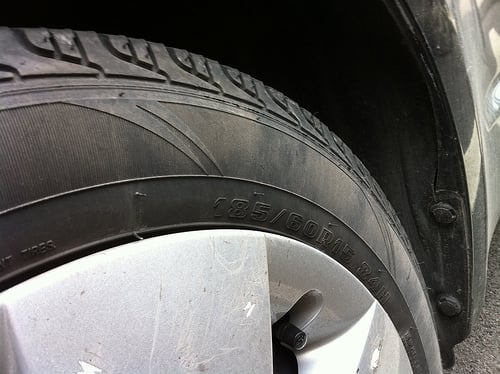
How much does it cost to balance tires?
A full rotation will cost anywhere from $18 to $35.
On average, balancing tires will cost about $5 to $15 per tire.
Balancing costs can vary according to the size of the wheel. The mounting and balancing of a wheel up to 16 inches (a set of 4) can cost up to $60. For wheels 17 to 18 inches (set of 4), the cost will be around $85, and for wheels 18 to 20 inches, can cost as high as $110.
A wholesale club such as Costco will balance your tires for as little as $3 to $4 per tire. If you have a membership, you may want to check the prices.
According to a forum thread on PassatWorld.com, Passat owners claimed that they had to pay anywhere from $8 to as much as $15 per tire.
Walmart has a lifetime balance package that can cost around $6.50 per tire.
Austin Davis at myhonestmechanic.com said he has seen shops charge anywhere from $45 to $85.
Balancing your tires overview
When you buy new tires, mounting and balancing are often included for life. If this is an option, make sure that you receive all of the appropriate paperwork. Some tire retailers also include lifetime rotations, balancing, and flat repairs.
There are shops that will also include hydraulic attachments to prevent damaging the wheel.
During the process, most mechanics today are going to use advanced technology that can help precisely balance the tires. This technology will not only help balance the tires the right way, but it can also help prevent further damage in the future. Each tire should be removed and will be placed individually on a balancing machine. While on this machine, each one will spin to ensure the weight of the tire will be balanced evenly around the axle. If it detects any imbalance, it will attach a lead weight to make up for the weight difference.
They should also check the tire pressure, the tread depth, wear and the balance of your tires. They will make sure your tires are suited for the road.
Most jobs should take less than an hour to perform.
What are the extra costs?
If there has been damage to the tire, you will need to pay for the new tire. See, “How much do new tires cost?”
Tires which are purchased from other dealers who are not offering mounting and balancing services may also force you to pay extra for these services.
Some shops may charge an additional cost for the hydraulic attachments.
Don’t forget to add additional taxes and fees. To play it safe, add around 10 to 20 percent to the quote.
Tips to know:
Experts will recommend that tires should be rotated every 6,000 to 15,000 miles. This is going to greatly depend on the make, model and age of the car. To help remember, get your tires balanced after every three oil changes.
Balancing your tires is going to help even out the tire wear as well as make sure that you’re getting the maximum value for your tire investment.
Some experts note that balancing your tires won’t do you any good. Only balance your tires if you feel any sort of vibration or problem. Don’t balance your tires just for the heck of it since any deem this as a waste of money.
If you plan on purchasing new tires, try to purchase with a company that will offer a lifetime rotation or balance. This is a great way to save money down the road.
Remember that experts are going to quote you “per tire.” Make sure that you ask for a final quote. If the quote is $13, it’s a good chance that they are trying to say $13 per tire.
If you plan on getting your tires rotated, you may want to ask them to throw in a balance. Many mechanics will provide a discount since all of the tires will be removed anyways.
How can I save money?
If your tires are already being removed with another repair such as brake repair, it may make sense to rotate your tires at the same time.
Go to the shop or service provider where you have been before. This may allow you to get discounts on the cost of the labor and other services. It’s not uncommon to hear shops balance tires for free for those that have had the work done in the past.
Getting your car regularly checked and serviced can help you avoid unnecessary repairs and costs.
Only buy tires from stores that offer free mounting and balancing.
Some bigger named tire shops may balance your tires with no strings attached. The reason for this offer is their hope that you will become a loyal customer and come back to them in the future.
Check major companies websites for coupons and deals. It’s not uncommon to find deals that include an oil change and wheel balance all in one. This is a fantastic way to save a good amount of money.
How Much Does Ball Joint Replacement Cost?
Ball joints, the necessary connectors between the steering linkage and axle assembly in your car, may degrade after years of use. This can be due to lack of lubrication and some dirt that accumulate in the vehicle’s joints. Ball joints are an essential part of a vehicle’s suspension system.
There are usually four ball joints in a car’s front suspension, with an upper and lower one on each front wheel.

How much does ball joint replacement cost?
The cost of the replacement may vary depending on the model of your car. It will also depend on which ball joint will have to be replaced. Depending on your vehicle, you may have ball joints located on the front and back of your vehicle. There are also two joints per each wheel.
If you want the basic parts for a do-it-yourself ball joint replacement, it may cost around $35 to $75 per ball joint or $130 to $300 for four. If you own a high-end or luxury vehicle, it can cost you more.
To have these ball joints professionally installed, the price can be anywhere between $200 and $400 per ball joint. It will greatly depend on the condition of the car and the mechanic performing the job. Four-wheel drive cars will be near the higher end, while a front wheel drive car will be near the lower price range. Take a look at our table below for common ball joint repairs for popular makes and models.
Some ball joints are connected to the control arm, and therefore, the whole unit must be replaced. The charge for this can even be higher, sometimes amounting to $450 to $750 for the entire replacement kit.
According to a forum thread on Topix, many members claimed to have paid anywhere from $400 to $800 for professional labor. Many also noted that the parts shouldn’t cost any more than $250 for the complete set. Again, it all comes down to the make and model.
A mechanic on Angie’s List noted that the costs could be anywhere from as little as $200 to more than $1,000 if a tire alignment is involved. It’s noted that some cars may have up to four ball joints and only the faulty ones will have to be removed.
| Make/Model | Ball Joint Estimate (labor + parts PER joint) |
|---|---|
| Chevy Silverado | $250 to $475 |
| Chrysler Sebring | $175 to $325 |
| Dodge Dakota | $200 to $400 |
| Dodge RAM | $250 to $450 |
| Ford 350 | $350 to $500 |
| Ford Explorer | $250 to $425 |
| Ford F150 | $250 to $450 |
| Ford Ranger | $200 to $375 |
| Ford Taurus | $180 to $325 |
| Honda Accord | $125 to $275 |
| Honda Element | $250 to $450 |
| Jeep Liberty | $275 to $450 |
| Jeep Wrangler | $250 to $450 |
| Trailblazer | $220 to $325 |
Ball joint replacement overview
The ball joints are part of your car’s suspension system and will be responsible for connecting your steering knuckles to the control arms. This flexible ball will allow the suspension to move, and during the same time, allowing the wheel to steer. Depending on your car’s suspension system, there may be multiple ball joint assemblies.
During the repair, the wheels will be removed, followed by the control arms. Once the control arms are removed, the mechanic will be able to reach the ball joints, which he or she will remove and replace.
The average job will take one to two hours.
What are the extra costs?
During the ball joint replacement, the mechanic may find other defects which need immediate attention. For example, some vehicles may require a wheel alignment after replacing the ball joints This can be an additional $70 -$200, depending on the shop. See: “How much does wheel alignment cost?”
For those who are considering the job themselves, additional tools may be required such as a pickle fork and torque wrench. Most of these tools can be rented out but will result in additional fees.
Tips to know:
What are the signs of a bad ball joint? You will usually know if you need a new ball joint if you hear a clunking noise when you make turns or even hit a bump. With ball joints, though, it’s often hard to tell when the part is becoming weak. Always trust your gut and try to get it inspected as soon as possible. Other symptoms may include a steering wheel that shakes or tires with abnormal wear.
By bringing a car in early, a mechanic may be able to perform the repair before things get out of hand. If you wait too long, suspension parts could be required, costing more money.
Most ball joints tend to wear out at 100,000 to 150,000 miles.
Ball joint noises
Refer to the video below to see what a ball joint will sound like when it’s bad:
How can I save money?
It is best to check with at least three mechanics in your area. If you have a warranty with your car, check with the manufacturer to see what is covered.
If you are a regular customer, you can potentially get a discount. Most shops offer discounts to their loyal customers.
Always take the time for regular check-ups and perform routine maintenance to make sure the parts last longer.
Some mechanics will allow you to bring the parts in. If they allow you to bring them the parts, this is a great way to just pay for labor. Call ahead to see what you can take advantage of.
Ask friends and family to suggest a reliable mechanic so that you do not get ripped off.
Consider doing the job yourself if you have worked on cars before. There are a handful of guides online that can assist with the process. Keep in mind that you need powerful tools such as a spring compressor to help successfully complete the job. By doing it yourself, it can save a few hundred dollars. Remember, this is a job for the professionals. If you have no idea what you’re doing, it’s best to spend a few extra dollars. Failing to do so can lead to greater problems down the road.
How Much Does Balayage Cost?
Balayage is a hair coloring technique where natural looking highlights are created. Because of its overwhelming demand in the hair fashion industry, this service is offered at most salons. You can choose to apply the highlights heavier for dramatic effects or you can also request to have the application done sparingly. The highlights will generally last for about three months.

How much does balayage cost?
The price for a typical balayage application will depend on the salon, the length of your hair, texture, number of colors, how much hair you want done and the geographical location. Most salons will charge either by the application or they may charge by the hour and/or strand. The usual charges for a full head application will be between $140 and $250. This will be on the pricier end because there is more labor involved when you compare it to traditional foil highlights.
For partial hair highlights, you will probably pay anywhere from $60 to $85 for only one color. If you want more than one color, the price will more than likely go up.
Also, some salons may charge by the strand. If this were the case, you could be looking at spending $10 to $15 per strand they color.
Salons that charge hourly will most likely cost you $60 to $75 per hour. The usual application takes anywhere from 60 to 120 minutes.
Behindthechair.com was able to interview a handful of stylists to see what they charged. Some stated they charged by the time, while others had a flat rate such as $10 to $15 per single strand or prices that start at $130 and go up from there.
Forum members on Vinted.com said quotes inside the $150 to $270 range would be more than fair, and anything over $300 should be questioned.
Balayage overview
Balayage is a hair coloring technique that is designed to have the appearance of natural highlights. Compared to foil highlights, the processing is quicker because the dye is much stronger.
Customized balayage is an advantage. You can choose your own color and the salon may also suggest appropriate colors for you. Most of the time, the price mentioned above will only includes one color.
While the highlighting is done, the hairstylist will also do a style for your hair. Some may even trim a few ends of your hair if necessary.
During the process, the highlights are going to be painted on by hand using a sweeping motion. This motion will happen from the base and go to the tip of the hair. Toward the base, the color is going to be applied lightly, while toward the top it’s going to be applied on heavier. To create the highlight look, your hair will be divided into sections to make sure the hair color is carefully placed and not blended with your natural hair color. When the application process is finished, you will be placed under heat for about 10 minutes. Lastly, if applied, your stylist may apply a glass to create a shine.
This is a very time-consuming process and depending on the hair, it can take upwards of a few hours. Stylecaster.com recommends staying at least two hours.
What are the extra costs?
If you want to add another color other than the one included in the price quote, you will probably add another $15 to $45 to your total.
Because highlights only last a few months, reapplication in the future will be necessary if you want to keep the look. While some salons do charge less for touch-up, it will still be an extra cost to consider. Plan on these highlights lasting for about three months.
Don’t forget to tip your stylist. This can be anywhere from 15 to 20 percent of the total bill.
Tips to know
Who should have this done? Those who want a natural highlight look or those who may have dry, over-processed hair.
While some people think it’s a new concept, it really isn’t. In fact, it has been around since the early 70s.
Be careful to not get this dye on your skin as it may cause blistering since it’s so strong.
Stylists will recommend going two shades lighter than your natural hair color to achieve a natural look.
Avoid shampooing at least 24 hours after you’re done. If you shampoo too quickly, you risk the chance of ruining the color bond.
Out of ideas? Pinterest.com has thousands of ideas.
Before choosing a stylist, you will want to know three things: How long have they been doing it? Do they use a special product, and what method do they use? Since there are several methods available on the market, you will want to make sure you’re choosing someone who will be able to create good looking highlights.
How to pronounce balayage? Here are a few audio snippets to listen to.
Balayage vs ombre
Balayage vs ombre cost: This is a question many often ask and what you will find out is that the pricing will vary. Ombre hair can come in many styles and will really depend on the color you’re looking for. If you’re transitioning from a dark to light color, the costs could be around $80 to $150, but if you were looking for a softer version, the costs could be a bit less. Compared to balayage, the pricing will be similar in pricing, so you won’t see a dramatic difference.
Ombre hair will be dark at your roots and will progressively get lighter as you get to the tips.
Balayage, which is known as sweep in French, is a technique which blends with your natural hair color. Instead of using foils like highlights, a stylist, as mentioned above, will use a sweeping motion to paint your strands. This will result in a shiny color and give you a “sun-kissed” look. To make it easy: ombre is the style and balayage is a technique.
Balayage technique
Balayage at home
How can I save money?
Look out for special sales or coupons on the salon’s website. These deals may often be available for first-time customers.
is notorious for having deals at local salons. See if any deals are available in your vicinity.
How Much Does a Bale of Straw Cost?
Straw is a by-product of harvested grains which can also be used for construction when bailed. When farmers clear the harvested area, they will bale the straw, and it can also be used as a way to minimize soil erosion, and the smaller bales can be used for decorative purposes. Some countries even use the straw to build their homes.

How much does a bale of straw cost?
On average, the cost of straw will depend on the size, type, if it contains alfalfa and the current market conditions. A small square bale with no alfalfa will cost about $4 to $8, while bales that contain alfalfa will cost about $1 to $1.50 more.
The big round bales can cost anywhere from $35 to $55 per bale, and by the ton, it can cost $90 to $110.
Pine straw, which is made of naturally shed pine needles, can cost $5 to $8 per small bale.
To see current market conditions, see this hayexchange.com page.
Lowe’s, for example, sells small bales for about $7.
What are the extra costs?
Shipping/transportation fees may apply if you’re not able to pick it up the location.
Tips to know
Decorative straw is usually individually bailed and is packed and tied with a wire.
A smaller bale should cover up to 2,000 square feet. A standard bale will be 14 inches by 18 inches, but the length may vary depending on the baler. Common lengths can be either 36 or 48 inches.
Straw purchased in smaller bales is often used for mulch in flower gardens, gardens or as seed cover. It can also be used to help with erosion control.
Smaller bales can be found at most home improvement stores and nurseries. For larger bales, you may have to resort to a local supplier, which can be found online via Craigslist or other related classified ad websites. You can also talk with local farmers since many will be more than happy to sell you some.
The best straw to use for your garden is rye, oats, barley and wheat. These stalks will have already gone through a combiner and will have very few seeds.
Hay vs. straw: What’s the difference? Straw makes a better mulch and a great addition to your compost pile, while hay doesn’t. In terms of definitions, straw is the stalks or the stems of grains from wheat, barley and oats once it has been harvested. Hay is grass that has been cut, dried and commonly used for animal feed. Hay is also known to be mineral rich, and as it decomposes, it adds more minerals to the soil.
Do you use hay or straw to cover grass seed? You can use both. If using straw, be prepared to be able to cover about 1,500 square feet per bale. When applying, sprinkle it in a thin enough layer so it can decompose properly. This will also prevent you from raking it up when the grass sprouts.
How is straw made?
How can I save money?
Look for farmers nearby who have recently harvested their grains. Upon clearing, they will just sell the bales of straw at the lower price to clear the area.
If you are able to purchase locally, you probably will not have to pay for shipping expenses as long as you have a way to transport it.
Sometimes, straw can be found for free when mold gets to it. Once it develops mold, it can no longer be used with animals and some may allow you to take it off their hands. Check the free section on Craigslist to see if any opportunities exist in your area.
How Much Does a Bale of Cotton Cost?
Raw cotton, sold in bales, is stored in the warehouses of cotton suppliers and dealers. In India, a bale of cotton is equivalent to 375 pounds, while in the United States, it is 470 pounds. A module can be made up of 13 to 15 bales. There can be variations in weight due to differences in ginning operations and the supplier.

How much does a bale of cotton cost?
The cost of cotton will depend on the length, its strength, uniformity and color; however, other metrics may be involved as well.
According to the IRS, each bale will have 500 pounds and the standard will cost $0.70 to $0.80 per pound. Doing the math, the average bale at 470 pounds can cost $329. But like the stock market, it will depend on the current market conditions. Plan on spending anywhere from as little as $0.60 to more than $1.50 per pound.
Visit indexmundi.com to see current market conditions.
Some retailers online, such as littlebalesofcotton.com, sell small two-inch bales for $8 and 18-inch for $65.
The cost of cotton fabric can cost $0.50 to $1.50 per foot.
What are the extra costs?
Depending on the quantity and buyer, shipping charges will more than likely apply.
Tips to know
Cotton is used as a fiber, feed and even food crop. It’s known for its versatility, appearance, performance and natural comfort. About two-thirds of the cotton harvested today is crushed into seed, which in turn, can create cottonseed oil — something found in salad dressing and shortening.
Texas is the largest state that produces cotton. Historically, though, China is the largest grower, followed by India. The United States comes in third. 17 states harvest cotton.
Depending on the geographical location, cotton is commonly planted in February in South Texas and as late as June in the northern areas of the Cotton Belt. It will start to be harvested in late July until November.
A bale of cotton can produce a pinch more than 1,000 t-shirts or more than 300,000 $100 bills.
The average acre yields about 685 pounds of cotton, which means an acre is worth about $500.
How much does it cost to produce cotton? On average, it costs a farmer about $0.60 to $0.70 per acre when all operating costs such as seed, fertilizer, fuel, repairs, water and labor are factored in.
How can I save money?
Many exporters and suppliers have an online store where you can directly contact them. Contact at least three suppliers to talk about their pricing and what they can do for you.
Buying locally could save on shipping costs.


