
How Much Does a Kindle Cost?
The Kindle is the latest craze in handheld electronics. Although it has many functions, the Kindle is specifically designed for readers to be able to carry thousands of books in one small device. This electronic weighs less than a pound and offers a 6-inch reading area. This would be the perfect gift for the book-lover in your life.

How much does a kindle cost?
The original Kindle, which has a 6-inch reading area, can be purchased for $139. This Kindle has wifi capabilities but does not have a 3G wireless connection.
The Kindle 2nd Generation, also with a 6-inch reading area, will cost around $50. This version of the Kindle has both wifi and 3G wireless connections.
The Kindle DX boasts a 9.7-inch reading area and costs $200. It has the largest memory of all the Kindle versions and is also fully equipped with wi-fi and 3G wireless connections.
The Kindle Touch 3G that allows the user to access 3G hot spots can retail for $50.
The Kindle Fire retails for $199. This model has a color touchscreen, rich color display, fast dual-core processor and is very easy to use.
The Kindle Paperwhite with a six-inch display, built-in light and wi-fi, retails for about $120 to $130.
The Kindle Voyage, which has an adaptive front light and PagePress technology, retails for $200.
The newer version, the Kindle Oasis, retails for $280 to $300.
Kindle overview
A power cord and charger will be sent with your Kindle to recharge the battery. The Kindle has a battery life of about 30 days if the wireless option is turned off.
Software for your computer will allow you to hook up the Kindle to a computer and download books and other files.
Some books are available for free download when you purchase a Kindle at the Kindle Store.
What are the extra costs?
The one unavoidable extra cost of the Kindle or Kindle DX is the cost of purchasing books for download. Downloading a book costs an average of $10, although some can be as expensive as $30. Books can be purchased via the Amazon store or other third-party websites such as OverDrive.
Also available to Kindle users are subscriptions to newspapers, magazines, etc. These can cost anywhere from $5-$15 per month depending on the frequency of the issue and the popularity of the title.
There are many cases designed not only for looks but also for protection. These can be found at the Kindle Store.
There are many websites, such as Free e-books, that offer Kindle users many free titles for download.
Kindle Unlimited, a relatively new service, offers a large number of books for a set monthly cost. This service will cost $9.99 per month and allows you to read as many books as you want with no due dates.
Types of kindles:
Kindle
The original Kindle has Wi-Fi capabilities, a 6″ screen, 2GB storage and weighs a pinch under 6 ounces.
Kindle Touch
The Kindle Touch has a 6″ E Ink Pearl screen, 4GB capacity and offers the first touch screen for the Kindle.
Kindle Keyboard
Equipped with a small keyboard, this model offers both Wi-Fi and 3G capabilities, 6″ screen, 4GB in terms of space and weighs a pinch under 9 ounces.
Kindle DX
The DX offers free 3G access for all users, has a 9.7″ screen, offers a 3-week battery life when wireless is off, as well as 4GB of storage.
Kindle Fire
The newest model of the Kindle offers Wi-Fi access, a cloud-accelerated browser, 7″ vibrant color screen, 8GB of space and weighs approximately 14.6 ounces.
Kindle Paperwhite
It has a built-in adjust light with no screen glare.
Kindle Voyage
Implements the PagePress technology, which allows you to turn the page without pressing the button.
Kindle Oasis
This is the thinnest and lightest Kindle available on the market and the longest battery life.
Tips to know:
The Kindle allows a user to do many things that you can do with a normal book. You can lend your books, rent them from the library and even have an author sign them at a signing event digitally.
Talk with your local library, or even check out their website to see which books are offered to rent. These books can be downloaded digitally from their website and will be due back on the due date.
The Kindle is more than just reading books. In fact, the newer Kindle such as the Fire allows the user to play movies, games and even check the weather on websites. The newer Kindle is very similar to the iPad in which you can download applications and more.
Consider purchasing a Kindle with 3G access. This will allow you to access the 3G hotspots where you can access the web, download books and more without a contract.
The Kindle can be purchased on Amazon.com; however, it may also be purchased via local office supply stores as well.
Difference between nook and kindle
The Nook uses an Android operating system, while the Kindle uses Linux.
Most Kindles won’t have a memory slot whereas a Nook will.
The Kindle and Nook differ in terms of file formats. For example, the Kindle can read Microsoft Word files, while the Nook can’t.
While this isn’t set in stone, many experts find the Kindle to be faster and more user-friendly.
How can I save money?
You can purchase a refurbished Kindle for about 15% less than buying it new. These are available at Amazon.
You can purchase a used Kindle for about 20-40% less than a new one.
Also, consider purchasing the Kindle with ads. This type can be purchased new, but it’s going to have ads that display at the bottom during certain times. By purchasing the ads version, it can save you at least $20 to $30.
If you subscribe to Amazon Prime, there are many books available to download at no charge.
How Much Do High School Sports Cost?
There is a great debate going on in many places about whether or not high school sports should be pay-to-play or if they should be offered at no cost to the students. In public schools that receive government funding, people think that sports should be free of charge. However, because of widespread budget cuts, most schools, private and public, are resorting to pay-to-play sports to keep the athletic programs alive. An article in USA Today calls this a “national phenomenon.”
How much do high school sports cost?
The sports fee can differ greatly depending on a number of factors, including the size of the school, the city, state, whether or not that school is public or private, and which sport you will be playing. This fee can be anywhere from $50 to $150 per sport per person. The national average is $100 per sport per person.
While you would think that smaller, private schools that do not receive any government funding would be more expensive, the opposite is actually true. The reason for this is that small private schools only offer a couple sports (basketball, soccer, volleyball, etc.) while public schools offer more options (wrestling, football, hockey, lacrosse, etc.). Private schools usually only offer the sports that cost the least amount of money to maintain.
For example, in the Washington D.C. School District, the district will charge children anywhere from $100 to as much as $275 per sport.
According to the Dayton Daily News, students that attended Lebanon High School would have to pay anywhere from $35 to as much as $250. This would depend on the student’s grade level.
EducationWorld.com notes the average school participation fee was $400 per child.
When referring to a sports fee, this is how the money is being used:
Money from sports fees helps cover the cost of field and/or court maintenance.
Referees, whose fees are also on the rise, are paid with the money collected from sports fees. See The National Association of Sports Officials for more information.
New uniforms and equipment would not be possible without charging a sports fee.
Sports fees help with paying the coach and staff for time and services.
What are the extra costs?
Most sports programs require a sports physical to be completed by a physician before the athlete is eligible to participate. Sports physicals can usually be done for around $25.
If the team chooses to have t-shirts, sweatshirts, warm-ups, etc. made in addition to the uniforms, this will result in an extra charge.
While the uniforms are provided by the program, other equipment such as mouth guards, shoes, braces, etc. must be purchased by the individual.
Transportation fees may vary depending on the sport. Some schools may charge a transportation fee to get from one school to another.
How can I save money?
Families who are already on some type of government aid can usually have sports fees covered as well. Check with your local school to ask them about the opportunities that are available.
Families with more than one child participating in multiple sports are sometimes given a discount. Some schools even have a cap, a maximum amount that family must pay regardless of how many sports their children play. Most of the time, there are going to be caps that will prevent a family from paying too much throughout the season.
Many schools have some type of booster club, usually made up of parents, that does fundraisers to earn money for the sports program. The more money you get donated, the less it will cost the students to play.
Inquire in regards to scholarship and fee waiver forms. Again, if a student meets certain requirements, one may not have to pay a fee.
How Much Does Daycare Cost?
Although many would like to stay home with their kids, it’s often hard due to financial reasons. Today, two-income households are becoming more common than one-income households, and while there are many options to choose from, such as daycare, a nanny, and before and after-school programs, a daycare is the most common solution to the problem.

How much does daycare cost?
The cost of daycare can vary greatly from state to state and city to city. Generally speaking, the busier the area, the more expensive the daycare rates will be. According to BabyCenter.com, daycare costs can average anywhere between $250 and $1200 per month. The average national monthly cost of childcare is $611.
Larger chains, such as KinderCare, may cost more than a local daycare center. For example, Kindercare may ask for $280 to $350 per week while a local no-name center could be near the $180 to $250 per week mark.
Daycare costs can depend on a number of things: the quality of the daycare facility, whether or not the workers need to have some type of degree to work there, whether the daycare is set up like a “classroom” or if the kids just play, whether or not food is included or if you must send food with your child, etc.
Factors that affect the price:
Geographical location
As mentioned earlier, a place, such as New York, will cost a lot more than a city in the middle of Montana.
Type of Daycare
Some daycare centers are going to provide more than another. For instance, some may just watch over your child while others may provide educational activities. The more that you want, the more you should expect to pay.
Hours
The longer the child has to stay in the daycare center, the higher the daily rate may be.
Age
The younger the child is, the more attention the child will need. Because of this, the rates can be higher.
| State | Monthly Costs |
|---|---|
| Alabama | $425 - $525 / month |
| Alaska | $590 - $700 / month |
| Arizona | $610 - $725 / month |
| Arkansas | $225 - $410 / month |
| California | $905 - $1,100 / month |
| Colorado | $725 - $975 / month |
| Connecticut | $895 - $1,025 / month |
| Delaware | $635 - $785 / month |
| Florida | $465 - $685 / month |
| Georgia | $415 - $595 / month |
| Hawaii | $785 - $995 / month |
| Idaho | $395 - $515 / month |
| Illinois | $795 - $995 / month |
| Indiana | $685 - $815 / month |
| Iowa | $585 - $705 / month |
| Kansas | $605 - $775 / month |
| Kentucky | $355 - $505 / month |
| Louisiana | $295 - $495 / month |
| Maine | $615 - $745 / month |
| Maryland | $875 - $1,095 / month |
| Massachusetts | $1,215 - $1,615 / month |
| Michigan | $605 - $795 / month |
| Minnesota | $915 - $1,100 / month |
| Mississippi | $225 - $405 / month |
| Missouri | $455 - $575 / month |
| Montana | $485 - $600 / month |
| Nebraska | $615 - $700 / month |
| Nevada | $695 - $750 / month |
| New Hampshire | $755 - $865 / month |
| New Jersey | $785 - $860 / month |
| New Mexico | $500 - $580 / month |
| New York | $1,000 - $1,250 / month |
| North Carolina | $600 - $715 / month |
| North Dakota | $495 - $575 / month |
| Ohio | $715 - $815 / month |
| Oklahoma | $485 - $560 / month |
| Oregon | $785 - $850 / month |
| Pennsylvania | $775 - $835 / month |
| Rhode Island | $705 - $800 / month |
| South Carolina | $405 - $475 / month |
| South Dakota | $685 - $725 / month |
| Tennessee | $475 - $530 / month |
| Texas | $575 - $605 / month |
| Utah | $575 - $630 / month |
| Vermont | $615 - $685 / month |
| Virginia | $785 - $915 / month |
| Washington | $785 - $870 / month |
| West Virginia | $415 - $525 / month |
| Wisconsin | $715 - $875 / month |
| Wyoming | $585 - $675 / month |
What’s included in the estimates?
The full-time care of the child will be the main thing included in the quoted price. Depending on the state and the age of the child (see The National Resource Center for Health and Safety in Child Care and Early Education for information on regulations in your state), the ratio of adults to children will differ.
Most daycare facilities include at least one meal — usually lunch — and a few snacks.
Organized play, free play, song time, classroom time, playground time, and nap are usually incorporated somehow into the daily routine of a daycare center.
Centers will often offer either full-time or part-time programs. Full-time programs will be held during typical school hours, while a part-time program will be two to three times per week.
Most rooms will be split into the following age brackets: 12 months, 24 months, 3 years old and 4 years old.
What are the extra costs?
Most full-time daycare facilities still require payment on days missed because of sickness or vacation unless ample (usually two weeks) notice is given. This is for scheduling purposes.
Some daycares still charge for things like Christmas break and other holidays.
Some centers charge extra for meals and snacks or give you the option of sending food with your child.
Infants (children under 1) sometimes cost extra because they require more hands-on attention.
Children with special needs or food allergies may sometimes be charged more because they require more attention.
Advantages of daycare:
Don’t have to worry about them calling in sick. The problem with an in-house nanny is that they can bail from time to time.
Daycare tends to be the cheapest option. Compare this to a nanny or home daycare center, and you will notice the difference.
Great supervision through people that are certified through the state. This should give you peace of mind when handing your child over to a stranger.
All staff members through most daycare centers are going to be trained in CPR and early childhood education.
A daycare has to be licensed and registered in the state.
Tips to know
Make sure you know your local state laws in regards to the child student ratio.
How can I save money?
There are some government programs that help low-income families with the cost of childcare.
Most daycares have a discount plan for multiple children who are enrolled.
Some centers will give discounts for families that are able to pay for a year of childcare up front.
You may also want to consider a private babysitter.
How to compare prices:
When asking about prices, be sure to ask what all is included, what payment plans are available, and any extra costs they may not advertise.
The best way to find a daycare is by a word-of-mouth recommendation from someone that you know and trust.
How Much Does Wedding Bouquet Preservation Cost?
The decision between real and fake flowers for a wedding can be a tough one. Real flowers, while much more beautiful and fragrant, can be much more expensive. Fake flowers can also be kept intact for as long as you would like. However, some people do not realize that real flower arrangements can be preserved as well. Using the freeze-drying technique, your real flower bouquet or centerpiece can be preserved for you. This keepsake can last many years as long as it is kept in its sealed container.

How much does wedding bouquet preservation cost?
Having your bouquet freeze-dried as a way of preservation will cost you anywhere from $150 to $700. This price mostly depends on the size of the arrangement or bouquet, the type of container you have it preserved in, type of matting, type of glass. the process being used and the company you choose. Plan on spending about $6 to $11 per flower, and since the average bouquet has up to 36 flowers, it’s best to budget $215 to $450. If you want a display case, you will have to budget another $100+, depending on the case you want to purchase.
Having your bouquet pressed rather than freeze-dried is a much cheaper option, usually costing $75-$250. However, this does not preserve the 3-dimensional effect of the original arrangement the way that freeze-drying does.
Frostedfloralmemories.com says you should probably plan on spending about $9 per flower.
For example, a service such as HellerAndReid.com offers bouquet preservation services that range anywhere from $160 to $700.
Another service, such as KeepsakeFlowerPreservation.com, will do a pressed frame bouquet for $50 to $350 and pressed mats for $17 to $250. Other services, such as sand framed bouquets, can range from $150 to $450.
The table below are quote averages we received from local florists that were able to preserve our flowers.
| Type of Setup | Price Average |
|---|---|
| Rectangular 5x7 | $175 |
| Rectangular 8x10 | $275 |
| Rectangular 11x14 | $375 |
| Rectangular 12x16 | $475 |
| Rectangular 16x20 | $600 |
| Shadowbox with Glass 8x10 | $350 |
| Shadowbox with Glass 12x12 | $400 |
| Shadowbox with Glass 11x14 | $450 |
| Shadowbox with Glass 12x16 | $550 |
| Shadowbox with Glass 16x16 | $600 |
| Shadowbox with Glass 16x20 | $700 |
| Shadowbox with Glass 16x23 | $750 |
| Keepsake Dome 5x7 | $250 |
| Keepsake Dome 8x10 | $350 |
| Heart Shape Dome (8 inches) | $250 |
| Heart Shape Dome (14 inches) | $350 |
| Heart Shape Dome (19 inches) | $450 |
Wedding bouquet preservation overview
The preservation of your arrangement and the container of your choice is included in the quoted price. Common containers can include a heart-shaped frame, shadow box, glass dome or simple rectangular frame.
During the process, the flowers will first be placed in a freeze-drying machine and depending on the flowers and company, this process alone can take up to 12 weeks. After the flowers are freeze dried, the flowers will be conditioned and restored to its original “look.” Lastly, the flowers will be color treated and will be installed in the case according to your specifications.
A kit containing everything you need to safely and easily ship your arrangement to their facility will be sent to you prior to your wedding day. This will be included if you’re shipping a bouquet.
Instructions on the lifetime care of your arrangement will be included.
Fabric, ribbon, and other special accents can be added or replaced in your bouquet.
The average flower drying and creation process can take up to 12 to 16 weeks.
What are the extra costs?
Although the shipping kit will be included, you will most likely have to pay for the postage and shipping of your package. Insurance on the package is also an option that will cost extra.
Some companies charge extra if you would like something like an invitation or wedding picture included in your preservation. Other companies will include this for free.
Companies can also perform procedures that include pressed frames bouquets, and mats. By using these techniques, the flowers can be preserved into a picture frame.
If the flowers are damaged, additional fees can apply to fix it.
Engraving names on a mat can cost about $50. Many often engrave their wedding date, along with their names.
Types of bouquet preservation:
Silica Gel
This preservation uses a silica gel that is a quick-drying, sand-like substance that dries out the flower.
Pressing
The flower will be pressed by a machine. Once the flower has been pressed, the flower will be placed within a frame.
Freeze-Drying
Before the flower is freeze-dried, it will be sprayed with a starch-based substance. Once the substance has been applied, the bouquet will be placed in a freeze dryer to bake.
Tips to know:
Companies will recommend that the flowers are brought in as soon as possible. After the wedding has ended, the flowers should be brought in immediately. This will ensure that the flowers don’t get beat-up, bruised or get damaged over time.
Try to keep the flowers in a Styrofoam cooler if you can’t drop off right away. Place gel backs on the bottom, and cover them with wax paper. Don’t let the bouquet touch them directly as it may cause damage.
Plan the preservation plan ahead of time. This way, the flowers can be dropped off right away and they can get started. During the wedding reception, try your best to keep the bouquet out of sight. If you wait longer than seven days, you may have to pay more to have the flowers restored.
You don’t need to pick out your design ahead of time. Companies recommend you send in the flowers so they can begin the drying process. This process alone can take up to 16 weeks and allows you plenty of time to make a decision.
Almost all flowers are able to be preserved; however, talk with the company ahead of time to see if they have problems with some flowers.
How can I save money?
Some companies will offer a discount for those who are preserving more than one arrangement. Some will even do a boutonniere for free with the purchase of bouquet preservation.
If there is a company in your area that provides preservation services, you can save money by not having to use a shipping kit or pay for shipping.
Some companies offer a discount for those who are able to pay in full up front.
Consider preserving the flowers on your own. Womangettingmarried.com shows you how you can preserve your own flowers.
How to compare prices:
It is best to select one specific option when shopping for prices. For instance, call multiple companies and ask them about the price for a freeze-dried arrangement in a 5×7 shadowbox and what is included. The more specific you are with what you want, the easier it will be to get an exact quote.
How Much Does a Limo Rental Cost?
A limousine rental can be very relaxing and convenient for any occasion. It can also be quite costly, however, depending on the size of the limo needed as well as the amount of time you are renting it for. Occasions, such as weddings or proms, are the most common reason for a limousine rental, but a limo can be rented for many different reasons – even something simple like a ride to the airport.
How much does it cost to rent a limo?
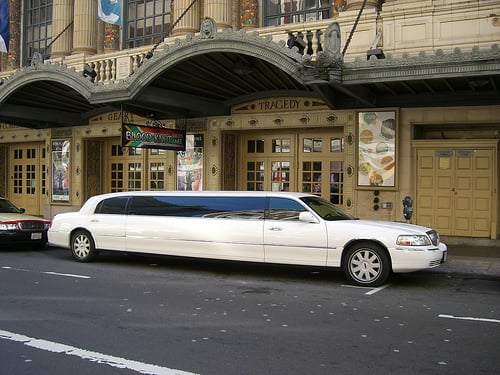
Most limousine rental services charge between $65 and $125 per hour for a standard eight-passenger limousine. According to Marriton Limo, this price varies according to the area you live in, the time of year, the night of the week, and the distance to be traveled. Keep in mind that most limo companies are going to have a two to a three-hour minimum. During the busier seasons, that number can be closer to the four to five mark.
Stretch limousines, which can hold up to 14 passengers, can cost anywhere from $100 to $300.
Limousines that hold 20 to 30 people, such as an extended Hummer limo, can cost as much as $400 per hour.
Most limousine companies have packages for weddings or proms that range from $400 to $1000 for the entire evening.
| Limo Type | Amount of Passengers | Weekend (Fri-Sat) Hourly Rate |
|---|---|---|
| Sedan | 4 | $45 to $70 per hour |
| Luxury Sedan (Mercedes) | 4 | $75 to $110 per hour |
| Stretch Limo | 6 to 8 | $65 to $90 per hour |
| Stretch Limo | 8 to 12 | $75 to $120 per hour |
| Stretch Limo | 12 to 16 | $80 to $140 per hour |
| Stretch Luxury Limo (Cadillac, Chrysler) | 6 to 12 | $110 to $145 per hour |
| Stretch Hummer | 20 | $120 to $155 per hour |
| Stretch SUV | 15 | $95 to $185 per hour |
Renting a limo overview
The limousine service will pick you up at the starting point of your choice and drive you to and from your destination. The driver will also wait for you while you attend the event. The limo charges won’t start until they pick you up from a certain location.
Most limousines have a mini bar included, but underage drinking is strictly prohibited. There will be other refreshments available for groups under the age of 21.
Some limousines have a screen where on which you can watch movies or some other type of entertainment. Some also have perks such as a laser light show included in the price.
What are the extra costs?
Gratuity for the driver is always expected but rarely included in the price. This tip should be between 10%-20%. If the gratuity is included in the price, it is usually a 20% tip.
Some limousine companies have cheaper up-front prices, but then charge extra for things such as “per-stop” fees or gasoline. Be sure the company you are using gives you all the prices up front.
Most limousine services have an extra charge if there is any damage done to the vehicle or if anything in the interior is ruined. Some companies require a deposit for this reason, which is then returned to you when the limo is returned in the same condition it left.
Taxes, fuel surcharges, beverages and wait time can be considered an additional expense. It’s important to get the total price before hitting the road.
Extra mileage fees may be applied if the limo has to travel outside a certain amount of miles.
If the limo has to do a “meet and greet” at a local airport or destination, an additional fee may apply.
Parking fees and tolls may apply if the limo company was charged during the trip.
Types of limousines available:
Luxury Sedans
Usually a Cadillac or Lincoln Town Car. This type will fit up to four passengers. This is ideal for a quick trip to the airport.
Stretch Sedan
Allowing more legroom than the typical luxury sedan, this can fit up to four to six passengers.
Stretch Limo
A stretch limo can fit anywhere from six to 12 people. The more people it can hold, the more it will cost on an hourly basis. The design will usually dictate how many passengers it can hold.
Super Stretch
These type of limos can hold up to 18 people.
Questions to ask:
How long has the limo company been in business?
Does the company currently hold any type of liability insurance?
Are there are any complaints against the company? While the company won’t outright tell you this, check sources such as the Better Business Bureau.
What type of vehicles do they have to rent? How many are available? How many people can it hold?
If there is an emergency, will there be a backup that is available to use?
What kind of features will the limo have? (TV, Bar) Can you drink in the limo?
Are there extra fees that I have to know about that aren’t included in the original quote such as taxes, gratuity, taxes, parking, etc?
When is the money due?
Tips to know:
If you’re going to have six people traveling in the limo, consider upgrading to one that will hold up to eight. This will give you more room in the limo, making it more comfortable.
When agreeing upon a price, always try to get everything in writing. Some companies love to tack on additional charges that are hidden.
Try to see the limo ahead of time. If you don’t have the time, try to find out what kind of make and model you’re going to get. The last thing that you want is to find out that you’re getting an older model.
How can I save money?
The simplest way to save money on limousine rental is to split the cost equally among all the passengers.
Booking the limousine well in advance can save you money and hassle.
It doesn’t hurt to consider avoiding a Friday and Saturday. These days tend to be the most expensive days to rent a limo.
Some limousine companies have discounts for customers who frequently use their service.
How can I compare prices?
Calling around to different limousine rental services is the best way to compare the limo cost in your area. Ask questions like how much it is per hour, if they have any party packages for your type of event if the gas and gratuity is included, if there are any limits on the number of stops, etc.
Ask people you know that have rented limos before if they know of a good company. Be sure the company is licensed by the state to avoid being left by the driver or charged extra once the driver arrives.
How Much Does a Bird Feeder Cost?
Purchasing a bird feeder is the best way to attract beautiful birds to your yard. Some bird feeders rest just off the ground, others sit atop a pole, and others are hung from a tree branch. Some bird feeders are specifically designed to attract hummingbirds, blue birds, or wild birds. Which one you choose depends on which types of birds you wish to see.

How much does a bird feeder cost?
On average, the cost of a bird feeder will depend on the type of feeder you want, the brand and where you purchase it from. Costs can range anywhere from as little as $5 to more than $100. Check out the table below to see what popular brands and types of feeders will cost.
A screen bird feeder, one that rests just off the ground, can cost anywhere from $30-$90 depending on the intricacies of the design.
A raised bird feeder costs $20-$75 and also depends on the design.
Hanging feeders, usually designed to attract hummingbirds or bluebirds, can cost as little as $12 or as much as $65.
A squirrel proof bird feeder that prevents squirrels from accessing the bird seed inside can cost anywhere from $19 to $100.
A bird feeder that attaches to the window can cost anywhere from $4 to $48. For example, the Perky-Pet 348 Window Wild Bird Feeder retails for $7 to $14.
A bungee based feeder that can hang from a tree and swing around from side to side can cost anywhere from $6 to $30.
A popular product such as the Brome 1024 Squirrel Buster Plus retails for $52 to $100. This feeder has over 6 feed stations, a powder-coated aluminum and closed seed ports to deter the squirrels from accessing it.
| Brand | Price Range |
|---|---|
| Aspects Bird Feeders | $15 to $45 |
| Audubon Bird Feeders | $30 to $75 |
| Cardinal Bird Feeder | $17 to $40 |
| Droll Yankee Bird Feeder | $15 to $80 |
| Finch Feeder | $10 to $35 |
| Fly Through Bird Feeder | $15 to $75 |
| Gazebo Bird Feeder | $20 to $110 |
| Hopper Bird Feeders | $60 to $100 |
| Lantern Bird Feeder | $15 to $45 |
| Perky Pet Hummingbird Feeder | $15 to $25 |
| Platform Bird Feeder | $20 to $45 |
| Pole Mounted Bird Feeders | $20 to $130 |
Types of bird feeders
Ground feeder
These are feeders that will be close to the ground and are ideal for nuts, insects or seeds. These bird feeders are ideal for those who want to attract birds that eat near ground levels such as morning doves and sparrows.
Hopper feeder
These feeders will be covered but will have clear sides so you’re able to see the seed level. As the seeds fall, it will land along a tray on the bottom of the feeder. Along the bottom will be perches where birds, such as cardinals, woodpeckers, and chickadees, can land on.
Nectar feeder
A nectar feeder will have special ports designed to hold sugar-rich liquids. This can either be done using a premade mix or simply with water and sugar. These feeders will attract orioles and hummingbirds.
Platform feeder
A platform feeder will have an open design so they can watch out for predators as they eat. Platform feeders, depending on the size, may allow multiple birds, including larger birds, to feed at once. A platform feeder won’t have a roof, so if it rains or snows, the platform will have to be cleaned often.
Suet feeder
A suet feed will be designed for birds that tend to cling to trees such as woodpeckers and wrens. These feeders won’t have a perch, but instead, it will resemble a small cage, which is designed to hold a suet block you can purchase at the local store.
Tube feeder
A tube feeder is shaped as a cylinder and will have tiny seed ports that dispense a bit of seed at a time. Most tubes will have six to eight perches, allowing multiple birds, such as chickadees and finches, to land on the perches. These perches are often small and won’t attract larger birds.
What are the extra costs?
If you wish to continue enjoying the birds in your yard, you must purchase more seed or nectar to fill your bird feeder anytime it becomes empty. The cost of bird food will depend on the type of food you’re looking to purchase. Thistle can cost $1 per pound, while mixed bird seed can cost $10 to $40 per bag.
Some raised bird feeders do not come with the pole on which you install them. This must then be purchased or built separately. Poles can start at $15, and the kits will include all the necessary tools in order to install them properly.
Hand-crafted bird feeders, such as the kind you may see at a craft show, can cost anywhere from $100 to $500. With these bird feeders, you are paying more for design than function.
Tips to know:
Take a look at the type of birds that you’re going to want to feed. Different types of birds are going to use different types of feeders. Large feeders are going to attract your larger birds, while smaller feeders will attract birds such as chickadees. For example, sparrows and doves tend to feed on the ground or platform and won’t do well on a suet block feeder.
Research the bird food that can go in the feeder. There are many specific types of foods but what you’ll find out is that some food can’t fit through some holes on certain feeders.
The size of the feeder will play a larger role because this will dictate how much food the feeder can actually hold. The more food the feeder can hold, the less you’ll have to refill it over time.
Take a look at how easy the bird feeder is in terms of refilling it, how it hangs and how it can be cleaned. Consider a feeder that is easy to take apart and refill.
For those who live in colder climates, consider getting material that is sustainable to harsher climates such as sleet and snow. Cheaper plastics can wear and chip away a lot faster.
Start with a simple feed and feeder to learn how to attract birds. This will give you a good idea of what kind of birds flock around your home.
How can I save money?
One way to save money is to buy birdseed in bulk. The more you buy at a time, the cheaper it will be per unit.
There are many kinds of bird feeders that can be easily made at home rather than purchasing one.
How can I compare prices?
Before shopping for a bird feeder, decide what is more important to you: design or function.
Determine whether or not you are capable of making your own rather than purchasing one.
Look for deals on bird feeders in stores. The best time to find a great deal is in the spring.
How Much Does an ACL Replacement Cost?
One of the most common knee injuries people suffer is a torn ACL (anterior cruciate ligament). This ligament is one of the major four ligaments located in the knee that connects the bones of the knee together. When the ACL is injured or torn, there are many options to fixing it, and surgery is not always the best option.
Knee replacement surgery cost:
Without insurance, the cost of a knee replacement will range from $20,000 to $50,000. This cost depends on the cost of living in your area, the doctor you choose, the hospital you choose, the extent of the injury, and the need for physical therapy.
If you have insurance and only pay a co-pay or a percentage of the bill, your costs will be anywhere from $800 to $3,000. Since this procedure is deemed medically necessary, it should be covered. Medicaid, Medicare and private insurance companies will cover the procedure if it’s deemed necessary.
According to this AARP.org article, the cost of ACL surgery in 2008 was $45,783. They note that the average patient will stay in the hospital anywhere from three to five days.
Regenexx.com notes the average ACL surgery cost in the United States is $10,000 to $12,000.
kneedtoknow.wordpress.com broke down the bills they received from the hospital and said the following: “In 2013, my medical providers billed a total of $13,792.61 for my ACL reconstruction. This includes doctor visits, medical images, physical therapy, surgery, and misc. things like crutches.”
| Country | Price |
|---|---|
| United States | $40,000 to $65,000 |
| Singapore | $15,000 to $24,000 |
| Thailand | $9,000 to $15,000 |
| Taiwan | $6,000 to $11,000 |
| India | $5,000 to $10,000 |
| Costa Rica | $8,000 to $12,000 |
| Mexico | $12,000 to $17,000 |
ACL replacement overview
The initial doctor’s visit where the doctor orders tests and discusses your options is included in this estimate.
Also included is the testing, which is usually an MRI, and this is used to determine the extent of the injury.
The surgery is usually an outpatient procedure, meaning a hospital stay isn’t needed.
During the surgery, the surgeon will create two to three small incisions around the knee. Once the incision is cleaned, an arthroscope will be inserted into the incision to allow the surgeon to see the inside of the knee via camera pictures. These pictures, which come from a camera on the end of the arthroscope, will be transmitted to a TV monitor in the operating room. To more about the details, calv.info does a nice job breaking his procedure down.
All surgeries will be done by orthopedic surgeons. Drills will be inserted through these incisions, creating small holes in the upper and lower leg bones near the knee joint. These holes will form a tunnel where the graft will be anchored. The graft is pulled through these tunnels and the surgeon will secure the graft will hardware such as staples and screws.
The average knee replacement recovery time is going to take anywhere from one to three days inside of the hospital. Once the patient gets home, physical therapy may be needed up to three months depending on the complexity of the surgery. After three months, everything should get back to normal again. Those who have a job that doesn’t require any heavy lifting can be back and working in less than three weeks.
After the ACL replacement surgery, physical therapy is needed to improve the range of motion in the knee.
What are the extra costs?
Separate fees may be applied, such as the MRI that is ordered by the doctor, the initial MRI and the surgeon fee for the operation done in the hospital.
Depending on the hospital, additional services such as anesthesia and a facility fee may be needed. Every hospital will have its own billing inclusions.
If there are any complications during the surgery, there will be extra charges.
Equipment, such as crutches and a knee brace, is necessary. This is sometimes covered by insurance but not always.
There are cases where the replacement does not work and the surgery needs to be redone.
After the replacement has been done, physical therapy may be required for the next six to 12 months. Depending on the severity of the replacement, the length of the sessions will vary.
Tips to know:
ACL replacement will have many pros and cons that one should know about. For starters, an ACL replacement surgery can help return a person back to athlete levels. This is ideal for those that still participate in sports. The surgery may also protect those from damage to knee cartilage in the future, and the knee will feel as if it’s back to normal.
As for the cons, the surgery may not be 100% effective. In some circumstances, patients have found that the surgery didn’t work up to expectations. After the surgery, complications can occur that can make the situation worse.
Some of the complications that can occur during the surgery include a failure of the graft, which can lead to a reconstructive surgery down the road. Another common complication that occurs are infections. Infections commonly happen to those that receive donor grafts. As far as complications go, 90% of these type of surgeries go according to plan.
ACL replacement surgery is ideal for those that want to return back to high-level sports such as basketball. It’s also ideal for individuals that want to avoid therapy such as conservative therapy.
Always make sure that you research the surgeon that will perform the surgery. Studies have shown that people who select an experienced surgeon will have a lesser risk of complications down the road. Try to find a surgeon who has performed at least 40 to 50 knee surgeries in a year.
Knee surgery will help reduce the pain and allow you to become more mobile. Don’t think that it will make you feel like a teenager again. Be realistic about your outcomes because overdoing it after a surgery can cause massive problems.
Age is not a factor with this surgery, but a doctor will look at your overall health. If you have a medical condition that may deem you a risk, the doctor may recommend a non-surgical method.
Problems, although rare, may include the following: numbness, an infection, damage to the nerves and blood clots.
Knee replacement recovery:
After the patient is released from the hospital, physical therapy will start. They will focus on the whole body to help you build up your strength. These exercises will include riding a stationary bike, lifting weights and performing various exercises.
If you fail to head to physical therapy, your functioning won’t improve. There won’t be any sort of pain, but if you weren’t able to walk up the stairs before, you won’t be able to do it after.
Some exercises and activities may have to be given up after the surgery. For example, dancing or biking may have to stop.
A prosthesis will last up to 20 years. Less than one percent of prostheses will fail in the first 12 months.
How can I save money?
If you have no insurance, most hospitals will negotiate lower prices if you pay cash up front. They can also provide payment options for those who can’t afford the initial price. Call up a few hospitals and ask for a quote over the phone. Most will be more than happy to provide you with one.
Because ACL tears are so common, many people have used equipment available at a lower cost.
Consider other options that don’t require surgery. Also, talk with a doctor to see if the surgery can be pushed ahead to the future. There are some risks that can occur if the surgery is held off, but it will depend on the situation.
How Much Does a Credit Card Cost?
Although using credit cards too liberally can greatly increase your debt, credit cards can be helpful in many ways. They are safer than carrying cash, more convenient than writing a check, and they allow you to pay bills over the phone or internet rather than having to mail them. Credit cards can also be good in case of emergency, such as a broken down car or sickness. Be careful when using credit cards, however, as it is easy to lose track of what you’re spending.

How much does a credit card cost?
Most credit cards have an interest rate of 8%-19%. This interest rate can be accrued monthly or yearly, depending on the card. The interest rate you get will depend on the type of card, your credit history, how often you use it, and any special offers the company may have.
According to thebalance.com, the credit card cost varies based on the credit card and on how you use the card.
Some credit cards have annual fees that range from $20 to more than $275 per year. The type of card you choose will depend on how often and for what purposes you are planning to use your card.
Some credit cards also require a monthly “maintenance fee” of $6-$10. These types of cards also generally have a lower interest rate. This will usually happen with prepaid credit cards.
Credit card overview
The use of your credit card for any purchases up to a specific credit limit is the main thing included with a credit card.
Some credit cards also include certain perks such as airline miles, cash back or discounts on gasoline.
If you use your credit card correctly and responsibly, having a credit card can boost your credit score.
What are the extra costs?
There is a fee for payments that are received late. Sometimes, this can be a flat rate, usually $25-$50 per late payment, or it can be a percentage, anywhere from 3% to 5% of the total amount owed.
Most credit cards have a fee if you spend more than your credit limit allows.
There will be an extra charge for a bounced check when paying your bill, usually about $25.
Money from your credit card can be given to you in the form of a cash advance for an extra charge.
You can transfer the balance of one card to another card (pay off one credit card using another credit card) for a small fee, which is usually around 3%.
Tips to know:
Take a look at how the credit card is going to be used. Do you want to use the credit card for rewards purposes? Do you just need a card for emergencies? Research the many types of credit cards that include travel, gas, rewards, students, cash back, secured and more.
Take a look at the fees that the credit card has to offer. One of the most important fees that you’ll want to look at includes the annual fee. This is a fee that you’re going to have to pay annually regardless of how often you use it. Look into the other fees such as the late fees, over-the-limit fee and miscellaneous fees.
The APR is important if you don’t plan on paying your card off in full each and every month. For those that pay their card off in full, you’ll be able to avoid the interest rates that are applied monthly.
Try to research your credit score. Your credit score will greatly reflect the type of card that you’re going to be able to get. If you have a lower score, a secured credit card may be a choice. If your credit score is higher, consider a rewards card that can reward you for spending.
How can I save money?
A credit card can be free if you pay your card off in full and don’t have an annual fee. Be sure to read the pricing details to make sure you understand the fees. Also, always pay your card off on time to avoid a late penalty fee.
The better your credit score and spending history, the lower your interest rate will be. Lower interest rates mean less money spent.
Paying off your bill before the interest accrues allows you to have the convenience of a credit card without any of the extra charges.
If you are only planning on using the credit card in emergencies, then get a card with no rewards program (which means no annual fee) and with the lowest interest rate you can find.
How can I compare prices?
Because everyone has a different credit score and spending history, the only way to compare prices is to make phone calls and ask questions. Some credit cards you see advertised or receive “pre-approved” in the mail have many catches in the fine print!
If you have a good, long-standing relationship with your bank, sometimes getting a credit card through them is your best option.
How Much Does a Christian School Cost?
Although each state offers a public school education at little or no cost, some families choose to have their children educated in a Christian school setting. Christian schools are different from private schools in that their curriculum is Bible-based. Private schools are simply non-public schools that charge tuition and have other perks but are not affiliated with any religion. Most Christian schools are non-profit, and the tuition simply goes to make the school run since they receive no government funding.
How much does Christian school cost?
For a school that offers K-12, the tuition can range from $1500 to $15,000 a year.
This price is based on several factors. First, the age of the child. As you go up in grades, the prices tend to go higher.
The programs the school offers, such as computers and music, as well as the extracurricular activities, such as sports, will also affect the price.
The size of the school is also a factor. The more students that are enrolled, the more programs and activities the school will offer, and therefore the cost will be slightly higher.
The cost of living in the location of the school will sometimes affect the tuition price.
Generally, the nicer the facilities (buildings, fields, etc.) the more expensive the school will be.
The Calvin Christian School located in Edina, Minnesota charges it’s newer students based on the parent’s salary. For example, if a parent makes $70,000 to $80,000, the tuition will range anywhere from $5,180 to $7,800 a year.
Valley Christian Schools, located in San Jose, California, charges around $10,000 for kindergarten up to $19,900 for grades 9 through 12.
| Grade | Average Annual Tuition |
|---|---|
| Kindergarten | $6,000 to $13,000 |
| Grades 1-3 | $9,000 to $13,000 |
| Grades 4-5 | $9,000 to $14,000 |
| Grades 6-8 | $11,000 to $18,000 |
| Grades 9-12 | $12,000 to $20,000 |
Christian school overview
Full-time enrollment in classes throughout the normal school year (depending on the area in you live) is the main thing included.
When enrolled in the school you are then able to participate in all activities sponsored by the school.
Class credits will count the same as they would from a public school.
What are the extra costs?
Most Christian schools will have some type of application fee upon enrollment. This is usually within the $200 range.
Some schools charge enrollment fees, which can be in the $500 to $1,200 range. If the student drops out and comes back to the school, a re-enrollment fee may apply.
If the child will be participating in sports, there is usually a sports fee to help cover the cost of officials and equipment. Plan on spending around $200 per sport.
Some Christian schools require a dress code or uniforms.
The cost of books is not normally included in the price of tuition.
A hot lunch program is usually available for an extra charge.
Placement tests can cost upwards of $150.
Tips to know:
Christian schools generally won’t be controlled by the state’s education board. If this is the case, be sure to look into the academics. Ask for references or even referrals to discuss what the school can do for your child. Even though the school can preach the word of God, it doesn’t mean your child will receive a top notch education.
Ask friends and family that attend your church. Chances are that the selections of Christian schools in your area are rather slim. The more you know about each one, the more comfortable you’ll feel with the admissions process.
Questions to ask:
- Can you provide me with some of the references of students and/or parents in the past?
- How many students currently attend the school? What is the typical classroom size? What is the student to staff ratio?
- Are your teachers certified? Will the diploma be recognized by the state department of education?
- How long has the school been in operation? Do you have any students that are recognized for their career path?
- Is the school certified, licensed or approved? If so, by whom?
- What is the greatest strength of the program? What makes your school stand out above the rest?
- Are there any financial aid programs that are available?
- Can I see a list of the curriculum?
How can I save money?
Since Christian schools receive no government funding, much depends on volunteers willing to put time into the school. Most schools will give tuition discounts for families that are willing to be involved in the school.
Some schools may offer scholarships depending on your situation. Contact a few local schools and explain your situation to see if they can help.
Consider working for the school for a tuition discount.
Some schools may offer discounts to those who have occupations related to the school, such as being a missionary.
If the school is affiliated with a church, members of that church sometimes receive discounts.
There is usually a discount for families with more than one student in the school.
How can I compare prices?
When comparing schools, more than just price must be taken into consideration. You must look at the school’s overall program and decided what is the best value for your money. What school offers the most for the least amount of tuition?
How Much Does a Well-Baby Doctor Visit Cost?
In order to ensure that your baby is growing properly, it is recommended that you schedule well-baby doctors visits on a regular basis. In the first year, a baby should see the doctor for 7 well-visits: between 2-5 days after birth, and then at one, two, four, six, nine, and twelve months. During the second year, the baby will usually visit every three months.

How much does a well-baby delivery visit cost?
Without insurance, the cost of a well-baby doctor’s visit is right around $100. However, the majority of these visits are covered by insurance and the only thing you will need to pay is your copay, which could range from $5-$25 depending on your insurance provider. A baby will need a visit during the first week of life, followed by a two-week visit, four-month visit, six-month visit, nine-month visit, and first-year visit.
Without insurance, the cost of immunizations for your baby’s first year will be, on average, a little over $600. This won’t include the physician fee. This cost is almost always covered by insurance, however, and some states even do it for free for those without insurance.
According to BMO Harris Bank, the average out-of-pocket medical expenses in the first year is about $1,297.
| Physician visit at hospital with Hep B vaccine injected | $250 |
| 3 day well visit | $150 |
| 2 week well visit with newborn screening | $500 |
| 4 month well visit with the DTaP, Hib, PCB, Rotavirus and IPV immunizations | $550 |
| 6 month well visit with the DTaP, Hep B, PCV, Hib, Rotavirus and IPV immunizations | $550 |
| 9 month well visit with immunizations | $550 |
| 12 month well visit with MMR, Hepatitis A, Varicella, Hib and PCV immunizations | $550 |
| TOTAL | $3,100 without insurance |
Well-baby delivery visit overview
As noted on the charts above, well-baby visits will be done during the first week, first month, second month, fourth month, sixth month and ninth month.
Mayo clinic provides much information regarding what to expect at each of the child’s well-baby check-ups in the first year.
The doctor will take the baby’s measurements including his or her height, weight, and head circumference. A doctor will use a chart to see how your child is growing compared to other children in the same range.
Your baby’s head will be checked for soft spots as well as external problems such as cradle cap.
The doctor will look in the baby’s ears, mouth, and eyes.
A stethoscope will be used to listen to the baby’s heart and lungs.
The doctor will press and feel the baby’s abdomen to make sure there are no problems with the organs.
The doctor will move the baby’s hips and legs around to see if there are any dislocations or bone problems.
The baby’s genitalia will be checked for a number of different things, such as a hernia.
Immunizations will also be given according to schedule.
During these visits, a pediatrician will ask if the baby is hitting milestones, is active and is eating well.
What are the extra costs?
Some doctor offices charge a “new patient” or “processing” fee for the first visit.
The visits discussed here are only well-baby visits. If your child becomes ill, the cost will increase.
Tips to know:
When choosing a pediatrician, be sure to ask friends and family for a recommendation. While the Yellow Pages can help with the search, you’re not going to be able to get a first-hand experience. Neighbors, friends and family will be more than happy to assist those with recommending a good pediatrician.
Do a background check with your pediatrician to see if any wrongdoings have been done in the past. The Federation of State Medical Boards (FSMB) can show you if there are serious disciplinary actions, or if there are any bad marks.
It doesn’t hurt to interview a handful of those that you’re interested in. Before talking with one, make sure that your insurance company works with this doctor.
Take a look around the office. How clean is the office? Talk with the staff. How is the staff? Are they accommodating? Do they feel annoyed when you ask them questions during off hour sessions? Does the pediatrician make you feel stupid when you ask questions? It’s always best to trust your gut.
Be sure to add your newborn to your health insurance policy within 30 days.
According to the Affordable Care Act, the health care reform law notes that well-baby visits must be covered.
Questions to ask:
How many doctor’s offices do you have? If there is more than one, ask them why they have more than one.
What are the latest trends with diseases, nutrition and treatments? What are you doing to help prevent these problems?
What is your experience with working with children? How long have you been practicing medicine?
Do you have any references that I can talk to?
Is my baby up to date with immunizations?
What can I do to make sure my baby is sleeping healthy?
How much television can my baby watch?
How can I compare prices?
Most people find a doctor based on a friend or family member’s recommendation.
Some insurance companies have a list of recommended doctors from which to choose.
Websites such as pediatricians.com can help you find a pediatrician in your area. Be hesitant when reading reviews online. These reviews can commonly be rigged by insiders.
Tips to know:
When choosing a pediatrician, be sure to ask friends and family for a recommendation. While the Yellow Pages can help with the search, you’re not going to be able to get a first-hand experience. Neighbors, friends and family will be more than happy to assist those with recommending a good pediatrician.


