
How Much Does an Engine Swap Cost?
An engine swap, as the name implies, is removing the car’s engine and replacing it with another. This can either be done due to an engine failure or to install a different engine that’s more modern and more efficient.

How much does an engine swap cost?
The cost to swap out an engine will depend on the car you drive, where you live and who you hire to complete the job. On average, swapping out an engine, again, depending on the prior factors, can take an average of 10 to 20 hours in labor alone. With some cars, it could take as little as five hours, while others could take more than 20 hours. A good mechanic can tell you what the average labor time is by referencing a database such as AllData. With most mechanics billing $60 to $110 an hour, it’s safe to assume, swapping an engine, for the labor alone, can cost anywhere from $600 to $2,200 as long as the engine is intended for the vehicle in question. If not, the job can still be performed; however, it will require more labor time since the car will need to be modified so the engine can fit the car. For example, an engine that’s not designed for the car will need its mounts and the drive shaft customized in order to accommodate the new engine.
We researched some of the most common engine swaps performed and included the prices we found in our table below. These quotes came from various websites, forum threads and mechanics.
| Type of Engine Swap | Average Price (labor only) |
|---|---|
| BMW e30 | $1,100 and another $600 for hardware/mounts |
| Chevrolet Silverado 1500 | $1,000 |
| Dodge Charger | $1.450 |
| Ford F150 | $1,125 |
| Ford Mustang | $1,250 |
| GMC Sierra | $800 |
| Honda Civic | $725 |
| Jeep Wrangler | $2,000, but the block was reworked |
| Mini Cooper | $1,550 |
NOTE: These are the labor rates only and won’t include the engine and necessary parts. Greatly depending upon the engine you purchase, this could easily add another $2,000 to $4,000 to the labor rates mentioned above.
According to a forum member on this Miata.net forum thread, he was quoted $1,500 to $2,000 from a few local mechanics to swap the engine. Another member on the same forum thread said he was quoted $600 for the engine, another $100 for the tow and $2,000 for everything else, which included a new timing belt, water pump, clutch and tune up.
1A Auto Parts broke down the parts they had bought in an itemized list when swapping an engine out. The costs, in the end, totaled close to $4,000.
What are the extra costs?
If the engine is being swapped due to age, then there’s a good chance your power steering, air conditioner, charging system, starter, transmission and/or radiator all need to be replaced as well, according to TheCarConnection.com. For example, a mechanic may be hesitant to hook up a new engine to a worn transmission since the added strain, due to the transmission, could cause the engine to fail even faster than expected. With this being said, it’s wise to budget for the cost of repairing these engine-related items.
The estimates mentioned won’t include the additional parts such as the engine and the parts needed to successfully install a new engine such as the mounts, fan belts, radiator belts, carburetor and fuel injectors. All in all, it’s best to budget at least $3,000 for the engine, parts and labor.
How can I save money?
An auto mechanic should be able to offer a ballpark estimate over the phone if you explain your situation. Even if they can’t, most are more than happy to meet with you in person to offer a free estimate. Try your hardest to receive at least three to five quotes before deciding on a mechanic.
How Much Does a Car Exhaust Install Cost?
Whether you want to upgrade your exhaust to an aftermarket exhaust system or you need to replace it due to a faulty part, the costs can greatly depend on a few factors.

How much does car exhaust installation cost?
The costs of installing an aftermarket or new exhaust will depend on the car you drive, the type of exhaust and where you’re having it installed. If using a mechanic, be prepared to spend about $75 to $200 to install it and another $25 to $1,000+ for the parts, depending on the type of exhaust. Refer to our table below to see what common exhaust systems may cost:
| Type of Exhaust | Price |
|---|---|
| Cat-back | $300 to $1,000, depending on the steel thickness and the quality. |
| Axle-back | $300 to $1,000 |
| High performance | $100 to $300, depending on the materials and thickness. |
| Tips | $25 to $100 per tip. This is an optional add-on if you wanted to replace the tip other systems came with. |
NOTE: These prices are for the parts only. The labor costs, most of the time, are fairly straight forward. To budget, add another $100 to $250 to the costs above to budget properly.
A forum member on this ClubLexus.com forum thread claimed they were quoted $130 at their local mechanic to install a cat-back exhaust.
Another forum thread on 1addicts.com had a member who talked about his experience with five mechanics he received a quote from. His quotes ranged from as little as $120 to as much as $250 for just the install.
Tips to know:
Most systems, such as a cat-back or axle-back system are often very low since these systems can bolt on and simply replace the existing factory hangars, requiring no modifications.
Stainless steel tips, according to ExhaustVideos.com, are resistant to corrosion but won’t shine up as nicely as chrome. Also, they are like to “blue” out over time or even change colors. The same can be said about a titanium material. If you want a shiny look, chrome is a wise choice, but if you don’t mind shining the tip every so often and need something that’s extremely resistant to the outdoor elements, then stainless steel may be a better option. The main difference, in the end, will be the durability factor. Stainless steel can last a lifetime due to their ability to resist corrosion.
How can I save money?
Some local retailers may install the exhaust system if you purchase it them for free. Talk with a few suppliers in your area to see if any of these promotions exist.
How Much Does a Swim Spa Cost?
| Need a pro near you? Get multiple quotes for free online. Get your quote now >> |
A swim spa allows you to swim in place, enjoying the perks of swimming without the hassle of maintaining an inground pool.
Essentially a treadmill designed for swimmers, high powered jets produce a current that allows you to swim in place.

How much does a swim spa cost?
The cost of a swim spa will greatly depend on your setup, where you live, who you purchase from, the brand and how you want to customize it. With no set figure and hard-to-find prices listed by the manufacturer, the prices can be as little as $10,000 for just the swim spa to more than $100,000+ when you factor in the accessories, installation and swim spa unit.
First, let’s explore the swim spa prices, without installation factored in. A cheap model can often be found in China for as little as $5,000 to $12,000 by the time you factor in the shipping costs, but while the prices can be “cheap,” most who do purchase a lower-end, no-name unit often find the quality lacking with little to no warranty coverage. A mid-range swim spa, often manufactured by the brands listed in our table below can cost anywhere from $15,000 to $30,000, whereas a premium, larger-than-average swim spa can cost $30,000 to $60,000. These prices, again, won’t factor in the installation costs.
We went ahead and researched the prices people online were quoted when reaching to the respective manufacturers located in our table below. These quotes didn’t come from the manufacturers, only sources online. These prices will vary, so please use it as a conservative estimate.
| Brand | Average Price |
|---|---|
| Arctic Spas | $12,000 to $20,000 |
| Atera Spas | $13,000 to $27,000 prior to discounts |
| Cal Spas | $9,000 to $20,000 |
| Catalina Spas | $8,000 to $15,00 |
| Dimension One | $15,000 to $35,000 |
| Dynasty | $7,500 to $15,000 |
| Endless Pools | $7,500 to $30,000 |
| H2X | $20,000 to $37,000 |
| Hydropool | $6,000 to $18,000 |
| Michael Phelps | $23,000 to $40,000 |
| ThermoSpas | $12,000 to $33,000 |
NOTE: These are the prices for the swim spa only and won’t include the installation. The prices can greatly vary if you were to add features offered by the company.
As for the installation costs, an above ground swim spa, which is the most common option, will be the easiest to install and will often require a concrete pad as a base and an outlet source, commonly a 50 to 60 amp source. These units will be pre-plumbed and can be simply dropped off at a convenient location, whether it’s outdoors or indoors. Commonly installed on a patio or in the backyard, this type of setup can cost $1,000 to $2,000 to install. As for an in-ground model, this is where the installation prices can rise quite a bit. When you factor in digging in the ground, creating a structure and securing the spa, the costs can easily start at $5,000 to more than $30,000+.
Top 10 Reviews, according to their research, says the average swim spa can be half the price of an inground swimming pool — about $8,900 to $23,000, with the median cost of about $15,000.
Swim spa overview
A swim spa, depending on the unit, can be powered via three ways: either via a propeller, jet propulsion or rotating paddle wheels. A propeller, designed for advanced athletes, pulls the water through the pool rather than pushing it at the swimmer. A jet propulsion setup uses several jets built into the front of the spa, similar to a hot tub, and when on, these jets push the water toward the swimmer. Advanced models often allow the swimmer to customize the power and stream. Lastly, a paddlewheel creates a smoother rate, allowing the pool to mimic the feel of an actual inground pool. A paddle is mounted at the head of the unit, creating a consistent flow by pushing the water across the width of the pool. Each type can offer its own unique advantages and will depend on your intended use.
Swim spas, on average, can measure 12 to as long as 21 feet long and can be three to five feet deep. While some swim spas measure 10 to 11 feet long, they are not designed for swimming; instead, they are designed for specific exercises.
What are the extra costs?
As with a swimming pool, be prepared to spend $50 to $100 per month to maintain the pool. If you were to maintain the pool on your own, then the costs could be as little as $30 per month, but if you were to hire a professional pool cleaning service, then the costs could be as much as $75 to $100 per month.
The costs mentioned above may or may not include shipping, which will be an additional cost often dictated by the manufacturer. Some companies may include the shipping into their quote, while others may charge separately.
A heater, often installed in close proximity to the swim spa, can be heated by either propane or an electrical source. The average swim spa heater can cost $1,000 to $1,500.
Covers, designed to keep debris out of the pool, can help preserve the spa’s filter and reduce the heating cost. Most covers come in a standard size and will be fully framed, meaning it can withstand heavy snowfall and rain. These covers, similar to that of a hot tub, can roll or folded in another direction. A good cover can cost about $500.
To create a finished look for an above ground swim spa, some owners upgrade the outside to create a natural wood or layered stone look. This type of upgrade could add another $1,000 to $2,000 to the estimates mentioned prior.
An ultraviolet light, designed to control the spread of bacteria and algae, will need to be replaced every year. These bulbs, if your swim spa were to use it, can cost $300 to $1,000 to replace.
Filters, just like a swimming pool, is designed to remove germs and bacteria, and will need to be replaced annually. A filter can cost $30 to $50 each.
How can I save money?
Call around. There are several companies and contractors who work with swim spas, and by calling multiple vendors, you should be able to find a swim spa that works for your situation. While you don’t want to focus solely on the price, be sure to compare the online reviews, warranties and features.
eBay, at the time of this writing, had hundreds of slightly used swim spas available for as little as $10,000. Even when you factor in the cost of shipping, buying used could save you more than 50 percent for a name brand.
How Much Does Swordfish Cost?
Swordfish, also referred to as broadbill or broadbill swordfish, is the most widely distributed variety of all billfish found in the Pacific Ocean.

How much does swordfish cost per pound?
When purchased either online or at a local fish market, be prepared to pay anywhere from as little as $11 to as much as $24 per pound for fresh fillets. Typically, fresh swordfish is going to cost a lot more than frozen, often double the price. The cost will depend on the time of year, your geographical location and where it’s purchased. The prices of swordfish tend to be lower during the peak seasons, which runs from August through October.
On Amazon, for example, the highest rated sellers sell frozen four-ounce steaks for close to $9 each.
For example, at Randy’s Paradise Shrimp, a fish market located in Southwest Florida, a pound of fresh swordfish steak costs $22, while five pounds retails for close to $100.
Anderson Seafoods in California, another fish market, offers 12 ounces of fresh swordfish for $28 per pound.
Swordfish overview
Swordfish is tan in color with a firm texture and can be purchased either fresh or frozen. Orders are often sliced fresh off the bone, cut into steak slices and then vacuum sealed.
Average steaks will weigh six to 12 ounces.
The taste of swordfish, as explained by Chefs-Resources.com, is said to be mildly sweet, with a moisty meaty texture.
What are the extra costs?
Ordering swordfish online may incur additional shipping charges due to the sensitivity of the shipment; however, these fees may be waived if you purchase the minimum order requirement.
Tips to know:
Swordfish meat can vary from a pale to a pinkish color. An indication that the swordfish is of good quality is when there are thin red blood lines lining the loin or fillets.
Swordfish can be grilled, broiled or sauteed. Be sure to cut off the hard, inedible skin before or after cooking.
According to HawaiiSeafood.org, the first-class swordfish tend to have a rich flavor, higher oil content and boast a texture that can be equivalent to premium beef cuts. The quality of the swordfish can greatly vary. The reason? Swordfish boats are usually at sea for varying lengths of time, some staying in the ocean for a few days and others for as long as a month.
The U.S. Environmental Protection Agency cautions children and women to avoid eating swordfish due to the reports of significant levels of mercury found in swordfish.
While there are many benefits to eating swordfish, there are also a few negative aspects. First, swordfish is high in cholesterol. It is not, however, over the limit. Also, swordfish contains small amounts of mercury, and eating too much may cause harm.
The NOAA classifies swordfish as “sustainable,” meaning swordfish harvest from the Pacific are very healthy and not overfished.
Swordfish nutrition facts

How can I save money?
Consider purchasing in bulk. The more you purchase at once, the more you will be able to save.
Whether you’re purchasing in person or online, look for special promotion codes or wait for an intriguing sale.
How Much Do Car Rust Repairs Cost?
Rust, which is a form of corrosion in which oxygen combines with metal, ultimately causing it to turn into a reddish brown color, will eventually eat away at your car if you ignore it.
While the deterioration process takes time, it can happen regardless of where you live.

How much does it cost to fix rust on a car?
The cost of fixing rust on a car will greatly depend on the professional you use, the car you drive and the amount of rust that needs to be fixed. Smaller spots, no more than one to three inches in diameter, can cost as little as $50 to $100 to fix, whereas major repairs, larger than 12 inches in diameter, can cost upwards of $200 to more than $2,500.
| Size of Job | Average Price |
|---|---|
| Minor rust damage, often as small as one to three inches in diameter. | $60 to $150 per 1-3 inches |
| Intermediate repairs, often several layers deep, can be up to 12 inches in diameter. | $150 to $350, depending on the number of rust spots and the size. Use this estimate as an indicator "per" area. |
| Major repairs, often larger than 12 inches in diameter, can be extremely deep and even through the metal, leaving hollow spots. Extensive damage may require more than just removal such as welding and/or replacing part sections. | $200 to $2,000+, greatly depending on the amount of labor required and size of the job. |
A forum member on this GarageJournal.com forum thread said he took his car to a local shop and was quoted $300 to sand down the entire hood and repaint it. When painting is involved, which is often the solution when a panel, such as a car door or hood, has an excessive amount of rust, then it’s best to budget close to $500 per panel.
Fixing rust on a car
One of the simplest rust repairs is surface rust, which, as the name implies, begins at the surface once the paint and coat bond have been broken. The spot, when left alone, can get bigger as time goes on, continuing to spread until it’s successfully stopped. This type of repair is fairly straightforward and will require a sander and a metal conditioner. Sandblasting, if the shop uses this method, can also be an alternative to the sanding and grinding process. After the rust spot is removed and conditioned, a two-part epoxy primer will be used; however, if the spot is deeper than average, then a plastic filler will be used to fill the void.
For rust jobs that have been ignored for quite some time, then the parts affected will be inspected to determine the best course of action. If the rust is severe and it affects the safety of the vehicle, then the shop will want to replace the entire panel and repaint it, but if the part can be salvaged, then the rust, similar to the prior method, will be grinded and filled with a filler.
Tips to know
If you’re looking for an effective long-term repair, then it’s often wise to replace the entire panel for structural and integrity purposes. While this type of repair won’t be cheap, it can extend the life of your vehicle and can help the car hold its value. Plus, replacing the panel can often prevent the rust from reoccurring as many repairs won’t last a lifetime, especially if you continue to treat the car the same way you had before.
How can I save money?
Smaller rust spots are very easy to fix at home. Rust dissolver gel, for instance, simply brushes onto the rust spot and will wash out with a rag. These smaller eight-ounce containers can cost less than $10 to $20. If the rust spots are smaller than a quarter, then it may be wise to do it at home to save some money. You can also remove rust with a sanding disk on an angle grinder, followed by fixing a body filler, such as Bondo.
Prevention is key, and even though it may be too late, it’s always wise to park your car indoors as much as possible to prevent it from the outdoors. Also, if possible, adding a coat of wax before the winter season to prevent the rust from starting.
How Much Does Luxating Patella Surgery Cost?
A luxating patella, one of the five most common genetic problems found in smaller dogs. is a condition where the kneecap (patella) dislocates or shifts (luxate) from its natural position.
Because of this, your dog may have a hard time moving its legs because of this condition. As such, your veterinarian may recommend luxating patella surgery to address it.

How much does luxating patella surgery for a dog cost?
The cost of surgical treatment will depend on the vet, where you live, and the severity of the problem. On average, each affected knee can cost $1,500 to $3,500. On top of the surgery, your dog will also require long-term medications, which can add another $20 to $50 per month.
According to one member on this City-Data.com forum thread, they were charged $2,500, plus the costs of blood work and x-rays prior to the surgery.
Colorado Canine Orthopedics and Rehab lists its prices on its official website. The cost for medial patella luxation (MPL), which includes the pre-surgical x-rays, anesthesia, monitoring, nerve block, post-operative x-rays the day of the surgery and go home medications will cost $1,980 for a unilateral MPL or $2,980 for a bilateral MPL. These prices won’t include the consultation, pre-operative blood work and post-operative x-rays.
Luxating patella surgery for a dog overview
The estimates above should include the pre-surgical blood work, the anesthesia, post-surgical care and medication. In some cases, a hospital may provide the physical therapy as well.
Only severely affected dogs will require surgery, but in some circumstances, mildly affected dogs may benefit as well. Because the disease is so variable, a board-certified veterinarian will use a grading system, ranging from I to IV, to describe the condition. See our table below to see how each grade is described:
| Grade | Description |
|---|---|
| I | The patella will manually displace but will return to its normal position randomly. A dog often shows very little comfort and won't limp. |
| II | The patella will displace by itself when the joint extends, but it will return to its natural position, again, randomly. |
| III | The patella easily displaces when extending, but in order to move it back into its natural position, help is needed. |
| IV | The patella is permanently out of place, causing a lot of pain for the dog. Instead of placing weight on their knees, dogs will shift their weight to their forelimbs in order to move around. |
If your dog falls within the I to III range, then your vet will more than likely prescribe a non-steroidal pain-relieving drug and a weight management plan to help alleviate the discomfort and prevent it from worsening in the future, and surgery will be the last option. Surgeries, according to TopDogHealth.com, will depend on the severity of the luxation, the anatomical abnormalities and if your dog is showing lameness.
As for surgery, if your dog were to need it, your vet has a few options. One procedure, referred to as a trochlear modification, involves creating a groove in the femur to hold the patella in place. Another surgical approach involves repositioning the patellar ligament and attaching it to the tibia crest on the opposite side of the luxation.
The recovery period will greatly depend on the severity of the problem, your dog’s age and the diagnosis. On average, a dog will be able to use the affected leg within six to 10 weeks.
What are the extra costs?
Before the surgery is considered, blood work, a CT scan and/or x-rays will be required during a consult to determine the best case scenario. After feeling the kneecap and studying the x-rays, your vet should be able to make an educated guess as to which treatment option is best.
Physical therapy is highly recommended after the surgery, and while some hospitals may include it in their billing price, some don’t.
Tips to know
After the surgery, your dog will be restricted for the next six weeks and shouldn’t exercise or participate in vigorous exercises.
This condition is most common among the Chihuahua, Yorkshire Terrier, Pomeranian, Boston Terrier, Pekingese and Jack Russell Terrier.
How can I save money?
If your dog’s knee diagnosis is very mild, Dr. Mark, a veterinarian from Brazil, recommends six alternative treatment options if you don’t want to consider the surgical option: changing the dog’s diet; walking your dog several short distances daily; offering glucosamine and chondroitin dietary supplements; acupuncture; and/or adding vitamin C to help strengthen the ligament.
How Much Does a Surfboard Cost?
All surfboards aren’t created equally.
With many types available, for both beginners and professionals, the prices can vary quite a bit depending on the exact type you’re looking for.

How much does a surfboard cost?
Depending on the brand, the size of the board, the type of board and where you purchase it, be prepared to pay anywhere from as little as $200 to as much as $1,400 for a surfboard, but you may be able to find a novelty, cheap board at a local big box retailer for as little as $50. Generic boards will be less than $300, while name brands, often designed for a professional can easily cost more than $1,000. The same price can apply to customized boards as well. With a handful of types available, refer to our table below to see what the most popular types can cost:
| Type | Description | Price Range |
|---|---|---|
| Fish | A bit wider than a shortboard and will be the same in length when compared to a shortboard. These surfboards are often five to six feet long. | $500 to $1,000 |
| Longboard | These boards are larger and thicker than all other boards, often as long as 14 feet, and will often be the most expensive option. However, even though you may pay a hefty price, they do last much longer due to the durability. | $700 to $1,400 |
| Pop-Out | Made of foam and covered with a thick fiberglass, making it indestructible. Much heavier than other types, a pop-out board is popular due to the resale value and durability. | $700 to $1,400 |
| Shortboard | As the name implies, a shortboard is smaller in size, about five to seven feet long, and works great for those who are new to the sport. | $300 to $800 |
| Soft Top | A surfboard with a softer top when compared to other types. These board are also great for beginners, and due to the softer material, it's less prone to dings and dents. | $200 to $450 |
With hundreds of brands also available, we researched the top brands and included the average price range below:
| Brand | Price Range |
|---|---|
| 9:FISH | $350 to $550 |
| Austin | $250 to $1,000+ |
| BIC | $900 to $1,350 |
| Boardworks | $400 to $1,100 |
| C4 | $1,100 to $1,400 |
| Channel Islands | $300 to $900 |
| Chuck Dent | $300 to $800 |
| Dewey Web | $800 to $1,200 |
| Firewire | $350 to $800 |
| Tomo | $500 to $900 |
| Torq | $500 to $800 |
At the Ron Jon Surf Shop, for example, their featured shortboard, midlength and longboards retail for $150 to $450, but the balsa boards retail for $5,000.
The best sellers on Amazon.com, while not designed for professionals, retail for $65 to $250.
Costco, at the time of writing this guide, had two eight foot long surfboards for $150.
What are the extra costs?
A replacement or a backup fin/s can cost anywhere from $20 to $150, depending on your board’s brand. These fins are necessary to help control the board while surfing, and most surfboards today, regardless of the brand you purchase, can come with a removable fin system, which means the fin can be removed easily, allowing you to swap one of your choice.
A leash can cost $20 to $45, and while some surfboards may come with one, some surfers opt to purchase one they are comfortable with.
Wax will provide a grip for the surfer, and a good pack can cost about $10 to $20.
A board bag, designed to protect your surfboard on the go and from the sun, can cost $50 to $200 or more.
If you plan on traveling long distances with your surfboard, a roof rack will be necessary since it can’t fit inside of a standard trunk. A good surfboard roof rack can cost about $100 to $200. Some surfers also ship their surfboard to a destination, which can cost about $20 one-way via FedEX or UPS.
A wetsuit or board shorts are also highly recommended to avoid rashes and to keep you warm in cooler waters. A good wetsuit and can cost $40 to $150, while board shorts can be about half this.
Tips to know:
According to SurfBait.com, your weight plays an important role when selecting your new surfboard. The heavier you are, the larger your board needs to be. If you are too heavy, it can be harder to control it, creating quite the challenge while riding the waves. When choosing a surfboard, refer to a size guide to see which size you need to comfortable surf.
How can I save money?
If you’re just learning and curious about the sport, consider renting before investing hundreds of dollars. However, if you’re going to rent, experts recommend finding a “real” surfboard, not those you commonly see at a tourist destination. Most rentals are less than $20 per hour.
Buying used can often save you up to 50 percent, even when you factor in the shipping fees if you were to purchase online. Consider checking out eBay and Craigslist to see if you can find a board that suits your tastes.
How Much Does a Tuba Cost?
The tuba is the largest of the brass instruments and also provides the lowest tone in a band.
The tuba is a very rewarding instrument to play, especially in an ensemble where it is considered as the foundation of the band.

How much does a new or used tuba cost?
On average, the cost of a tuba will depend on the brand, condition and where it’s purchased. Most experts note a good tuba will cost $3,000 and $6,000, but the prices can range anywhere from as little as $2,000 to more than $11,000.
Refer to our table below to see what popular brands may cost:
| Brand | Price Range |
|---|---|
| Allora | $2,800 to $4,500 |
| Barrington | $1,200 to $1,900 |
| Besson | $2,000 to $3,500 |
| Conn | $5,000 to $7,000 |
| Gerveny | $3,500 to $5,500 |
| Jupiter | $2,500 to $7,000 |
| Kanstul | $6,000 to $10,000 |
| Miraphone | $7,000 to $12,000 |
| Yamaha | $3,200 to $8,000 |
| Wessex | $1,200 to $4,200 |
The table below showcases the range for the most popular types of tubas on the market. Tubas come in four common keys: F, Eb, CC and BBb. The BBb is the most common tuba and can handle just about any situation, while a CC is intended for those who want to play in a symphony orchestra.
| Type | Average Cost |
|---|---|
| BBb (double B-flat) | $1,200 to $9,000 |
| CC | $5,000 to $20,000+ |
| Eb (E-flat) | $9,200 to $13,000 |
| F | $5,000 to $16,000 |
At Woodwind Brasswind, for example, the best sellers range from as little as $3,700 to more than $9,000.
This eBay guide says it’s hard to offer an estimate, but, in general, an average tuba in EEb or BBb should cost about $3,000 to $4,000, but a very good EEb or BBb for the average student can cost upwards of $6,000. Serious professionals should budget at least $6,000 to $12,000.
Tuba overview
Sizes will vary, but most common sizes include a 4/4, 3/4, 5/4 and 6/4. A 4/4 is referred to as a full-sized tuba due to its respective key, is the most commonly purchased, while a 3/4 size, which is designed to accommodate smaller players. The 5/4, known as the Kaiser tuba, and the 6/4, are built much larger than the standard sized. The average full-sized orchestral tuba will weigh 25 to 35 pounds.
As for the valves, there are two common types: the piston and rotary, with each offering its own advantages and disadvantages. The rotaries work from the front of the horn, whereas the pistons, either front, front with an angle or a top action, will have its own setup. A piston valve with an angled front action will point inward between the front and the right side of the horn, for example. Pistons, in general, will be simpler in mechanics, but they will need to be oiled more frequently to keep them in tip-top shape. Rotary valves, on the other hand, are more complex mechanically and will require less oil, seeing they are enclosed and run cleaner for a longer period of time.
Tubas need at least three valves to play all notes of the scale, according to this eBay guide, and will need at least four valves to play a lower note in tune.
What are the extra costs?
An additional mouthpiece can cost $10 to $75, depending on the brand and materials it’s made from. For example, the highest rated seller, a glory standard mouthpiece, on Amazon.com retails for $18.
While optional, lessons may be required to learn how to use the instrument. Average lessons start at $45 per hour and go up from there.
How can I save money?
If you know what you’re looking for, consider buying a slightly used tuba on eBay for up to 70 percent off the retail value. A good used horn should have all of its pieces, a tuning slide that works freely and valves that work smoothly as well. Even if there’s a noticeable dent, the instrument can still play properly as long as the mouthpiece can insert snugly, and, again, the tuning slides move naturally. In general, a dent should be less than an inch in diameter.
As with any retailer, always look for coupon/promotion codes or hold out for a sale before making a purchase online or even locally.
A tuba can be quite an investment, and if you’re not committed just yet, consider renting one for less than $50 to $100 per month.
How Much Do Tubes in Ears Cost?
Inserting tubes in the ears is one of the most common outpatient procedure performed on children in the United States. In fact, about 700,000 children each year have these tubes surgically placed to help drain fluid and relieve pressure.
Ear tubes are often considered if fluid persists in both ears for longer than three months at a time and/or when a child has well over the average number of ear infections for their age.
Also referred to as a tympanostomy tube insertion, the surgery is performed on children who have had severe ear infections that have affected their sense of hearing. The procedure treats the middle ear fluid, which, when it persists, can result in serious ear infections and/or hearing loss.

How much do tubes in the ears cost?
On average, without insurance, be prepared to pay around $2,000 to as much as $7,500. As long as your ENT doctor recommends tubes, then your health insurance policy should cover it, but be sure to check with your insurance provider to see what is going to be covered and which doctor/hospital is in the network.
On this forum thread at BabyCenter.com, for example, she was quoted $500 out of pocket, but this didn’t include the anesthesiologist or the doctor’s bill. Wondering what the total costs would be, many members claimed they paid anywhere from $1,500 to more than $5,000.
The tub procedure, according to ABC News, is about $2,000 and can carry a few risks since the child has to be put under general anesthesia.
A member on DFWAreaMoms.com shared her bill on this forum thread. According to her EOB, the ENT charged $700 per year, the surgery center charged $7,486 and the anesthesia was another $525, but after all of her insurance discounts applied, the total was a pinch less than $3,000.
Tubes in the ears overview
The estimates above often include the ENT doctor, the anesthesiologist and the hospital/outpatient fees. It’s always best to talk with the finance department before setting up an appointment to know what you’re responsible for.
Before the surgery, the patient will go under a general anesthesia, and in most cases, it will be done in an outpatient center, meaning no overnight stay is required. Next, a small incision will be created in the eardrum, the thin layer of tissue that separates the outer and middle ear. A smaller, plastic tube, shaped similar to that of a hollow spool is inserted into the eardrum to keep the middle drained and well ventilated. These tubes will stay in the ear for the next six months to several years and will either fall out on their own or a doctor will remove them.
The entire procedure takes about 15 minutes.
After the procedure, the patient will be monitored by a nurse for the next few hours as they become aware of their surroundings. Once they have fully recovered from the anesthetic, they should be able to go home. This usually takes about 60 to 90 minutes.
What are the extra costs?
Separate fees, such as the surgeon, the hospital and/or anesthesiologist, could be billed separately, depending on the clinic’s billing policy. Always ask for an itemized estimate before committing to the surgery. If billed separately, plan on spending about $500 for the anesthesiologist and another $500 for the surgeon. The hospital fees can often be north of $2,000.
An appointment, usually 14 to 28 days after the surgery, is required to check the position and function of the tubes. This visit is often a separate charge. Also, an audiogram is needed at some point when the ears have healed.
In the future, if the tubes don’t fall out within three years, then an appointment will be necessary to have them surgically removed.
Antibiotics, in some cases, need to be prescribed to help with infections.
How can I save money?
An outpatient surgical center will always be cheaper than a hospital. As long as it isn’t deemed an emergency, always try to make an appointment at a local freestanding center to maximize your savings.
If you don’t have insurance, see if the facility offers a cash paying discount.
How Much Does Tuckpointing Cost?
Tuckpointing, also commonly referred to as repointing, is the process of improving the existing masonry joints in a masonry wall. Even if your mortar and the joints are in great condition, some homeowners often want to improve the look of their brick.
During the process, fresh mortar is tucked into the joints to replace the older, crumbling mortar or to even decorate a wall for aesthetic purposes.
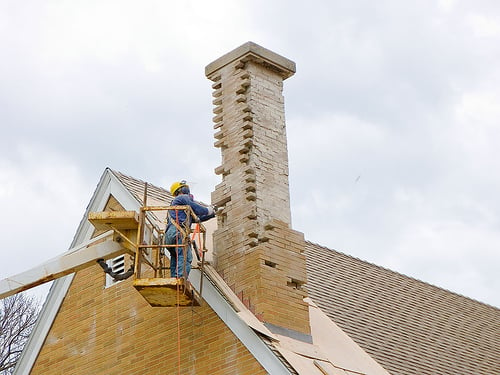
How much does tuckpointing cost?
On average, as an estimate, plan on spending about $5 to $15 per square foot, with most professional requiring at least $200 to $300, at a minimum, before they accept the job. Even though the materials are cheap, it’s the labor and set up that takes up most of the job. Most contractors, however, may lower the price per square foot if the job is larger than their standard rate. The costs will depend on your geographical location, the contractor you hire, the complexity of the job and the size of the job.
A good-sized chimney, which is about 150 square feet, on average, can cost about $750 to $1,500.
Since most jobs can be unique, consider getting an exact quote from local contractors, for free, at HomeAdvisor.com. This free tool allows you to explain your job and licensed contractors in your area will contact you will estimates.
Factors that affect your quote
The contractor
What kind of experience does the contractor have? An inexperienced handyman will be much less than a masonry who has been in business for 20 years with great references. Also, what kind of work have they done in the past? Are they insured? Are they recognized by the BBB? If so, what are their reviews and what kind ratings do they have online?
The job
How long will the job take? If the job is relatively straightforward and easy to access, then it may only take a contractor a few hours to complete the job, whereas a complex project, in a hard to reach area or harder-than-average mortar removal could increase the time needed to complete the job. Since almost all contractors base their quotes on the time invested, the more time invested, the higher your bill will be.
The materials
The cost of materials they use, while a fraction of the total, will still affect the cost. This can include the mortar being used, the colors, if you want it waterproofed and/or the tools needed to complete the job.
Additional repairs
If your bricks are cracked or have even fallen apart, then this can increase the costs as these bricks will have to be replaced.
Tuckpointing overview
During the repair, a contractor will first remove the older mortar, if necessary, by grinding to a desired depth, which is usually about a half of an inch deep. After the older mortar is grinded out, the new mortar will be “tucked” in between the joints using a tool known as a pointing trowel and will match the home’s color and composition. A good contractor can tuck point about five square feet per hour.
What are the extra costs?
Decorations, while optional, can increase the costs by more than 30 percent or about an additional $5 per square foot extra. Lime-based mortar, for example, can be used to frame red bricks with white lines. Adding caulk inside the joints next to the windows, again, while used for decorative purposes, is often done to create a cosmetic value. This can cost an additional $50 or so.
Replacing broken bricks can add another $5 to $10 per square feet.
Wall cracks, depending on the severity, can cost about the same as replacing the bricks. This will all depend on if the cracks can simply be removed or if the whole wall needs to be replaced.
Waterproofing the mortar, after the tuckpointing job is done, can add another $1 per square foot. This process prevents water from entering the wall cavity.
A new chimney cap, if necessary, can cost an additional $300 to $550, depending on the location or the size.
Tips to know:
Newer mortar can be destroyed by a deep freeze, so it’s best to consider hiring a professional during the late spring or early months.
Whenever the brick has lost about one-fourth of an inch of its depth, then it’s time to consider tuck pointing. As a general rule, the mortar will last about 25 years.
The benefits of tuckpointing, as explained by MyChimney.com, includes stopping the corrosion, restoring the structural stability, preventing water from entering the chimney and the value of your home is restored due to the masonry being in top condition.
How can I save money?
Always try to get as many quotes as you can before deciding on a contractor. Aside from the price, be sure to pay close attention to their past work, their online reviews, insurance and experience.


