
How Much Do Tree Braids Cost?
Tree braids, a popular hairstyle that involves using a natural or synthetic hair extension, is a style where the braids and knots are used to hold the hair extensions in place instead of chemicals, needles, or heat. The final results create a fuller look by creating smaller and tighter knots.
How much do tree braids cost?
Depending on the number of braids that need to be done and the stylist completing the job, plan on budgeting anywhere from $50 to $100 for a partial job or around $200 to $325 for a complete service of hair braids. This estimate won’t include the price of the hair extensions.
Your Natural Image Natural Hair Care Salon based in Kansas City, Missouri, for example, quoted $150 to $200 and claimed the braids could last six to eight weeks with proper care.
At DP Hair Visions, another hair salon based in Portsmouth, Virginia, tree braid cornrows would cost $165 to $200, while individual tree braids would cost $180 to $260. The prices would vary for clients with natural hair or very thick and long hair.
Factors that affect the price
Hair extension type
Two types of hair extensions can be used with tree braiding: human or synthetic hair. Human hair extensions will almost always cost more than synthetic extensions because they are more durable and there are no limitations when it comes to styling. Synthetic hair can be bought in different textures and colors, but the styling it is limited to a few options and it cannot be heated, curled or straightened.
Experience
Compared with less experienced hair stylists, professional stylists who are more knowledgeable and hold more experience usually quote higher rates when rendering their services.
Styling
Tree braiding costs can also be affected by the kind of styling done on the braids. These will also depend on whether human hair or synthetic extensions are used as these two types require different kinds of styling, with the latter having more restrictions.
Time
If the stylist needs more time on your tree braids when compared to the average job, you may have to pay more for the extra time. Generally, this applies to those who have longer and/or thicker-than-average hair.
Tree braids overview
The tree braid method involves corn-rows that weave the hair without using glue or thread. The hair extensions are then placed appropriately to add volume and length to a client’s existing hairstyle.
Tree braids, depending on the factors mentioned above, generally takes anywhere from two to five hours to complete.
In general, tree braids last four to six weeks with proper care, with many clients getting their hair re-done at six weeks. Micro tree braids, which are practically invisible, can last up to eight weeks.
What are the extra costs?
If you want to keep the look, plan on re-braiding your hair at least every six to 10 weeks. These re-braiding sessions will cost just as much as the estimates mentioned above; however, some stylists may offer a slight discount if you’re a returning customer.
Additional fees may apply if you were to go back to a stylist to remove your braids.
With some hair salons, the smaller and/or longer the braids and twists are, the more they will cost. This is due to the time and effort necessary to finish a more complicated tree braiding session.
Hair extensions, whether human hair or synthetic, are typically not included in the price and will need to be purchased separately. Tree braids are just the way that the extensions are connected. On average, you need two to three packs for desirable results.
Most hair stylists expect a tip after their services are complete. Plan on tipping 10 to 20 percent of the total cost.
Tips to know:
Avoid using products like hair gel and hairspray on the actual braids as this can result in a buildup of residue. Also, do not use heat on synthetic hair as this can cause damage; instead, use the cool setting on your blow dryer for best results.
Choose a hair stylist that specializes in African-American hair and braiding and not just cornrows. Experienced professionals will ideally explain the process, provide a price estimate, and give an estimate on how long the tree braiding procedure will take. They should also be able to provide before and after pictures of people whose hair they have previously done to show you the results you should expect.
While tree braiding can be done on different types of hair, it often works best on thick and kinky hair.
While any hair can work with tree braids, the best hair for tree braids will be longer than 24 inches in order to be halved and braided. If your hair isn’t this long, then your stylist will more than likely recommend hair extensions.
Tree braiding pics
How can I save money?
- Coupons and online specials are offered for first time and even existing customers. Refer to a few salon websites or call to see if you can take advantage of any promotions.
How Much Does a Tray Ceiling Cost?
| Need a pro near you? Get multiple quotes for free online. Get your quote now >> |
With its raised center, a tray ceiling, resembling the look of an upside-down tray, offers the illusion of height and space are often found in the master bedroom or kitchen.
Creating and/or installing a tray ceiling can be a significant expense and has to be done with precision in order to achieve maximum results.

How much does a tray ceiling cost?
On average, plan on budgeting at least $2 to $6 per square foot to have a tray ceiling professionally installed. The costs depending on the number of tiers, the shapes, angles and curves, where you live and the contractor you’re working with. These costs can be much cheaper, near the lower end, if the ceiling is going to be installed during the new build process.
For a standard room, plan on spending around $800 to $1,500 during a build, but if your home has already been built, then it’s safe to double these numbers to add a tray ceiling.
Because all jobs are going to be 100% unique, it’s hard to offer an exact estimate, but there’s good news. If you use HomeAdvisor.com, you can receive exact estimates from local, reputable contractors for free. All you need to do is explain your job and you just sit back and watch the estimates come in.
According to the builder, Stanton Homes, tray ceilings, as an upgrade, can cost around $1,000 for a very simple cut-out tray with no crown molding and no paint variation added.
Tray ceiling overview
A tray ceiling is an architectural feature designed to “step up” in the middle and create a higher ceiling. It can either be dropped or raised depending on the height of the ceiling and what’s above the room being worked on. Shaped in the form of a tray, this type of ceiling can have a depth of at least six inches to a foot or more. It can have a vertical or angled design and can come with a series of steps.
If your home has already been built, then the contractor will have to build mounted edges because the ceiling won’t be able to be raised unless you have a higher-than-average ceiling height or it’s done on the second floor. The top floor, unlike the ground floor, will have an attic access, which allows a contractor to tap into and raise the ceiling.
After the tray ceiling is installed, it can be trimmed with two-level crown moldings. The recessed portion can be painted a different color and tray ceiling lights in the recessed area can be added to enhance the aesthetic appeal.
These types of ceilings are often found in the master bedroom or dining room in most homes.
What are the extra costs?
If a tray ceiling is being installed on a second floor and the contractor has to work with the attic, the costs can greatly increase if they either have to alter the attic’s framework or modify the truss system. If this were the case, it could increase the costs by more than $5,000+
LED rope lights are often installed along the border of a tray ceiling and may not be included in the initial quote.
As mentioned, crown molding is often installed after the ceiling has been installed to enhance the aesthetic appeal. Depending on the material the crown molding is made of, this can increase the costs as well.
Painting, after the ceiling has been installed, won’t often be included in the quote.
Tips to know:
This project isn’t recommended for those who have ceilings less than 10 feet tall because it will create an illusion of an even smaller ceiling.
If you’re thinking about a tray ceiling, Pinterest.com has hundreds of pictures from those who did install one inside their home.
What’s the difference between a tray ceiling and coffered ceiling? To put it simply, a tray ceiling is one large recess, often rectangular in shape, in the ceiling, whereas a coffered ceiling is a series of sunken panels.
How can I save money?
With any construction project, it’s always best to get at least three to five quotes before proceeding. While you don’t want to focus on the price, you will want to pay close attention to their reputation, past work and reviews online. A good contractor will be more than happy to come to your location and offer you a free estimate.
How Much Does a Wrap Around Porch Cost?
| Need a pro near you? Get multiple quotes for free online. Get your quote now >> |
A wrap around porch, unlike a traditional porch, will cover two, three or all sides of a house. They can also be broken down to offer several access points in the home.

How much does a wrap around porch cost?
The cost of a wrap around porch will depend on so many factors, including the size of the porch, the materials being used, the style, the contractor and where you live. Based on these factors, the average cost, when hiring a professional, can cost anywhere from $50 to $80 per square foot; however, these costs could be much more if you were to upgrade the railing, pillars and/or flooring surface. Refer to our factors mentioned below to see how the prices could increase.
Since every porch job is going to be unique, it will be impossible to find the exact estimates online. For that reason, we recommend using HomeAdvisor.com to receive estimates in your inbox. Simply describe your job and licensed, reputable contractors in your area will contact you with more information for free.
According to Stanton Homes, a wrap around porch can cost at least $5,000 to $15,000 or more when adding it to a new home. With any porch being built, the price will depend on the contractor, the size of the porch, where you live and the type of wood/material that is going to be used.
The Washington Post, according to the builders they interviewed, said it’s reasonable to budget $70 per square foot.
Factors affecting the costs
The square footage
As with most projects, the larger the porch is, the more you can plan on spending.
The surface
What kind of surface are you looking to add when the porch is being built? Common options include concrete, wood, tile, brick or slate.
The railing
The type of railings you’re installing, like the flooring surface, can affect the pricing as well.
The pillars
The pillars, which are responsible for supporting the roof and porch foundation, can affect the costs if you were to upgrade from the typical 4×4 support beams. A Craftsman stone column, for example, could cost five times more than wood.
The materials
A wrap around porch made from pressure treated wood will cost much less than plastic or composite.
The type of roof
Adding a wrap around porch often means you have to extend your home’s roof to match your home’s style. Therefore, the type of roof can increase the costs.
What are the extra costs?
Most porches will be built by wood all around, including the flooring; however, if you were to upgrade the flooring material to tile, slate or something similar, then the costs could increase by as much as $4 to $8+ per square foot.
A wrap around porch is often open, but some want to screen it in, effectively increasing the costs.
Adding electrical outlets can cost around $700 to $1,000 each. The same can be said about hooking up lighting and/or ceiling fans.
Most contractors will not paint once the porch has been installed. Staining and painting will be an additional fee to consider if it isn’t included in the initial quote.
For those who are unsure of the design they want, an architect may be required to draw up some plans. Depending on the complexity, this could cost $500 to $2,000 or more.
A building permit will be required in most areas and will cost a few hundred dollars, depending on where you live.
If trees or excessive debris were in the way, additional fees could apply.
Corners are the traditional 90 degrees; however, if you were to want them rounded, this could increase the costs by 10 percent or more.
How can I save money?
With a project of this size, it’s always best to get at least three to five quotes from licensed contractors in your area. Most will be more than willing to come to your home to discuss your needs for free.
How Much Does a Travel Agent Cost?
Travel agents and travel agencies partner with airlines, cruise lines, hotels and resorts to provide travelers with the best deals possible. If you don’t know where to look when it comes to booking a vacation or you simply don’t have the time, a travel agent can put together the itinerary you’re envisioning for a low cost.

How much does a travel agent cost?
On average, plan on spending around $30 to $50 per person for a travel agent to help you book a ticket for an airline, train or cruise. However, if the travel agent has to put together a customized vacation package for your family, the costs can be between $150 and $350, depending on the complexity of the vacation and the number of people they are booking for. There are also many other extra fees that you should be prepared to pay if you were to change anything in the future.
Researching a vacation can cost $25 to $100 per hour if you didn’t know exactly what you wanted yet.
Many travel agents charge flat rates per ticket or for custom trip packages, similar to the quotes specified in our table below, while others may charge a certain percentage of the trip’s value. When there are changes or cancellations, travel agents may charge a second fee on top of the fee already charged. Additionally, travel agents may charge customers for booking fees, hotel fees, car rental fees, change fees, and cancellation fees, among others.
We researched the average prices a travel agent often charges and included our findings inside the table below:
| Task | Average Price |
|---|---|
| Issuing airline tickets | $25 to $40 per person/ticket (additional charges will apply if you need to void, change a name and/or cancel a ticket) |
| Issue fee for paper ticket | $10 to $20 plus the airline service fee |
| Car or hotel reservations | $25 to $45 per reservation (additional fees may apply if you were to make changes in future) |
| Train/Rail ticket reservations | $10 to $25 per person/ticket |
| Cruises | $25 to $45 per person, per ticket |
| Customized itinerary | $50 to $75 per person (depending on complexity |
NOTE: This is just an average and the costs can vary from one travel agent to the next.
Virtuoso, a popular luxury travel advisor, for example, supposedly charges around $150 per person.
According to a CNN.com article, travel agents charge an average flat fee of $35 to purchase an airline ticket or a “plan to go” fee of $250 to prepare an individualized travel package. More experienced agents charge an hourly fee for tailored packages, while some agents charge an annual retainer to customers who want services delivered at their disposal.
An article at DailyFinance.com, states the average travel agent charges around $35 for airline services.
Tips to know:
A travel agent can do anything from booking an airline ticket on a specific date to planning an entire vacation, from the hotel to the daily activities. Essentially, a travel agent is a paid planner who makes your vacation become a reality without the hassles of doing it on your own.
Travel agent fees generally depend on the agent. You can always ask an agent up front what his or her fees are and what they will cover. As long as you know what you want, they should be able to provide you with an estimate. It is important to be aware early on what the potential costs will be, and it doesn’t hurt to get it in writing.
While travel agents have access to the same outlets that consumers use when booking trips, some agents have access to exclusive pricing and package deals that are not always available to the public. Agents also have more clout in sorting out situations such as hotels that claim to be fully booked, when in fact, they have rooms available for travel agent reservations. It never hurts to talk to a travel agent, even though it may seem “old fashioned.”
Travel agents are ideal for those who do not know where they are traveling, booking large groups or going overseas.
TravelSense.org has a helpful search engine that allows you to find a travel agent who’s a member of the ASTA and adheres to a strict Code of Ethics. Here, you can search by areas of expertise, specialties, languages and so much more.
A lot of travel agents work on commission, so, unfortunately, they may only recommend the hotels or airlines they receive a kickback from.
How can I save money?
When only booking a flight, it is not necessary to hire the services of a travel agent. Discount flight sites are easily available and you book a flight yourself at about the same price. For example, many find that it is cheaper to book through major sites such as Expedia.com.
A travel agent won’t always find you the best price. If you’re simply booking a hotel or car, use a comparison price tool, but don’t book just yet; instead, book directly to save the most money with the lowest price you found on the comparison website. Most of the time, if you were to use a travel agent, the only time it makes sense is when you’re booking for a group or a long vacation where you require the car, hotel, airfare and activities.
If you have a travel credit card, be sure to use it when booking your vacation to maximize your reward points.
If you are a member of AAA, they provide free travel services you can take advantage of.
Staying flexible with your future vacation can help cut the costs.
How Much Does Wedding Draping Cost?
Wedding drapery refers to the large white drapes or curtains that can be hung in different ways around the site of the wedding, effectively transforming an otherwise plain space into an enchanting venue.
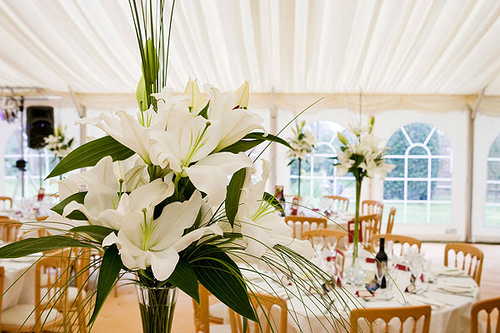
How much does draping cost for a wedding?
Depending on the setup, the size of the reception room and the number of drapes you need, the price for a professional to hang wedding drapes is going to range anywhere from as little as $300 to as much as $4,000 for most jobs. Most prices, however, are going to be in that $400 to $900 range. Common rooms, in this price range, will cover about 100 feet.
If the company charges by the drape, then plan on spending around $125 to $250 each. By the yard, it will be about $2 to $4, and if by the linear foot, it can be closer to $5.
Eventprotraining.com, for example, charges $2 per yard for a voile fabric to drape the ceiling. But if you want this event planner to do the whole ceiling for your venue, it can cost around $2,500 for the average venue size.
A forum poster on this WeddingBee.com forum thread claimed they received a bill for $1,160 for four drapes of fabric and four strings of lights.
Factors that affect the price
The height of the drapes
The height of the ceiling is often the main factor, but keep in mind most wedding drape rental companies can only accommodate sizes up to 14 feet. While some can provide larger sizes, it’s rare, according to brides online.
The linear width
Like the height, how much of the room are you looking to drape? If the wall is 100 feet long, then you will need 100 feet worth of drapes. If you were to want a full appeal, then you will want to double this amount.
The color of the fabric
All fabric won’t be created equally. If you want a different color option or a heavier-type fabric, then the prices can increase.
Travel
Set up charges can fluctuate depending on the travel distance and the number of staff required to perform the job. Most professionals will travel to a location within 25 miles. Anything over this often incurs an additional mileage charge.
Wedding draping overview
If you are going to hire professional, the estimates noted above typically includes the materials, poles and/or LED lighting. The estimates should include delivery, setup, taxes and take down.
Drapes will often be used around the ballroom, the ceiling, the column covers and around the door.
Aside from the drapes, many companies will also include LED projectors to illuminate the drapes with the client’s preferred colors.
What are the extra costs?
In some instances when the event service provider is located more than 30 miles away from the wedding venue, you will be required to pay for the travel cost.
As mentioned above, some companies will include LED projectors while others will not. If they don’t include it in their estimates, then the projector will cost around $50 to $100 each. These projectors, if you wanted it, could project lights, words, or even pictures.
Other lighting features such as chandeliers can be added for an additional fee. There can also be strings of lights throughout the drapes that are hung.
Tips to know:
Pinterest.com is a great place to browse through drapery pictures at various venues if you need ideas.
How can I save money?
On average, it’s a lot cheaper if you pick up the items you need from the service provider and do the drape installation yourself. This is not as hard as you think. Eventprotraining.com, for example, has a helpful video on how the process is done.
Some venues may include additional premium add-ons, such as draping, inside your venue reservation fee. Talk with the venue you’re working with to see if they offer something such as this.
How Much Does an Escalator Cost?
An escalator is an electric power-driven, nonstop moving flight of steps meant to transport pedestrian traffic up and down short distances. Despite his lack of a working model of the design, a patent solicitor by the name of Nathan Ames is credited for holding the patent of the first escalator in 1859.
His invention, which was then called the “revolving stairs,” had steps mounted on a continuous belt.
Today, the escalator is such a common sight that people rarely even think about its history or the cost.
Escalators are commonly used in shopping malls, department stores, transit systems, airports, hotels, convention centers, and other public buildings.
Although an elevator can do the same job, transporting people from floor to floor, it is sometimes impractical and takes too long. An escalator, however, can continuously transport people without having to wait.

How much does an escalator cost?
Depending on the size/height of an escalator, the average escalator can be within the $125,000 to as much as $325,000 installed. Standard escalators, today, usually cannot be any taller than 60 feet; however, these regulations may vary depending on your location. The size is usually the main factor.
By the foot, an estimate based on data gathered online, the cost could be between $4,000 and $8,500. For example, an escalator that is 30 feet tall could cost $120,000 to $255,000.
As for the parts for an unassembled escalator, the costs can be about $20,000 to $35,000 for your average sized escalator.
What are the extra costs?
Studies show that thousands of the existing escalators are already more than 20 years old and are in need of updating for several significant reasons. Moving parts that have worn out over time are considerably expensive. Maintenance and repairs will have to be in an annual budget.
One of the extra costs you must remember is that you will always need escalators in sets of TWO – you need one that takes passengers up and another that takes them down.
Owners of escalators may need to update with new technology to improve their devices’ efficiency over time.
Owners and design consultants can either update old escalators with direct replacement or complete modernization of the said transport system. Hiring these consultants can cost upwards of $100+ an hour.
Removing and replacing old escalators can be a big project since they have become part of the foundation of a building structure and this requires a considerable budget.
Working on the escalators may temporarily impact your business; since it will be harder to travel, there may be people who avoid the building until the construction is complete.
Aside from costs of a new escalator, an owner may also have to pay for city impact fees, architect design fees, insurance, and other related expenses.
According to HVS.com, escalators are known to consume 45,000 kWh of electricity. This is compared to the average United States home that only consumes 11,500 kWh.
Tips to know:
An escalator is powered by a continual speed alternating current motor and has a maximum angle of inclination of 30 degrees to the horizontal floor with a regular rise up to about 60 feet.
The escalators today have single-piece aluminum or steel steps that run along a system of tracks in an uninterrupted loop.
There are some devices called “people movers” that are basically a flat escalator, making the floor beneath your feet move with you. These are often used in airports and can accelerate the rate at which people travel through the facility.
Escalators are specifically designed to last long, even longer than most other transportation systems available today.
Escalators should be checked for maintenance at least once every six months to ensure the safety of passengers; otherwise, it may cause injury.
Through the years, escalators have seen significant improvements in step and handrail drives; and new technology has considerably reduced its electricity consumption.
Since many of the existing escalators are already more than twenty years old, designers are encouraged to make the choice of either to replace or modernize the device in order to provide the best overall value for their clients.
Escalators cannot replace elevators in your building; elevators are still necessary to accommodate those with a physical handicap.
How can I save money?
Owners and design consultants have to evaluate which type of update is applicable to certain escalator condition. The issue here is not solely on monetary savings, but it also includes viability and reliability of the new equipment.
New motors and drivers appear to require less electrical usage. Hence, owners may be able to cut on their electrical expenses by upgrading to a newer version of the machine.
How Much Does Esophageal Dilation Cost?
Esophageal dilation is a procedure performed to extend the opening in your esophagus in order for you to swallow easier.
This procedure will become necessary either due to an obstruction or because of acid reflux that has caused scarring inside the esophagus. If this scarring were present, then swallowing, over time, could become more difficult, almost feeling as if food particles remained inside your chest. Also, in some cases, excess tissue, often referred to as “rings,” could obstruct the esophagus, but this isn’t as common.
How much does esophageal dilation cost?
Without insurance, you’re looking at paying anywhere from $1,000 to as much as $3,000 for the complete esophageal dilation procedure if performed in an outpatient center. The costs will depend on the complexity of the procedure, the doctor’s office, geographical location and inclusions in the bill.
The average charge to Medicare, as broken down by Healthgrove.com, ranged from $1,200 to $2,200.
According to Yourcommunityhospital.com, the price can range anywhere from $1,900 to $3,000.
One forum poster on boards.straightdope.com said that the treatment may cost around $2,000, but if the fee for the doctor and the anesthetist is included, it could be more than $4,000.
For those who have health insurance, be sure to check with your insurance provider because as long as the procedure is deemed medically necessary, the patient will only be responsible for their co-pay and deductibles. If you do not have insurance or want a new policy, eHealthInsurance.com allows you to browse through policies for free.
Esophageal dilation overview
Before the procedure begins, your physician will spray a local anesthetic before inserting a weighted dilator into your mouth. If your procedure is performed along with an upper endoscopy, which is often is, then you will be sedated before the procedure begins as well. As the instrument passes through your throat, your doctor will be able to dilate the affected area with a dilating balloon or a plastic dilator, and during this time, most patients don’t report feeling any pain, only slight pressure. Once the instrument is where it needs to be, your doctor will then begin to anesthetize your throat, dilating your esophagus in meantime. If an endoscopy is done at the same time, the doctor will be able to view your esophagus on a monitor via a flexible, slim tube.
After the procedure is done, you will be able to leave that day and return to your daily activities; however, you will be asked to bring along someone to help drive you home. You will be able to resume drinking fluids once the anesthetic wears off unless your doctor tells you otherwise.
In most cases, you won’t feel any side effects; however, some report feeling a mild sore throat, difficulty swallowing, a fever and/or chest pain.
The entire procedure will last 15 minutes.
What are the extra costs?
This procedure can also accompany an endoscopy, according to Manhattan Gastroenterology. If so, this could add another $500 to $1,800 to the estimates mentioned above.
General anesthesia will be used in some cases, and this could increase the costs by as much as $1,500.
Depending on your circumstances, your doctor may want to take x-rays while dilating your esophagus. This may or may not be included in your initial estimate.
In some cases, you may need the procedure again in the future if the first session didn’t expand fully. It’s not uncommon for some patients to experience these sessions several times to expand your esophagus in smaller increments.
If your narrowing were due to acid reflux, then your physician may prescribe acid-suppressing medications to prevent this from happening in the future.
Tips to know:
Before your surgery, your doctor will ask you to avoid eating and drinking six hours prior. Always ask your doctor how long you should fast before you show up the day of surgery.
What to expect after esophageal dilation
Immediately after the procedure, you will be taken to a recovery room where the staff will monitor your progress. In general, they will want to make sure your gag reflex is working as it should.
When you’re able to go home, you will be asked to rest when you go home and slowly return to your normal diet. You may not be able to eat solid foods for the next 24 hours. You will also be advised to avoid alcohol.
Be prepared to have a sore throat for the next day or so.
Reasons you may need esophageal dilation
Acid Peptic Stricture
This condition is very common. The stomach produces acid which, in turn, can reflux into the esophagus. This event is usually made worse by the presence of a hiatus hernia. Over time, the acid and peptic stomach juices injure the esophagus, causing inflammation and then scarring. The fibrous scar then contracts and narrows the esophageal opening.
Schatzki’s Ring
This condition is exactly that — a narrow ring of benign fibrous tissue constricting the lower esophagus. Physicians still do not know how it develops.
Achalasia
This condition is uncommon and quite fascinating to physicians. The problem is a persistent and marked spasm of the lower esophageal muscle. This spasm does not open up to allow food and fluid through. The result is a persistent blockage with a slow trickling of esophageal contents into the stomach.
Ingestion of Caustic Agents
Children are particularly prone to swallowing liquid lye and other agents which can severely burn the esophagus, leaving it narrowed.
Tumors
Various forms of tumors, benign and malignant, can block the esophagus. This condition is obviously very important to diagnose and treat promptly.
Heredity
The esophagus may be partially or completely blocked at birth.ations for this?
How can I save money?
If you don’t have insurance, ask your doctor’s office or the hospital’s finance department if they offer any cash discounts.
How Much Does Escargot Cost?
Escargot, often considered a delicacy by most, means edible snail is usually only served at higher end restaurants. Common in French cuisine as an appetizer, you will commonly find this dish on most French menus and seafood menus as well.
Escargots are land snails that are cooked as a dish somewhat like a very small version of shellfish. The most well-known species of escargot in France is the Helix.

How much does escargot cost?
The cost of escargot will depend on how it’s purchased (fresh, canned, frozen), where it’s purchased, the market conditions and where you live.
Roland and Helix escargot, a popular variety found at a local grocery store, will cost close to $0.50 to $2 per ounce.
On Amazon.com, for example, a popular seller sells a pack of 12 7.75-ounce Roland escargot snails for about $60 or $0.61 per ounce.
As for escargot caviar, the costs can be $3 to $5 per gram.
Beverly Hills Caviar, an online retailer that sells escargot caviar, sells 30 grams of Imperial escargot caviar for $100.
Canned escargot, which is often sold by the dozen precooked, can retail for $3 to $5 per 7.75-ounce can.
Walmart, for instance, sells a 7.75-ounce can of Roland escargots for $5, whereas a 7.75-ounce of giant Roland escargot snails retail for $10. Another option, a 28-ounce can of Consul escargot snails retails for $15.
In this StarChefs.com article, the cost of canned snail can be $12.85 for 30 to 40 snails, $24 per pound, with shipping, if purchased frozen or $33 per pound if purchased fresh.
Fresh snails, while they are very hard to find in the United States, can cost about $1 to $2 per snail.
If purchasing in a restaurant, most appetizer dishes will include six to 12 pieces, and the price will be highly dependent upon the restaurant and where you live. The prices, on average, can be wide, ranging from $12 to more than $50 at a higher-end French restaurant.
Escargot overview
Most escargot sold either comes in packs, with or without the shell, or in a can. They usually vary in size, but there are packs that contain uniformly sized escargot.
Escargot is very high in protein and is around 80 percent water.
Escargot can be purchased from farms online, Amazon or even locally at your grocery stores in the frozen food or canned food section.
What are the extra costs?
Shipping charges may often apply when purchased online due to the sensitivity of the shipment. Plan on adding another $20 to $30 to your order for overnight shipping.
Like most dishes, escargot often goes great with other ingredients such as garlic and butter. As a luxurious appetizer, it can also go great with jello, tuna de tarter, cucumber soap shots and bitter chocolate toasts. Of course, these costs are optional but highly recommended for those who work with them while cooking.
Tools, again, while optional are recommended. A pair of specialized tongs, for example, can hold the snail, while a two-pronged fork is used to remove the meat. There are also plates with indentations to hold each escargot in place. All of these tools will cost less than $10 to $15.
Tips to know:
During the cooking process, the snails are typically purged and removed from the sauce. They are often mixed with either a garlic butter or wine. After they have been cooked, they are placed back in the shell and are served with spices. Most trays at a restaurant will include six to 12 pieces.
Escargot in a can typically has a shelf life of two to four months and must be refrigerated. Imper caviar has to be eaten within a week once the can is opened.
What does escargot taste like? In most cases, if consumed at a local restaurant, it will have a lot of butter on it, creating a buttery-like taste, but as for taste and texture, it will be very similar to clams or oysters with more flavor. In essence, picture a clam/oyster taste and mix it with a lot of butter and garlic. For those who have never had oysters or clams before, then it’s best to prepare for a rubbery-scallop-esque texture with, again, a very buttery flavor.
How to cook escargot
How can I save money?
Consider purchasing escargot snails that are packed and uncooked. You may cook them yourself with any recipe you want and are also going to be cheaper this way. However, if you are not into cooking and/or you’re a busy person, then you may want to consider buying a can or a pack of cooked escargots to include in your favorite ready-made recipe. While it may be a pinch more, they can be prepped relatively fast and are much more convenient.
How Much Do Transition Lenses Cost?
Transition lenses, also referred to as photochromic lenses, are a brand name UV-protected lens that has the ability to change from a clear to a darker color when exposed to sunlight.
These adaptive lenses can be used on any type of glasses to help minimize eye fatigue and strain. When light conditions change, transition lenses adjust rapidly to provide a suitable level of tint.

How much do transition lenses cost?
Depending on a few factors, such as the material, type and coating, the costs will range anywhere from as little as $150 to as much as $350 for just the lenses without insurance. This price won’t include your prescription or the frames. By the time you add in the prescription, frames and the lens, the average consumer reported paying anywhere from $250 to $450 without any insurance. Those who did have a vision insurance policy reported paying 10 to 50 percent of this price.
If you already received a quote for a basic pair of prescription glasses, then it’s safe to add another $60 to $125 to that price to get a feel for what you would pay for Transitions.
The final price, according to the official Transitions website, will depend on a few factors, including the lens material, your prescription, the lens types, coatings, the exact lens product you choose and if insurance is involved.
At Eyeglass Lens Direct, for example, they listed 14 Transitions lens options ranging from as little as $100 for a lightweight plastic CR-39 to as much as $357 for a high index 1.74 lens. These were prices for the lenses only did not include the frames.
Walmart, when we called over the phone, said you should add about $60 more if you were to upgrade to a Transitions lens. If you were to buy the cheapest frames, they said it was safe to budget at least $175 to $275 without insurance. This price would increase if you needed a need a new prescription.
LensCrafters, another popular vision retailer we called, had said it would cost about $350 for the frames and the Transitions for the average prescription; however, it could greatly vary depending on your insurance and the frames you picked out. This was just a conservative estimate.
What are the extra costs?
Since these lenses will require a prescription, an eye exam will be necessary. Most eye exams, depending on your insurance and where you go, can cost anywhere from $50 to $100. In some cases, a vision retailer may significantly lower the costs if you purchase the frames directly from them after the exam.
The frames will be an additional expense to consider, and just like the lenses, this will depend on the type and where you purchase them. Be prepared to spend anywhere from as little as $10 for a basic frame to more than $250 for a designer frame.
A premium eyeglass case, if you were to upgrade from the standard case that comes with your glasses, can cost up to $30 more.
A coating, such as an anti-reflective coating, can cost an additional $100 if you were to add this option.
Tips to know:
The Transitions line includes Transitions® Signature™, Transitions® XTRActive™, Transitions® Drivewear™ and Transitions® Vantage™.
Most Transition lenses will not replace sunglasses as they don’t stay dark inside of a car.
Transitions lenses problems do exist. For instance, they won’t work in the car because the car’s windshield is designed to block the UV rays that are necessary to activate the lenses’ darkening mechanism, but this isn’t the case for all Transition lenses. The Drivewear™ line, for example, tackles this problem by adjusting the colors and tint of the lenses while driving. Next, you may have to take off your glasses while taking photos as it can obscure your eyes.
How can I save money?
If you do have vision insurance, talk with your provider ahead of time to ensure you’re visiting a location that will accept your insurance.
If you’re wearing glasses right now and the frames are still in good shape, consider keeping these frames and using them for your new lenses to help save you money.
As mentioned above, some vision retailers offer special promotions or coupons from time to time. Being a competitive industry, it shouldn’t be hard to find a discount eye exam deal or a certain percentage off the frames and/or lenses. Shop around and talk with at least three offices before making an appointment.
Frames and lenses can be much cheaper if you were to use an online retailer instead of your optometrist’s office. By law, they have to give you your prescription when you leave, and this is the only thing you will need in order to buy your frames and lenses online.
How Much Does a Tragus Piercing Cost?
A tragus piercing is done on the small flap of cartilage located at the opening of the ear canal. It began to rise in popularity in 2005 and has become more widespread in the last decade.

How much does a tragus piercing cost?
On average, the cost of a tragus piercing without jewelry is going be about $25 to $55; however, this price will include a simple inexpensive piece of jewelry. This price will depend on where the piercing takes place and where you live. Keep in mind that if you choose to upgrade your jewelry, the costs could increase substantially depending on your jewelry choice.
At Body Manipulations in San Francisco, California, an outer ear cartilage piercing can cost $25 or $40 a pair. The jewelry is sold separately.
23rd Street Body Piercing in Oklahoma City, Oklahoma, offers tragus piercings for $25, plus the cost of the jewelry. Rings start at $10 and barbells start at $20.
PiercingModels.com says the average cost of a tragus piercing can range from $30 up to $50, depending on which rings you choose and where you go.
Tragus piercing overview
Tragus piercing is a different process when compared to other ear piercing methods. It is usually done using a sterilized small 18-gauge needle that’s hollow and either straight or curved. The piercer inserts a small cork inside the ear canal to ensure the tragus is kept in place during the piercing process and is also a way to prevent passing any foreign matter into the ear canal. He or she then cleans the tragus to prevent infections. Afterward, the piercer puts on their gloves, pierces the area and inserts the jewelry of choice.
The healing time can be anywhere from two to four months, with some people noting it took more than six months. The length of the healing period depends on the type of jewelry used, how you took care of it and your skin sensitivity.
What are the extra costs?
Jewelry, most of the time, won’t be included in the price. The most common types of tragus piercing jewelry include captive bead rings, rings, studs, labret studs, hoops, micro dermal, and barbells. Typical starter jewelry chosen by most is often a curved barbell or a 14 or 16 gauge CBR. Tragus piercing jewelry can cost anywhere from as little as $2 for a sterling silver stud to more than $300+ for a genuine three-millimeter diamond stud. Popular tragus jewelry on Amazon.com, for instance, retails for $7 to $20.
If the cleaning solution is not included or isn’t included in the quote, then you will need to budget for these products to ensure the healing process goes according to plan. A mild fragrance-free liquid soap with anti-microbial properties will often be recommended for use after the piercing, and a good cleaning solution won’t cost more than $10. You will also be asked to avoid touching the new piercing and change your pillow covers every day for the next month or so. It’s also recommended you avoid using that ear for the next few weeks such as laying on it or using a cell phone.
Tips to know:
Bleeding is very common after the procedure due to the location of the blood vessels, but this can vary from one person to another. The same can be said about slight pain and swelling during the first week as the piercing attempts to naturally heal. As long as you’re diligent with the cleaning, the healing process should go as expected.
Signs of an infected tragus piercing may include a persistent swelling that lasts more than a few days, small bumps filled with pus near the piercing site, a smelly discharge and/or excessive bleeding. Crusting is part of the healing process and isn’t considered to be an infection. If you feel your piercing site is infected, remove the jewelry and clean with an antiseptic solution a few times a day. If severe, talk to your doctor as soon as possible.
Is it painful? Since there are no nerve endings in the tragus, the piercing, when compared to most, won’t cause a lot of pain; however, as the piercer applies pressure, it may become uncomfortable for up to 30 seconds, but this is only temporary.
Avoid experimenting with different pieces of jewelry until your piercing has healed since this can lead to unwanted infections.
How can I save money?
If you live in a populated area, call a few piercers in your area to see what they would charge. Most will be happy to offer you a quote over the phone.


