
How Much Does a Poison Ivy Shot Cost?
Poison ivy is a plant that can cause a rash known as contact dermatitis. This rash will have the characteristics of being red, itchy and can come with small fluid-filled blisters or hives and will show up about 36 to 48 hours after contact. It can last up to two weeks and spread if you scratch the blistered areas and spread the oils.
The poison ivy rash is one of the most dreaded things that people can contract, and because the rash is so itchy, it can easily be irritated enough to turn into scabs that can last for weeks.

How much does a poison ivy shot cost?
The poison ivy shot, which is often a cortisone injection, is around $12 to as high as $45, and typically, the price will depend on the doctor’s office. This fee won’t include the doctor’s office fee. Most of the time, a doctor will use a shot for those who are suffering from severe allergic reactions. If he or she doesn’t feel your situation is severe, then he or she will more than likely prescribe a cream, pill and/or an ointment. Regardless of the treatment path for poison ivy, plan on spending about $150 without insurance at your local doctor’s office.
If you have a health insurance policy, there is a good chance that this procedure could be covered. Refer to your policy to know exactly what is covered, and if you do not have a policy, consider sites such as eHealthInsurance.com to find a good policy in your area.
Poison ivy shot overview
After a shot is administered, a doctor will prescribe a cream that should be used for up to three days. This cream will help poison ivy be less itchy and will also aid in faster healing.
Common shots that a doctor can administer include steroid and cortisone injections.
When you receive a poison ivy shot, the treatment that should relieve you from the discomfort you’re feeling from the rash. Office visits to the doctor will be probably considered as the more practical choice; however, for the severe allergic reactions to the poison ivy plant, you may have to visit an urgent care. Each person may react differently when in contact with poison ivy, so the treatment may not be the same for everyone.
What are the extra costs?
A shot may not get rid of the poison ivy 100 percent, and additional creams and/or medication may be required. These additional creams and medication will often cost $10 to $25, depending on the brand and prescription. For example, an oral corticosteroid, such as Prednisone, is often prescribed and can cost about $30 without insurance.
As noted above, the fees won’t include the doctor’s office fee. Most fees, without insurance, will be in the $55 to $100 range. If you decide to visit an urgent care, then the costs could double or triple.
Tips to know:
Be aware that contact with the actual poison ivy plant is not the only way to contract poison ivy. You can also catch it from coming in contact with clothing or other objects that have the oils from the plant.
By scratching the rash, the oils will get on your fingers and can be spread to different areas of your body. Make sure you wash your hands often, and while tempting, avoid scratching the affected areas.
How can I save money?
A shot isn’t always necessary unless you’re in a lot of pain. Consider trying over-the-counter medications or creams before calling your local doctor. Popular skin cleansers on Amazon.com, for instance, retail for $10 to $25.
How Much Does a Noise Violation Ticket Cost?
A noise violation ticket is given to those who are louder than the noise level laws in a certain area. These violations can be handed out due to different circumstances such as too loud of a party or even from a car that may have been modified.

How much does a noise violation ticket cost?
Depending on the number of offenses and local city, the fines can be anywhere from $50 to $250. Offenses after the first one can be upwards of $500 to $1,000, depending on the number of offenses and geographical location. In most cases, a police officer will almost always work with the offender if it’s the first complaint. However, if the police officer has to continue and come to the complaint area, then a ticket may be issued.
According to GreeleyGove.com, the penalty for violators in Greely City, Colorado, costs up to $1,000. The fine may be reduced to $250 if the violator attends Neighborhood Conduct class and renders 15 hours of approved community service. Repeat offenders will be fined $1,750 regardless of class or community service.
In the Village of Misenheimer, North Carolina, violators of the noise ordinance will be fined no more than $500, whereas individuals who break the said law in relation to operating or parking a vehicle, will be charged no more than $50.
In the City of East Lansing, noise violation fines can cost anywhere from $250 to $500.
Factors that affect the price
Type of noise violation
A noise violation can be one of a few different types. Common noise complaints can come from radios, musical instruments, animals, construction, power tools, motor vehicles, an improper muffler, street vending or an improper use of a car horn. In Minneapolis, for example, amplified sound from vehicles can result in a fine of up to $500 for the first offense, $700 for the second violation, and a maximum amount for the third offense. At the Colorado State University, a noise violation ticket issued due to loud parties can cost as much as $1,000 per resident living in the house. Every city will have its own laws in regards to noise ordinances.
The number of offenses
In some cities, first-time offenders will usually be fined the minimum amount, but if it’s the second or even the third, the fees can greatly rise. For example, a second offense could be in the $350 range, while a third offense could be as much as $500. In other cities, the maximum penalties can go up to $1,000.
What are the extra costs?
Other states require violators to pay for neighborhood conduct classes, which can cost up to $750.
Tips to know:
Depending on the location where the violation occurred, the punishment for noise violation may include imprisonment; however, this is rarely enforced. Punishment in some areas includes an incarceration period of 90 days in addition to the fines, particularly for violators who commit a second offense. Other cities penalize offenders with fines and jail time of up to six months.
In other cities, violators are required to perform hours of community service in addition to paying fines.
If it is your first time receiving a noise violation ticket, you may want to be polite when speaking with the police because they may reduce the fines if you are respectful. But make sure not to get reported again as the authorities will add the amount they did not charge you for the first offense. So, if your ticket was dropped to $300 from $1,000 and you commit a second violation, the police will fine you the full $1,000 plus the $700 they did not charge you for your first offense.
Police do not usually use decibel meters to assess potential violations. In some cities, the authorities have no set decibel limit and treat each case subjectively.
If you receive a noise violation ticket, you will be given a date and time to appear in court for an arraignment. A possible plea arrangement, if you’re lucky, may be discussed.
One way to avoid getting a noise violation ticket is to let neighbors know of any event or situation that may cause a disturbance. Another option is to get a noise permit, which can be obtained at the police station; however, neighbor complaints can lead to cancellation of the permit and issuance of noise tickets.
How can I save money?
These tickets, most of the time, only incur small fines, and most lawyers recommend just paying the ticket and avoid fighting it.
How Much Does a Norfolk Terrier Cost?
The Norfolk Terrier is one of the smallest of the terrier breed and is regarded as one of the best candidates for a family pet. While Norfolk Terriers are very popular with dog lovers, they have become a rarity. According to dog breeders, there are only 300 Norfolk Terriers born annually in the USA, with only two to four puppies born in a litter.

How much does a Norfolk Terrier cost?
On average, plan on budgeting anywhere from $2,500 to $4,000 for a Norfolk Terrier puppy. The costs will depend on the gender, quality, colors, breeder, geographical location and bloodline.
At Trinity Farms, a male Norfolk Terriers cost $2,700 while females cost $3,200. The prices the farm offers are for pet and family purposes as their puppies are not sold with breeding rights.
Cambridge Terriers, another breeder we had found online, could cost anywhere from $2,250 to $3,000, depending on factors including color, the gender and pedigree.
At PuppyFind.com, a popular online pet classified website, had only five listings at the time of this writing, with prices in the $3,000 range.
The official AKC Marketplace has a few breeders with listings, and those who did publish their prices asked for close to $3,000.
Factors that affect the price
Breeding
Raising Norfolk Terrier puppies is a huge responsibility, is time-intensive, and can be extremely costly. Responsible breeders spend time preparing and implementing a breeding program that involves meticulous selecting of parents to produce healthy and beautiful companion dogs as well as show candidates. This is the reason that Norfolk puppies usually come at high costs.
Breeder’s location
A location with more puppies than average may see lower prices than that of a city with no puppies available for miles.
Gender
Males, on average, are usually sold for a lower price when compared to a female used for breeding purposes
Source
There are countless online sources that directly sell Norfolks; however, the best Norfolk Terrier puppies are raised by certified breeders. These breeders will raise a puppy with an excellent pedigree and have been given the utmost care since the beginning. Most of all, these breeders treat them as a family that deserves love and attention in all ways. In contrast, unreputable breeders, puppy mills or facilities will often offer puppies with no questions and no documentation and at an inexpensive price.
Colors
The dog, in general, is already rare, but to want a specific color, can increase the price even more.
What is going to be included in the adoption fee?
A reputable breeder should always include a health certificate signed by a veterinarian, up-to-date vaccinations, health guarantee and travel crate if being shipped.
Other breeders may provide written documentation from the Orthopedic Foundation for Animals (OFA), the Canine Eye Registration Foundation (CERF) and PennHip. Certifications from both organizations are proof that your puppy is free of genetic health conditions.
What are the extra costs?
Most breeders require a reservation deposit to reserve a puppy. The fee will guarantee the buyer a puppy from the future available puppies, and this deposit will be deducted upon adoption. With certain breeders, reservations are offered to pre-qualified owners only.
Because of the rarity, you may have to have your dog shipped. If this is the case, shipping a dog through an airline can cost upwards of $400.
Recurring costs, such as food, accessories and routine/surprise vet visits, need to be factored in. Starter costs, especially if you haven’t owned a dog before, need to be considered as well. This can include the food bowls, bed, leashes, toys and more. A healthy dog can cost upwards of $800 per year, whereas a dog that comes down with a surprise surgery or illness can be double this rate.
Tips to know:
The dog, small in appearance, will measure nine to 10 inches and will weigh close to 12 pounds.
It has a double coat that has a wiry top with a softer undercoat, protecting it from the weather. Popular shades include black and tan, red, grizzle or red.
When healthy, their lifespan can range anywhere from eight to 14 years.
Choose a breeder that can provide all health certifications required to screen out as many health conditions as possible.
Depending on the breeder, you will only be given the permanent transfer of ownership once you present proof from a veterinarian that the dog has been spayed/neutered.
Check with the Norfolk Terrier Club for a list of breeders that have agreed to abide by the group’s Code of Ethics as a responsible and trustworthy breeder.
The Norfolk Terrier is known to suffer from eye diseases, hip dysplasia, epilepsy, joint diseases and itchy skin conditions.
Due to their smaller size, the dog can work well in apartments or smaller condo settings.
The Norfolk can work well with children and can make a great family pet, but in general, it’s best suited for children who know how to handle dogs properly.
How can I save money?
On the whole, Norfolk Terriers are an expensive breed. Experts state that if you do not have the money to pay for one raised by a reliable breeder, you will have to save up first and wait for your ideal pup rather than buy an inexpensive puppy from a less than trustworthy source.
Highly consider adopting a puppy at a local rescue center or adoption facility. While your chances of finding this dog is rare, you may be able to find a puppy that closely resembles one.
How Much Does Rotator Cuff Surgery Cost?
A rotator cuff is a group of four tendons that help stabilize the shoulder joints and allow you to raise and rotate your arm. Injuries to the rotator cuff can include strains as well as complete or partial tears.
If there is an injury to the rotator cuff, the first thing that will likely be tried is a non-surgical treatment such as physical therapy or muscle building. If these treatments do not work, however, rotator cuff surgery may be required.
This surgery will first remove any debris in the rotator cuff, a debris normally comprised of tendon fragments. If necessary, the bones around the rotator cuff will be shaved down, giving the joint more room to move, which will result in less stress on the joint. Finally, if the tendons have been torn, they may be sewn back together.
How much does rotator cuff surgery cost?
Depending on the severity of the situation, the costs of rotator cuff surgery can range from as little as $7,000 to as much as $25,000 when everything’s said and done. This is a price range with no insurance coverage. With the studies we researched, the average surgical treatment, depending on the method, can cost $300 to $15,000, whereas the surgeon, who often bills separately, can cost upwards of $5,000.
If you have health insurance, this procedure will more than likely be covered as long as it is deemed medically necessary. If you do not have a health insurance policy, companies such as eHealthInsurance.com can help you browse through hundreds of policies in your area.
According to the website NewChoiceHealth.com, the average price for rotator cuff surgery is around $20,000.
Rotator cuff surgery overview
There are a few different procedures that can be done when repairing a rotator cuff. This can include an arthroscopic repair (inserting an “arthroscope” into the joint, which can either contain surgical tools or cameras), open surgery, or a mini-open repair.
During the arthroscopic procedure, the surgeon will make a tiny incision on the shoulder to open up and view inside. Once opened, another small incision will be made to reach the affected tendon. The affected tendon will be split from the deltoid muscle. In some circumstances, metal rivets may be used. This procedure will be recommended when the injury is minor or the tear has been established.
An open surgical procedure is used in case there has been extensive damage. If the cuff needs reconstruction, the arthroscopic procedure probably will not work. The open surgical procedure will require a number of incisions and cuts in the shoulder muscles. Due to the complexity of the procedure, a patient may have to stay at the hospital for up to five days.
A mini-open repair is similar to an arthroscopic procedure, where a small incision is created that is smaller than six centimeters.
The surgery should take no longer than two hours. However, the entire procedure, including pre- and post-operative care, can take up to eight hours.
Complications after the surgery can include stiffness in the shoulder, an infection or even loss of motion. 90% of surgeries often see no side effects. Surgeries that are due to overuse and wear and tear of the rotator cuff are not as effective as surgery done to repair a sudden injury to the joint.
After the procedure, the arm will have to sit in a sling for a few days.
What are the extra costs?
X-rays, USG or MRIs will or may be necessary before the procedure begins. These tests will often be separate from the surgery bill.
A short hospital stay may be required, and hospitals will bill you separately from most surgeons. Typically, a minimal surgical procedure is an outpatient procedure and the patient can go home the same day, but an open surgery, as explained earlier, can require a longer stay.
General anesthesia may be a separate fee. All hospitals and surgeons are going to have their own policy, so make sure that you know exactly what you are going to be charged for.
Physical therapy sessions will be required for weeks after the surgery. This can take up to eight weeks, with assistance at least one to three sessions per week.
Pain medications will be needed for a few weeks after the surgery has been performed. In addition to pain medication, anti-inflammatory medication will most likely be prescribed.
A follow-up visit will be necessary to check on the success of the surgery and the progress of the recovery. The stitches will also be removed at this follow-up visit.
Tips to know:
Depending on the patient’s health, it can take upwards of one to three months of recuperation to perform light activities. To do heavy work or play sports, it could take up to 12 months to see a full recovery.
Having this surgery performed overseas can save you more than 80%. However, if you do go this route, proceed at your own risk. With hundreds of facilities overseas, be sure to research extensively, ask questions and be informed. Your health insurance will not normally cover surgeries that are done overseas.
When choosing an orthopedic surgeon, make sure that he is part of organizations such as the International Academy of Orthopedic Surgeons.
How can I save money?
Rotator cuff surgery should be your last resort. If you have to, try to get at least three opinions before doing so. You may find that with enough rest, physical therapy, and exercise, the injury could go away over time.
Consult with your health insurance provider ahead of time to see what is going to be covered.
How Much Does a Homocysteine Test Cost?
Homocysteine is an amino acid that plays a role in energy production. When there is too much homocysteine in one’s blood, it becomes a risk factor for heart disease, stroke, osteoporosis and Alzheimer’s disease. The buildup of homocysteine slowly destroys the lining of the walls of the artery, causing it to harden. This also increases blood clot formations.
Normal levels of homocysteine should not be less than five and not exceed 15 micromoles per liter. Genetic factors and diet, especially the fondness for meat, are major contributory factors for increased levels of this chemical in the blood. Individuals who smoke, are obese, diabetic, have hypertension and high cholesterol or have family members with a history of heart disease are highly recommended to take this test.
A homocysteine test is performed by taking blood from the patient by a doctor. This blood sample is then sent to the lab for testing.
How much does a homocysteine test cost?
On average, this test should cost anywhere from $50 to as much as $125 for the test alone with no insurance. The costs will come down to the lab doing the work. However, many online labs package this type of test with other screening tests, which can bring the overall price tag to $200 to $400, especially if being done at a local doctor’s office.
While rare, some health insurance companies will cover this test, but this is not always the case. You will just be responsible for your co-pays, deductibles, etc. If you do not have health insurance or need a new policy, consider checking eHealthInsurance.com for a new policy.
Some insurance companies include fasting homocysteine analysis in their coverage which cost from $50 to $110 on the average, according to Medscape.com .
According to HealthLabs.com, another direct to consumer Labs that offers the homocysteine test charges $68 for this screening test, and it can be done at any of its 2,000+ conveniently located CLIA-certified U.S. locations.
Homocysteine test overview
About 0.6 and 1.2 mL volume of blood is collected for total homocysteine assay and placed in a green-top or purple-top tube.
The collected blood samples are then centrifuged within 30 minutes to one hour of collection and kept in a refrigerated container or freezer until the time of analysis.
Fasting blood tests are usually the manner in which homocysteine is measured. For standard reference purposes, total fasting plasma homocysteine is recommended.
Upon reading the tests, your results will show your fasting plasma homocysteine levels, per liter of blood. Anything between 5-15 is normal; 16-30 is moderately high; 31-100 is intermediately high and numbers over 100 are considered severely high. Test results, depending on the lab you use, can take 24 to 72 hours.
What are the extra costs?
Other laboratory tests may be required to confirm certain diseases that cannot be confirmed with homocysteine test alone.
If you are going to have this test done at a local doctor’s office, then a doctor’s office examination fee may be applied.
Tips to know:
Fasting is required for at least 10 to 12 hours before the blood sample is taken.
It is not advisable for individuals who had suffered from cerebrovascular accidents and myocardial infarction to be tested within 8 to 12 weeks after the event because it might give a false reading.
According to the American Heart Association, there is no evidence to show that people benefit from lowering homocysteine levels.
How can I save money?
Some laboratory centers cater to individuals who are able to pay out of their own pockets and offer reduced prices. Be sure to ask about cash discounts ahead of time.
How Much Does the Norwegian Forest Cat Cost?
With its top glossy coat of fur and an undercoat that is perfect for insulation, this cat tends to be quite cuddly and huggable.
Known as the official cat of Norway, this cat, also referred to as a Wegie, is considered to be a very strong cat that is often compared to the American Maine Coon.

How much does a Norwegian forest cat cost?
On average, a Norwegian forest kitten can cost anywhere from $300 to as much as $900. For a show-quality cat with a great bloodline, the costs could be closer to $1,000. Older cats, if found at a local shelter or rescue group, could cost as little as $100. The cost will depend on the quality, colors, age, breeder you’re adopting from, registration and bloodline.
Burkes Backyard, for example, says the average cost for a Norwegian Forest Cat can cost anywhere between $300 to $800.
What is going to be included in the adoption fee?
If you adopt from a reputable breeder, you should receive up to date vaccinations, a health certificate, a guarantee and registration paperwork. A reputable breeder won’t release their kittens until they reach 14 to 16 weeks old.
What are the extra costs?
Recurring costs, such as food, accessories and vet visits, need to be considered. A healthy cat can easily cost $500 to $600 per year and can be much higher if your cat were to come down with a disease or required surgery.
If you plan on shipping the cat through an airline or ground transportation, the costs to ship can range anywhere from $150 to $400.
Tips to know:
A Norwegian forest cat has a full coat appearance that features a large ruff on the edges of the cat’s neck. Its coat is long, dense, silky, soft and highly glossy. Be sure to look at the picture above to see what it looks like.
The Norwegian forest cat can come in many different colors and color combinations, and the most common colors are lilac, white, blue, red, silver, brown, fawn, and chocolate.
Similar to a farm cat, these cats tend to have hunting extinct and love to explore. They are very low maintenance and will be happy to roam around your property. Most Norwegian forest cats would prefer to be outdoors, but most will tolerate being an indoor cat as well. Its temperament is known to be sweet, active, intelligent, social, playful and very lively. This mellow temperament often means he or she will get along with virtually anyone who crosses their path.
Males, on average, can weigh the most at 10 to 16 pounds, whereas a female can weigh a bit less, usually around eight to 12 pounds.
When healthy, its lifespan can range anywhere from 12 to 16 years. They are slow to mature when compared to other breeds and reach full maturity at five years old.
Some breeds are registered with the Cat Fancier’s Association, commonly known as the CFA. This is a non-profit organization that is used for registering and recognizing different breeds of cats. They also run and organize cat shows throughout the country.
All cats, regardless of the breed, will have some sort of health problem/condition to be on the lookout for. The Norwegian Forest Cat is no exception. Health problems seen by vets can include hypertrophic cardiomyopathy, hip dysplasia, periodontal disease, polycystic kidney disease, retinal dysplasia and glycogen storage disease type IV.
Even though the cat does look like the Maine Coon, there are some notable differences. For one, a Maine Coon is much larger than a Norwegian, with a Maine Coon capping out at 20 pounds, which is four pounds more, on average. The body and head shapes, when closely examined, are also much different. The Norwegian will have longer and stronger back legs and a head shaped like a triangle. The biggest difference, however, will be the fur.
How can I save money?
Consider checking your local animal shelter or rescue group. Older cats can often be found here for a low price, usually less than $100. Even if you can’t find one, you may be able to find a kitten that closely resembles one.
Retired show cats can often be found through local reputable breeders.
How Much Does the Norwich Terrier Cost?
The Norwich Terrier originates from Great Britain and is small and compact in size.
In the past, the Norwich Terrier was a dog that was meant primarily for hunting rats in stables rather than rabbits and is considered to be one of the smallest working terriers on the market. Believed to be a descendant of the Irish terrier, this is a dog that is a perfect companion and one of the best examples of what makes a dog “man’s best friend.”

How much does a Norwich Terrier cost?
On average, the Norwich Terrier is going to cost anywhere from $800 to as much as $3,600. Every once in a while, you may find AKC registered Terriers with prices as high as $3,000. The costs, like any other dog, will depend on the quality, age, colors/shade, breeder, registration and bloodline. Due to the rarity of this breed, be prepared to be put on a waitlist with most reputable breeders.
PuppyFind.com, a popular online dog classified website, for instance, has less than 10 listings at the time of this writing, with prices in the $900 to $3,000 range.
The Dog Breeds List says the average price should be within the $1,400 to $2,000 range.
A few of the listings we looked at on the official AKC Marketplace had prices in the $1,300 to $2,200 range.
What is going to be included in the adoption fee?
Reputable breeders will include registration papers, deworming, AKC papers (if applicable), up to date vaccinations, a vet exam, health certificate/guarantee, and, if the dog is going to be shipped, a travel crate will be included. Some breeders will include a starter package including items such as toys, treats and food samples. Some may even spay/neuter, limited pet insurance, screen for health conditions and/or microchip.
What are the extra costs?
As with any dog or pet in general, be prepared to budget for food, accessories, toys and routine/surprise vet visits. As long as the dog is healthy, it’s best to budget upwards of $800 per year; however, if your dog were to come down with a disease or expensive surgery, the costs could be much more.
Since these dogs can often be hard to find in your local area, you may have to have them shipped through the air. Shipping fees can start at $150 and go up from there, depending on the distance being traveled.
Grooming sessions should be considered at least once per month. Even though the dog sheds minimally when compared to other breeds, it needs to be groomed regularly to keep its cost in good shape. Experts warn, however, that the coat should be hand stripped to prevent the coat from going soft and matting.
Tips to know:
This dog’s temperament, as explained by their owners, is known to be quite adorable, energetic, hardy, intelligent, friendly, and very lovable. With its friendly and outgoing appearance and mood, this is a dog that would certainly get along with just about everyone. It is safe to have around children as well as other animals.
The terrier has this lifespan of around nine to 15 years as long as healthy.
The Norwich Terrier can weigh anywhere from 10 to 12 pounds, with the average height hovering around 10 inches.
Common coat colors can include black and tan, red or wheaten. The coat will be straight, wiry, hard and will lie close to the body, with a thicker undercoat.
If you do not know of a breeder and want to find one who is reputable, consider finding one through the Norwich Terrier Club.
Due to its smaller size, it will do fine in a small apartment or condo setting.
Otherwise healthy, the dog has been known to be prone to eye diseases, heart disease, joint disease and itchy skin conditions.
How can I save money?
Be sure to talk with a handful of breeders. Ask lots of questions and make sure that you are making the right adoption choice.
As with any dog, there is always a chance that you may find one at a local shelter or rescue group. Adopting is always the best option since you can offer a puppy a loving home and you don’t have to spend thousands of dollars.
How Much Does a Motorcycle Engine Rebuild Cost?
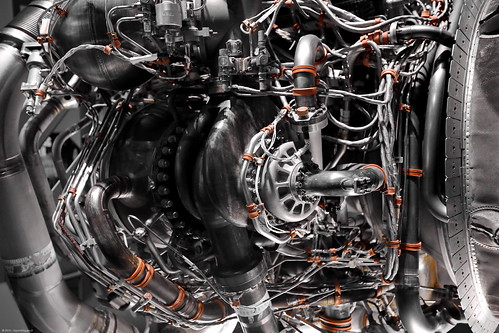
Rebuilding a motorcycle engine is key to enhancing the mileage, improving the life expectancy, increasing the horsepower and torque, reducing the emissions and decreasing the customary engine maintenance. In general, the procedure helps improve the overall performance and reliability of the motorcycle.
How much does it cost to rebuild a motorcycle engine?
Overall, the total costs of a motorcycle engine rebuild will vary anywhere from as little as $500 to as much as $8,000 for a professional to complete the job. The price really comes down to the type of rebuild, the parts needed, the make and model of the bike, and the company performing the rebuild. It’s hard to set a “price” because there are so many factors that can affect the costs.
At Randy’s Cycle Service & Restoration, for example, a basic restoration service for motorcycles (mechanically sound with no cosmetic work) starts at $3,000 with a requirement of $1,000 deposit. Total restoration services that include all mechanical and cosmetic components “down to the bare frame” start at $12,000 and require a deposit of $3,000.
AmericanDirtBike.com offers motorcycle engine rebuilding services for four-stroke engines at $425, while rebuilding services for two-stroke engines cost $300. The services include general tear down, inspection, cleaning and reassembly. The prices are for labor only and will not include any necessary parts.
According to DoItYourself.com, a motorcycle engine rebuild can range anywhere from $3,000 to $7,000, depending on the cost of replacement parts needed for the rebuild. The estimates do not include the cost of labor for a qualified mechanic.
We did talk with a few mechanics and were given the following “ballpark” quotes for a complete rebuild on particular brands. Again, this was a ballpark estimate given out over the phone, so your results could greatly vary.
| Brand | Engine Rebuild Quote |
|---|---|
| Harley Davidson | $3,900 for complete package |
| Honda | $5,000 for complete rebuild |
| Kawasaki | $3,100 for complete rebuild |
| Suzuki | $4,200 for complete rebuild |
| Yamaha | $1,500 for rebuild plus parts |
Rebuilding a motorcycle engine overview
Depending on the service provider, motorcycle engine rebuilding services basically include parts replacement, upgrades, and detail finishing. A more comprehensive list of services will likely include the following: cylinder boring; cylinder head rebuilding; camshaft repair or replacement; replacement of oil pump, main bearings, head fasteners, ignition points, spark plugs, cam chains, the rocker arm as well as valves, springs and guides; installation of new rod bearings; fitting of new crank and rod hardware; machine crankshafts; and resetting of ignition timing.
Some service providers perform a total assessment of the motorcycle condition and have it approved by the owner before any work is begun.
On average, a complete engine pull and disassemble can take about 10 hours to perform and another 10 hours to reassemble and reinstall the engine.
What are the extra costs?
Prior to doing any restoration job, some service providers perform a thorough motorcycle evaluation and then prepare a written estimate showing the what needs to be restored, upgraded or customized. Even if you don’t choose the company, they will still charge $100 to $200 for an “estimate.” With a certain service provider, the written estimate can take up to eight weeks, depending on how busy they are, to complete. If you agree to the price, the provider will subtract your diagnostic fee from the total bill.
Tips to know:
Motorcycle engine rebuild services are extremely laborious and time-intensive and should only be conducted by skilled professionals. Before hiring someone, see if the mechanic holds certifications as master technicians and have extensive knowledge and experience on mechanical and technical repair.
Do a comparison of the prices of the services offered. While it is possible that the cost will be substantial in most providers, it is likely that one or two may offer discounted services. One way to find a good technician is through word-of-mouth and recommendations from trusted people.
Find a service provider who controls the quality of his or her work and turnaround time by performing all work in their own shop.
Before you commit to having your motorcycle engine rebuilt, weigh your options of an engine rebuild versus purchasing a new motorcycle. Sometimes, spending a little more and simply getting a new bike will make more sense.
Some professionals will have restrictions and may not work on certain bikes. For instance, Randy’s Cycle Shop, the service we referenced earlier, won’t work on engines that have been heavily modified or work on race bikes. They will only work on bikes that have a stock engine, so with this being said, be sure to talk with the mechanic ahead of time to make sure they will even work on your bike.
Questions to ask a potential mechanic
What is your turnaround time for the restoration service? How long will you need to keep the motorcycle?
Once you have completed the rebuilding process, do you take the motorcycle on a road test and perform a final inspection before you return the machine to the owner?
Do you allow engines to be sent to your shop via mail or do customers need to personally bring the motorcycle to your shop?
What credentials and expertise do you have?
How long have you been in the business of restoring motorcycle engines?
Do you offer financing plans for your services?
Do you make follow-up calls to your customers after the rebuild service to find out how their bike is operating?
How can I save money?
A motorcycle engine rebuild is normally expensive, given the steep labor costs and costly professional services being offered these days. While you may not directly save money from getting the services done, you will be able to achieve savings in the long run through a motorcycle that is mechanically sturdy and reliable, operates more efficiently and can bring years of use with proper maintenance.
If you have the needed skills, you may want to consider doing the motorcycle engine rebuild on your own rather than taking it to a professional service provider. Doing so can give you substantial savings on the hourly labor costs alone. There are tons of online resources that provide information on how to rebuild your motorcycle engine on your own premises using the right tools and equipment. Just make sure that you have adequate skills and training required to carry out the process accurately.
How Much Does Hospice Care Cost?
Hospice care is a special type of health care that is focused on caring for individuals who are terminally ill. The main goal of hospice is to keep the patient as comfortable as possible until the end of their life.
This hospice care is given 24 hours a day, with constant supervision of the patient and their needs. Since all hospice care is going to vary, it will come down to the type of care, the medication needed, the diagnosis of the person, geographical location and hospice center taking care of the patient.

How much does hospice cost?
Depending on the type of care that is necessary, the average costs of hospice care can widely vary anywhere from $140 to as much as $1,000 per day without insurance. A patient that requires little to no supervision and medication can be near the $140 a day mark, while a patient that requires constant attention, medication and equipment maintenance can be close to that $1,000 a day mark. Most hospice care is going to be between the $140 and $300 per day average.
Medicare and Medicaid, for example, will cover hospice care as long as the patient is certified by the doctor claiming he or she has less than six months to live. As long as they qualify, Medicare will cover doctor services, nursing care, home health aide, social work, therapy, counseling, equipment, supplies, drugs, short-term care and grief support. Medicare, however, won’t cover care arranged by the hospice organization, emergency room that’s unrelated, ambulance transportation or room and board costs.
Cancer.about.com states there are different coverage payments for the potential costs of hospice care, and this includes private insurance, Medicare, and Medicaid.
For those patients who opt to take Medicare as their choice of payments for their hospice care, most of your hospice care can be covered. To learn about what Medicare is going to cover, Caringinfo.org has answers.
According to the American Hospice Foundation, patients with a terminal illness will usually not have to pay for hospice as long as you have Medicare, Medicaid or are insured through the Veteran’s Health Administration.
Kaiser Health News said that the Medicare program paid a base rate of $151 per day, on average, to cover routine hospice services, adjusted for geographical differences.
SeniorAdvisor.com says the average costs per day is $142, but Medicare will pay up to $672 for general inpatient or short-term hospice care.
Factors that affect the price
The location
Your location is perhaps the biggest factor that affects the pricing of the hospice care. If you are in a city where the costs of living are larger, then you may have to spend higher for the hospice care costs as these are basically proportioned to the economy of the city in which you live.
The care needed
The extent of the care the patient needs is another factor that would affect the pricing of the hospice care cost. As stated above, a patient who needs constant attention and equipment maintenance will cost more than a patient who requires very little supervision.
Hospice overview
Most hospice care services will include registered nurses, hospice aides and social workers on site. Hospice will also include short-term care, on-call medical services, counseling, medical equipment and supplies, prescriptions, therapy and all treatments necessary to ensure that the patient is living as comfortable and healthy a life as possible.
Hospice care comes in two main forms. You can either hire a hospice service that will send a nurse to your home on a daily basis, or you can put your loved one in a hospice care facility.
Hospice care is a treatment system that works with the overall well-being and health of the person or patient. For many people who suffer from diseases and ailments, you have to think of the welfare of the person being cared for. Hospice care will include the social, spiritual, emotional, and physical well-being of the patient. This type of care is available for anyone who needs it. Basic planning of the needs of the patient will have to be assessed to make sure that the patient will have the comfort and care that he or she needs.
While hospice care is an excellent option for the patient, it is also very helpful to the family. If you have a loved one that you are no longer able to care for, hospice might be a great option for both of you.
What are the extra costs?
If you are hiring a hospice care nurse to stay at your home, you may need to spend some extra money for their food and board. Some providers may require their meals to be housed by the patient’s family.
Medications are usually not generally included in the hospice care and will be billed separately.
Aside from medication, additional services such as equipment and miscellaneous services may be an additional cost to consider.
Outside care from physicians and other medical professionals will be an additional cost.
Tips to know:
It is crucial that you ask around your area for the potential providers for hospice care. There are plenty out there, and you need to make sure you get the best. Do not settle for mediocre providers just because they are cheap. It is always best to consult with at least three at a minimum to make sure that they can provide the patient what they need.
Social workers and care managers in the local hospital would have an idea of who are the best providers on the market if you are unsure where to begin.
Medicare will not pay past six months of hospice care unless there is a physician visit that deems the condition “terminal.”
To qualify for Medicare, Medicare states a doctor must certify the patient has less than six months to live.
Questions to ask a potential hospice center
Are you recognized by a national accepting body?
Are you Medicare certified?
Are you licensed by the state? What about the workers?
Can you provide references?
What are your policies?
How much responsibility is given to the average caregiver?
How can I save money?
If you really want to save on the funds or budget that you need to spend for the hospice care, then you may have to consider home care from hospital care. This is the best way for your to find an affordable provider who will help care for the well-being of your family member or even for yourself.
If you are having a hard time footing the bill because Medicare does not cover all of the necessary expenses, there are many financial programs and grants available for those who qualify. Medicaid, for example, will cover the bill if you meet certain income and asset requirements. Talk with a local social worker or even talk with various hospice centers to if they can point you in the right direction.
Those who don’t have health insurance coverage and can’t afford the service may be able to find a local hospice center that works on a sliding income scale.
How Much Does Kobe Beef Cost?
Kobe beef, known for its rich flavor and melt-in-your-mouth texture, can be found at most higher end steakhouses and some online specialty butchers. Also known as “Wagyu,” which means Japanese cow, comes from the Wagyu cattle that are primarily raised in the Hyogo region of Japan, but in some cases, this cattle can be found in some parts of the United States.
While there’s no such thing as Kobe beef as it’s the shipping point from somewhere in Japan, what’s known as “Kobe beef” will come from the province of Tajima, now named Hyogo Prefecture, where Kobe is currently the capital.

How much does Kobe beef cost per pound?
The estimated price, depending on where you purchase it and the type, can start at $90 per pound and rise from there. Your authentic Japanese Kobe will almost always be double that of an American Kobe beef.
All beef won’t be created equally, even if it coins the term.
In Japan, it’s not too uncommon to see beef as high as $300 per pound, but if you were to find it at a local grocery store with a lower grade score on a mass scale, as we explain later on in this guide, then it could be as little as $30 to $40 per pound. At this rate, again, it will be mass produced and will come from cattle inside the United States, not Japan. For instance, a four pack of six-ounce Kobe Beef filets retails for $208 at Sam’s Club.
American Wagyu beef with a score of eight to nine or higher can often command prices inside the $100 to $150 per pound range, for example.
Costco, for example, at the time of this writing, offered three Wagyu options at its local locations. An 11-pound Japanese Wagyu New York Strip Loin Roast, for example, retailed for $1,099 or $100 per pound, while a 13-pound Japanese Wagyu Boneless Ribeye Roast retails for a bit less at $92 per pound.
This CNN Money article, for instance, claimed Kobe beef as one of the world’s priciest foods, with prices starting at $150. In this same article, one butcher was interviewed and he claimed the costs at his butcher shop can start at $110 for a Japanese variety and half of that if it were for the American Kobe.
If you were to purchase it at a local steakhouse, keep in mind that it can only be available at select restaurants in the country. If you were to find it, however, most dishes, at least from what we researched, were about $375 per plate. The Japan Guide Book says it’s not too uncommon to see a plate retailing for $500 at some dining places.
Kobe beef overview
Wagyu beef can come from four types of cattle: either the Japanese Brown, Japanese Black, Japanese Shorthorn or Japanese Poll. Unlike traditional meat from other cows, Wagyu cattle will feed on sake or beer, and coupled with the cow’s DNA, it can produce beef that’s known to be buttery, tender and wonderfully marbled. Kobe beef will contain more omega-3s and is higher in monounsaturated fats.
With the beef you’re used to buying the grocery store, you’re probably familiar with the phrases USDA Prime, Choice and Select — the top three qualities the USDA uses to grade the quality of the beef. The USDA grading is based on the density of the marbling between the 12th and the 13th beef rib; however, the Wagyu’s beef will be determined by a 12-point marbling scale. Using certain marbling scores, the USDA prime, if Wagyu beef were to receive this rating, would have a score in the five to six range, according to Lobels.com. The most prized beef, and costliest, would rank as a 12, meaning the marbling would be so dense that the muscle to marbling could reach a nine to one ratio. In order to achieve this high ratio, wagy must have at least 25 percent marbled fat.
What are the extra costs?
If you were to purchase from an online butcher, then you may need to pay extra for the expediting fees.
Tips to know:
This infographic on Fine Dining Lovers states that out of 1.3 billion cattle in the world, only 3,000 are certified as Kobe each year.
All Kobe beef is Wagyu, but not all Wagyu beef will be Kobe. To be known as Kobe, the cattle has to be raised in Japan’s Hyogo Prefecture and the production must conform to standards within this region. Beef production in Japan is similar to that of wine production in France. With many regions where the beef can be produced, each region can produce a different “kind” of beef.


