
How Much Does Mahi Mahi Cost?
Commonly known as a dolphin or dolphinfish, the Mahi Mahi is a thick skinned fish with a unique, sweet flavor. The Mahi Mahi is commonly known to be found in the waters of states such as Hawaii.

How much is it?
On average, Mahi Mahi can cost anywhere from $1.50 to $3.50 per pound if purchased as a frozen filet. If purchased fresh from a local fish market, the price can be anywhere from $7 to $13 per pound, already prepped and cut. The cost typically depends on the size of the fish, the geographical location and who you purchase it from. This fish will be in season during January and February.
WildOceanSeaFoods.com has a few packages such as the “5lbs Mahi Mahi Boneless Fillets” which costs around $75. They also have the 10-pound package which costs around $150.
AlwaysFreshFish.com in New Jersey has fresh Mahi Mahi that varies from $10 to $15 a pound.
What is going to be included?
If you purchase the fillet, the fish market should have it prepped for you already. It should be packaged and sealed to retain its freshness.
Much of the fish you find online will come from either Hawaii or Latin America.
Mahi mahi should be available year round at most fisheries and can be sold as the following types: skin-on filets, frozen, skin-on and skinless boneless.
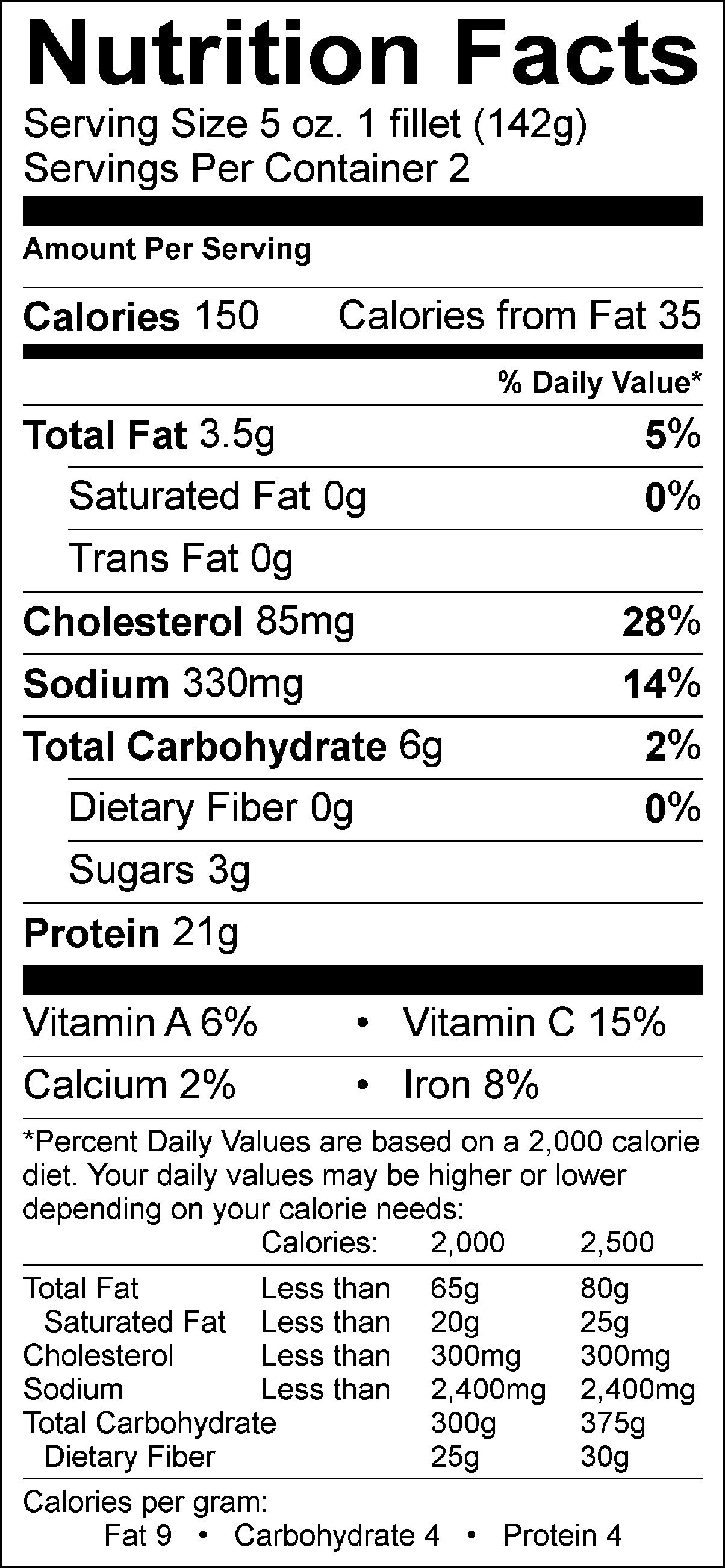
This fish is low in saturated fat and an excellent source of B6 and B12 vitamins.
The mahi mahi taste is known to be sweet with a firm texture.
What are the extra costs?
Purchasing the fish online may incur higher prices since it has to be shipped to your home within a day.
If purchasing during a high demand season, the price per pound can raise by two or even three times the amount.
Tips to know:
When picking a filet, pay close attention to the bright skin colors. A good filet will have a firm touch and a pinkish color.
Popular places to catch Mahi Mahi includes South-East Asia, Spain, Australia and South America.
Common places to find them in the water while fishing include debris such as floating logs, buoys and even near bait fish. A popular technique to find bait fish is to look for birds feeding on them near the surface.
The average catch can be anywhere between 15 and 30 pounds. Anything over the 40-pound mark is considered to be above average.
Mahi mahi nutrition facts
How to cook mahi mahi
Mahi mahi can be baked, broiled, fried, grilled or saute. If baking, it can be an easy process. Simply rinse the fish, throw it in a baking dish and squeeze a bit of lemon juice on the top. In a separate bowl, mix mayonnaise, chopped onions and spread it on the fish. Top it off with some breadcrumbs, garlic salt and cracked pepper. Baked for 25 minutes at 425 degrees until its a nice golden brown.
How can I save money?
Purchase from a local fish market or a grocery store. Prices on the Internet tend to be higher than if you were to purchase it fresh locally.
If you want to save money, consider purchasing frozen filets. While the taste won’t be comparable to a fresh fish, it can save up to 60% on the total purchase.
If you have the time, consider going on a charter to catch the fish. Many charters will even clean up the fish after it has been caught. In fact, there are also restaurants out there that will cook the fish fresh for you if you bring it to them direct.
How Much Do Daisies Cost?
Whether you want to plant a daisy in your garden at home or you want to purchase some for a bouquet for your next wedding, there are many types out there.
The cost of these flowers will vary depending on a few factors. According to GreenNature.com, some of the daisy types include African Daisies, Blazing Start, Chicory, Desert Chicory, Firewheel, and the Goldenrod.

How much do daisies cost?
On average, a packet of seeds can cost anywhere from $1 to $5, while a fresh stem can cost anywhere from $1 to $5 each. The cost will depend on the type, quality and where it’s purchased from.
The popular gerbera daisies can cost about $1 to $3 per stem or about $1 per stem if purchased in quantities higher than 50. For example, during peak seasons, warehouse clubs, such as Sam’s Club, sells gerbera daisies for $80 to $100 for 80 stems.
For example, a 100-milligram packet of English Daisy Perennial Flower seeds will cost anywhere from $2 to $4.
African Daisy Annual Flower Seeds are going to cost anywhere from $2 to $4 for one packet.
Shasta Daisy Flower Seeds are going to cost around $2 to $4 for a packet of 250 Milligrams.
On average, Gerber Daisies can range anywhere from $1 to $3 a stem at your local florist.
MyFlowerBuyer.com, a florist that specializes in selling daises by the bulk offer daisies for as little as $95 for 60 stems.
What are the extra costs?
If purchasing your flowers online, be aware of shipping charges. While seed packets may be small, the larger flowers may cost more.
If planting the daisies in your yard, consider fertilizer and high-grade top soil.
If these daisies are for a wedding, bouquet or corsage, the costs will be higher due to the amount of work the florist will have to put into them. For example, a bouquet of eight flowers can start at $50 and go up from there depending on the florist doing the job and the type of daises used.
Tips to know:
Fresh cut daisies can come in the following color options: purple, yellow, pink, peach, white and blazing red.
A common pest that attacks the daises are slugs. If you’re finding your flowers won’t sprout, check the area for slugs. This can be done by leaving a piece of wood behind or even a rock. In the wee morning hours, flip it over to see if they are stuck to the other side.
If the pedals are missing from the flower, many birds tend to snack on them. Create a deterrent by leaving out bird seed.
When growing, choose an area that receives full sun. If the area is too hot, the area should be shaded partially. Just before the flower blooms, use a fertilizer high in phosphorous to help promote larger blooms.
Try to set the plants at least 12 inches apart.
How can I save money?
Purchase daisy seeds as they only cost a few dollars. While you won’t see instant results, it will take 8 to 14 weeks to fully germinate.
Consider purchasing them in bulk at your local wholesale clubs such as Costco. When these flowers are in season, you’ll find that purchasing them in bulk can be affordable.
How Much Do Caesarstone Countertops Cost?
| Need a pro near you? Get multiple quotes for free online. Get your quote now >> |
Caesarstone countertops generally aren’t a name you hear come up when you search for countertop material. Caesarstone originally came from Israel and has become one of the largest quartz-based countertop surfaces in the world. It is a manufactured quartz material that’s considered low maintenance and can come in hundreds of colors.
How much do Caesarstone countertops cost?
On average, Caesarstone is going to cost anywhere from $20 to as much as $35 per square foot. This won’t include installation. The costs will depend on the quality, colors and where you purchase it from. Using these numbers, a 50 square foot countertop could cost $1,000, while a 75 square foot countertop could start at $1,500. When you factor in the professionals, plan on spending $60 to $100 per square foot to have it installed. This is a wide range since it will depend on the variation, availability, the type, installer and geographical location.
One forum member on Gardenweb.com received a quote for $70 per square foot and an additional $200 for the sink cut out. Another member was quoted $75 per square foot for a polished piece.
| Quality | Price Range (50 square foot counter) |
|---|---|
| Basic | $2,800 to $3,200 |
| Better | $3,000 to $3,500 |
| Best | $3,500 to $4,100 |
Caesarstone countertops overview
Caesarstone will come in four different grades: A, B, C and D. Each grade will refer to the color and pattern, not the quality. These grades can affect the total price.
This counter, as noted above, is from Israel and is made up of about 93 percent quartz. The rest of the material is mixed with polymer resins and pigments to design the texture and colors. During the process, the colors and resins are mixed and poured into a mold. It will then be heated at about 190 degrees Fahrenheit and tested with 100 tons of pressure.
The average thickness is between 3/4 inches and 1 1/4 inches. It can be thicker, but it will come at a higher price tag.
Most of these counters will have a simple edge, but other edges may include a round, fancy ogee, elegant bevel or the utilitarian square edge.
As for colors, the company offers 40 classic colors and multiple texture stone options.
Depending on where the countertop is purchased, some may include the pre-cut measurements while others may just include the slab.
Caesarstone can be formed into virtually any shape.
Common finishes may include a glossy or matte finish.
Some companies hold specials where they include a free sink if you choose their installation package.
Some companies may also include free installation.
If a professional contractor is chosen for the installation job, the kitchen countertops will be measured, cut at the factory and hand delivered. Once delivered, these countertops will be installed. This entire process can take up to two weeks.
Caesarstone colors

NOTE: The colors came from the official website collection.
What are the extra costs?
Most companies won’t fabricate or include the installation. Most labor will start $100 and go up depending on the size of the job.
Depending on your kitchen shape and size, many companies will want you to purchase a new kitchen sink in order to fit perfectly with the countertop. These sinks can start at $200+
If older countertops have to be removed and disposed of, additional fees may apply, depending on the package chosen.
Other costs, depending on the contractor, may include leveling, edge fabrication, cut-outs and seam jointing. Each contractor will have their own billing policy, so be sure to pay close attention to the contract before committing.
A backsplash, if considered, will be considered an additional cost.
Tips to know:
If you’re unsure of how to install countertops, it’s wise to highly consider a professional installer. Check with the local BBB or ask friends and families for referrals.
Be sure to consider other grades of countertops as the quality and pricing is going to vary. Many home and bath showrooms have books and hundreds of samples. This is a great way to touch and feel what the countertops would feel and look like as if it were installed in your home.
To make it a quick estimate on your own, measure your countertops length by width in inches. By multiplying, this will give you the total square footage.
Caesarstone countertops cost vs granite
If you’re looking for this type of countertop, then there’s a good chance you’re looking at granite as well. While both will last a long time, there are pros and cons to both as noted below:
Granite pros
It’s higher in terms of heat resistant.
Each slab you receive will be unique.
It will cost less than Caesarstone.
Granite cons
Prone to staining if left too long on the surface.
Limited color selection.
It will have to be sealed annually to prevent it from losing its color.
Caesarstone pros
You won’t have to reseal it.
It can resist stains and can be used with other cleaners.
It comes in a lot of colors and patterns.
Caesarstone cons
Doesn’t withstand heat well.
It can look similar to other countertops.
Due to its process, it can be costly.
How can I save money?
Consider using sites such as Home Advisor to gather quotes from contractors in your area. Here, you input your information and contractors will email.
Major retailers hold sales all the time. Take advantage of special promotions or considering signing up for an e-mail newsletter to stay in the loop.
Countertop-based manufacturers commonly have deals that include free installation and free sinks.
Most contractors are more than happy to offer you a quote for free. Try to make it a habit to get at least three quotes before proceeding.
Suppliers will often have Caesarstone samples for you to take home. Take advantage of this to see how this color would match up to your kitchen or bathroom’s theme.
How Much Do Bail Bonds Cost?
Going to jail isn’t a fun experience, and if you want to be released from jail while in there, you’re going to have to post a bond. A bail bond is what a person must post to the courts in order to leave the jail premises. If you don’t have the funding to do so, a bail bonds service will be necessary.
Judges will be responsible for setting bail, and since most want to leave as soon as possible, jails will have a set bail schedule which allows you to get out of jail quickly.

How much do bail bonds cost?
A cash bond will cost the full amount of the bail set by the judge. This bond will vary depending on factors such as if the criminal is a risk, employment status, their criminal record, character, family ties and/or if they will bring harm to the community. Every state will also have its own amount agents are allowed to charge. Review our chart below for your state’s rules and regulations. At a federal court level, rates are set at 15%, while immigration bonds are set at 20%.
Most bail bonds company are going to charge a 10% to 20% premium bail bonds fee. For example, if the bail was $25,000, you would have to pay the bail bonds company $2,500 if the premium fee was 10%. Again, this will depend on the local state regulations.
| State | Maximum Bail Premium |
|---|---|
| Alabama | 10% |
| Alaska | No maximum |
| Arizona | 10% |
| Arkansas | 10% maximum |
| California | 10% maximum |
| Colorado | 15% maximum |
| Connecticut | $50.00 for bond amounts up to $500.00; 10% of the bond's face value for bond amounts from $500.00 to $5,000.00; and 7% of the bond's face value for bond amounts in excess of $5,000.00 |
| Delaware | No maximum |
| District of Columbia | No private bail in this state |
| Florida | At least 6.5% |
| Georgia | Can't exceed 15% or $50, whichever is greater. |
| Hawaii | No maximum |
| Idaho | No maximum |
| Illinois | No private bail in this state |
| Indiana | 10% |
| Iowa | No maximum |
| Kansas | No maximum |
| Kentucky | No private bail in this state |
| Louisiana | Can't exceed 12% or $120, whichever is greater. |
| Maine | N/A |
| Maryland | 10% |
| Massachusetts | No private bail in this state |
| Michigan | 10% max |
| Minnesota | No maximum |
| Mississippi | Can't exceed $50 or 10%, whichever is greater |
| Missouri | No maximum |
| Montana | No maximum |
| Nebraska | N/A |
| Nevada | Can't exceed $50 or 15%, whichever is greater. |
| New Hampshire | 10% |
| New Jersey | 10% |
| New Mexico | 10% |
| New York | 10% up to $3000, 8% for $3000-$10000, 6% for the amount over $10000. |
| North Carolina | 15% |
| North Dakota | Can't exceed 10% or $75, whichever is greater. |
| Ohio | 10% |
| Oklahoma | No maximum |
| Oregon | No private bail services in this state. |
| Pennsylvania | Up to 10% for first $100 and up to 5% for each additional $100 |
| Rhode Island | Bail bonds regulated by the courts |
| South Carolina | No less than $25 and can't exceed 15%. |
| South Dakota | No maximum |
| Tennessee | 10% |
| Texas | Counties regulate this, so it will vary. |
| Utah | 20% |
| Vermont | 10% |
| Virginia | 15% |
| Washington | No maximum |
| West Virginia | 10% |
| Wisconsin | There is no private bail |
| Wyoming | No maximum |
Bail bonds overview
After you post bail, the bail bonds company will post your bail. Once the court system receives this money, you will be released from jail. Keep in mind you will have to show up in court on your court date to ensure that bail bonds company gets their money back.
Once a suspect posts bail, they must abide by the “conditions of release.” If a suspect violates any of these orders, they may have their bail revoked and will be re-arrested. These conditions often include “obeying the law” and other conditions that reflect the suspect’s crime. For example, if he or she was accused of harassing a victim, they wouldn’t be able to contact this individual.
How do bail bonds work?
When someone is arrested for a crime, he or she will be taken to jail for booking. During this process, you will have your fingerprints taken, a mugshot and will be asked for a statement. From here, you will wait for your day in court. During this time, which is usually during the week, the judge will set your bail if he or she decides to do so.
Bail is a financial arrangement a company will make on behalf of a defendant. Acting for this individual, the company will arrange with the courts to allow the suspect to be released from jail in exchange for the bail (cash). If this individual doesn’t show up for the court, the bail agency will be held responsible and will hire a bounty hunter to hunt this person down.
A bail bonds company will charge a premium fee, usually around 10% of the total, and this will be paid back, regardless of the verdict. Depending on the situation, the company will either take assets from the defendant as a security deposit collateral or from a close family member.
If the defendant doesn’t show up for court and is eventually caught, he or she will be sued in court to recover the money, plus any fees.
What are the extra costs?
Some bail bonds companies will have an office fee that can start at $10+. This is to file the paperwork and for other office expenses.
There could be an additional Sheriff’s fee, which can start at $10.
Tips to know:
If you bail someone out of jail, it could take months to get your money back. The money won’t be returned until the necessary paperwork and the case is finished.
The bail bond agent usually won’t post the bond. Instead, it will have to be either posted by the defendant or someone who knows them.
If the defendant decides to skip their court hearing, a bench warrant will be issued. The only way the money will be returned is by bringing the defendant back within 90 days of the forfeiture. This is usually the average for most state laws out there.
Many bond agents may require a co-signer. In order to pay the bond, most will ask that it’s placed on a credit card. Most will ask for an advanced payment.
If a suspect wants to post bail but they can’t afford it, a suspect can ask the judge to lower it. Depending on the state, a special bail hearing may be held.
The Eighth Amendment requires bail shouldn’t be excessive and shouldn’t be designed to raise money for the government. It shouldn’t be used to punish a person, either.
When choosing a company, make sure they are licensed in your jurisdiction.
Using the chart above, make sure they are abiding by the law.
Make sure every charge is explained and itemized before signing the contract. Also, make sure you receive a copy of anything you sign.
The United States is the only country that allows bounty hunting.
Do you get bail money back? If you paid cash on your own, you get the full amount back. However, if you use a bail bonds company, you will be responsible for the premium fee.
How can I save money?
Try to set the bail yourself if you have the money. Ask friends or family members for a temporary loan. As long as you show up in court, you will get your money back.
How Much Does Achilles Tendon Surgery Cost?
According to AchillesTendon.com, your Achilles tendon is a tissue that connects your heel to the muscles located on your lower leg. Since your leg muscles are some of the most power muscles in your system, the Achilles tendon is the thickest and the strongest tendon in the body.
Whether you’ve overused it or you have potentially worn bad shoes throughout your life, you may find you may require some sort of rehab or worst case — surgery. A torn Achilles can make it very difficult to walk, place weight on your injured limb or even perform day-to-day activities. With surgery, you will see increased mobility and reduced pain if the surgery is successful.
How much does Achilles tendon surgery cost?
The surgery is going to vary anywhere from $10,000 to as much as $31,000 without insurance. This average usually covers most of your additional expenses such as your hospital stay and surgeon fees. The cost will depend on the severity of the rupture/tear, the surgical approach being used, the type of anesthetic being used, the surgeon performing the surgery, hospital and geographical location. A physician will take x-rays and decide if you had a partial tear or complete tear.
With health insurance, you’re going to want to refer to your deductible and your co-pays. If this surgery is deemed necessary, your insurance should more than likely cover it. You will only be responsible for your co-pays and deductibles.
The US National Library of Medicine found a day surgery at a local hospital was $600 and overnight stays could cost $909 to $1,433.
Achilles tendon surgery overview
Two types of surgeries can be performed: an open or percutaneous surgery (PARS). During an open surgery, the patient will be placed under a general anesthesia, and an incision will be made down the back of the patient’s heel. Once this incision is made, the ends of the ruptured tendon will be reconnected, held together with stitches. After the tendon has been sewn back up, a cast will be put in place. This cast will have to be in place for up to 30 days. Once the 30 days are up, the cast and stitches can be removed. During a percutaneous surgery, the surgeon will create several smaller incisions rather than a big one.
The patient can be placed under a general, regional or local anesthesia. This will all depend on the severity of the surgery and the surgeon’s discretion.
After the surgery is performed, the patient will have to wear a walking boot for six to 12 weeks. You may also be restricted to crutches or a knee scooter. The average Achilles surgery recovery period is about 12 weeks.
What are the extra costs?
The hospital stay will not be included in the surgery price. The average hospital stay can be anywhere from $1,000+ per night alone.
Since this surgery is going to require anesthesia, this will be a separate bill and can cost anywhere from $800 to $2,000.
If this surgery is going to be as a result of an impromptu injury, emergency room (ER) fees may apply. An emergency room visit alone can start at $500.
Rehab and physical therapy will more than likely going be needed for at least 8 to 16 weeks prior to your surgery. Rehab fees can range anywhere from $100 to $200 per visit without insurance. Physical therapy, depending on your condition, may take up to 12 months to see significant results.
A follow-up visit is very important to ensure that the healing is on path. While complications are rare, the tendon can rupture again if not taken care of properly. Follow-up doctor visits will apply.
Tips to know
Common symptoms of a ruptured Achilles tendon may include a snap sound when pushing off your leg, trouble moving your foot, unable to stand on your toes or pain on the back of your leg.
Risks may include skin infections, complications with anesthesia, potential nerve damage, repeat risk and potential loss in strength.
How can I save money?
Be advised you may not need surgery. Instead, you may just need a simple rehab stint in order to increase your strength. Talk with your doctor to explore non-surgical options. This can include casting the foot and recasting it each week. This has a 10 to 30 percent rupture rate.
Check with foreign countries if you need the surgery and don’t have health insurance. Many countries, such as India, can do it for 60% less. Do this at your own risk, and be sure to do extensive research before doing so. Consider looking into medical tourism pricing guides to see what each and every country can do.
How Much Do Cat Vaccinations Cost?
Whether you just adopted a small kitten or you have an older cat, you’re going to want to make sure you keep up with your cat’s health. Vaccinations will be required on an annual basis to ensure that your cat doesn’t come in contact with any deadly diseases / viruses.
How much do cat vaccinations cost?
The cost of the vet exam on its own will vary anywhere from $55 to as much as $120 just for the visit.
The first year cat vaccination costs will generally be the most expensive year, costing upwards of $120 for the entire year. After the cat’s first year, the costs will usually be around $30 to $50 for the entire year for basic vaccinations.
According to PetEducation.com, kittens usually get the most vaccinations in the first year. From 10 weeks until their 19th week, they are going to need their Chlamydophila, Rabies, Feline Leukemia, as well as Fel.V. These vaccinations are going to run anywhere from $10 to as much as $90 for the shot.
Older cats are going to be required to get its booster shot on an annual basis. This can vary anywhere from $30 to $50, depending on your clinic.
VetInfo says the first year cat vaccinations can cost $50 to $100 per year.
| Type of Vaccine | When it Should be Administered |
|---|---|
| Temporary vaccine for kittens | 6 weeks old |
| FVRCP-Panleukopenia, Rhinotracheitis, Calcivirus, and Chlamydia | 7 to 12 weeks old |
| Booster and FelV Leukemia | 12 to 14 weeks old |
| FelV and FVRCP Booster (optional) | 15 to 18 weeks old |
| Rabies | 5 to 6 months old |
| FVRCP and FelV | Annually after 12 months old |
| Rabies | Once every 3 years after 18 months |
Note: Each shot mentioned above should cost at least $10 to $80 per shot. Remember each vet will charge a vet visit fee. Some may tack on vet visit fees while others won’t.
Cat vaccination overview
A vet office will offer core and non-core vaccinations. The core vaccinations will be required for your feline, while the non-core will be optional, but your vet will be able to discuss your options and if he or she believes your cat needs it.
Vaccinations will be started at eight weeks old and kittens will receive their upper respiratory and distemper combination vaccinations every four weeks until they reach 16 weeks. These vaccines are very important since distemper is a virus which can cause severe immune system supression, while the respiratory virus can cause ulcers, pneumonia, eye infections and upper respiratory diseases. Since a kitten’s immune system isn’t mature, they can be more susceptible.
Indoor cats, even they don’t go outdoors, can still be exposed to outdoor illnesses. For example, you may be able to track an outdoor cats virus inside with your shoes or even from a pet store.
What are the extra costs?
If the vet doctor finds your cat needs more than a vaccination during the initial visit, some extra tests may need to be performed. Tests are going to start at $50.
If the cat is an outdoor cat, additional shots, such as leukemia and peritonitis shots, will be required. These shots can start at $10.
Most vets will recommend the basic vaccinations. There will come times, though, when your vet will recommend other vaccines. While it’s optional, these additional vaccines can cost you more money. Plan on spending upwards of $20 per shot.
Tips to know
A rabies vaccine is required by law.
How can I save money?
Try going to your local Humane Society. These clinics are usually 30 to 40 percent cheaper than your vet office.
If there isn’t a humane society in your local area, consider calling up a handful of vets. These vet offices are more than happy to give a quote over the phone or some may have the prices on their official website.
There are many local clinics that can provide care for those who have a lower income. Consider talking with these clinics to see if you qualify.
It is possible to administer these shots yourself. Consider buying these vaccinations online as it’s 100% legal.
How Much Does a Safari Cost?
Whether you want to go on a Safari in the United States or maybe you want to go to an authentic one in Africa, you’re going to find that the prices will vary depending on what you want to do, where you want to go, the tour guide company, accommodations and inclusions.

How much does a safari cost?
There are many types of Safaris out there. There are those where you can stay for days and some which only last a day. A low-budget safari trip that includes a basic campsite and a one to two-day adventure can range anywhere from $100 to $400 per day, per person. A budget safari often includes camping, backpacking and an experienced guide.
For those who want to take a week-long camping trip in East Africa, for example, can run anywhere from $200 to $1,200 per person, per day for 6-10 days. The nicer your lodging options are, the more you will pay.
The more you pay, the more luxuries you will get. For instance, a four-star lodge safari trip can be as high as $1,000 per day. HowStuffWorks has a great guide on the overall picture on how they work.
In Kenya, a safari can cost $650 to $800 per person, per day.
In Tanzania, a safari can range anywhere from $900 to $1,200 per day.
In Australia, this can vary anywhere from $850 per person, per day.
According to Travel and Leisure, the average African safari is $800 to $1,000 per day.
Cedarberg-travel says those who want to share can pay $225 per night, while the best safaris in the world could charge $1,400.
The cost of a safari, regardless of where you want to go, will come down to these factors: the days spent, days you will be walking, the number of people, the lodging options, if you’re flying, the season and where the safari is located.
We contacted a handful of companies online and came up with the prices below:
| Safari Company/Country | Cost Range (per person, per day) |
|---|---|
| Botswana Safari Cost | $150 to $600 |
| Kenya Safari Cost | $80 to $200 |
| Masai Mara Safari Cost | $220 to $700 |
| Micato Safari Cost | $750 to $2,000 |
| Serengeti Safari Cost | $200 to $1,100 |
| South African Safari Cost | $100 to $500+ |
| Tanzania Safari Cost | $250 to $650 |
Safari overview
Depending on the safari, this is going to include lodging, an experienced tour guide who knows the area, supplies and transportation. All safaris will vary with its inclusions, and most reputable companies will let you know what you’re getting with your payment.
Safaris can be niche-based and can cater to the following: bird watching, horseback riding, canoeing, hiking, gorilla trekking, whale watching, culinary, historical or family-friendly, for example.
During your trip, nearly every day will be spent on the “safari.” This means you will have very little downtime at your lodging option.
Most safaris will last three to six nights.
Most tour guides will also include a packet/map to show you where you’re at as well as what kind of animals you’re going to be able to see.
Aside from viewing animals in their wild surroundings, it can also help you experience the local culture, explore scenic places, visit historical landmarks and even participate in outdoor activities.
Types of safaris
Overland safaris
This will be the cheapest option and will typically last half the day. Driving around in a large truck, a tour operator will guide you through a local area with a group of 20 or more.
Budget camping
This will run with smaller groups and will be as bare bones as possible. This type will include limited transportation and tent lodging.
Exclusive budget
This will be similar to budget camping, but it will also include a mix of lodging options as well.
Budget lodging
Picture this as your lower end hotels on a road trip or destination. This will be a slight step above tent camping.
Mobile camping
As the name states, your camp will be on wheels. These camps can be set up in public or private places, and it is usually done in smaller groups.
Lodge-based
You won’t camp on the go, but rather, your lodge will serve as the base. Each day, you will head out to the fields to view the wild and come back at night to rest and eat.
Luxury
These safaris will set you up in the nicest hotels and lavish game viewing areas. These tours will often be private and will be mapped out ahead of time like a cruise.
Tailor-made
These higher-end safaris will tailor to your needs. Being at the top of the pyramid, you will basically get anything you want, while being pampered along the trip.
Fly-in
These safaris will skip the roads altogether, saving you the trouble of the bumpy roads. You will simply fly from one base to another and there will be very limited driving.
What are the extra costs?
The more luxuries you want, the more you’re going to have to pay in terms of your hotel. Higher stared hotels are going to cost you more.
Private tours, rather than group tours, are going to cost more.
Food and drinks usually won’t be included.
Flights in-between the safaris are going to cost more than having a safari drive you. These fees are going to be additional for those who want to go on more than one safari during their trip. The flight in order to get to your destination can be an additional cost.
A hidden cost can often be the transportation to and from the airport.
Travel insurance is highly recommended. This will cover medical-related costs, baggage loss and tour cancellations.
Vaccinations may be needed if traveling to certain countries. Don’t forget your visa and passport fees if you don’t have one.
Optional activities, similar to a cruise ship, may be offered outside of the standard safari. For example, this could include a balloon ride.
Tips to know:
Since a safari package can be rather complex, it may be ideal to have a travel agent work for you. While these agents do work on some sort of commission, they can help with booking the airline ticket, booking the safari and lodging.
Since you’re going to be traveling out of the country, it’s wise to pick up an additional health insurance policy as well as consult with a doctor before making a trip to ensure that you’re up to date with all the vaccinations.
Most safaris will have to be paid in advance in order to reserve your spot. This will include the entire safari, airfare and transportation.
A safari is often confused with hunting; this isn’t the case with tour operators. Their goal is to show you animals in their natural surroundings.
How can I save money?
Consider going in the off season when the demands aren’t high. During the peak seasons, some safaris may raise their prices as high as 40 percent. Each country will vary in terms of the low season, but for example, in South Africa, the low season is from April to October. In Kenya, it’s March to May. During this time, some lodges may close down due to the potential rainfall.
Consider going in groups as group packages are going to be a lot cheaper than going with a private group. AfricanSafariHome.com has a great selection to choose from.
Smaller, lesser-known game reserves will cost closer to $200 per night, and these companies won’t advertise online. Owner-run camps will be cheaper than chains and they can be more flexible.
A self-driving option can save you money; however, you will still have to factor in fuel costs and uncharted territories. Without a guide, you will be going long distances and it can be frustrating to find a hot spot to watch the wildlife. The driving can also be a struggle, especially for those who aren’t used to 4×4 terrains.
Lonely Planet notes you can volunteer your time to save a ton of money.
How Much Do Safe Deposit Boxes Cost?
If you have some valuable items you don’t want to keep at home, such as collectibles or jewelry, you may find that you want to head to your local bank to get a safety deposit box.

How much do safe deposit boxes cost?
The cost will depend on the size and the bank you choose. A small box can cost $15 to $30 per year, while a medium box, which measures 4 by 10 inches will cost $40 to $60 per year. A larger box can cost upwards of $180 to $500 per year.
According to CBS Money Watch, the average safe deposit box costs anywhere from $30 to as much as $75 a year. Mint.com backs up these numbers as well.
Bank of America charges $30 for a 2×5, $100 for a 10×10, and $190 a year for a 17×15.
Chase Bank has over 60 different sizes to choose from. For example, a 2×5 can run $65 annually.
Citibank has many various sizes as well. Here, a 2×5 is $20 a year and a 24×48 is as much as $3,318 a year.
Wells Fargo also has different sizes. The 2×5 is $40 a year and the 10×10 is $120 a year.
If you want to purchase one for your home, the SentrySafe H2300 ranges anywhere from $40 to $60, and the Digital Safe Box by Solar Eclipse can cost anywhere from $30 to $50.
| Bank | Price (per year) |
|---|---|
| Bank of America | $18 for 3x6x6 or $75 for 3x5 |
| Chase Bank | $45 for 3x5 (free for qualifying customers) |
| Citibank | $65 for 3x5 |
| Fifth Third Bank | $275 for 10x10 |
| PNC Bank | $100 ($10 discount to qualifying customers) |
| Regions Bank | $125 for 5x10 (30% discount for qualifying customers and 10% for auto debit) |
| U.S. Bank | $20 to $100 (may be half with qualifying account) |
| Wells Fargo | $20 to $120 (individuals may qualify for free box with qualifying average balance of $5,000) $65 for 3x5, for instance. |
NOTE: The banks may offer other sizes. These are just the costs we found for some sizes.
Safe deposit boxes overview
Safe deposit boxes can be found at all major bank branches.
A safe deposit is going to protect your valuables such as jewelry, birth certificates and cash from potential theft, tampering, floods and damage. The boxes will be located at a local bank and will be securely stored in a restricted access area. Depending on the bank, you may be able to access the box with your fingerprint or a key they provide you with. You will only be provided access to your box during bank hours, which are typically nine to five during the week and varying hours on the weekend.
The bank will more than likely assign you a key. While this key won’t necessarily open it, you’re going to need the bank’s key, your signature and even your fingerprint to access your safety deposit box.
What are the extra costs?
Some banks may require a key deposit fee. This is a fee to pay in order to get the key in the beginning, and this deposit fee can be anywhere from $10 to $30.
If you lose the key, many banks are going to charge you to replace the key. This can cost anywhere from $10 to $40+
Drill fees may be required if you lose your key or you need access. These fees can be as much as $150+
Insurance is highly recommended for items outside of cash. Since the items won’t be covered by the FDIC or the bank, an insurance policy is highly recommended. Plan on paying $15 to $20 per $1,000 worth of valuables.
Tips to know:
It’s always safer to open up a safe deposit safe rather than have a safe at home. While home safes can be cheaper, they are a lot easier to crack if a thief does break into your home.
Safe deposit boxes aren’t covered by the FDIC. If you’re going to keep any type of jewelry or any sort of valuable items, it’s best to have it insured by a separate entity. Talk to your insurance company or broker to see what’s covered.
While it’s safe to keep papers in the box, always make sure that you keep copies at your own home just in case they get lost or something happens.
Attorneys advise you don’t place birth certificates or originals of important documents; instead, consider keeping copies inside. To be extra safe, consider placing these documents in a Ziploc bag. People often include titles, detailed lists of account details, jewelry, stock certificates and family heirlooms.
Finweb.com says you’re able to file this expense on your income tax return if you store your bond or stock certificates.
It’s a good idea to let someone close to you know about this safe deposit box in case something were to happen to you.
If you don’t pay your box rent, the property will be seized as unclaimed property.
How can I save money?
Consider installing a safety deposit box in your home. ThisOldHouse has a great installation guide on how you can install a safe. Make sure that your safe is bolted into the ground so it can’t easily be taken.
If you’re already an existing customer with a bank, they may be able to offer you a discount.
How Much Do Rabbits Cost?
Rabbits make great pets for your own home use, or if you wish, you can also show them at local county fairs.

How much do rabbits cost?
According to the ARBA (American Rabbit Breeders Association), there are many breeds you can choose from when considering a purchase. One of the most common rabbits for households are the Dwarfs. This breed, as well as others, will typically be in the $5 to $75 range. The cost comes down to the breed and who you plan on purchasing the rabbit from. A “normal” breed, such as one you can find at a local adoption shelter, will often cost less than $75, while a specific and rare breed can cost north of $100. Just like a champion bloodline dog or cat, a champion bloodline rabbit can cost just as much.
Adoptions at many of your local shelters will vary anywhere from an optional personal donation to $75+. Most adoption centers will start you off with food, supplies and sometimes a cage.
A more exotic rabbit, such as an Angora, can cost upwards of $175.
My House Rabbit broke down her rabbit costs and the total, including supplies, was around $330 to $390 for the initial costs. Ongoing supplies, such as the ones listed below, would cost about $85 per month.
| Type of Rabbit | Cost |
|---|---|
| American Chinchilla Rabbits Cost | $20 to $40 |
| English Angora Rabbits Cost | $50 to $250 |
| Dwarf Rabbits Cost | $15 to $60 |
| Harlequin Rabbits Cost | $20 to $50 |
| Holland Lop Rabbits Cost | $30 to $35 |
| Lionhead Rabbits Cost | $10 to $50 |
| Netherland Dwarf Rabbits Cost | $120 to $185 |
| Standard Rex Rabbits Cost | $15 to $50 |
What is going to be included in the adoption fee?
If you’re going to adopt, many centers are going to give you a starter guide and some simple supplies to get you started. The same can be said about breeders. Some may include supplies and a starter kit, while others will only include simple paperwork and health certificate.
What are the extra costs?
A cage will be needed to house your rabbit. Many experts will warn you to keep your rabbit in cages all the time when not supervised. These cages can range anywhere from $30 to $150+ depending 0n the size, features and brand. If you plan on allowing your rabbit to sleep outside in a hutch, this can cost $100 to $225.
A litter box will be needed in order for the rabbit to use the bathroom. The litter box will cost $10 to $50. The litter will need to be purchased monthly depending on how many rabbits you have.
Cleaning supplies will be necessary when you need to clean up the cage after messes or during a weekly cleanup. Cleaning supplies start at $10.
Cord protectors will be an absolute must if you allow your rabbit to roam around the house.
According to PetEducation.com, rabbits prefer to sleep in a nesting type area. Since this nesting will need to be changed weekly, it can be similar to purchasing litter. Nesting will cost around $8 to $20 a bag.
Like most animals, rabbits will also want toys to play with so they can keep entertained. These toys will cost anywhere from $1 to $20.
Food will also be needed as well, along with fresh water. This food will vary from $5 to $20 a bag, depending on the brand and size. Greens and vegetables, if purchased from a grocery store, can cost up to $50 per month. This will depend on the vegetables you purchase.
Don’t forget vet care may be required if your rabbit does get sick. The average vet visit, without any sort of procedure, will cost $50 at a minimum. Neutering or spaying a rabbit, in the beginning, can cost $120 to $250.
Rabbits love to eat on treats like rosemary and mint. These treats can cost a few dollars per bag.
If you plan on traveling with your rabbit, a small carrier can cost $20 to $35.
Rabbit supply checklist
- Bedding
- Brush
- Cage and/or hutch for outdoor living
- Carrier (if traveling)
- Cleaning products
- Cord covers
- Food and water dish
- Litter box and litter
- Pellets
- Toys
- Treats
How can I save money?
Consider finding a rabbit rescue in your area. These rescues will only require that you give them a small donation, sometimes under $25. Also, these adoption centers will also neuter the rabbits before they offer them up for adoption. This can save you more than $150.
Keep your eyes peeled in the newspaper. You will find some farmers or families will have a litter of baby bunnies they will give away for free.
Try websites, such as SaveABunny.org, to find a center in your area.
How Much Do Baby Pacifiers Cost?
Most newborns, as well as young toddlers, often have a hard time sleeping at night without a pacifier. Purchasing one for the first time can actually be a little more of a challenge than expected as there are many brands, features, and reviews on each and every one. With that being said, each factor can greatly influence a baby pacifier cost.

How much does a baby pacifier cost?
On average, a baby pacifier can cost anywhere from $1 for a cheaper version to as much as $10 for one that comes with a stuffed anmial.. It’s going to greatly depend on the brand, the type of pacifier as well as other factors.
One of the most popular pacifiers on the market — the Soothie — can cost anywhere from $4 to $7.
The First Essentials Soft Center Latex will cost anywhere from $2 to $5.
The Philips Avent Ventilated Orthodontic Pacifiers recommended for those 0 to 6 months run $5 to $12.
The Philips AVENT BPA Free set of 2 can run anywhere from $6 to $12.
The Natursutten BPA Free Natural Rubber branded pacifier costs $9 to $17.
Another highly rated brand, The First Years Soothie, is designed for babies who are currently teething. This can cost anywhere from $4 to $9.
One of the best-selling ones online, the Razbaby RaZberry Teether, costs anywhere $5 to $10.
| Brand | Price Range |
|---|---|
| Avent Pacifier | $3 to $7 per 2-pack |
| Dr. Brown's | $6 per 2-pack |
| Jollypop Pacifier | $2 |
| MAM | $6 each |
| Nuk | $4 per 2-pack |
| The First Years | $8 per 2-pack |
| Tommee Tippe | $6 each |
| Wubbanub | $14 |
Baby pacifier overview
The pacifier is made up of three parts: the nipple, guard and ring. The nipple is placed inside your baby’s mouth to allow them to suck on it. The guard prevents your baby from drawing in the entire nipple, and the ring provides you with a grip when you need to remove the pacifier from your baby’s mouth.
Pacifiers will be grouped by size: small (6 months or younger), medium (six to 18 months) and large (18 months and older). The sizing will work depending on the brand.
The nipple will either be made of a silicone, latex or hard plastic.
Common types may include a multiple piece, single piece, stuffed animal, novelty, feeding and glow in the dark.
Some kits will come with carrying cases you can take on the go.
Some may also include more than one for future use.
Others may include a small clip you can use to clip to your child’s shirt.
Pacifier brands
- Dr. Brown’s
- Jollypop
- MAM
- Nuk
- Philips AVENT
- Playtex
- The First Years
- TOMMEE TIPPEE
- WubbaNub
What are the extra costs?
If you the pacifier doesn’t come with a case, you will more than likely want to purchase one when hitting the road to keep it safe from germs.
Since these pacifiers can be dropped on the floor by your child, it’s always best to bring two to three when traveling.
A pacifier clip can cost $1 to $5.
A pacifier won’t last forever, so be sure to look for warning signs when replacing one.
Tips to know:
Consider looking for a pacifier that are labeled, “orthodontic.” These types are going to be the best in terms of shape that help develop your child’s tongue and palate.
It’s always best to consider purchasing silicone rather than latex. They are not only going to keep longer, they can also be washed in the dishwasher without being ruined.
Be sure to look for smaller air holes around the pacifier. This is going to ensure that the air is circulated. It will also ensure that the saliva doesn’t irritate their skin.
Always be sure to wash your pacifier before using it, and never tie the pacifier around your child’s neck when not in use.
Always check for records using the CPSC.gov site. While stores are required to take these items down, some often forget or can leave some behind. It’s wise to check this website before making a purchase in store.
You will be able to tell when your baby needs a pacifier when they start to suckle on a baby bottle when empty or they begin to suck their thumbs or toys. The appropriate age will vary; however, most feel it all depends on if you will breastfeed or not.
Clean your pacifier the same way you would your bottles and sippy cups.
Phthalates haven’t been used in pacifiers since 1999.
When should you stop a pacifier? Experts recommend limiting it when they are two years old and getting rid of it 100 percent at four due to potential dental problems.
How can I save money?
Compare a few brands as they are all going to vary in pricing.
Consider looking for coupon codes online via some of your favorite stores. Amazon and Babies R US always have coupons for their baby items.


