
How Much Does a Whooping Cough Shot Cost?
All adults, ages 19 and older, need the one-time whooping cough booster vaccine. This whooping cough booster, referred to as Tdap, is a combination of a vaccine with diphtheria and tetanus.
While anyone can get whopping cough, younger children and infants are highest at risk, which can result in hospitalization or even death if left untreated. Immunity from childhood vaccinations can wear off after five to 10 years, leaving adolescents and adults susceptible to this disease. The current recommendation, for this particular vaccine, is for those between the ages of 11 to 64. Adults older than 65 should receive the vaccine if they come in contact with an infant.

How much does a whooping cough shot cost?
On average, the cost of a Tdap booster shot without insurance can range anywhere from $50 to $120 without insurance. We talked to a few providers in our area and listed the quotes we received in our table below.
Forum members on What To Expect talked about what they had paid for the vaccine, and for the most part, members had paid anywhere from $75 at a local CVS/Walgreens to as little as $20 at a local health department.
Health insurance companies, however, will cover all or a portion of the vaccine, depending on your policy rules. Check with your insurance company ahead of time to see if you’re covered; if so, be sure to choose a provider who’s inside your network. If you do not have insurance, consider finding a policy on the health insurance search engine, eHealthInsurance.com.
| Provider | Cost Quoted |
|---|---|
| Albertson's | $66 |
| CVS Minute Clinic | $92 |
| Local Doctor's Office | $125 |
| Local Health Department | $48 |
| Rite Aid | $65 |
| Safeway | $68 |
| Walgreens | $65 |
| Walmart | $60 |
What are the extra costs?
If you decide to have the vaccine done at your local doctor’s office, then an office visit fee may apply.
Even after you receive the booster shot, you will still need the Td (tetanus and diphtheria) booster every 10 years.
Tips to know:
This vaccine can be found at just about any local pharmacy, local doctor’s office or even your health department.
Pregnant women who need this vaccine will receive it during the third semester.
The CDC recommends DTaP for children at birth through six years or one dose of Tdap at 11 or 12 years old. Teenagers who didn’t receive the Tdap as a preteen should get one dose the next time they visit the doctor. Those 19 years and older, the CDC recommends one dose of Tdap for adults who didn’t get the Tdap as a preteen.
How can I save money?
The cost of the Tdap vaccine is covered by Medicare Part D. Medicaid also covers the vaccination as it’s part of the recommended immunization schedule.
Check with your local state health department to see if you can take advantage of a low-cost vaccine. For example, in Seattle, children younger than 19 can get the vaccines via health care providers participating in the state’s Childhood Vaccine Program. Also, uninsured children in California can get the vaccine for free through the Federal Vaccines for Children Program or Medi-Cal.
As you can see in the table above, the quotes can vary from one retailer to another. Call a few of these providers ahead of time to see what they charge. Also, remember, if you have insurance, be sure to bring this up to see if they take it.
How Much Does Cervical Biopsy Cost?
A cervical biopsy is a procedure done to collect a tissue sample from the cervix and test it for cancerous or precancerous cells. Being the “neck of the womb,” the cervix is prone to harmful cancer cells that, if not addressed promptly, will prove to be very dangerous to your health.

How much does a cervical biopsy cost?
The cost of a cervical biopsy will depend on where you get the procedure done and where you live. On average, the entire Cervical Biopsy procedure can cost around $650 to $900 if you have it done at a local physician’s office to as much as $2,500 in a surgery center. These price estimates would be for those who don’t have health insurance.
MDSave says the average cervical cone biopsy national average is $1,580; however, the MDSave average price ranges from $433 to $965.
According to DoveMed.com, the cost of a cervical biopsy will depend on your health insurance, deductibles, co-pays, and the findings.
This procedure will more than likely be covered by your health insurance as long as it is deemed medically necessary by your doctor, and you should only be responsible for your co-pay and/or deductibles. Since all policies vary, it’s best to talk with your insurance company ahead of time to see what you will be responsible for. If you do not have a health insurance policy, consider using eHealthInsurance.com, a free health insurance search engine.
Factors that affect the price
Geographical location
As with any other medical procedures and surgeries, the costs for cervical biopsy vary from one state to another. Also, the facility where the procedure is done is a determinant of the actual costs. As mentioned, the price differs if done in an ambulatory surgery center or in a physician’s office.
Type of procedure
There are two common types of cervix biopsy as explained below. A cone biopsy, for example, is a lot more common and is known to be less expensive than other methods.
Cervical biopsy overview
The estimates above should include the physician fee, the facility fee and anesthesia services, if necessary; however, since all doctor’s offices will have its own billing policies, it’s best to know what you inclusions will be upon payment.
There are three types of cervical biopsy procedures: punch, cone, and endocervical curettage (ECC). A punch biopsy will take a small piece of tissue using an instrument known as a “biopsy forcep.” In some cases, the cervix may be stained with a special dye to help the doctor spot any abnormalities. A cone biopsy will use either a laser or a scalpel to remove a cone-shaped piece of tissue from inside the cervix. During the procedure, you will often be given a general anesthetic to help you sleep during the process. The endocervical curettage procedure will involve removing cells from the endocervical canal, using a small instrument known as a curette, which has a tip shaped like a hook or a scoop.
The procedure, often performed at the local doctor’s office, will be done either by a gynecologist, obstetrician or physician. Most procedures will take 20 to 30 minutes.
After the biopsy, the results should return within three to five days.
What are the extra costs?
Before the procedure, a routine blood test, urine analysis, pap smear and examination will more than likely be required. These tests, more often than not, will be charged separately.
A few days later, you will need to return to your doctor’s office to discuss your results. If the results were positive, then he or she will discuss the next course of action.
Depending on the results, if cancer is detected, the doctor may have to remove a large portion of the cervix, which, depending on the complexity of the situation, can cost anywhere from $500 to more than $3,500. Generally, if it can be done in a doctor’s office, it will be much cheaper than a local hospital.
Tips to know:
Common side effects after the procedure include menstrual-like cramps and vaginal discharge; these are considered normal and are not cause for concern.
Doctors advise most of their patients to refrain from engaging in any sexual activity after the procedure for at least two weeks.
Also, after the procedure, patients must avoid lifting heavy weights for three weeks.
How can I save money:
If you do not have health insurance and you meet certain income requirements, many hospitals may have programs set up for you. Talk with the finance department for more information.
Check your local Planned Parenthood offices as some do provide services at a reduced cost, especially if you meet minimum income requirements.
Make sure that your insurance company will cover a portion (if not entire) of the cost of the procedure before setting up an appointment. It’s also best to make sure the doctor is in network as well.
How Much Does it Cost to Convert a Wood Fireplace to Gas?
| Need a pro near you? Get multiple quotes for free online. Get your quote now >> |
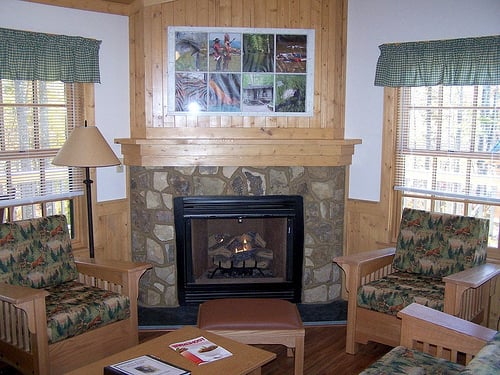
Converting a wood fireplace to a gas fireplace is usually done for environmental concerns. Because it is in its natural form and requires little processing, natural gas is considered to be the most environment-friendly fossil fuel around. Not only is the natural gas environmentally friendly, but a gas fireplace also eliminates the need for wood. Although artificial logs can be purchased, most people use wood from trees that have been cut down locally, a growing concern for environmentalists. Environmental concerns are not the only reason for converting a wood fireplace to gas, however, there are also convenience reasons.
Rather than having to take the time to get the fire started, keep it lit, and then cleaning up after, you can simply have a fire at the push of a button. When finished, turn off the gas and there is no clean up needed – much quicker and easier than a wood fireplace.
How much does it cost to convert a wood burning fireplace to gas?
The cost of converting a wood burning fireplace to gas will depend on the kind of gas fireplace you want, the expert you hire, where you live and how far away a gas line is. There are three gas fireplace options you can choose from: a gas insert, vented gas log or vent-free gas log. Before a fireplace is even converted, a gas line will first have to be installed and extended to the fireplace location. Depending on the distance and complication, this alone can cost anywhere from $200 to more than $1,200. Next, depending on the type of gas fireplace you want, a vented or vent-free gas log setup could cost anywhere from $500 to $3,000. This won’t include the gas inserts, which will add another $2,000 to $5,000 to the total. Expect to pay even more if you have a complex setup. With all of these factors in mind, the grand total, for a complete conversion, including a gas line install, can run anywhere from as little as $2,700 to more than $10,000.
The Washington Post said you should be prepared to spend $850 for a gas log kit or a vent-free gas fireplace. Granted, these prices would be for projects that don’t involve structural changes. A true gas fireplace insert, being the most expensive option, could cost about $3,000, but while it changes the look of the fireplace, it will eliminate the option of having an open fire.
| Type | Description | Average Price (not including gas line or installation) |
|---|---|---|
| Vented gas logs | Offers a realistic looking wood-fire at a budget-friendly price. They won't provide more heat and the chimney damper must be opened when being used. It will still have the same hazards as an open flame and will have the same open combustion. | $100 to $1,500 |
| Vent-free gas longs | This option is banned in some municipalities and, when compared to a wood burning fireplace, it won't create the roaring fire effect we are used to looking at. | $100 to $1,500 |
| Gas fireplace insert | This is the most appealing and most realistic fireplace option. Unlike the other two options, they are efficient and will keep by-products out of your home. | $2,000 to $4,500 |
What are the extra costs?
Before a fireplace is even converted, the chimney will need to be cleaned to ensure the fireplace is fully functional. Plus, during this sweep, the expert doing the job will be able to tell you if your setup is sustainable for a gas fireplace. The average chimney sweep can cost anywhere between $100 to $200.
Factor in annual maintenance as these inserts should be inspected to ensure they are in tip-top condition.
Tips to know:
As stated above, there are three gas fireplace inserts you can choose from: a gas insert, vented gas log or vent-free gas log. A gas insert or vent-free gas logs will create heat for a home, but due to the unburned combustion products that linger into your home, it won’t be recommended for those who suffer from allergies. Plus, it’s best to check your local state laws as some states do ban these setups. A vented gas long will the best option if you don’t care about adding heat and only want it for aesthetic purposes. A vented gas log setup will burn more gas than other types and will draw heat up the chimney.
Always check with your local government to know about restrictions, permits, fees and requirements. Some agencies may have rebates and/or incentives available for those who do convert their fireplace.
How can I save money?
If you only want the fireplace for aesthetic purposes and don’t care about the heat the fireplace generates, then it’s highly ideal you consider an electric fireplace as it can be much cheaper. An electric insert can cost as little as $500 to $1,500.
How Much Does an Epoxy Garage Floor Coating Cost?
| Need a pro near you? Get multiple quotes for free online. Get your quote now >> |
An epoxy garage floor coating is a cost-efficient way to increase the look of a concrete garage floor. Once a garage floor is coated, it will hide tire marks and any imperfections that you may have seen before. With many colors and designs to choose from, it can change your garage floor from a dull gray to something extraordinary.

How much does a garage floor coating cost?
The cost of a garage floor coating will depend on the size of the garage floor, the type of epoxy being used, the number of coats required, the contractor doing the work and the geographical location. To use a professional, plan on spending anywhere from as little as $3 to more than $10 per square foot. The typical two car garage, from what we had researched, will cost about $2,000 to $3,000. Since so many jobs will be unique, we highly consider using the free contractor quote tool at HomeAdvisor.com. Here, you simply explain your job and multiple licensed contractors can contact you with exact bids.
On MetaFilter.com, a forum member asked what it should cost, and he stated he was quoted $2,500 a two car garage that measured 550 square feet.
A do-it-yourself kit, if you were to want to do it on your own, would cost anywhere from $50 to more than $500, again, depending on the type of epoxy you want, the number of square feet the epoxy can cover, the tools included in the kid and how many coats you will need. These kits are relatively straightforward and can be found online, at your local hardware store or even paint store. These packages will come with almost all the materials needed to complete the job and detailed instructions.
Garage floor coating overview
Before your garage floor is even coated, there is usually an in-home consultation where a contractor will meet with you, explore your options and measure your floor for an estimate. Depending on the contractor you use, this in-home visit may be free, while others will charge you but apply the costs toward the job if you were to use them.
There two types of epoxy coatings owners can choose from: either a solid or water-based. A solid epoxy coating can last more than 20 years and will be able to handle high traffic and chemical exposure, whereas a water-based epoxy will act like a primer, but it won’t be as durable as a solid coating. Even though its glossy finish can protect the concrete from stains and chemicals, it will need to be reapplied a lot more than its solid counterpart.
Coatings can virtually come in any colors; however, most owners prefer to stick the popular white, gray or clear color options.
Before the epoxy coating is applied, a professional will first check for any moisture, and if any is present, the epoxy can’t be used. Depending on the size of your garage and the condition it’s in, it can take anywhere from one to as many as eight coats to see desirable results. A typical application may include the base coat, followed by a few epoxy coats and a broadcast coat that may have colored sand and/or flakes inside.
The first step involves patching, filling and leveling any troubled areas. Next, the concrete will be pressured washed and left to dry overnight. Once dry, if using a professional, a grinder or shot blaster will be sued to remove any previous coatings and to help open up the concrete surface. Next, the epoxy paint will be mixed and applied immediately, followed by sprinkling any colored flakes or substances if desired.
What are the extra costs?
In the event that your garage is not empty yet, you may need to pay the installer an extra fee for removing the contents inside your garage.
If you were to use a DIY kit, keep in mind that all of the supplies necessary to perform the job may not be included. The supplies you may need may include a brush, roller, squeegee, goggles, rubber gloves, pail and/or other items. If purchasing all of these items at once, it’s best to budget at least $100 to $200.
If you have an older coating, this may add another $0.80 to $2 per square foot to your quote.
Borders, if you wanted to add them to your flooring, can be another 20 to 30 percent more.
Custom colors, if available with some contractors, can cost more, especially if they have to special order it. Usually, there won’t be an upcharge for the materials, and the contractor, if ethical, will charge you for the shipping.
Businesses and even some homeowners often want a customized logo, this can cost another $500 to $1,000, depending on the complexity and size.
Tips to know:
A one- or two-part epoxy can be a more durable than a liquid garage floor coating.
Although it is safe to walk on the newly painted floor after 24 hours from completion, it is still not advisable for you to drive on the newly painted floor for about a week. You should also avoid putting heavy objects on the floor for at least a week.
How can I save money?
If you don’t mind getting your hands dirty, a DIY kit can be a great way to save hundreds, if not thousands of dollars. Most of your retailers will have kits put together that have just about everything you need to get started.
How Much Does Coinstar Cost?
A Coinstar machine can be used to count your spare change. With almost 20,000 Coinstar centers in the country, a Coinstar machine can easily be found in supermarkets and drugstores such as Walmart, Publix, Kroger or Meijer.

How much does Coinstar charge?
According to the official site of Coinstar, there “isn’t always” a fee for using the machine. The processing fees vary on location. In the United States, 11.9% of the total amount will be charged. So that’s $9.80 for every $100 you cash in.
In Canada, an 11.9% processing fee is charged while 8.9% processing fee is charged in the United Kingdom.
It is also stated on the official site of Coinstar that select regions in the US offer free coin counting if you convert your change to a nationally-branded gift card or eCertificate. This is a result of some retailers and financial institutions subsidizing the fee needed for the transaction. At the time of this writing, some retailers include Amazon.com, AMC Theaters, Applebee’s, Best Buy, Nike, GameStop, Lowe’s and more. To qualify, however, there will be a minimum and maximum amount, which usually starts at $5 and caps out at $500. This will depend on the retailer.
Coinstar overview
The most popular service that a Coinstar machine offers is simply turning change into cash. While you pour your change into the machine, it will count your total and no preparation work is done on your part. Once finished, a receipt will be printed out, and you can take this receipt to the cashier or customer service representative to cash it in. You can also use the receipt like a coupon while shopping at the store, and the amount will be taken off your total. This receipt must be used in the same store as the Coinstar machine.
Aside from changing coins to cash, a Coinstar machine can make donations to many different charities. More than just being a money-changing machine, it is an avenue to support the charity of your preference. In addition, the Coinstar company partners with many of the brands people love. With this option, customers can convert coins into a card or eCertificate with no fee, getting the full value for the coins at hand.
There are several Coinstar machines all over the country. If you want to look for one located in your area, you can just visit the official site of Coinstar and check out the list of Coinstar machines spread all over the country.
Tips to know:
According to Moneyistheroot.com, Coinstar has a kiosk within 5 miles of 95% of the U.S. population.
The reported largest coin exchange on record was $13,084.59. The said number is even bigger than the annual revenue of some big clothing companies in the country.
Coinstar exchanges $3 billion in coins every year.
How can I save money?
Coinstar has special offers that can help you actually get more for your coins. If you are looking forward to saving money, you can take advantage of these promos that Coinstar constantly offers. Not to mention that exclusive offers are always available for official members. Thus, you can avail of free membership in order to fully enjoy the exclusive offers.
Remember, try to get a gift card rather than cash back. This can save you up to 10%.
Instead of using a Coinstar machine, consider rolling your own change. While it may be time-consuming, you can separate the coins, roll them in the specified amounts, and turn them into your bank for cash.
There are some banks that have a coin counting machine that its members can use for free. TD Bank, for example, offers this option for its customers. Check with your bank to see if they or another branch in the area has a coin counting machine.
How Much Does a Cotton Candy Machine Cost?
Cotton candy, a form of spun sugar that is mostly air, is also referred to as candy floss or fairy floss. It is often served at carnivals or circuses, but it can also be a fun addition to parties and celebrations.
While cotton candy can be purchased pre-made in stores, there is nothing like fresh cotton candy right out of the bowl. In order to make this, you will need a specialized cotton candy machine.

How much does a cotton candy machine cost?
Cotton candy machines can commonly be found at local retailers such as Target and Sears. The price for a small machine that sits on top of the kitchen counter can be anywhere from $25 to as much as $65.
Industrial cotton candy machines, on the other hand, can retail for $260 to as much as $1,500. These are the machines that you typically see at sporting events or a carnival food stand.
CottonCandyExpress.com, a website that sells everything cotton candy, has a wide variety of machines available for purchase. Their commercial machines range anywhere from $960 to as much as $1,500. Entry level machines can retail for $500 to as much as $800. Do keep in mind that these commercial machines are going to be a lot more efficient than your on the counter kitchen machines.
The Nostalgia Electrics PCM-805 has over 195 great reviews on Amazon, and this machine, in particular, retails for $35 to $55.
Cotton candy machine overview
Cotton candy sugar packs can come in flavors that include vanilla, cherry, blue raspberry, vanilla and more. 12 ounces of sugar can generally yield around 30 servings. On average, each serving will cost around $0.20 to $0.40 to produce.
Most cotton candy machines are going to work in the same manner. Upon starting up the machine, simply pour the candy and sugar in the center of the machine. As the machine spins, the sugar will be transformed into a delicious cotton candy.
Depending on the size and purpose of the machine, it may come atop a cart with wheels. This will allow you to easily move the machine while you sell your cotton candy.
What are the extra costs?
Cotton candy sugar, also known as “sugar floss,” and cones will be needed to create the cotton candy the right way. Cotton candy sugar can be purchased separately or in packs. On average, plan on budgeting around $3 to $7 per 12-ounce container.
For those that want to sell the cotton candy, a floss tree can hang the cotton candy while you wait for it to sell.
Aside from purchasing the cones, it is best to purchase a plastic bag that can wrap around the cotton candy to keep it fresh.
For commercial grade machines, some attachments can be purchased separately such as a bubble to prevent the cotton candy from being exposed to the air.
Larger machines can often incur higher shipping prices. You may also need to hire someone to assemble and install the machine in the location of your choice.
Tips to know:
Cotton candy is naturally white in color. You can either purchase different flavors of cotton candy sugar mix or you can simply add food coloring. While this will not add flavor to the cotton candy, it will make it different colors.
For those that are on dietary restrictions, do keep in mind there are sugar-free cotton candy mixes out there that can be used.
Heavy commercial users should closely look at the volume a machine can produce. All machines are not created equally when it comes to speed.
If you are planning to use the cotton candy machine to sell the cotton candy, you could potentially earn back the money that you spent on the machine itself.
How can I save money?
If you are just going to use this machine for fun, consider getting an on the counter machine for less than $50. While the cotton candy will not be amazing and will take a longer time to make a large amount, it will get the job done. If you want a machine for events or for bulk cooking, then it would probably be wise to purchase a commercial machine.
Consider purchasing a combo kit that includes everything from the sugar to the machine. By doing so, you can save upwards of 30% depending on the retailer.
With so many brands out there, be sure to compare at least three to five different models. Do not go with the price alone, however; be sure to read the description, know of the speeds and also look at what other buyers are saying.
Look for used cotton candy machines on sites such as eBay and Craig’s List. Amazon may even have some used ones available. A cotton candy machine is one of those items that people purchase with good intentions but then never use. Therefore, most of the used machines will probably be in pretty good condition.
How Much Does a Coggins Test Cost?
A Coggins test, while foreign to the rest of us, is something of common knowledge to horse owners. Aside from the grooming, the food, and the veterinary care that owners must think about, there are some state regulations that need to be considered as well. One of these regulations is conducting a Coggins test on your horse at least once a year.
The Coggins test is done in order to determine if your horse is positive for the Equine Infectious Anemia (EIA) virus. Also known as swamp fever, EIA is a viral disease caused by blood-sucking flies. The infected horse usually acquires fever, depression, weight loss, anemia, and dependent edema. With such hazardous health risks, Coggins test must be done to horses not only to ensure their overall well-being but to eliminate the risk of spreading the virus to other horses.

How much does a horse Coggins test cost?
As the regulations for conducting Coggins test vary from one state to another, the prices for the test will vary as well. The best way to determine the price for the test is to visit your veterinarian; however, according to our research online, the costs for the Coggins test, on average, can range anywhere from $20 to $60. Higher prices may be charged in some areas with a higher cost of living. This won’t include a farm visit if your vet had to personally come to your farm to conduct the test.
For example, forum members at HorseTrailerWorld.com said they had paid anywhere from $45 and $60 for a single Coggins test.
The same price range is supported by the forum members at HorseGroomingSupplies.com. According to this forum thread, the price of a Coggins test varies according to the vet who performs the test, but the average price, according to thread, is around $25.
Horse Coggins test overview
According to EQGroup.com, the Coggins test checks for Equine Infectious Anemia (EIA) antibodies in the horse’s blood. Basically, the vet takes blood samples from the horse and tests these in a state approved laboratory. In many cases, this is their own lab inside the office; in other cases, the samples will be sent away. The test is simply done to make sure that your horse is safe for travel or to be around with other horses. In most cases, it can take up to seven days to see results.
HorseChannel.com says that the frequency of taking the test varies from the regulation of the specific state in the country. If you travel with your horse for competition or for any reason, you will probably need a new Coggins pulled each year. If you travel across state lines, you may need a new one every six months. If your horse never leaves your property, you will likely only need one every two or three years. Since regulations vary, it is always wise to consult your vet.
Factors that affect the price:
Location
As mentioned, the prices for the test differ from one state to another, just like any other service. Thus, you should know the average price for the test in your area so as not to be robbed of your money.
Veterinarian
Like any other doctors, veterinarians have their individual rate per hour or per procedure done. It is a known fact that some vets charge higher than others, especially if there’s no competition in the area.
What are the extra costs?
As a horse owner, you have the option to personally bring the horse to the vet or have the vet visit your farm. The latter is usually referred to as farm call. This is favorable if you have several horses to do the test. Farm call depends on the vet’s rate as well, but a farm call, on average can cost $20 to $70.
There are times when your vet discovers, that aside from the virus, there are other potentially harmful diseases your horse may develop. Thus, other vaccines may be needed.
A health certificate will be needed when you are traveling with your horse or for competition. This may cost around $15 to $20.
If you need the results within 24 hours, it may be done, but a rush order fee may apply.
Tips to know:
Also known as the Equine Infectious Anemia (EIA) test, the Coggins test is named as such since it was developed by Dr. Leroy Coggins of Cornell University. Although the test can also be called as EIA test, it is commonly deemed as Coggins Test.
There are three different sets of symptoms that occur in Equine Infectious Anemia: acute, chronic and the asymptomatic carrier. Acute involves fever, depression, and loss of appetite among horses; however, it is difficult to diagnose if the horse has an acute EIA since he or she will not be positive on the EIA test for about a month and a half.
Statistics says that about one-third of infected horses will die of the acute form within a month.
Some states in the country now require a negative Coggins test on a horse before he or she can be sold.
It must be noted that there is no vaccine for Equine Infectious Anemia. The test is only done to check if the horse is negative for the virus; however, no anti-virus shot will be given to your horse. The test is done to stop the spread of the disease, not to cure the infected horse.
How can I save money?
If you have a family vet, then see if you are eligible for any discounts for loyalty. If you have multiple horses, you should be able to get a break on the price per horse or perhaps get a farm call for no extra charge.
If you share the barn with other horse owners, you may want to share the vet’s call fee. This will reduce the expense slightly as the vet will have many horses to test.
How Much Do Coffee Beans Cost?
The coffee bean is not actually a bean, but the seed of the coffee plant. Even though these coffee beans are referred to as a seed, they are called “beans” because of the resemblance to a true bean definition. These beans that are brewed are actually the processed and roasted seed, also known as a coffee cherry.

How much do coffee beans cost per pound?
The price for coffee beans depends on the type of coffee bean, where it was harvested, where you plan on purchasing it and the brand. Regardless of the type, most coffee beans have a higher price than their pre-processed counterparts. According to the U.S. Department of Labor, a single bag of coffee beans can cost an average of $5 per pound. While this is an average, it isn’t uncommon to see beans for as little as $2 per pound to more than $18 per pound. Refer to our table below to see what popular coffee bean brands may cost at your local retailer. This price can vary depending on the marketing conditions.
BargainBabe.com talked about this very thing, and she stated she was surprised at the large margins, with beans ranging anywhere from as little as $2.50 per pound for a generic label to as much as $18 per pound for a fair trade coffee bean harvested from Ethiopia. In the end, according to her calculation, she was able to find out that making coffee at home, from beans, would cost about $0.28 per cup if the beans retailed for $15 per pound.
The most popular coffee beans on Amazon.com, for instance, retail for $.030 to more than $1.25 per ounce.
| Brand | Average Price (per pound) |
|---|---|
| African | $14 |
| Average Grind it Yourself | $12 |
| Brazil Coffee Beans | $12 |
| Caribou Coffee | $9 |
| Dunkin' Donuts | $8 |
| Eight O'Clock® | $7 |
| Folgers | $6 |
| Gevalia | $9 |
| Green Coffee Beans | $11 |
| Hawaiian Gold | $16 |
| Kirkland (Costco) | $40 for 2 3-pound packs |
| Maxwell House | $6 |
| Medium Roast | $15 |
| Peet's Coffee | $10 |
| Raw Coffee Beans in Ethiopia | $25 |
| Seattle's Best | $15 |
| Starbucks Caffe Verona(R) | $13 |
| Starbucks Guatemala Antigua | $14 |
| Starbucks Pike Place | $13 |
| Sumatra | $15 |
| Tim Horton's | $12 |
Coffee beans overview
Coffee beans, as explained above, are seeds of the coffee fruit. During the processing process, the fruit part will be stripped away, exposing the seed, which will be left to dry. Upon drying, these beans can then be roasted, ranging anywhere from a light to dark roast. While most coffee beans can be roasted, you can eat them raw as long as it’s in moderation. When processed, coffee beans will become diluted when mixed with water or milk; however, when eating, you will get the full concentrated effects.
What are the extra costs?
Grinders, in order to process your beans at home, can retail for $15 to $125, depending on the brand. However, a grinder isn’t necessary if you plan on grinding at the store.
Some online retailers, depending on which retailer you purchase from, may charge a shipping fee.
Tips to know:
Coffee beans, on average, can last at least six months once they are opened; however, if you place a package, sealed in an airtight container, it could last up to two years.
According to the Black Bear Micro Roastery, you will need six teaspoons, two tablespoons or 1/8 of a cup of coffee beans if you want to brew one six-ounce cup of coffee. In one pound of beans, you should be able to brew 48 six-ounce cups of coffee.
How to grind coffee beans
How can I save money?
Buying in bulk/wholesale can often save 10 to 30 percent, depending on how much you purchase at once. Usually, you won’t see savings until you purchase five to 10 pounds or more.
How Much Does a Bowflex Cost?
The Bowflex, a brand name for a series of at-home training equipment, is marketed by Nautilus, Inc., and Bowflex sells its products through its website and various retailers.

How much does a Bowflex cost?
Like any other home gym equipment, the price for Bowflex depends on the model you purchase, the condition and where it’s purchased from. The price can range anywhere from $1,000 to over $3,000. The Bowflex PR3000 Home Gym, for example, costs about $1,000 while the TreadClimber can retail for more than $3,000. The Bowflex’s top products such as the Bowflex Xtreme 2 SE and the Bowflex Revolution XP. In reference to the company’s website, the cost for these particular models can range from $1,500 and $2,500. However, there are other Bowflex products that cost considerably low. Bowflex Selecttech Dumbbells, for example, costs around $600. Refer to our table below to see what the most popular brands can cost.
WebMD says the average machine, depending on the model you choose, can cost anywhere from $650 to $2,000.
| Model | Price Range |
|---|---|
| Blaze Home Gym 340000 | $750 to $1,100 |
| MAX Trainer | $999 |
| PR1000 | $450 to $900 |
| PR3000 | $780 to $1,300 |
| Revolution Home Gym | $2,200 to $3,400 |
| Revolution XP | $2,200 to $3,000 |
| Sport | $699 to $1,500 |
| Treadclimber TC5000 | $2,200 to $3,400 |
| XTL | $1,200 to $1,500 |
| Xtreme 2SE | $1,400 to $2,400 |
| Xtreme Home Gym | $1,200 to $2,200 |
Bowflex overview
Even though the Bowflex machine was advertised on infomercials in the 1980s, you can now buy Bowflex equipment either at a local retailer, such as a sporting goods store, or online. However, shopping locally can sometimes be a disadvantage since newer models are often not available. The good thing, however, is that you can inspect the Bowflex equipment personally. You can check out the machine and visually make sure it’s something you want. Not to mention that there are no shipping costs to think about. The great thing about trying it out in person is that you can get a feel for it as well. All Bowflex machines are not created equally.
Bowflex.com states that all machines are warranted to the original purchaser. The limited warranties cover all defects in material or workmanship but do not cover commercial use or misuse by the consumer.
Depending on the model you purchase, Bowflex machines will work with one focus in mind — building muscle and gaining strength. While the machine isn’t necessarily geared toward muscle heads, it’s more for those who want to achieve and maintain a general level of fitness. The Power Rod technology uses a pulley/cable system, with resistance that will come from the flexible “rods” that extend near the machine. As you use this pulley system and perform your reps, the moves will start easy and gradually become harder as the bow tension increases, keeping the resistance steady as you workout. As you do more reps, the workout can gradually get harder.
What are the extra costs?
Setting up the equipment on your own can sometimes be rather difficult, and if you decide to hire a professional, you should be prepared to spend anywhere from $250 to $400.
If you order online, you may have to pay shipping fees, depending on the retailer you purchase from.
Accessories can be purchased for most machines such as the ab attachment, storage rack and/or resistant upgrade. Each attachment, depending on which one you purchase, can cost $100 to $200.
Tips to know:
As with other machines, maintenance and cleaning of Bowflex equipment are a must. Always keep the machine clean, especially if you sweat a lot during exercise.
How can I save money?
Consider a refurbished or used (yet still durable) model. Look at either eBay or Craigslist. Work out equipment is one of the most common things that is purchased and then used very little, so buying one that is previously owned may be almost as good as getting it new.
Exercise equipment always goes on sale around Christmas and especially New Year’s Eve. Look for special deals around this time.
The Bowflex is quite costly when compared other methods of working out. Ask yourself what you want to get out of a workout routine and see if the Bowflex works for you and your budget. If you’re on a strict budget, highly consider using free weights as there are many exercises you can replicate online without the use of a Bowflex machine.
How Much Does a Coton de Tulear Cost?
The Coton de Tulear, named after the city of Tulear in Madagascar, is known for its coat that is often compared to a cotton ball. This breed also has a prominent black nose and large expressive eyes, along with short legs that look thick with hair. This dog is a great choice for those with allergies since it has hair, not fur, and is considered to be hypoallergenic. These dogs are also loyal, fairly quiet, low key and low in maintenance.

How much does a Coton de Tulear cost?
Due to the rarity of this breed, Coton de Tulear puppies can cost anywhere from $600 to as much as $2,100. Dogs that are non-show material will be near the lower end of this estimate, while those that are show material can be well over a thousand dollars.
On PuppyFind.com, at the time of this writing, there were close to 200 active listings, with prices ranging anywhere from $700 to $2,200.
The American Coton Club says you should be prepared to spend $2,000 to $3,000, but a show-quality breed could cost upwards of $4,000. While this estimate does seem high, we didn’t find too many breeders charging more than $2,500, even for a high-quality breed. In fact, to prove our point, the official AKC Marketplace had about 50 registered and reputable AKC breeders listing their puppies for $2,000 to $2,700. The Coton De Tulera obtained official recognition by the AKC in July of 2014.
What is going to be included in the adoption fee?
A reputable breeder, at a minimum, should include registration papers, up-to-date vaccinations, a certified veterinarian exam and a health guarantee.
What are the extra costs?
Due to the fact that their coat needs to be brushed and groomed daily, it is so important that you get them professionally groomed monthly to avoid matting and any tangling. While this breed does not shed a lot, the hair does get caught in their coat. If the matting gets out of hand, you may be forced to shave it.
While the dog may intelligent, it does not mean that you can skip out on dog training classes. Be prepared to pay $75 to $150 for a complete set of training classes while the dog is younger.
Having a dog shipped via ground or the air can cost as much as $200 to $400 per trip.
Do not forget about the long-term recurring expenses such as routine vet checkups, license, food, accessories, toys, boarding and unexpected vet bills. A healthy dog can cost about $800 to $900, but it could be much more than this if your dog were to come down with a dangerous illness.
Tips to know:
The Coton de Tulear will have a cotton-like coat that can range anywhere from a medium to a longer length. Unlike most dogs, their coat is similar to human hair rather than the fur we’re accustomed to petting on a dog. The most common colors that this breed comes in includes white, black and white, tan and some tricolors.
The average Coton de Tulear can weight up to 9 to 14 pounds, and males will usually weigh two to three pounds more than their female counterparts. The average height can exceed 8 to 12 inches.
If healthy, its lifespan is anywhere from 14 to 16 years.
Its temperament, according to its owners, can be said to be affectionate, intelligent, lively, vocal and very playful.
This breed may look hairy, but when compared to other breeds, it rarely sheds.
Unlike other dogs, owners state that this type of dog does not have the typical “dog smell.”
The Caton de Tulear is known to be a very intelligent and an affectionate breed, but they are known to keep to themselves sometimes.
The Coton is well suited for apartment life, but like most dogs, it’s still recommended you take it on an occasional short walk for exercise purposes.
Common health issues found may include luxating patellas, hip dysplasia or progressive retinal atrophy. Any reputable breeders should provide an OFA certification for the hips, elbows and knees, as well as a certification for eye health.
They do get along well with other household pets and children as long as they handled with care.
How can I save money?
Consider adopting an older dog to save money at either a local shelter or rescue group. While you may not find the dog of your dreams, you may be able to find either a dog that closely resembles this dog or an older dog that needs a forever home.


