
How Much Do Maine Coon Cats Cost?
The Main Coon cat is quite different compared to your every day domesticated cats. One of the oldest breeds in the United States, this cat is native to the state of Maine. Known for its larger bone structure and body shape, the Maine Coon can be found in various colors. The cat can weigh anywhere from 10 to as much as 25 pounds.

How much does a Maine Coon cost?
Adopting a kitten can cost anywhere from $400 to as much as $900. However, for a cat that is capable of being shown at a show, the numbers can get closer to the $1,000 to $1,500 mark. A kitten with breeding rights will cost even more. The cost will all depend on the cat’s quality, its markings, color, breeder, geographical location and the inclusions. Because of this breed’s rarity, you may find many local breeders will have a waiting list.
An older cat that is older than two can cost anywhere from $100 to $300.
What is going to be included in the adoption fee?
Most breeders will include any paperwork, its first shots and a health guarantee. Spaying and neutering should be included with some breeders as well since they don’t want you breeding their line.
Some adoption agencies will include sample start-up packs, which include everything from toys to cat food. Your results may vary.
What are the extra costs?
As with any cat that is purchased, many accessories are going to be required in order to ensure that the cat lives a long, healthy life. Food, litter, toys, scratching posts, and many other things will be required. Start-up costs for a cat will usually start around $100 to $150.
Most breeders will have your kitten/cat up to date with its shots; however, this doesn’t mean the cat won’t need any other health checkups in the future. Typical vet visits are going to range anywhere from $50 to $100 for the exam alone. Annual shots and surprise vet visits all need to be factored in.
If the cat has to be shipped via an airline, this can be an additional $200 to $400. If a travel crate is required, this can be an additional $50 to $75.
Tips to know:
Common colors can include gray, silver, white, golden and black. They can come in more than 75 color combinations.
While cat declawing is an option for cats, there are many alternatives such as clippers that can be rather easy to do with a simple squeeze of the paw.
Gingivitis can be a rather big problem for cats. It’s recommended that toothpaste made for cats is purchased to make sure their teeth and gums stay healthy.
While cats don’t like baths, they can be trained to like one. Maine Coon cats tend to be rather laid back with their lifestyle. With their thicker coat, a bath may be recommended every so often to ensure that their hair stays clean.
Before choosing a breeder, always make sure you pick one that’s CFA certified. If you don’t adopt from a certified breeder, you risk the chance of adopting a cat that looks similar to one.
The average lifespan is 11 to 15 years.
As for temperament, this cat is known to be loving, gentle, independent and adaptable to most surroundings.
This breed is susceptible to the following diseases: night blindness, hip dysplasia and cardiomyopathy syndrome, a syndrome which thickens the heart’s wall.
These cats are the largest domesticated cat you can adopt.
Adapting to the winter, these cats are known for their longer and shaggy fur coat. They also have furry and bushy tails which protect them from the cold.
These cats actually don’t meow, but “chirp” instead.
Maine coon cat size comparison
Taken from Reddit, take a look at how large a Maine Coon’s paw is when compared to a normal cat.

Questions to ask your breeder
Do you show your cats? If so, how often?
Is your cattery registered?
Are there any health problems you’re aware of?
When will I be able to take the kitten home?
Is the kitten registered?
Do I receive a written health guarantee?
Am I able to show the cat in the future?
Am I able to breed?
Have they visited the vet? If so, what has been performed?
How can I save money?
Many adoption agencies have Maine Coon cats that need a good home. Adopting from these centers can help you save a good amount of money and help a good cause at the same time.
Compare pricing in your local area. PetFinder can help you find a cat that suits your needs. By purchasing one locally, it not only gives you the opportunity to look at the cat and avoid potential shipping fees.
Unless adopting an older cat, be wary of breeders who are offering their cats for less than $400.
How Much Does a Laminectomy Cost?
A laminectomy is a surgical procedure that helps relieve back pain. During this procedure, the doctor will remove the lamina bone along the spinal column to help with the symptoms of spinal stenosis. This condition can often compress the spinal nerves, causing a lot of wear and tear on the spine. This surgery can either be performed due to the patient’s age or because of a stressful accident which happened in the past.
How much does a laminectomy cost?
On average, invasive surgery will vary anywhere from $15,000 to $75,000+ without insurance. The price will depend on the type of surgery (invasive or non-invasive) and the surgeon performing the procedure. Minimally invasive surgery can often be done at a local spine center for significantly less — around $15,000 — than an advanced surgery in a hospital. If the hospital room and operating fees can be bypassed, you should be able to see significant savings. Invasive surgery will often need an overnight stay in the hospital and can be much more expensive.
With insurance, it will be up to your plan if they are able to cover this procedure or not. Always consult with your insurance company before getting the surgery as you will find that some companies may not cover the surgery itself. With insurance, expect to pay the deductibles and necessary co-pays.
A member on the Spine-health.com forum shared her bill and said she was charged $5,500 from the surgeon and $24,000 from the hospital.
Laminectomy overview
There are various types of laminectomy surgeries. Some are going to be invasive, while others will require a slight incision. An open laminectomy will require a larger incision to gain access, while a minimally invasive laminectomy will require a much smaller incision, allowing the surgeon to move or push aside soft tissue.
Before the surgery even begins, your pulse, breathing, temperature and blood pressure will be checked to make sure you can go under the anesthesia.
During the procedure, a smaller incision will be made to access the lamina. The muscles and soft tissue around the lamina will be cut or torn in order to gain access. Once the surgeon is able to gain access, he or she will remove a portion of the lamina to offer more room to the vertebral disc. This surgery will be performed in the back’s lumbar area. With an invasive procedure, the average stay will be two to three days, but it can vary. The procedure could take three to five hours.
Aftercare should involve taking medication, wearing a back brace and resting for up to two weeks. After these two weeks are up, you will need to avoid any activities that strain the spine such as heavy lifting. Doctors may also advise you from wearing high heel shoes or sleeping on a firm mattress. Doctors advise you should plan on taking two to three weeks off work.
What are the extra costs?
A number of tests will be required before the procedure such as an x-ray and/or electrocardiogram.
Hospital costs, such as operating room expenses and the hospital fees, will be added to the cost of the surgery. Most hospital stays are going to vary anywhere from $500 to $1,500 per day. A 3-day stay in the hospital can cost more than $4,000.
This surgery will require that you go under local anesthesia. Anesthesia is going to cost anywhere from $1,000 to $3,500 depending on the severity of the situation.
Surgeon fees will be a separate bill as well.
Other charges may apply such as lab and radiology fees.
Medication will more than likely be prescribed after the surgery. Pain medication can start at $5 with insurance and will rise from there.
Tips to know:
If possible, try to find a patient that has had this surgery done before. Be sure to ask them how they have healed as well as what they thought about the investment into the surgery. Many of these patients can be found online.
Complications may include bleeding, infection, pain, scarring, heart attack or stroke.
Lumbar laminectomy video
How can I save money?
Ensure that you need the surgery. Many insurance companies may not cover the surgery since it may not be deemed medically necessary. To make sure that you need it, be sure to consult with at least two to three doctors to get their opinions.
There are alternatives to surgery which can be helpful in alleviating back pain. A physical therapist may be more than willing to help you with exercises that can improve your back pain. The average physical therapy session can cost $100 to $200 without insurance.
Without insurance, many hospitals allow negotiation of the final bill. Having the cash on hand can lower your bill by 60%.
How Much Does a Violin Bow Cost?
One expense of playing the violin is replacing or even buying a bow for the first time. A bow should be replaced about once a year, depending on how often you play.

How much does a violin bow cost?
On average, a violin bow can cost as little as $10 to as much as $150 or more. It’s also not uncommon to see professionals spend $300 to $550. The cost will depend on the brand, quality, type and where it’s purchased from. If you’re a serious player, experts will recommend taking 30 percent of your violin price to determine how much you spend on a bow.
A fiberglass bow could cost $20 to $55, while a Brazilwood bow could cost $50 to $250. A Pernambuco tends to be the most expensive type and cost $500+
For example, this full-sized 4/4 Pernambuco Nickel/Silver violin bow retails for $35 to $80. This particular brand is nickel/silver mounted and is fully lined. It’s also made of a pernambuco wood made with Mongolian horsehair.
Violin bow overview
The most important components of the bow are the stick, the head, and the frog and button. The stick is what the violinist will actually hold on to, and the frog is what holds the end of the hair. The button places the correct amount of tension on the hair, and the head is what holds the hair in the bow. All of these components should be masterfully combined in order to offer the best sound quality.
There are a variety of bows available on the market, from those made from synthetic materials like fiberglass to wood such as a Brazilwood or Pernambuco. Fiberglass will be the cheapest option and can be found with most student violins. Brazilwood will be made from a tropical hardwood and can also be seen with beginner and intermediate players. Pernambuco is known as a heavy wood that comes from Brazil and is noted for its strength elasticity and responsiveness. These bows are known to be the best but also the most expensive type due to its rarity. Carbon fiber is another material that’s relatively new to the market. This material is sturdy and can react very little to temperature changes.
The shaft of the bow will come in two shapes: octagonal and round. Round will tend to be the most popular on the market, but many players prefer the octagonal type due to its stiffness and flexibility.
Reputable companies should include some sort of warranty that covers defects. These warranties, however, won’t cover replacement of the hair.
What are the extra costs?
If you want to buy the hair on its own, but you don;t know how to replace it on your bow, you may need to visit a local music studio or professional to help you. Most will probably charge $20 to $40 to re-hair it.
Rosin will be necessary to make sure there isn’t a scratchy sound coming from the bow. Rosin will usually cost anywhere from $5 to $20.
Tips to know:
Each bow is going to have its own “sweet spot.” If you have a harder time finding this spot, talk to a professional to have them help you find it.
Don’t tighten your bow hair too tight as you want to keep it slightly loose. When you over tighten a bow, it may leave too much tension, causing the tone to slightly be off.
Don’t apply too much rosin on your bow. If too much rosin is applied, the sound can be thrown off. If too little is applied, a scratchy sound can be heard.
Even with the proper amount of rosin and having the bow strings tightened, the sound can still be off due to the grip. If you’re having a hard time getting the right sound, it may be best to meet with a professional violinist.
Yes, the bow does matter. Feinviolins.com has some interesting videos comparing bows on the market showing you how each one sounds. They not it’s not because of the different fittings but it’s due to the quality of the wood. A good bow should be made from a quality wood such as Pernambuco.
Before purchasing, visually check the bow to make sure it’s straight from end to end. If it’s curved, the shaft may hit the strings.
Also, test the strength of the bow by pulling your violin across the strings with slight pressure. While doing so, pay attention to the shaft to see if it comes in contact with the strings.
Top brands to consider:
- Codabow
- Glaesel
- Glasser
- Incredibow
- Yamaha
How can I save money?
If you are just learning how to play the violin, buy a cheaper bow until you know for sure if you are going to stick with it.
Inspect the bow in person before committing to one. You will find many music studios will allow you to play it before purchasing it. Some may even allow you to bring them home for a few days.
Buying just the hair is cheaper than buying an entirely new bow. See online tutorials on how you can replace the bow hair.
How Much Do Violin Strings Cost?
Part of the regular maintenance of owning and playing the violin is restringing it.
It is suggested students change their strings every year, while professionals who play more often should do it every six months. Strings should also be changed if they start to sound dull or if they start to fray.

How much do violin strings cost?
A set of violin string can cost anywhere from $10 to $40, and this all depends on the quality, gauge, and manufacturer. A good quality set should be within the $15 to $35 range.
Luis Claudio Manfio on Violinist.com recommends dominants with a Jargar or Larsen E are a good choice and should cost about $50.
For example, strings made by D’Addario Helicore can be retail for about $30, while strings made by Pirastro Evah can cost up to $70.
The JSI Special 4/4 Violin String Set, made of a medium gauge, can retail for $49 to $80.
Guitar Center, for example, sells a range of strings for $5 to as much as $35.
| Type | Price Range |
|---|---|
| Dominants | $40 to $60 |
| Evah Pirazzi | $60 to $80 |
| Helicore | $35 to $50 |
| Prelude | $15 to $25 |
| Pro' Arte | $30 to $40 |
| Tonica | $40 to $55 |
| Violino | $45 to $55 |
| Z'yex | $35 to $45 |
Violin strings overview
In addition to the strings, instructions for restringing will usually be included. If not, check out online tutorials or youtube.com to learn how to restring a violin.
Most strings are made of a solid steel core and are going to have a particular playing length, scaled to fit a certain size violin.
Most violins will have four strings; however, some may have as many as seven. If it does have these additional three, it will be typically used in a lower pitch than a G-string.
What are the violin strings made of?
Metal
Metal strings tend to be the most common choice and will be known to produce a full sound when played properly. Also known as steel core strings, you will find most folk and jazz musicians using these.
Gut
Gut strings were created with sheep intestine and then wrapped with a silver or copper wire. While not used commonly today, some classical players prefer these strings because of the warm tone it offers. The downfall, however, is these type of strings may change with rising humidity levels and will need to be changed more than usual.
Synthetic
Synthetic strings will be made from a nylon and will be primarily used by beginners. Not requiring much upkeep, these strings can produce sounds similar to the gut strings.
What are the extra costs?
If you are not confident in restringing the violin yourself, a professional music studio might be able to do it for you for $20 to $40. If you are taking lessons, your teacher may offer to do it free of charge.
Tips to know:
You’re going to get what you pay for if you’re going to consider purchasing cheaper strings. Invest in a string package that isn’t on the lower end in terms of pricing. With cheaper strings, many find they break easier and sound out of tune.
If you currently have a teacher assisting you with violin lessons, ask for a recommendation in terms of brands. There is a good chance this teacher has been working with strings for many years now.
To know what kind of strings you need, pay close attention to the silk windings at the peg ends. Most strings are going to be produced with a ball end, which means the end will slip down through the appropriate hole in the tailpiece. It’s crucial to pick out the right size to ensure the sound is up to par.
Some experts recommend dominant strings for advanced players. These strings prove balanced sounds that can combine most sound characteristics. For beginners, however, most music teachers will recommend a budget set and will recommend advanced strings when they feel the time is right.
If you’re unsure which strings you should buy, some music studios have testers for you to try.
Violin string names? Lowest to highest – G, D, A, E.
How to string a violin
Top brands to consider:
- D’Addario
- Pirastro
- Super Sensitive
- Thomastik
How can I save money?
One way to save money is to buy your strings in bulk. Multi-packs are generally cheaper per set of strings than individual sets.
Check with various retailers online as many will offer discounted rates as well as offer clearance prices on brands that are overstocked and/or outdated.
It may not be necessary to replace each and every string at one time. Instead, one string may only have to be replaced. Some brands may color code the strings to show you what note it is, making it very easy for a beginner to know which one needs to be replaced.
How Much Does Dale Carnegie Training Cost?
Dale Carnegie Training® was founded in 1912, and since then, it has evolved from one man’s faith in the power of self-improvement to a performance-based training company with offices worldwide. Dale Carnegie Training highlights its useful values and methods by formulating courses that provide people the awareness, abilities, and means they must acquire to increase the value of their business. This training focuses on offering people in business the chance to hone their skills and improve their performance.
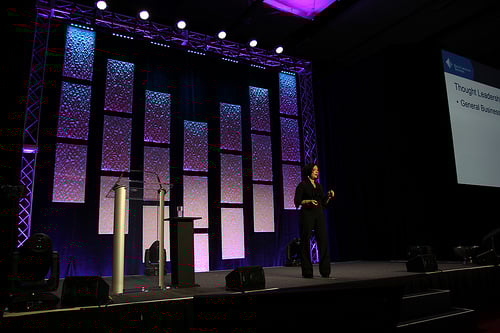
How much Dale Carnegie training cost?
Courses can range anywhere from $100 to $2,000 depending on the course you choose. Refer to the table below for some courses and the average price.
According to DaleCarnegie.com, classes can start at as little as $180 and be as much as $2,000. For example, the class called “Executive Leadership” retails for $1,382.90, while a class such as the “How to Cold Call and Build New Customers” retails for $180.
| Type | Price Range |
|---|---|
| Adjust to Change | $199 |
| Advanced Dale Carnegie Course: Skills for Team Success | $1,895 |
| Attitudes for Service | $299 |
| Build a High Performing Virtual Team | $99 |
| Coaching for Improved Performance | $199 |
| Critical Thinking: Tools for Effective Action | $299 |
| Cross and Up Selling | $299 |
| Dale Carnegie Course | $1,500 |
| Disagree Agreeably | $99 |
| Generation.Next | $523 |
| Getting Results Without Authority | $99 |
| Goal Setting and Accountability | $199 |
| High Impact Presentations | $1,995 |
| How to Cold Call and Build New Customers | $299 |
| How to Communicate with Diplomacy and Tact | $1,795 |
| How to Win Friends and Influence Business People - Live Online | $1,695 |
| Lead Change Effectively | $199 |
| Leadership Training For Managers | $1,995 |
| Leading Across Generations | $199 |
| Managing Workplace Stress | $299 |
| Marshall Goldsmith - What Got You Here Won't Get You There | $499 |
| Negotiations: A Human Relations Approach | $199 |
| Performance Reviews That Motivate | $99 |
| Public Speaking Mastery | $1,795 |
| Sales Advantage | $2,095 |
| Secrets of Motivation | $199 |
| Step Up to Leadership | $499 |
| Strictly Business: The Dale Carnegie Immersion Seminar | $1,895 |
| Successful Public Speaking | $299 |
| Trusted Advisor Boot Camp | $1,695 |
NOTE: These prices can be higher or lower depending on your geographical location.
Dale Carnegie training overview
Topics include leadership development, presentation effectiveness, sales effectiveness and personal effectiveness. Each topic will have its own core sessions which will cover a variety of topics, similar to a college course. Before signing up for a course, the official website will recommend who should attend and what each module will cover.
Classes can be broken down into four parts: as a webinar, workshop, seminar or as a blended setting. A webinar is often one hour long and will be a fast-paced course allowing you to interact with each other in real time. A workshop will be up to three hours long and will be designed to help develop your skills. These courses will be taught by an experienced coach and you will receive valuable feedback from your peers. Seminars can be up to six sessions long and will dive deeper into the skill being taught. Lastly, blended courses can involve both online and in-person experiences. These courses tend to be the most flexible.
They have more than 166 offices in 80 countries and each one is locally operated. According to CBS News, everyone speaks — sometimes at the same time — while taking a course.
Depending on the course, some can last as little as one hour while others can be as long as 12 weeks.
The full course will include the classes, the syllabus, and the guides to successfully complete. Once you complete the program, you will receive a certificate of completion.
Training materials throughout the course will also be covered.
What are the extra costs?
Dale Carnegie books are available for purchase in bookstores and over the internet.
You can buy Dale Carnegie CDs for the convenience of learning the courses at home.
For immediate studying purposes, Dale Carnegie MP3s can be found and downloaded online. Support product packages can cost extra as well depending on what coursework is purchased.
To have an on-site consultant come to your company or place of work, additional fees can apply on top of the lessons.
Tips to know
Most courses may qualify for Continuing Education Units (CEUs) and Education Credits.
If attending an event in person, they ask you to dress in business casual.
How can I save money?
Many companies offer Tuition Assistance Programs (TAP) for active employees. To find out if your company’s TAP program covers your enrollment in Dale Carnegie courses, you can contact your nearest Dale Carnegie office by filling out a form on the official website.
See if any promotions are available. For example, at the time of this writing, you could receive a full year of on-demand access for free.
Free sessions are available on the website but keep in mind these are considered samples of what you would get in a paid course.
Payment installation plans are available for those who can’t afford the full payment up front.
Group discounts are available.
How Much Does an Echocardiogram for a Dog Cost?
An echocardiogram is an ultrasound of the heart and, a canine echocardiogram is an ultrasound procedure designed solely for dogs. It is the most helpful test for assessing a heart murmur.
With this ultrasound, a veterinarian is able to visualize the activity within a dog’s heart in its chambers and in the valves. This test can either discard or validate a diagnosis of various illnesses. More so, it can test the amount of leakage and the gravity of the defect if detected.
While many larger veterinary hospitals have their own ultrasound equipment, secondary practices do not. Veterinary specialists, with conveniently transportable ultrasound equipment, go to different clinics on a fixed timetable to perform this procedure, so if your vet’s office offers it, it may be available during certain days of the month.out the study.
How much does an echocardiogram for a dog cost?
On average, expect to pay anywhere from $250 to $800 depending on the size of the dog and where it’s being done. Some vet clinics may charge an office examination fee on top of this, adding another $50 to $100 to this price range.
Hezi Aris on the Yonkers Tribune noted a colleague had paid $800 for their dog’s echocardiogram and an additional abdominal sonogram.
Echocardiogram for a dog overview
During the procedure, the hair of the dog’s chest will more than likely be clipped. Once clipped, the dog will be placed on their side so the vet can have easy access to the heart. A conductive gel will then be placed on a probe that is then attached to the ultrasound equipment. Waves will be transmitted from the probe to the machine as the examiner moves the probe between the ribs, allowing the vet to get a clear image of the heart in 3D.
The results will allow the examiner to evaluate the function and entire structure of the heart. This test can help detect birth defects, diseases, tumors and even fluid around the heart.
This procedure will take 30 to 60 minutes to complete.
The canine cardiac ultrasound, the results, analysis and any final diagnosis should all be included in the price estimate mentioned above.
What are the extra costs?
In most cases, if a dog is even-tempered and agreeable, the ultrasound will be done without having to administer sedation or anesthesia. But if the dog needs to be sedated, additional fees may apply.
Emergency-based tests could increase the costs by more than three times the amount. As mentioned above, your local vet will only be able to perform this test a few times a month if they don’t have the appropriate equipment.
Tips to know
Consult with your vet to find out if the dog has to fast before the process. Most clinics will give you a paper to take home to help you prepare.
Any growths discovered by the ultrasound test are subject to surgical extraction to check for malignancy. In this case, you will have to pay extra for the extraction.
The process isn’t painful and usually won’t require any medication after the test was performed.
An echocardiogram can’t be used to analyze the lungs.
How can I save money?
Contact several local veterinarians nearby and ask about their charges and fees. Most should be able to offer a simple estimate over the phone.
How Much Does Laminating Cost?
Lamination is the process when two or more layers combine together to create a “protective” shield. People generally laminate items such as important paper, calendars, ID badges and more.

How much does laminating cost?
If you want to get something laminated at a retailer, such as Office Depot or FedEx Office, they are going to charge anywhere from $1 to $3 for a simple 8-by-10-inches to as much as $2 to $3 per square feet for a larger project. The cost will depend on the retailer you choose, the thickness of the paper, the size of the project and the finish you want.
An 8×10 photo, for example, will cost anywhere from $6 to $10 to laminate professionally. A 24×24 piece of paper, on the other hand, can cost anywhere from $12 to $24. For a bigger project, such as something that measures 48×60, can cost $55 to $90.
According to one forum member on atozteacherstuff.com, she paid $0.25 per foot at a local teacher supply store.
Those who want to purchase a laminator for home use will pay anywhere from $25 to as much as $500 for a professional machine.
The Scotch Laminator, for example, will cost between $30 and $90. The Fellowes Saturn SL 125, which is built for both the home and office, will cost anywhere from $160 to $200. The Fellowes Venus 125 can cost anywhere from $195 to $300.
| Retailer | Cost (per standard 8x10 sheet) |
|---|---|
| Fedex Kinkos Laminating Cost | $3 per square foot ($2.55 for members) |
| Lakeshore Laminating Cost | $0.29 per linear foot |
| Mardels Laminating Cost | $0.25 per foot |
| OfficeMax Laminating Cost | $1 to $2 per |
| Staples Laminating Cost | $1.89 for 5 mil $2.29 for 7 mil $2.49 for 10 mil $2 per square foot for anything larger |
| UPS Store Laminating Cost | $1.50 for a business card $1.95 for 8.5 x 11 $4.55 for 12 x 18 |
Here’s another pricing example from a print company in Florida called LaminationStation.com:

Laminating overview
Each laminate job can have its own type of finish. These finishes will include a luster, glossy, matte or thermal. Each quality will vary in pricing. Luster is going to be on the lower end while a thermal finish will be on the higher end.
Each job will have its own thickness, which can be either 1.2, 1.5, 1.7, 3, 5, 7 or 10 mil. Thicker sheets are recommended for something that may hung from a wall, while thinner sheets may be ideal for passes, badges and business cards.
Edge options may include flush cut, varied margin, edge sealed, round corners and square corners.
For smaller items, most retailers will allow you to do it on your own; however, anything larger may require the staff to perform the job for you.
Common items laminated may include menus, posters, charts, name tags, maps, books, signs, wipe-off surfaces, rolodex cards and business cards.
Some lamination machines purchased for your own use may come included with a starter kit, which can include some paper to get you started.
What are the extra costs?
If you want to purchase the machine for your own personal use, roll film or pouches are going to be required in order to use the machine. This paper will start at $10.
A matte or gloss finish can double or triple the costs mentioned above.
Some services may be able to offer premium services such as heat folding (0.25 each~), hole drilling ($0.05 each~), binding ($3 per book~), eyeletting ($0.75 each~) and easel attaching ($0.75 each~).
Larger jobs may have a setup fee with some companies. This can be about $10 to $20.
How can I save money?
Consider purchasing a laminator used. By doing this, it can knock 30-50% off the cost. Only consider purchasing used if you’re going to do a lot of laminating. If not, you may want to just head to a local office supply store to have the job done for you.
For those who work in an education environment, many schools have laminating machines the faculty can use. Talk with your school to see if there are machines available that you can use at no cost. Students should also talk with their college as many libraries have laminating machines available for a low cost.
Look for specials and promotions at local copy centers. For example, one year, Office Max gave out free lamination jobs to test their service out. There are also many coupons available you can use as well. Keep in mind that the print centers at most office supply stores are the biggest money maker.
With office supply stores, consider signing up for the store card that offers discounts. These cards are usually free to sign up for and can offer many discounts.
Check with a teacher supply store near you. Some stores may charge as little as $0.25 to $0.50 per foot.
In laminating in bulk, discounts may be available.
How Much Do Karelian Bear Dogs Cost?
The Karelian Bear Dog is a dog that is native to Finland and is known to hunt just about any animal. This dog can stand anywhere from 19 to 24 inches tall and can weigh more than 50 pounds. The cost of this dog is going to vary depending on the breeder, the location, and other various factors.
How much do Karelian bear dogs cost?
Finding a breeder for this type of dog can be somewhat difficult. Since many of these dogs have to be imported from countries, such as Poland and Finland, the prices are going to be higher than other dog breeds. On average, expect to spend anywhere from $1,000 to $2,500 for an AKC registered dog. This price range can get you a puppy about six to 12 weeks old.
What is going to be included in the adoption fee?
Most breeders will include its first set of shots, medical papers, de-worming, AKC registration paperwork and a health guarantee. Most legitimate breeders will also include photographs of the parents.
What are the extra costs?
Since many dogs are going to be outside of your hometown, you may find that you’re going to have to travel to a foreign country such as Canada or Finland. You’re going to want to factor in the airline ticket fees as well as lodging expenses. Keep in mind that if you’re going to fly back, crating fees are going to be added in order to fly your dog back to your homeland. While travel isn’t necessary, some breeders can ship the dog as well, and this can cost upwards of $200 to $400 on most major airlines; it will all depend on how far the dog has to travel. If a travel crate is considered a separate purchase, this can be an additional $75.
Some breeders will include health paperwork as well as shots. If the initial shots aren’t included, these will be necessary to ensure that your dog remains healthy.
If reserving a puppy online, most breeders will ask for a non-refundable deposit. This is going to be around $100 to $200. Before placing the deposit, make sure that you are committed to purchasing the dog as many breeders won’t give the money back.
While shedding is minimal, you will still want to plan a grooming session at least every month or so.
Some breeders may spay or neuter their pups; however, some won’t. If you want this procedure performed, it can be an additional $200 or so.
Tips to know:
This dog originated in Finland and has been accepted by the AKC Foundation Stock Service.
On average, it can grow 19 to 24 inches tall and will weigh up to 50 pounds, with the average breed weighing about 45.
Its coat is known to be short, stiff and straight, but the undercoat will be bit fluffier.
As for its temperament, it is filled with energy, is robust and is brave, willing to take on anything that comes its way. It’s also known to be independent, cautious and very territorial.
These types of dogs can be rather aggressive toward children and smaller animals. While every dog will vary, be certain to ask the breeder what kind of temperament this dog has.
It’s best to adopt a younger puppy so you can have it adapt to your household surroundings. This is highly recommended for those with animals and children.
These dogs are known to be a medium-sized dog that has a great devotion to their master.
Known for its high energy level, make sure this breed gets at least 45 to 60 minutes of exercise every day. If it doesn’t get enough exercise, it may become destructive, destroying a small backyard or even furniture inside.
The average lifespan is 10 to 13 years.
How can I save money?
If you’re willing to travel or even have the dog shipped to you, it’s best to talk with at least three breeders. Remember that you don’t want to focus on the price tag, but rather, focus on the breeder’s reputation.
How Much Do Karate Lessons For Kids Cost?
For children, typical karate lessons may include Kung Fun, Judo, Aikido or Tae Kwon Do. The cost of these karate lessons for children will depend on the number of classes, the instructor/school you choose and your geographical location.

How much do karate lessons for kids cost?
On average, a class that has around eight to 20 kids can cost $40 to more than $250 per month. The typical karate classes will last anywhere from 45 minutes to two hours.
A private instructor may charge anywhere from $25 to $100 per hour, depending on his or her skills, schedule, and demand.
Forum members on FertileThoughts.com said they paid anywhere from $500 for four months worth of lessons to as little as $35 for a 45-minute session one time per week.
Karate lessons for kids overview
Since most lessons are conducted with a group of children, there is usually no one-on-one time. Instead, the instructor will teach basic moves, fundamentals and teaching discipline. Each class will focus on your child’s skill level, so each kid in the class will be on the same skillset.
Typical sessions will be once per week and will last 45 minutes to an hour. Some plans can be unlimited.
Some classes/schools may include uniforms or educational material; however, this is quite rare.
What are the extra costs?
A one-time registration fee around $25 to $55 may apply.
With karate lessons, there are many extra costs you need to be prepared for. Generally, the uniforms, shoes, the belts, and additional equipment, such as nunchucks, won’t be included in the tuition price. Uniforms can be $25 to $55, while the additional gear can cost $60 to $95, depending on what’s purchased.
Some instructors may require your child purchases additional reading material and DVDs. These are educational materials that will help your child better understand the fundamentals.
To promote to another level, a test by a local dojo will be required. These testing fees, depending on this dojo, can be as high as $250.
Tips to know:
Your child will never be too young to sign up for karate classes. If you’re second guessing signing your child up, be sure to talk with a local instructor to see what they can do for them.
To get the most bang for your buck, many experts will recommend you stay away from the chain schools. Locally owned karate schools are going to have a more personable experience that doesn’t have to abide by corporate rules.
Visit the school before you sign your child up. It’s a good idea to see how they run their class as well as what kind of morals they have. It’s best to show up without letting the owners know to ensure that you can catch them in the act of teaching, rather than be prepared.
If you feel that you’re in a high pressured sales act, it’s best to walk away. A true dojo won’t pressure his/her new students to sign up.
Lessons are a great way to boost your child’s self-confidence as it can encourage your child to discover what he or she may be able to do.
These lessons can introduce your child to other kids in the area who are passionate about the same thing.
Karate lessons for kids are also a great way to help your child learn more about themselves. It can introduce them to breathing techniques and even meditation.
How can I save money?
Your best bet is to consider going to a school that isn’t chain related or specialized in karate. Most recreational classes, such as those offered by the YMCA, are going to cost considerably less.
Be sure to compare at least three to five different schools before signing a contract. It’s essential to read the terms and conditions to ensure that you know what you’re signing. Some schools may offer a free introductory class so your child is able to test the waters before committing.
Consider purchasing used equipment and uniforms since some children don’t like the first week of class, and may quit early. eBay is a great place to start to find cheaper uniforms.
How Much Does a Racquetball Court Cost?
If you’re interested in building a racquetball court, you may have two options: you can either hire a contractor or there could be a turnkey option which allows you to install the court yourself.

How much does a racquetball court cost?
- An exact estimate for a racquetball court can be so hard since so many factors come into play. Will the court be indoors or outdoors? If indoors, you have to consider the walls, flooring, glass walls, doors, lighting and accessories. Researching online, it’s safe to say you should budget at least $30 to $40 per square foot for a simple court made of concrete with a steel frame.
- Using a home-based court, here’s what the process would more than likely look like: the land, if necessary, would have to be cleared so the foundation could be set. Once the foundation is set, about 800 to 1,000 square feet of concrete would be laid to create the floor. From there, depending on the wall height, another 2,500 square feet would be needed to form the concrete wall, bringing the total square footage to about 3,500 square feet. Using the numbers above, your court could cost close to $100,000. This wouldn’t include any fencing, painting or speaker is needed. With so many customizations, the prices can be all over the place.
- thediydentist.blogspot.com has a wonderful showcase of his racquetball court. He stated he spent hours of his life, but in the end, the total project cost him $2,000. This included salvage blocks, concrete, rebar and topping material. Remember, this is the DIY route, and if he were to price his time
Racquetball court overview
- The estimated costs mentioned above for installing the racquetball court will only include the standard dimension of the court and the court floor. The floor materials will vary depending on your choice, but the most common materials can include siding, brick and metal-based siding.
- Common options may include a short three-wall, long three-wall or a short/full-back four-wall. Racquetball court dimensions should be 20’ wide x 20’ high x 40’ long.
- Players commonly prefer concrete courts with panel and glass backs.
What are the extra costs?
- Before the project begins, you will have to factor in fees such as the architecture and the contractor fees. These fees alone can be 25 percent of your project costs.
- The more walls you add, the higher the costs may be. The same can be said with the wall height.
- Common accessories added to courts include lights for nighttime play and speakers.
- Indoor court fees will be much different than an outdoor court. For instance, indoor courts will often span two floors and will require glass wall panels and special flooring such as maple. Indoor courts will also need steel galvanized studs and ceiling joists to prevent them from rotting.
How can I save money?
- Talk with at least three contractors before choosing one. Try to get as many references as possible, and also try to read as many reviews. Comparison websites, such as HomeAdvisor.com, can help you get multiple quotes in your area for free.
- If you have the skills, consider turnkey companies. These companies will provide you with all the materials and blueprints necessary.
- As you can see above, if you have the skills to do the job on your own, highly consider being the project manager or trying perform some of the jobs on your own.


