
How Much Does Alternator Repair Cost?
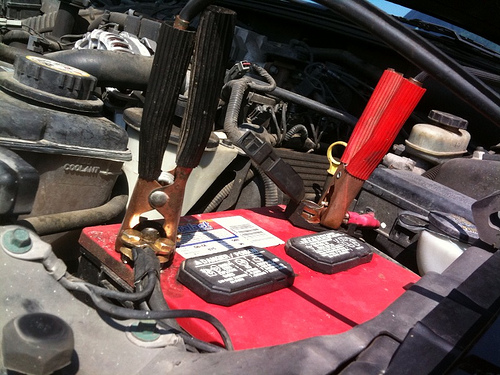
The car alternator is used to charge the battery and power the electrical system while the car is running. When you use any electrical component, such as your lights or radio, inside your car, it’s the alternator recharging the battery as it loses power to power these parts, effectively replenishing the lost power. If the alternator isn’t working according to plan, then the car will only stay running for as long as the battery has power. Once the battery loses its power and isn’t restored, then the car won’t start. In most cars, a malfunctioning alternator will turn on a battery warning light or have a low voltage gauge reading.
How much does it cost to replace an alternator?
The price of repairing an alternator will depend on the car you drive, the type of alternator (remanufactured or new) and the auto shop you take it to. Most repairs, according to our research, will be in the $275 to $570 range. We researched some of the most popular makes and models and included the quotes we had received inside our table below.
Parts, without any professional assistance, can cost $75 to $350, again, depending on the car’s make and model. Since some cars can take longer in terms of a professional repair, the labor costs will often be the number one factor. At Auto Zone, for example, they list close to 3,500+ alternators on its website, with prices ranging from as little as $80 to more than $350.
At AutoGuru.com, according to their table, the costs ranged anywhere from $375 to more than $990.
| Make and Model | Average (with labor) |
|---|---|
| Chevy Silverado | $300 to $500 |
| Chevy Suburban | $280 to $500 |
| Dodge Caravan | $325 |
| Dodge Sprinter | $275 |
| Ford Escape | $250 to $400 |
| Ford Focus | $250 to $400 |
| Ford Fusion | $325 to $475 |
| Honda Accord | $230 to $450 |
| Honda Odyssey | $375 to $550 |
| Hyundai Elantra | $225 to $350 |
| Jeep Wrangler | $350 |
| Mercedes Benz E350 | $250 |
| Nissan Altima | $300 to $450 |
| Nissan Quest | $250 to $375 |
| Toyota Camry | $275 to $450 |
| Toyota Corolla | $200 to $500 |
| Toyota Sienna | $275 to $510 |
Alternator overview
Before a mechanic works on your car and assumes it’s the alternator, they will first check the entire charging system, including the battery cables for any corrosion and the condition of the battery. Next, if the alternator is considered to be the problem, then he or she will test the output.
When replacing the alternator, the mechanic will first remove the battery to prevent an electric shock. After, the drive belts will be removed from the alternator, along with any electrical connectors, along with several bolts. Once the bolts are removed, the alternator can be freed from the brackets and can be removed. The replacement will be done in reverse order, and the car will be tested with their “starting and charging” system to make sure the battery can hold a charge. Depending on the car you drive, the average job will take two to four hours to complete.
What are the extra costs?
Since the serpentine belt will be removed from the alternator during the repair, some mechanics will recommend replacing it at the same time, especially if the belt is worn. Also, if at the time, the battery cables look corroded or damaged, then the mechanic will want to replace these as well.
Tips to know:
Common signs of a bad alternator include a dead battery, a battery that won’t hold a charge even with a jump start, dimming headlights when starting the car and/or a battery warning light illuminated on your dashboard.
RepairPal.com says alternator failure is fairly common with cars that have 100,000 to 150,000 miles without any incidents. Also, aftermarket electrical components and harsh driving conditions may decrease the lifespan.
Is it the battery or alternator? To tell if the alternator is the problem, take note of the interior lights when running the car. If the dashboard dim, then it likely means the alternator is at fault. The same can be said about the headlights. If your lights run brighter as you accelerate, it could mean the alternator isn’t doing its job. Lastly, listen for a “growling” sound before starting your vehicle. If you hear this noise, with the smell of burning rubber, it can often be the signs of a bad alternator. Listen to this bad alternator sound to see what we are referring to.
How can I save money?
A remanufactured or rebuilt one, if available from a local mechanic, can cost 20 to 40 percent less. Even though it will be remanufactured, some can come with a limited warranty for up to three years. A remanufactured alternator will usually have new internal parts surrounded by a new casing, while a rebuilt alternator will be an alternator that failed but has been replaced with new parts that caused it to fail in the first place.
If you want to purchase new, consider an aftermarket part instead of the OEM part commonly offered at a dealership.
If you’re unsure it’s the alternator, head to your local Auto Zone as these locations will test your alternator for free.
How Much Does an Ejector Pump Cost?
An ejector pump allows wastewater in your home, commonly in the basement, to reach the main drainage line. Wastewater is normally circulated through your home using mostly gravity, but if you have a basement inside your home, more than just gravity may be necessary to move this waste “up.”
The ejector pump is a mechanical device that pumps the water through the pipes when gravity is not enough, and this piece of equipment is usually placed in basements where the main pipelines are below the main sewer or septic lines. If you are planning to have a laundry room or bathroom in your basement, it is likely that you will need to have an ejector pump installed.

How much does an ejector pump cost?
The cost of an ejector pump will depend on the brand, the type, power output and where it’s purchased. On average, plan on spending anywhere from $750 to as much as $1,900 for an ejector pump for a professional install for a simple swap and replace. Now, if the contractor needs to cut out a slab for the pump, install new drain lines and needs to re-concrete the area, the costs could be in the $2,500 to $4,500 range. Since all jobs will be unique, consider getting multiple quotes from licensed contractors for free at HomeAdvisor.com.
Without the professional installation, parts can be in the $200 to $600 range. A 3000 GPH model, for example, which is able to pump 3,000 gallons of water per hour could be in the $250 range, whereas a 7200 GPH model could be closer to the $800 range.
For example, a few contractors were discussing what they should charge to install a brand new sewage injector pump. According to most answers, many agreed the prices should be in the $800 to $1,500 range.
On TerryLove.com, a forum member stated they were quoted $800 to replace a failing ejector pump.
Ejector pump overview
In most basements, the plumbing will run through the ceiling, running in between the joints and eventually connecting with other pipes to circulate the water and eject the waste. In the basement, however, all plumbing will be installed beneath the ceiling, which means it will need a “boost” similar to the plumbing functioning in the upstairs. This ejector pump will have a single pump and float inside, often equipped with a sensor that sounds an alarm if the pump were to fail. These pumps will have a storage tank which will hold a certain amount of sewage. As the float rises with the sewage, it will signal the pump to cycle on, essentially moving the sewage out of the tank and into the home’s main plumbing lines, where it will eventually flow into the main sewer line. When the tank empties, the float moves toward the bottom, shutting the pump off in the process.
During an install, if an ejector pump is already present, the contractor will pull out the older pump, vacuum the pit and install the new ejector pump, along with a new lid and ball. These inclusions can vary from one contractor to another, so be sure to ask for an itemized bill before placing a down deposit. If no ejector pump is present, then the job could become much more complex because the contractor will have to cut out a new slab, install new plumbing lines and re-concrete the area he or she was working with. This job could take up to 10 hours.
Manufacturers usually include a warranty for the products that they sell, usually between three to five years.
What are the extra costs?
If the sewage tank is dirtier than average, some contractors may add a surcharge.
While optional, some homeowners opt to install a backup pump for protective measures.
An ejector pump should be maintained monthly to keep it in good condition. During a professional maintenance call, the professional will clean the pump, oil the motor, remove any debris inside the tank and inspect the pump to make sure it’s in working order.
Tips to know:
Those who own an ejector pump should carefully watch what they flush down the toilet. Items such as feminine products and disposable wipes can put stress on the pump, oftentimes, preventing the pump from pushing the water to where it needs to go due to the clogs these items cause.
How can I save money?
If your ejector pump isn’t working right now, Family Handyman recommends checking the switch before thinking about replacing it. If the switch were bad, it could be replaced for under $20 on average.
How Much Does it Cost to Widen a Driveway?
| Need a pro near you? Get multiple quotes for free online. Get your quote now >> |
Homeowners often widen their driveway for a variety of reasons. This can include storing more vehicles, a new RV or to simply create more room. If your current driveway doesn’t provide enough room, you may be considering widening it.

How much does it cost to widen a driveway?
The cost to widen a driveway depends on a lot of factors. Since there are different kinds of materials that you can use for a driveway, the cost can be different depending on the type of materials that will be used. The most common materials used, for example, are asphalt and concrete, and asphalt is the cheapest between the two. The size of the driveway will also determine the total cost of the project since more materials will be used.
On average, plan on spending anywhere between $5 to $20 per square foot to widen a driveway with concrete. To widen a driveway with bricks or stamped concrete, the price could be as high as $150 per square foot. In the end, the costs to widen a driveway will depend on how you want to widen your driveway (both sides or one?), the driveway material you choose and the contractor you choose.
BuildingJournal.com offers a calculator which can calculate the total cost per square foot of the project. If you are located in Long Beach, California, for example, you can expect to pay anywhere from $118 to $204 per square foot for a paved and brick surfaced driveway.
According to PaverSearch.com, driveways can be widened for $15 to $100 per square feet depending on the material.
Members on City-data.com discussed this very question and a few talked about their quotes. One member was quoted $4.80 per square foot for a blacktop extension, with an additional $100 to install a french drain, while another member was quoted $14 per square foot for a concrete driveway widening job.
Widening a driveway overview
If you are going to hire a contractor to widen your driveway, he or she will first want to come to your home to assess the project and then give you an estimate, often free, of the final price. This price should include the materials and labor so there are no surprise costs to you in the end. It’s important to ask for an itemized bill to make sure you know where you’re paying for.
A driveway extension will be no different than installing a new driveway. It will involve excavating the new area, setting up the driveway base and installing the extension with your material of choice. They will also ensure the new extension will remain stable for years to come.
What are the extra costs?
You may need to obtain a building permit from your local government office for the construction. The price will depend on your location. Some cities, for example, may not allow you to cut at the curb.
Depending on your driveway setup, you may have to relandscape the area around the new driveway. The costs could be very minimal if you want to plant grass or more extravagant if you wanted to replant trees or bushes.
A driveway extension on a slope could mean drainage issues, which could cause flooding problems in the future. Because of this, a drain may need to be installed to prevent this problem.
Tips to know:
Adding a new slab of concrete could, of course, widen your driveway, but keep in mind the colors won’t match up since the newer concrete will look much fresher than that of your older concrete. However, if you were to add asphalt, you could simply seal coat the entire driveway when done to prevent the mismatch of colors.
How can I save money?
If you want to hire a professional but don’t have the time or don’t know where to look, consider getting multiple quotes from HomeAvisor.com. It’s free and all bids come from licensed contractors in your area. Even if you don’t want to use a service like this, you can still contact contractors on your own as most are willing to offer a free estimate as long as you’re within their working radius.
Oftentimes, widening a driveway with pavers can be a cheaper option, especially if you were to use a local landscaper. Refer to these Pinterest pictures for inspiration.
How Much Does Skin Removal Surgery Cost?
A skin removal surgical procedure is the process of removing excess skin after a great amount of weight has been lost. When a person gains weight, the skin stretches; however, as a person loses weight after gaining hundreds of pounds worth of body mass, the skin is left sagging, leaving it nowhere to go This scenario is pretty common, especially for people who have gone through a gastric bypass procedure.

How much does excess skin removal surgery cost?
The cost of skin removal surgery will greatly depend on the type of surgical procedure you need, the surgeon and where you live. Many factors contribute to this surgery, and it can be hard to give an “estimate” because of it. Some people want to focus on a specific area of concern, such as the breasts, while others may have skin irritations. Costs, as you can imagine, can range from a few thousand to tens of thousands of dollars. Since there are so many areas of concern, refer to the table below to see what a surgical procedure may cost to remove any excess skin.
For the most part, insurance companies won’t cover any of these procedures since, most of the time, it won’t be deemed medically necessary. If the purpose of your surgery is to improve your appearance and it’s not needed for your health, then plan on paying out of pocket. If it will be correcting a medical concern, however, then talk with your insurance company to see if it may be covered because some carriers may pay for cover excess skin-related surgical procedures.
According to this MLive.com article, the cost of surgery will vary depending on a number of factors, but as a general range, patients should be expected to pay $14,000 to $16,000 for abdominal surgery or $6,000 to $8,000 for the arms, including the surgical and hospital fees.
This New York Times article said you should be prepared to see bills reach $20,000 to remove the skin from the abdomen, thighs and upper arms.
| Type of Skin Removal Procedure | Average Cost (without insurance) |
|---|---|
| Abdominoplasty (Tummy Tuck) | $5,000 to $10,000 |
| Body Contouring | $5,000 to $30,000, depending on the procedures being done. |
| Body Lift | $10,000 to $20,000 |
| Breast Augmentation | $4,000 to $8,000 |
| Breast Lift | $4,000 to $8,000 |
| Breast Reduction | $4,000 to $8,000 |
| Buttock Lift | $4,000 to $10,000 |
| Thigh Lift | $5,000 to $10,000 |
| Upper Arm Lift | $3,000 to $10,000 |
Excess skin removal surgery overview
Body contouring surgery, also known as a skin removal surgical process, is often the most popular option chosen by those who have lost an excessive amount of weight. This surgery, for example, will do just that — the surgeon will “contour” your body, focusing on the areas which need the most work. Contouring will require an incision to remove any excess skin and sutures to close any wounds. The procedure will be performed under a general anesthesia, and if more than one surgery is needed, it may be done in stages, rather than at once, to help reduce complications and allow you time to heal.
Other specific options may include a breast lift, lower body lift, upper arm lift or thigh lift. A breast lift involves removing the loose skin in the breast area, essentially lifting the breast and nipples. Depending on the situation, an implant may be used to refine the shape. A lower body lift will involve many procedures at once, including a tummy tuck and skin removal in the buttocks, groin and outer thighs. During this procedure, a surgeon will create an incision near the bikini line to help minimize the scarring. The skin will then be lifted, removed and any excess fat deposits will be removed via liposuction. With most procedures, the patient won’t require an overnight stay at the hospital; however, with this procedure, a stay is often recommended. An upper arm lift will remove any sagging skin in the upper arm, and during this surgical procedure, an incision starts at the armpit and progresses to the elbow. Lastly, during a thigh lift, an incision will be made in the groin and will continue to the knee, removing any excess skin via liposuction if needed.
No matter how skilled the surgeon is, Everyday Health says you should expect to see scars.
What are the extra costs?
Many surgical procedures will often have a lot of individuals bills that show up in your mailbox, even months after you had the procedure performed. This can include the anesthesiologist fee, hospital and/or surgical center facility fee, pre- and post-op medical tests, post-surgery garments, prescriptions and separate surgeon fees. All hospitals and surgeon fees will have varying billing practices, so it’s always best to know what you should be prepared to spend before going under the knife.
Tips to know:
Risks, as with any surgery, can be possible. This may include infection, blood clots, anesthesia complications or scars.
Most doctors, before they even consider the surgery, may require you to meet certain criteria, which could include maintaining a stable weight for 12 months, for instance.
How can I save money?
As mentioned above, health insurance companies won’t cover this procedure a fair majority of the time. Many hospitals, however, will offer discounts to those who pay the bill in full up front or may be able to set you up on small payment plans.
How Much Does CKO Kickboxing Cost?
The Central Kickboxing Organization, or CKO, is one of the most popular forms of kickboxing. CKO Kickboxing is considered to be an intense workout which involves kicking and punching heavy punching bags under the supervision of a trained professional.

How much do CKO kickboxing classes cost?
The price of a CKO boxing membership usually depends on the geographical location. The membership usually varies, but the most common memberships offer will be either a monthly or annual membership. On average, monthly membership fees can start at $35 and go as high as $150. The longer you sign up for the program, the more you will be able to save per month.
ClubKOGyms.com, for example, offers CKO kickboxing programs memberships that last anywhere from one week to a full year. The price for their membership, according to the website, ranges anywhere from $450 to $700 annually, while monthly memberships can cost $45 to $130.
CKO kickboxing overview
CKO kickboxing claims that an individual can burn as many as 1,200 calories per hour, and a single session usually lasts for 45 minutes to an hour. The quality of the exercise will vary depending on the member’s experience and expertise with the program. During your first session, for example, you will be taught the basics of punches and kicks to learn more about the program. As you progress, each class will work at your pace. Once signed up, you can schedule your class using their online scheduler. From our research, it appears as if classes are opened from 5:30 a.m. until as late as 8 p.m.
These sessions are available at franchise gyms located across the United States. Refer to the official location search to find a gym near you.
Your membership will entitle you to unlimited sessions throughout the month.
What are the extra costs?
Equipment used, which you will need to purchase separately, will include the headgear, gloves, and appropriate footwear. The gloves, for instance, can be purchased at the gym. Loose, comfortable gym clothing is recommended as well.
Cancellation fees may apply if you cancel before your contract is up. Depending on how many months are left, the cancellation fee can often be in the $100s.
Many locations, unless specified, will have a one-time initiation fee, usually in the $25 to $50 range. This fee, however, may be waived during some promotions.
Since all locations are individually owned and operated, you may have to pay an additional $5 to $20 to take a class at another location.
How can I save money?
Discounts are often offered to couples who sign up at the same time at the same facility.
Consider checking out local daily deals websites such as Groupon. Oftentimes, some local gyms will offer discounts to first-time customers. We have found deals in the past offering up to 80 percent off if you were to commit to six classes.
As noted above, the longer you sign up for, the more you can save, but be careful: If you were to sign a long-term deal, high cancellation fees may apply if you were to cancel early.
Some clubs may offer a free trial class to let you test the program. If you’re on the fence and don’t know if you’re ready to commit, consider looking for a free lesson to see if it is something you’re interested in.
How Much Do Alaskan Malamutes Cost?
The Alaskan Malamute is a large dog that was originally bred as an Alaskan sled dog, making it one of the oldest Arctic sled dogs on the market. Very similar to a Siberian Husky in terms of looks, the Alaskan Malamute tends to be very timid, loyal and very loving. The cost of an Alaskan Malamute will mostly depend on the age of the dog, the breeder, its bloodline, colors, the quality and inclusions with the adoption.

How much does an Alaskan malamute cost?
On average, an Alaskan Malamute can cost anywhere from $400 for a puppy without paperwork to as much as $2,500 from an AKC registered breeder.
At the time of this writing, for instance, PuppyFind.com, a popular online dog classified website, has close to 250 listings, with prices ranging from $650 to as much as $1,800 for a limited AKC registered puppy. Those who would want a full registration could pay $2,100 to $2,500. Most breeders, from at least what we saw, they would include registration paperwork, up-to-date vaccinations, a vet exam, health guarantee and pedigree paperwork.
Researching the official AKC Marketplace, we had found listings ranging from as little as $800 to $1,800 for partial registration.
What is going to be included in the adoption fee?
Most breeders will have each of their puppies up to date with current vaccinations and health-related paperwork, showing everything that has been done at a local licensed vet clinic. Aside from this, a reputable breeder should also include a written health guarantee, a microchip, spay/neuter and/or a travel crate if it were to be shipped.
What are the extra costs?
If the dog has to be shipped across the United States, airline fees can start at $150 and be as high as $400, depending on the distance traveled.
Recurring costs need to be factored in, as with any pet, such as a food, accessories, shelter, and routine/surprise vet visits. A healthy dog owner should be prepared, at a minimum, to spend $600 to $900 per year to take care of their dog. If a problem were to persist and your dog required surgery and/or lengthy treatments, the costs could be much more.
Even though they are considered to be highly intelligent, they can be stubborn at times, and because of this, they will require training at a younger age, just like any other dog breed. At a minimum, they should learn the basics such as sit, lay down and stay. You should also teach your dog the basics of crate training if your dog needs to stay in a confined environment while away.
The dog does require a good brushing a few times per week and is considered to be a very heavy shedder. If you don’t have the time to groom your dog weekly, it’s highly advised you take your dog in for monthly grooming sessions to keep its coat clean and healthy.
Breeding rights, if available, can often cost another $700 to $1,000.
Tips to know:
This breed is known to have hip and elbow problems, and to prove the dog doesn’t have the chance of these problems, they may offer an OFA certification. This type of certification will take a close look at the puppy’s relatives to see if any problems existed.
The Alaskan Malamute can grow up to 85 pounds and can stand as tall as 25 inches. Its coat tends to be a double-coat, similar to many huskies, coming in common colors such as black, gray, or sable. The top coat will be thick and coarse, protecting it from all sorts of weather, while beneath the coat will be a softer and dense oily coat.
Its temperament is known to be highly intellligent, friendly and can often be a very calm dog when trained right. With this friendly temperament, don’t expect this dog to be a great watch dog.
When healthy, the lifespan can range from 10 to 14 years.
The Alaskan Malamute is known to be very energetic, active, and because of this, they will require a lot of space to roam throughout the day.
Separation anxiety is very common if the dog is left alone for prolonged periods of time.
How can I save money?
Check out a local rescue group or even the Humane Society. While you may not be able to find this breed, you could find a puppy that closely resembles the look. Adopting is a great way to offer a dog a forever home; plus, the costs will be much less when compared to working with a breeder.
How Much Does a B12 Shot Cost?
The B12 vitamin makes sure the brain and nervous system is functioning properly, and if someone were to lack B12, it can lead to anemia, causing you to feel tired or weak. A B12 shot has been to known to increase energy, stamina, improve sleep quality and reduce allergy attacks.

How much does a vitamin B12 shot cost?
The cost of a B12 shot will depend on the shot brand, where you’re getting it and the number of shots required. On average, each shot can cost $10 to $20 if purchased online for injections done at home or $20 to $75 if performed at a local doctor’s office. Most people will receive this shot every 30 to 90 days. The test, according to our research, won’t be covered by medical insurance 99 percent of the time.
The CVS Minute Clinic, for instance, offers this shot at its locations for $29, according to their official pricing list.
The NCBI did a study comparing the costs of B12 injections versus oral supplements. In their findings, they had found the annual cost of B12 injections were $145.88 per person, but if a clinic were to switch to an oral alternative, they could save up to 16.3 percent.
Vitamin B12 shot overview
This injection can commonly be done at a local medical spa, your doctor’s office, a local pharmacy clinic or the injectables can be purchased online without a prescription.
Those who receive the B12 shot have often seen an increase in their energy levels and stamina. ShortNurse.com says the vitamin is the only vitamin not reliably absorbed by the stomach or the intestinal tract, so an injection form of this vitamin has been developed. Aside from increased energy levels and stamina, patients have also noticed improved sleeping patterns, reduced allergies, an improvement in their moods and even fewer headaches. There has even been some solid research for the treatment of myalgia encephalomyelitis and fibromyalgia.
LA Magazine says the average injection will contain 1,000 micrograms of B12, 400 times more than the average person requires. Proponents say it can turbocharge your metabolism, cure fatigue and even depression. Opponents say there’s no medical evidence against it, saying injections promote health for those who are suffering from a B12 deficiency.
Because it’s a water-soluble vitamin, it will be excreted by the kidney within two to three days.
What are the extra costs?
The price range noted above will only be for the shot administered. If you were to receive the shot at a local doctor’s office, then an office visit fee may apply.
A routine blood test may be needed to measure your B12 levels to see if the shots were effective.
Tips to know:
Some swelling and/or redness can show at the injection site for up to 48 hours. Your results may vary.
Unless you have a B12 deficiency, according to Time Magazine, the B12 shot won’t be necessary. To put it simply, more isn’t always better.
Even if you’re low on B12, there has been no evidence linking this injection to weight loss. While it does have its supplementary benefits, the Mayo Clinic even claims it’s not a solution designed for losing weight.
The vitamin B12 injections site include the upper arm, thigh, outer hip or buttocks.
The shot vs. the pill, what’s the difference? According to Harvard Health, a pill will be just as effective as taking a monthly muscle injection, and the choice will depend on the reason for the deficiency. For some, an injection will be necessary, especially those with pernicious anemia or problems related to the ileum.
Top selling B12 injection products on Amazon
How can I save money?
If shots are too expensive for you or even scary to consider, contemplate purchasing and taking Vitamin B 12 supplements rather than the shot.
You do not need the help of a doctor to administer the shots since it can be done at home.
If you plan on getting these shots frequently, as recommended, many walk-in clinics can offer a bulk discount if you were to purchase five to 10 shots at a time. Ask the clinic you frequent to see if they offer any such discounts.
How Much Does Silk Fabric Cost?
Silk is known to be one of the finest yarns available and can be used to create an elegant-looking fabric and rustic look. Silk fabric comes in a variety of weights. Lighter silk will usually be used for a dress, while a heavier silk may be used to create a suit. Silk can also be crisp or softened. A crisp silk will be used for a top or as trim, while softened silk will be used to create pants.

How much does silk fabric cost?
The cost of silk fabric will depend on the type, quality, its rarity, the amount, the colors and where it’s purchased from. On average, the cost of silk is going to vary anywhere from $5 to as much as $65 per yard. Most silk fabric, from what we saw, will be in the $5 to $15 per yard range.
FashionFabricsClub.com, an online retailer that sells different kinds of silk in various colors, sells silk for $7 to $60 per yard.
Walmart often carries a handful of options at its local stores. Here, the prices range anywhere from $10 to $45 per yard, depending on the pattern and brand.
| Type of Silk | Description | Average Price (per yard) |
|---|---|---|
| Charmeuse | Has soft muted crepe on one side and a classic shiny satin look on the other. This silk can be stretchier than most. | $7 to $22 |
| Chiffon | Stronger and heavier than gauze silk, it's woven in a way to create a crepe-like texture. | $5 to $10 |
| Crepe de Chine | Available in several weights and will commonly come in black and white. It will have a slight crinkled textured with a gentle drape. The sheen will be more subtle when compared to most. | $8 to $19 |
| Dupioni | A plain weave crisp style of silk, often woven with differing colors. | $13 to $21 |
| Gauze | Light in weight, delicate, very soft and can work great with dyes. | $3 to $5 |
| Georgette | A sheer, lightwegith, dull-finished fabric named after the French dressmaker, Georgette de la Plante. | $10 to $22 |
| Habotai | Known as a "china silk," this is the classic silk seen in most projects. It's soft, lustrous and perfect for those who are beginning to work with silk. | $3 to $6 |
| Jersey | A machine-made fabric and can be more elastic than most silk. | $5 to $20 |
| Organza | This crisp silk is strong, flat and smooth in feel. It's great for garments and lampshade work. | $5 to $8 |
| Raw | As it notes, raw silk will be natural with an off-white color. It can be rough to the feel. | $4 to $8 |
| Taffeta | A crisp, smooth plain woven fabric made from silk. | $15 to $33 |
Silk fabric overview
Silk, like any other fabric, can come in many colors, including beige, black, blue, brown, gray, green, ivory, orange and pink. The fabric can come in widths ranging from 36 to 72 inches, with the high majority being in the 44 to 57-inch range.
While most silk fabric will be a solid color pattern, it can also be found with stripes, plaid, floral designs or an abstract look.
Silk fabric is suited for apparel, blouses, bridal gowns, drapes, dresses, jackets, overlays, slacks and suits.
How can I save money?
Since silk can be hard to find locally, you may have to buy it online. Before committing to your purchase, consider ordering a small sample, something many online retailers allow you to do. This way, you will know if the fabric will work with your project.
How Much Does Sirloin Steak Cost?
Sirloin steak, often referred to as top sirloin or top butt, is the cut from the small portion of the back muscle attached to the spine, right below the tenderloin. This cat is bigger, beefier and will offer more flavor than that of a rib-eye or filet, meaning it’s often well suited for a sauce or marinade.

How much does sirloin steak cost?
The cost of sirloin steak will depend on the cut, quality, current market conditions and where it’s purchased. On average, sirloin steak, regardless of the cut, will be in the $6 to $10 per pound range.
HEB, for example, lists the prices for its steaks on its website. At the time of this writing, a USDA select top sirloin steak retailed for $6.50 per pound, while a prime cut was $1 more at $7.50 per pound.
At Sam’s Club and Costco, the prices, again, at the time of this writing, were $6 per pound for a top sirloin and $5 per pound for a sirloin tip roast.
Wiencek’s Meats, a meat market located in Cleveland, Ohio, lists its prices online. Here, sirloin steak retails for $9 per pound, while a sirloin tip roast retails for $5.69 per pound.
Sirloin steak overview
The sirloin is actually divided into several cuts, and sirloin can be categorized as the following at a butcher or grocery store: top sirloin butt, bottom sirloin butt, chopped or as a ground sirloin. While most are found fresh at a grocery store, it can be found frozen as well. The top sirloin, for instance, can be the most prized due to its tenderness and flavor, while the bottom, which connects to the sirloin tip roast, won’t be as much in demand due to the larger size and fattier meat. Ground sirloin will be like that of hamburger and can be purchased in a grounded form. Lastly, chopped will be just that — diced and ready for a recipe.
All sirloin cuts will offer no bones and a lean flavor when compared to other cuts.
Tips to know:
Sirloin steak is often roasted, sauteed or grilled like any other steak. Before cooking, however, it’s best to trim any fat to avoid a glob when done.
If possible, pay attention to the aging information on the label. BBC Good Food recommends looking for beef steaks that ages for at least 21 days, at a minimum, in controlled conditions.
The best meat, when purchasing, should have a dark red color, a sign it has been aged for an adequate amount of time. Beef pinkish in color can often mean it hasn’t been properly aged, which, unfortunately, can lead to less flavor and a tougher texture. Also, pay close attention to the fat as most sirloin steaks will have fat. The key here is that a good fat will be creamy and white, not yellow.
A fresh steak should be stored in the refrigerator for a few days only to preserve its freshness. If you can’t eat by the “sell by” date, then you will want to freeze it for up to a year, preferably in a vacuum sealed bag. When ready to consume, defrost it, usually the night before to allow for a good tasting steak.
How can I save money?
Check with local butchers or grocery store “clearance” bins. These bins will often have meat that’s either going to need to be frozen that day or the next and can be purchased for up to 70 percent off.
Grocery stores almost always offer sales on all sorts of meat cuts. Pay close attention to the local circulars; if you find a good deal, consider freezing for up to a year.
How Much Does a Tiger Cub Cost?
Tigers are known to be large, strong animals that have the ability to take down a five hundred pound animal with ease. Known as the largest member of the cat family, these big cats can be kept as pets as long as the owner is properly licensed and registered with their local city and/or state.

How much does a tiger cub cost?
On average, a tiger cub can cost anywhere from $800 to as much as $3,000. This cost will depend on the age, gender, quality and the breeder you adopt from. The rarer the cat is, the higher the cost will be. This price, of course, won’t include the annual maintenance costs Owners should plan on spending upwards of $20,000+ in their first year alone, and we explain what you should budget for in our “extra costs” section below. Note that you should always check with your local city and state laws to make sure it is legal to house one.
AdTob.com, an online classified website, had a handful of listings at the time of writing this guide. From what we saw, the average tiger cub, commonly the white tiger cub, was listed for $900 to $2,500.
Mercabba, a similar classified ad-based website, has multiple listings as well, with prices ranging from $500 to $1,100.
This Big Cat Rescue article says the average tiger cub can cost $2,500 and offers the additional costs that go along with adopting one.
Tiger cub overview
Just about all of your tiger cubs on the market will be raised from birth, will be tamed, come with a health guarantee, up-to-date vaccinations and should be checked by a reputable vet. Some can even be potty trained.
Unlike a domesticated house cat, a tiger will be much different due to their temperaments and aggression such as urine markings.
What are the extra costs?
A tiger’s diet main, at least in the wild, will be consist of deer, wild pigs, antelope and water buffalo. The amount it eats will depend on the exact species, but on average, plan on feeding a tiger 10 to 15 pounds of meat per day. Owners also need to factor in supplements and vitamins to ensure the tiger is getting all the essential nutrients to maintain a healthy lifestyle while in captivation. Exoticanimalsforsale.net says most of your commercially prepared meat designed for an exotic animal will be primarily horse meat, but research has shown this meat can be deficient in nutrients, preventing an exotic animal, such as a tiger, from gaining the nutrients it needs every day to survive. The food and vitamins alone will cost close to $2,000 per year.
Naturally, a tiger will need an area to use their brains to play with things, catch things and even jump and explore. For this reason, a tiger will need a very larger and natural habitat, similar to the miles of land they explore every day. Comparable to what you see at a zoo, a tiger will need more than just a patch of grass to play in. They will need a water area, toys, trees, a strong shelter and areas to jump around. The area should also be fenced in accordingly to prevent an escape. Habitats alone can cost well into the thousands. A good setup could get close to the six figure range.
Since it’s going to be very hard to find a tiger cub locally, you will need to factor in shipping fees, which can cost upwards of $500+. This cost will all depend on the distance being traveled and how the tiger is being shipped.
Permits, which you will need to house a tiger, will be an additional cost, and the cost will greatly depend on where you live. Some states may only offer permits to those who run a zoo, whereas others may only offer permits to those who meet certain requirements such as having a certain amount of land, being a certain distance from another house, etc. Most states, from what we researched, will want to inspect your property before offering a certification, and most will also want you to take a big cat handling course to become certified/licensed.
As with any pet, a tiger will require routine vet visits and could encounter unexpected problems. Since very few vets will work with an exotic animal of this size, you may be finding yourself in a bind if no one is able to come to your location. Regardless, a vet visit can cost hundreds, if not thousands if you have to transport your cub miles away for an emergency surgery. If you don’t have a van, for instance, to transport your tiger, this could be $15,000+ alone for a used version.
Liability insurance will be a must if you want to house a tiger cub. Depending on your record, this insurance policy can be anywhere from as little as $1,000 to more than $15,000 per year. Keep in mind that most homeowners’ insurance policies will cancel your policy if they were to find you housed an exotic animal on your premises.
Tips to know:
The Big Cat Rescue says, all wild cats, regardless if they are spayed or neutered, will spray bucket loads of urine on everything they want to claim as their own. Due to their natural instints, this is how nature taught them how to guard their territory. The rescue claims there’s no way to prevent this from happening, regardless of what a breeder tells you.


